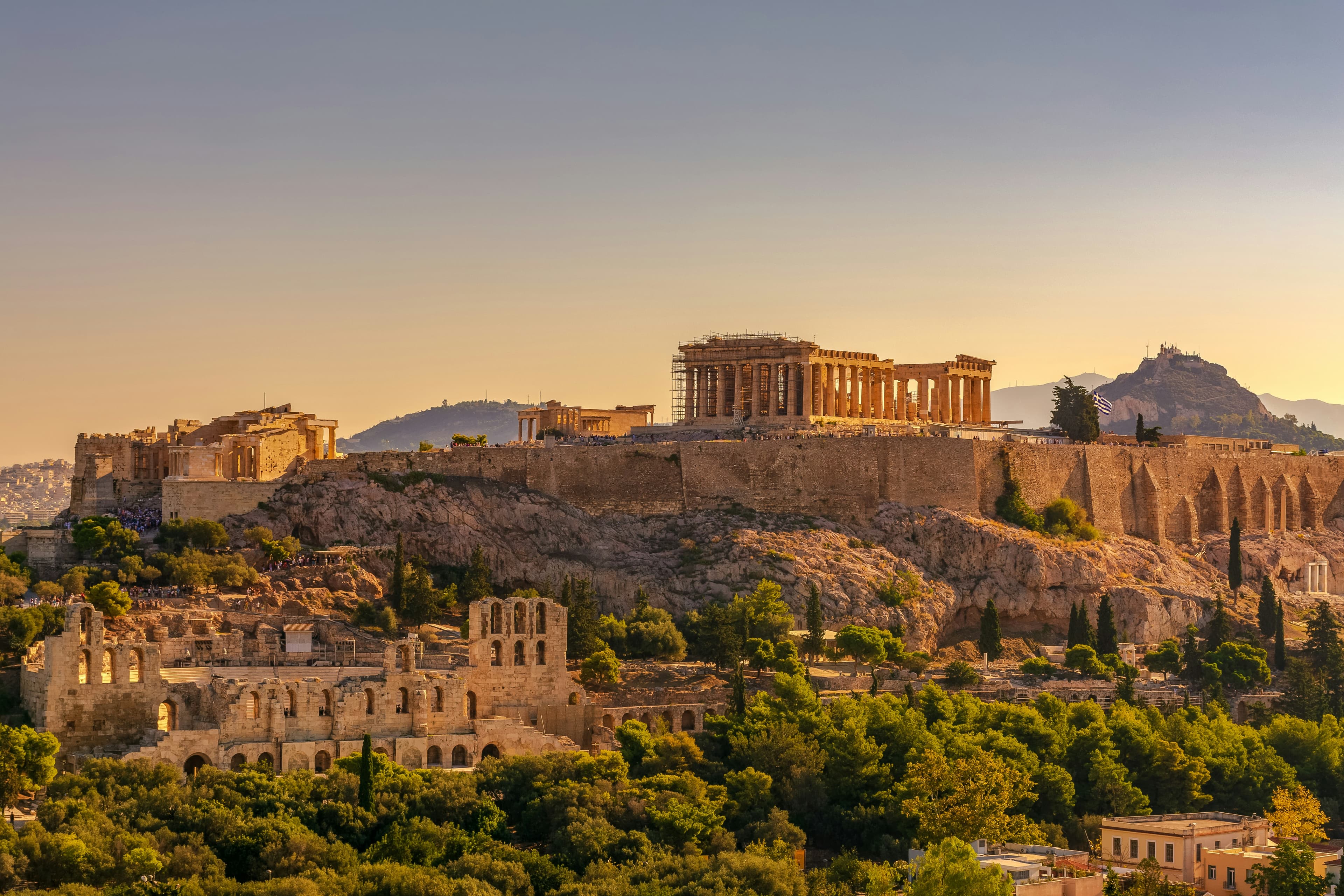
Athens is where classical drama meets café chatter, and marble columns frame sunsets over a living city. In 2025, museum upgrades, expanded tram and metro services, and clearer signage make it easier than ever to navigate the capital without stress. This long-form, text-only guide focuses on how to actually experience Athens: where to stay, how to move, what to see and taste, a realistic 2–4 day plan, smart day trips, safety and etiquette cues, and when to book. Start by comparing cheap flights to Athens and bookmarking compensation for delayed flights just in case your journey hiccups. For stays, scan flexible hotels in Athens near the neighborhoods that fit your style. If you plan a road loop to the Peloponnese or Delphi, consider cheap car rentals in Athens after your city days.
Where to Stay: Match Your Base to Your Days
Athens spreads from the Acropolis hillside down to the sea and up into lively districts. The key is choosing a base that shortens your daily moves and matches your energy. Hotel stock is strong, and apartments are common; for 2025, look for flexible policies via flexible hotels in Athens so weather or crowds don’t trap you in rigid plans.
Plaka and Anafiotika: Atmosphere at the Foot of the Acropolis
Plaka’s neoclassical facades, vine-laced lanes, and stair-step cafés feel built for evening strolls. Anafiotika—tiny whitewashed alleys tucked under the rock—gives Cycladic vibes in the heart of the city. You’re minutes from the Acropolis slopes and the Ancient Agora. Downsides: tourist pricing and lively nights. Choose inner lanes for quieter sleep and small guesthouses for character.
Koukaki and Makrygianni: Museum-Side Convenience
Just south of the Acropolis Museum, these neighborhoods balance local life with access. You’ll be steps from the pedestrian spine (Dionysiou Areopagitou), tram links toward the coast, and casual eateries. It’s ideal for first-timers who want easy mornings at the Acropolis and afternoons free for markets or sea breezes.
Monastiraki and Psyrri: Flea Markets and Night Energy
If your soundtrack is clinking glasses and vinyl, base near Monastiraki Square or in Psyrri’s lanes. You gain rooftop terraces with Acropolis views, quick metro links (including airport connections via a change), and markets at your doorstep. Expect nightlife buzz; pick higher floors and interior rooms if you’re sensitive to sound.
Kolonaki and Lycabettus: Elegant, Hilly, Calm
North of Syntagma, Kolonaki stacks boutiques, galleries, cafés, and embassies along shaded blocks. It’s uphill but polished, with excellent restaurants and easy access to the funicular up Mount Lycabettus. If you prefer quiet nights and grown-up dining, this is your place.
Exarchia and Neapoli: Creative Edge
Murals, indie bookshops, record stores, and a strong café culture define Exarchia. It’s youthful without being chaotic, and weekday evenings feel local. Safety is fine with normal city sense. You’ll walk a bit more to classical sights, but the neighborhood itself is a cultural experience.
Coastline (Palaio Faliro to Glyfada): Sea Air and Space
Trams glide along the Saronic Gulf with boardwalk joggers and sunset benches. If you want mornings by the water and day trips to islands, base along the coast and ride the tram or metro in for museums. Summer is animated; winter is calm and bright.
Getting Around: Metro, Tram, Feet
Arriving in Athens
- By air: Athens International Airport (ATH) connects widely. The blue-line metro and suburban railway link the airport to Syntagma and Monastiraki. If you arrive late or with heavy bags, taxis and rides are regulated and posted by zone.
- By ferry: Piraeus (and Rafina) serve the islands. If your plan includes island days, lock flights first via cheap flights to Athens, then layer ferries. Return to the city for your final nights to reduce stress.
- By car: Skip driving in the center; streets and parking can be complex. Consider cheap car rentals in Athens for day trips or a Peloponnese loop after your city days.
Within the City
- Metro: Clean, frequent, and signed in Latin characters. Stations double as small museums—Syntagma’s archaeology display is a surprise.
- Tram: Handy for the coastline. It’s slower than the metro but scenic and reliable.
- On foot: Distances between classical sites are modest. Wear treaded shoes—marble and polished stone can be slick.
- Taxis/rides: Abundant and affordable by European capital standards. Use apps or official ranks; always check that the meter runs.
Essential Sights and Experiences
Acropolis and Parthenon
Arrive early or late for softer light and smaller crowds. The Acropolis is a plateau of layered stories: the Parthenon’s Doric lines, the graceful Erechtheion with its Caryatids, the Propylaea gateway, and views that fold the city to the sea. Book timed entry with skip-the-line tickets in Athens and carry water. Even with the best timing, expect sun and exposed paths.
Acropolis Museum
A luminous modern building that frames the hill itself. Follow the chronological sequence, then step onto the glass floors above excavations. The top-floor Parthenon Gallery aligns to the temple—stand near the windows and look back to marble and sky.
Ancient Agora and Roman Agora
The Ancient Agora is social life fossilized: stoa arcades, temple remains, and a museum that gently explains daily objects. The nearby Roman Agora adds wind and whispers—visit the Tower of the Winds and picture time told by water and shadow.
National Archaeological Museum
When the heat rises, this is your cool sanctuary. The mask of Agamemnon, bronze athletes in motion, and quiet rooms where gold leaf and marble still speak. Plan two hours minimum and a café break.
Mount Lycabettus
Take the funicular or hike up for a panorama at golden hour. You’ll see the Acropolis as one note in a city symphony of white and green. Bring a light layer; breezes pick up around sunset.
Strolls That Stitch the City
- Dionysiou Areopagitou → Apostolou Pavlou: A pedestrian loop around the rock, past Herodeon, to the viewpoints of Philopappos Hill.
- Ermou and Monastiraki Flea Market: Shoes on stone, stalls with antiques and oddities, and a rhythm of bargaining that feels friendly.
- Kolonaki Galleries: Small rooms with big conversations—Greek contemporary art in digestible bites.
- Coastal Boardwalk: Tram to the water, then walk between cafés and piers until the sun slides toward the islands.
- Food Halls and Markets: Central Market (Varvakios) and small neighborhood produce stands for picnic supplies.
Food and Markets: Fresh, Grilled, Seasonal
Greek cooking centers on olive oil, lemon, herbs, and patience. In Athens, that translates into grilled fish, slow-baked lamb, horse-shoe loaves sprinkled with sesame, and salads bright with tomatoes and capers. Eat with the seasons, and you’ll pay less and taste more.
What to Try
- Meze spreads: Tzatziki, melitzanosalata (smoked eggplant), fava, taramasalata, and a plate of olives. Order bread; it’s a dish, not a basket.
- Grilled seafood: Sardines, octopus, sea bream with lemon and oregano.
- Souvlaki and gyros: Simple, perfect street food. Look for short menus and fast turnover.
- Horiatiki (village salad): Tomatoes, cucumbers, peppers, onion, olives, capers, a slab of feta, oregano.
- Loukoumades: Honey-drizzled dough puffs, ideal after an evening walk.
Where to Focus
- Central Market (Varvakios): Mornings are best; lunch counters ladle rich broths and stews.
- Neighborhood bakeries: Buy koulouri (sesame rings) and spinach pies for breakfast on the move.
- Seafood tavernas: Tram toward the coast for grills and sea breeze.
- Rooftops: Combine sunset with mezze and an Acropolis view; arrive early.
- Helpful links: skip-the-line tickets in Athens · flexible hotels in Athens · cheap flights to Athens · compensation for delayed flights · cheap car rentals in Athens
A Realistic 2–4 Day Plan
Day 1: Orientation and the Hill
Arrive, drop bags, and walk the pedestrian spine toward the Acropolis slopes. Visit the Acropolis Museum first to ground the story; then time your Acropolis entry for late afternoon or, in reverse, go early next morning. Dinner in Koukaki or Plaka; sleep early.
Day 2: Agoras, Plaka Lanes, and a Rooftop
Ancient Agora and Roman Agora in the cooler hours, Monastiraki browsing by late morning, and a long lunch near Psyrri. Walk shaded lanes in Plaka, then a rooftop drink as the Parthenon glows. Reserve a table if you want a view; popular spots fill up by sunset.
Day 3: Museum Depth and Lycabettus Light
National Archaeological Museum for sculpture and gold, coffee in Exarchia, and afternoon ascent of Lycabettus. Dinner in Kolonaki or back near the center.
Day 4 (Optional): Coast or Craft
Ride the tram to the coast for a swim and seafood, or dive into galleries and workshops around Kolonaki and Psyrri. If you plan an island day trip, rearrange the days so you’re fresh for an early ferry.
Optional Day Trips
- Delphi: A mountain sanctuary with oracle echoes. Bus or car in ~2.5–3 hours. Combine with a village lunch and a late return.
- Cape Sounion: Sunset at the Temple of Poseidon. Easy by car or guided trip; bring a layer for sea winds.
- Hydra or Aegina: Island days with distinct personalities—Hydra with car-free lanes and stone mansions; Aegina with pistachios and seaside chapels.
- Peloponnese loop: Corinth Canal, Nafplio’s Venetian charm, and Mycenae’s lion gate. Rent a car via cheap car rentals in Athens and consider an overnight in Nafplio.
Safety, Etiquette, Money, Seasonality
Safety
Athens is broadly safe with normal city awareness. Watch pockets in crowded markets and metros, cross at marked points, and use official taxis at night. Keep documentation for any flight issues; review compensation for delayed flights when delays or cancellations hit.
Etiquette
- Greet with a calm “yasas” in shops; English is common in central areas.
- Dress modestly in churches and monasteries; shoulders covered, quiet voices.
- In queues, hold your spot gently; lines work when everyone trusts the line.
- On polished stone, slow down and give space. Help is offered freely when you move considerately.
- At archaeological sites, do not touch marble or step onto blocks beyond ropes.
- For restaurants, modest tipping (5–10%) is appreciated; round up at cafés.
- Respect quiet hours in residential lanes; sound carries at night.
- Book popular entries via skip-the-line tickets in Athens to reduce crowd pressure at bottlenecks.
- For hotels, prefer cancellable rates via flexible hotels in Athens during peak weeks.
Money
- Cards and contactless are widely accepted in 2025; carry small cash for kiosks and small bakeries.
- Markets and tiny tavernas may prefer cash—ask politely before ordering.
- Airport and museum shops price fairly; still, compare if buying jewelry or antiques.
- Transit passes can be loaded at machines; tap in and out where gates exist.
Seasonality
- Spring (Mar–May): Blossoms and mild days; ideal for long walks and light layers.
- Summer (Jun–Aug): Hot and bright; book timed entries and rest midday. Plan swims or museums for the heat.
- Autumn (Sep–Nov): Warm seas, softer light, and calmer nights—arguably the best time for balance.
- Winter (Dec–Feb): Clear air, museum hours, and cozy tavernas. Pack a light rain layer and enjoy the quiet.
Booking and Timing for 2025+
- Secure cheap flights to Athens 6–10 weeks out for value; midweek arrivals are often cheaper.
- Reserve skip-the-line tickets in Athens for the Acropolis and major museums when forecasts look favorable.
- Choose flexible hotels in Athens with flexible policies; edit bookings as your plan sharpens.
- Book cheap car rentals in Athens for day trips once you’re certain of dates; pick up after your city days to avoid parking headaches.
- Keep receipts and boarding passes; if something goes wrong, review compensation for delayed flights to pursue reimbursement.
The Bottom Line
Athens rewards good pacing. Tie your days to light and temperature: mornings for stone and views, afternoons for shade and sea, evenings for lanes that glow. With the right base, a handful of pre-booked entries, and flexible stays, you can give yourself two concentrated days or stretch to four with island air and museum depth. This 2025 guide—stays, transport, essentials, food, a 2–4 day plan, day trips, safety, etiquette, seasons, and booking windows—is your frame. The memories are the part you’ll paint in as you walk.