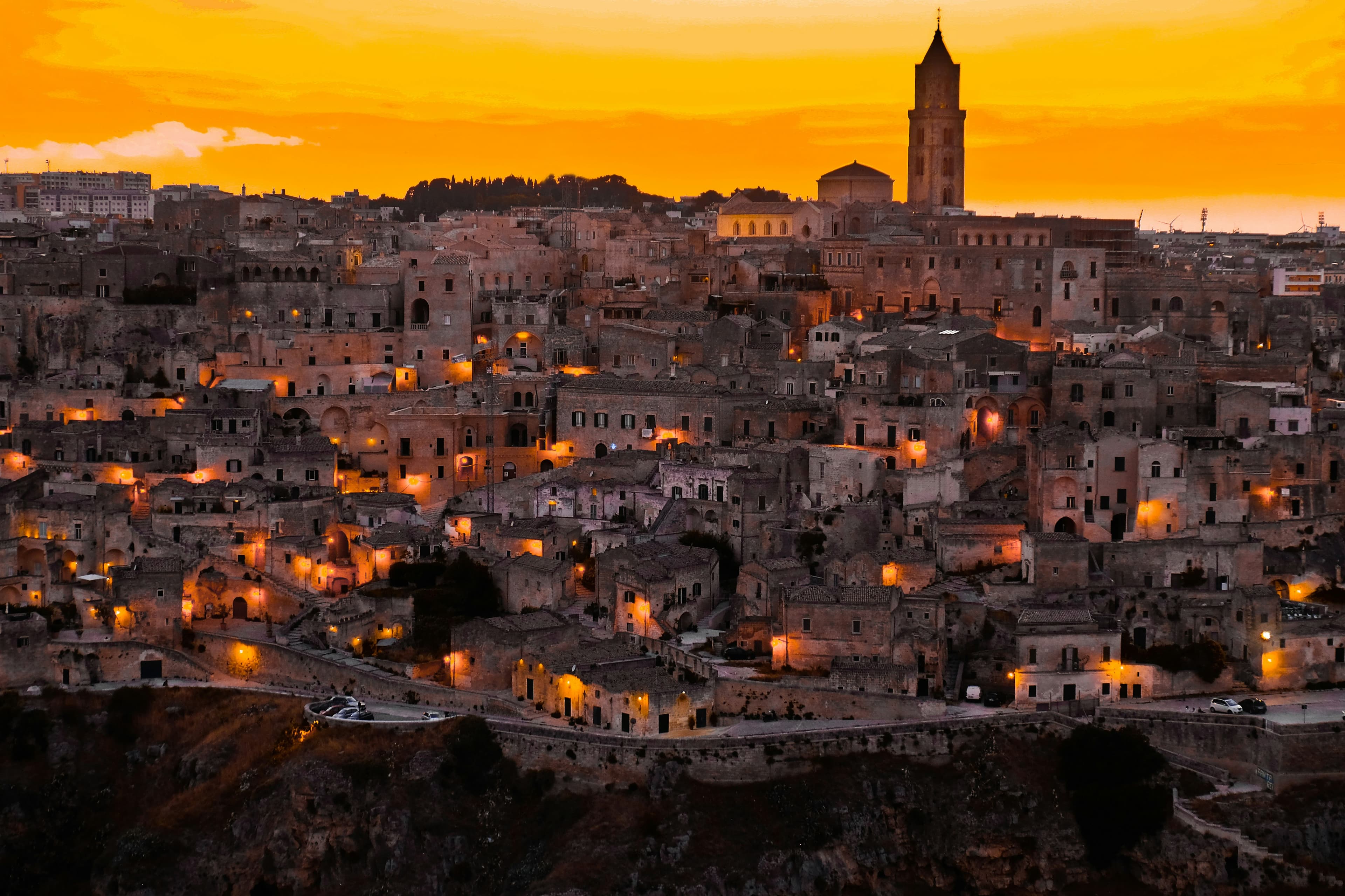
Matera is not like other cities. Carved into soft limestone and tufa, the ancient districts known as the Sassi tumble down ravines in a honeycomb of caves, lanes, and pocket churches. In 2025 the cave‑city balances preservation with a thoughtful wave of small hotels, trattorias, and artisans. This guide helps you plan a rewarding 2–4 day visit: where to stay among the Sassi, how to get around without stress, the essential rock‑hewn churches and viewpoints, what to eat and where to find markets, the day trips worth adding, and the smartest booking and timing tips for 2025 and beyond.
Why Matera Belongs on Your 2025 Shortlist
Matera is Europe’s most extraordinary urban comeback story—once labeled “the shame of Italy,” it is now a UNESCO World Heritage site and a compelling example of adaptive reuse. The Sassi Barisano and Sasso Caveoso districts are intact geological architecture: cave homes (and cave hotels), rock‑cut stairways, and frescoed chapels clinging to ravine walls. You do not just sightsee here; you read the city as a cross‑section of time. Mornings smell of stone and rosemary; evenings glow amber as lamps reveal steps and arches. It is a walker’s city, a photographer’s city, and a place to practice slow attention.
Getting There in 2025
Matera has no airport or rail station in the historic core; most visitors arrive via Bari (BRI) or Brindisi (BDS). From Bari, frequent trains run to Matera Centrale (the station sits a short walk from the Sassi); buses and airport shuttles connect efficiently. If you are coming from elsewhere in Europe, search cheap flights to Matera to Bari first, then continue by train or coach. Allow buffers if you book separate tickets—if a disruption affects your long‑haul or feeder leg, learn your rights and consider claiming compensation for delayed flights where eligible.
Where to Stay: Sassi, Upper Town, or Nearby Villages
Sasso Caveoso: Cave Atmosphere, Ravine Drama
For a “this is Matera” feeling, Sasso Caveoso is unmatched. Many lodgings are cave suites carved into the rock, with dehumidifiers and underfloor heating for comfort. You will trade a few steps for quiet evenings and sunrise light over the ravine. Reserve cancellable options on hotels in Matera—spring and autumn book out well in advance.
Sassi Barisano: Easier Access, Classic Vistas
Closer to the upper town and roads, Barisano offers charming stone houses and boutique hotels with terraces. If you prefer shorter stair climbs and easier luggage logistics, this is a smart base without losing atmosphere.
Upper Town (Civita): Convenience and Balance
Above the Sassi’s stairways, Civita’s streets are flatter and dotted with cafés, bakeries, and small shops. It is ideal if you want a calmer home base while reaching the cave districts in minutes.
Nearby Villages
Consider countryside stays for views of Matera’s skyline. You will need a car, but sunsets facing the Sassi are magical. For rural loops and coastal extensions, compare cheap car rentals in Matera for day‑by‑day rentals—parking inside the Sassi is heavily restricted.
Getting Around Without the Stress
Matera is best on foot. The Sassi are vertical; your day will zigzag across steps, lanes, and belvederes. Map shade and stair‑light routes for midday. The Civita and modern Matera are connected by local buses; taxis and transfers help with late arrivals. If you rent a car for day trips, park outside the historic area and continue by foot or shuttle—driving into the Sassi is limited to residents and permit holders.
Essential Sights and Experiences
Rock‑Hewn Churches (Chiese Rupestri)
These are Matera’s heart. Frescoes bloom in dim light, resilient after centuries underground. Start with Santa Maria de Idris and San Giovanni in Monterrone—dramatically perched on stone outcrops. Then add San Pietro Barisano’s hypogea and San Pietro Caveoso’s cliff‑edge setting. Book a knowledgeable guide or join a small group to understand iconography and context—consider Sassi di Matera guided tour tickets to secure a timed slot in peak weeks.
Casa Grotta
Step through a faithful reconstruction of a traditional cave dwelling: a single room serving as kitchen, bedroom, stable, and workshop. It is humbling and essential; pair your visit with Casa Grotta museum tickets for convenience.
Belvederes and the Gravina Ravine
Walk the belvederes at sunrise or sunset—Murgia Timone offers the classic “Matera from across the ravine” panorama. Trails on the Murgia plateau reveal caves and carved hermitages; bring water, grippy shoes, and respect for cliff edges.
Civita and the Upper Town
Cathedral square, artisan shops, bakeries selling pane di Matera with its durable crust, and small bars tucked into vaults. The interplay between everyday life and historic fabric is Matera’s secret joy.
Food and Markets
Matera’s cuisine reads like a countryside calendar: broad beans and chicory, orecchiette with cime di rapa, crumbled peperoni cruschi that snap like chips, and slow‑cooked lamb and mutton. Pane di Matera—PDO bread made from local semolina—anchors the table. Seek trattorias with concise menus and ask about daily vegetables; the best meals taste like the season.
For picnic supplies, visit morning markets near the upper town; in the Sassi, small alimentari stock local cheese, olives, and cured meats. Book weekend dinners ahead, but leave space for spontaneous plates at tiny kitchens that still cook for locals first.
For popular cave churches and guided routes, pre‑book with Sassi di Matera guided tour tickets to avoid queuing on narrow lanes.
A 2–4 Day Plan That Layers the City
Day 1: First Steps into the Sassi
- Morning: Orientation walk across Sasso Caveoso; coffee with a view of San Pietro Caveoso.
- Late morning: Casa Grotta and nearby rupestrian chapels; secure Casa Grotta museum tickets if lines build.
- Afternoon: Slow lap of Sassi Barisano, artisan workshops, and a terrace for golden hour.
- Evening: Dinner in a vaulted trattoria; pane di Matera with oil and seasonal antipasti.
Day 2: Churches, Belvederes, and the Murgia
- Morning: Santa Maria de Idris and San Giovanni in Monterrone; small‑group insights via Sassi di Matera guided tour tickets.
- Midday: Cathedral and Civita lanes; bakery lunch.
- Afternoon: Cross to Murgia Timone for ravine views; short hike among cave hermitages.
- Evening: Back to the Sassi for a cave‑restaurant dinner; lemon liqueur or amaro nightcap.
Day 3: Day Trip or Deep Dive
- Option A: Alberobello and the Trulli. Rent for the day (cheap car rentals in Matera); wander conical roofs, then loop via Locorotondo and Martina Franca.
- Option B: Gravina in Puglia. Bridge views and quieter rupestrian heritage; lunch in a stone cellar.
- Option C: Deep Matera. Additional rock churches, artisan studios, and long stairway rambles.
Day 4: Coast or Countryside
- Morning: Ionian coast swim if weather allows; seafood lunch.
- Afternoon: Back roads and olive groves; tasting at a small producer.
- Evening: Final wander through the Sassi; blue hour from your favorite belvedere.
Optional Day Trips
- Altamura: Cathedral town and celebrated bread.
- Polignano a Mare: Cliff‑edge old town and Adriatic views.
- Castel del Monte: Octagonal mystery on a hill (plan for a long half‑day).
Safety, Etiquette, Money, and Seasonality
Safety
Matera is calm and welcoming. Biggest risks are sun, dehydration, and slips on polished stone. Wear grippy footwear, watch your step on stairways, and carry water in warmer months.
Etiquette
Churches are active sacred spaces—cover shoulders and speak softly. Many lanes are residential; keep noise down at night and respect doorways. Ask before photographing people.
Money
Euro is the currency. Cards are widely accepted, but small cash helps at kiosks and tiny cafés. Tipping is modest and discretionary; round up or add 5–10% for sit‑down meals.
Seasonality
Spring and autumn are ideal. July–August bring heat and visitors—plan siestas and shade. Winter is soft‑light season for photography and long lunches.
Booking Windows and 2025 Timing
For peak periods and festival weeks, book rooms 2–4 months ahead on hotels in Matera. Shoulder seasons reward flexible dates—track cheap flights to Matera into Bari across a 30‑day view. For rock‑church access and guided experiences, reserve Sassi di Matera guided tour tickets early. If your airline rebooks you poorly after a disruption, review EU261 rights and consider compensation for delayed flights where eligible.
Getting Practical: Luggage, Fitness, and Access
Travel light: rolling bags and uneven steps are a poor match. Choose stair‑friendly routes, and ask your lodging about porter help from the nearest drop‑off. Many cave hotels have dehumidifiers—pack layers rather than heavy coats. Travelers with reduced mobility should confirm elevator access in renovated buildings and plan museum‑first itineraries on steeper days.
Responsible Travel
- Stay on signed paths in the Murgia; cliffs are unprotected, and soil is fragile.
- Buy local: bread, ceramics, textiles, and small‑batch preserves sustain community.
- Carry a reusable bottle; tap water is potable and reduces plastic waste.
The Bottom Line
Matera is a city you feel with your feet and your breath. Go slowly, climb deliberately, and give yourself room for silence in cool rock chapels. Plan your days around morning shade, late‑day light, and simple meals that taste like the countryside. With a smart base in the Sassi or Civita and a handful of well‑timed tickets, you will experience a cave‑city reborn—human in scale, rich in memory, and unforgettable in its textures.