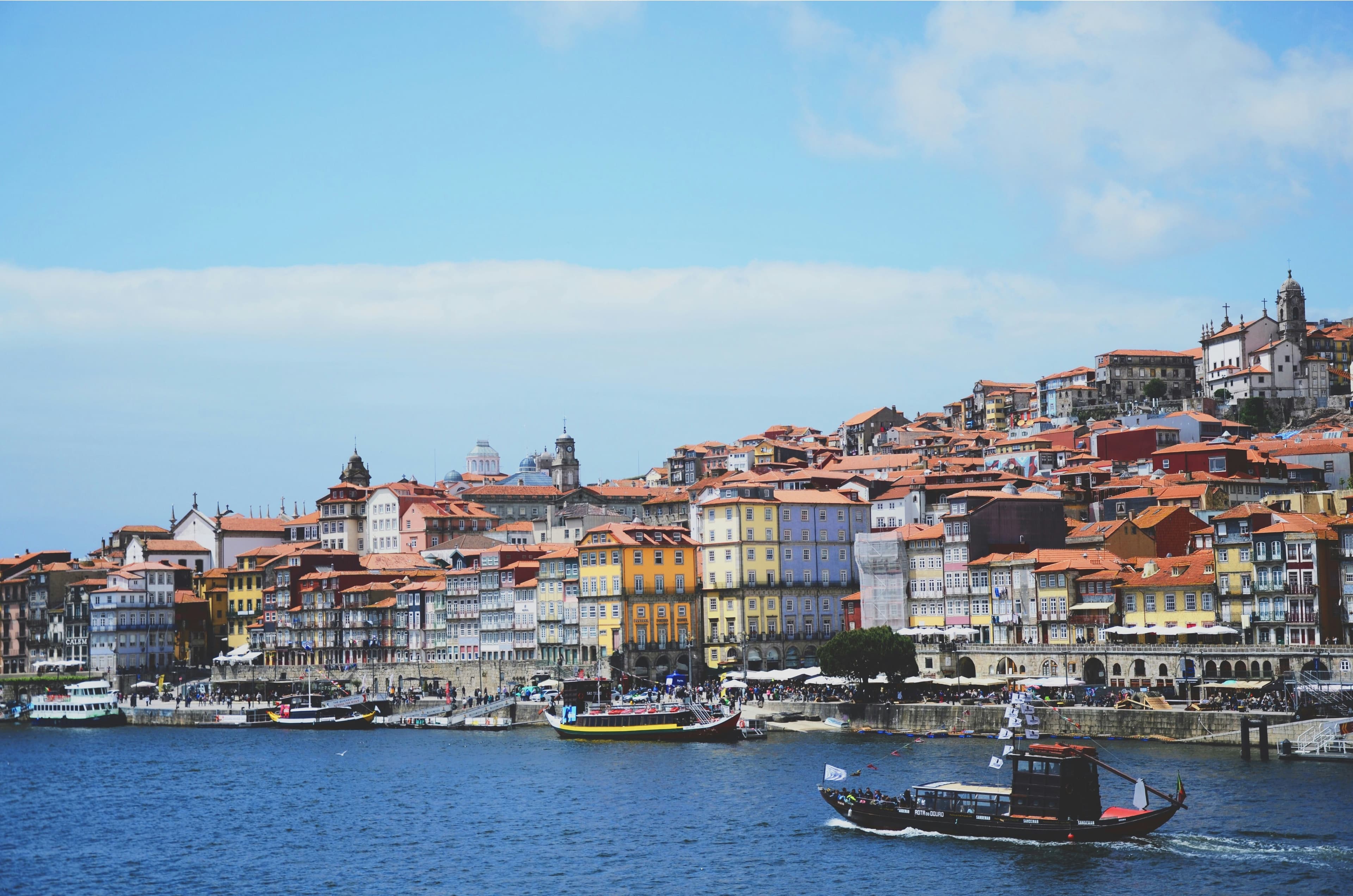
Porto is a city that unfolds in layers — granite lanes climbing toward clerical towers, riverfront arcades that breathe in time with the Douro, and tiled facades that sparkle like scaled armor in the afternoon light. This long-form 2025 guide is built for curious travelers who want the essential sights and the soul beneath them: where to stay by neighborhood, how to get around (and when to walk), the must-experiences that anchor a first visit, the markets and food rituals that make Porto deliciously local, optional day trips (Douro Valley, Guimarães, Braga, Aveiro), safety–etiquette–money–seasonality, practical booking advice for 2025+, and a concise bottom line. Start your search with cheap flights to Porto; for disruptions, bookmark compensation for delayed flights. For limited-entry attractions, check availability of Clérigos Tower tickets. Lock in flexible stays with Porto hotel deals and plan scenic drives or countryside escapes with cheap car rentals in Porto.
How to Read Porto in 2025
Porto is a city of topography and texture. For a first trip, structure your time around three intertwined axes: (1) the Douro River (Ribeira, Vila Nova de Gaia cellars, bridges); (2) civic/historic Porto (Sé Cathedral, São Bento Station, Clérigos, Livraria Lello, Bolhão Market); (3) culture-by-neighborhoods (Cedofeita art streets, Foz do Douro sea air, Miragaia lanes, Bonfim creativity). Move between river, ridge, and sea, and your days will gain a natural rhythm.
Where to Stay
Ribeira & São Nicolau (Waterfront Character)
For postcard Porto — arched arcades, boat silhouettes, golden dusk along the quay — base yourself in Ribeira or nearby São Nicolau. Expect intimate buildings, creaky staircases, and river views. Narrow lanes mean noise can travel; choose upper floors or courtyard-facing rooms when possible. Use Porto hotel deals with filters for free cancellation and breakfast included.
Baixa & Aliados (Central & Well-Connected)
Near the grand avenue of Aliados, you are a short walk to São Bento, Bolhão Market, and Clérigos. Metro connections are excellent, and the area balances historic bones with contemporary hotels. A strong choice for first-timers.
Cedofeita & Arts District (Creative, Local Pace)
A few blocks west of the center, Cedofeita’s galleries and indie cafes give you a slower daily rhythm. Stay here if you prefer neighborhood mornings, quiet late nights, and a 10–20 minute stroll to major sights.
Vila Nova de Gaia (Cellars & Views)
On the south bank across the Dom Luís I Bridge, Gaia serves sweeping views back toward Ribeira. If port wine tastings are central to your plan, Gaia’s riverside hotels make logistics easy, and the sunsets are superb.
Foz do Douro (Sea Breeze & Weekender Vibe)
Follow the river to its mouth for breezy boardwalks, lighthouses, and Atlantic air. Not ideal for first-timers without patience for transit, but wonderful for repeat visitors and longer stays who prioritize calm and sea views.
Getting Around
On Foot
Porto’s heart rewards walkers; however, be realistic about hills and cobbles. Plan your day downhill when possible: start high (Clérigos/Sé) and descend toward the river. Save climbs for cool mornings or early evenings.
Metro, Trams, and Buses
The metro is clean and convenient for airport transfers (Line E). Historic trams are atmospheric but slow; treat them as experiences, not transport. Buses fill gaps between neighborhoods. Buy an Andante card if you plan multiple rides.
Taxis & Ride-Hailing
Useful for late nights or rain. Fares are reasonable compared to other Western European cities. Confirm card acceptance before departure.
Driving & Day Trips
For regional exploration — Douro Valley terraces, Guimarães, Braga, Aveiro — a car offers freedom. Book early for 2025 holidays via cheap car rentals in Porto. In the city center, parking is tight; choose hotels with onsite or partner garages.
Essential Sights & Experiences
Ribeira Quarter
Ribeira’s stone arches, river steps, and pastel facades are Porto’s visual shorthand. Visit at golden hour when balconies glow and boat silhouettes cut the sky. Cross to Gaia for the best angles back to the north bank.
Dom Luís I Bridge
Walk the lower deck for river life; take the upper deck for cinematic views. Time sunset above, then descend for dinner along the water.
São Bento Station
Inside the Beaux-Arts shell, nearly 20,000 azulejo tiles narrate Portugal’s histories and rural scenes. Arrive just after the morning commuter rush to stand center hall and let the panels surround you.
Clérigos Tower & Church
Baroque drama and a stone corkscrew to the sky. Book timed Clérigos Tower tickets to skip queues; aim for morning clarity or a late glow over terracotta rooftops.
Livraria Lello
One of the most ornate bookstores in Europe. The sculpted stair sweeps like velvet. Purchase entry vouchers online; arrive 10–15 minutes early. Photography is permitted but be considerate.
Sé Cathedral & Terrace
Romanesque bones, Gothic vaults, and a spectacular terrace over the city. Trace the layers of Porto’s growth through the view — ridge, river, sea.
Bolhão Market
Recently revived, Bolhão is where Porto shops for itself. Snack your way through fruit stands and cured meats; talk to vendors about seasonality. Morning is best for color and bustle.
Vila Nova de Gaia Cellars
Choose two or three cellars for a tasting flight through white, ruby, tawny, and vintage styles. Take notes; compare aging methods and terroirs. Post-tasting, the riverwalk is perfect for slow steps and a sunset.
Serralves Museum & Park
Portugal’s flagship contemporary art museum sits within a lush park and an Art Deco villa. Even non-art travelers love the grounds and treetop walk.
Foz Lighthouses & Atlantic Edge
On windy days, waves shatter into diamond spray against the breakwater. Boardwalk strolls at blue hour are bliss.
Food & Markets
What to Eat
- Francesinha: A monumental sandwich layered with meats and cheese, finished with a spiced beer sauce. Share at lunch, then walk.
- Tripas à moda do Porto: Hearty stewed tripe — the city’s historic dish.
- Caldo verde: Comforting kale-and-potato soup, perfect for evenings.
- Bacalhau: Countless preparations; ask for daily recommendations.
- Pastel de nata: Always a good idea, especially with strong coffee.
- Port wine: Explore styles and pairings — nuts for tawny, chocolate for ruby.
- Douro DOC wines: Dry reds and whites from terraced vineyards.
- Seafood in Matosinhos: Grilled sardines, sea bream, clams “bulhão pato”.
- Petiscos: Small plates with northern character — cured meats, cheese, conservas.
Where to Taste
Start at Bolhão for snacks and seasonal fruit. Cross to Gaia for cellar tours; pick at least one small producer. Evenings in Cedofeita or Baixa bring wine bars and chef-driven bistros. Reserve dinner on weekends and holidays.
Markets & Food Rituals
Farmers’ markets appear across neighborhoods; ask your host for local schedules. Coffee is a ritual: stand at the counter, talk to the barista, linger just long enough. In 2025, many spots accept cards, but small change is useful for pastries.
Optional Day Trips
Douro Valley Terraces
Terraced vineyards roll like amphitheaters along the Douro. Rent a car via cheap car rentals in Porto for winery-hopping, or take a scenic train to Pinhão and pair with a river cruise. Book tastings in advance during harvest weeks.
Guimarães
The cradle of Portugal with a compact historic center, a brooding castle, and modern design energy. Great for architecture fans who like contrasts.
Braga
Baroque churches, Bom Jesus do Monte’s monumental stairway, and a lively student atmosphere. Pair with Guimarães on a long day, or give each a day.
Aveiro
Lagoon channels, candy-striped houses in Costa Nova, and moliceiro boats. Sweet tooths should try ovos moles.
Itinerary Templates (5–7 Days)
Day 1 — Tiles & Terraces
São Bento tiles, Sé terrace, and Clérigos panorama. Late afternoon in Ribeira; dinner in Gaia after a cellar tour.
Day 2 — Markets & Museums
Breakfast at Bolhão, Lello mid-morning, contemporary art at Serralves, sunset stroll in Foz.
Day 3 — Bridges & Boats
Cross Dom Luís I upper deck, explore Miragaia and Monchique, optional six-bridges boat trip near sunset.
Day 4 — Cedofeita & Wine Bars
Gallery lanes, concept shops, and a long dinner with Douro wines.
Day 5 — Douro Valley
Self-drive or train to Pinhão, vineyard tastings, slow lunch with river views.
Day 6 — Braga & Guimarães (Optional)
Baroque grandeur, medieval core, and a modern design museum. Return to Porto for a late petiscos supper.
Day 7 — Aveiro & Coast (Optional)
Channels, Costa Nova, and seafood in Matosinhos on your way back.
Safety, Etiquette, Money, Seasonality
Safety
Porto is generally safe. As in any city, watch belongings in crowded trams and at viewpoints. At night, favor lit streets on hills. Save copies of documents in the cloud.
Etiquette
Greet with a Bom dia/Boa tarde; learn a few phrases and you will be rewarded with smiles. In churches, dress modestly and lower your voice.
Money
Cards are widely accepted; small coins help for tips and pastries. 5–10% is appreciated in sit-down restaurants when service shines.
Seasonality
Spring and fall are ideal. Summer brings crowds and heat; prioritize early mornings and evenings. Winter is atmospheric with rain showers — pack a light waterproof.
Booking & Timing for 2025+
Use flexible date grids to find cheap flights to Porto. For key sights with limits, book Clérigos Tower tickets ahead. Seek accommodations with free cancellation via Porto hotel deals, and if your plans include the Douro and coastal drives, reserve cheap car rentals in Porto early. If flights are disrupted, review your rights for compensation for delayed flights.
Neighborhood Micro-Guides
Ribeira
For first light on facades and soft evenings along the quay. Best for photo-first mornings and sunset dinners.
Baixa/Aliados
Grand boulevards, quick access to everything, and lively nights that never tip into chaos.
Cedofeita
Art-laced streets, indie shopping, and gentle mornings. Creative couples love it.
Bonfim
Young energy, studios, and coffee. Add it to your second visit for a deeper cut.
Foz
Atlantic air, lighthouses, and weekend promenades. Bring layers for wind.
Gaia
Cellars and views — build tastings into your afternoons and stroll the riverwalk afterward.
Photography & Light
- Golden Hour: Ribeira and Gaia riverlines glow. Frame Dom Luís I bridge ribs against the sky.
- Blue Hour: Upper deck of the bridge for cobalt gradients and city sparkle.
- Midday: Dive indoors — tiles at São Bento, church interiors, and bookstores.
- Sea Light: Foz breakwater for spray and silhouettes.
Sustainable Porto
Walk between clusters of sights; use the metro for longer jumps. Carry a refillable bottle — many cafes will refill if you buy a pastry or coffee. Patronize independent shops and family-run eateries. Treat tiled facades with care: do not lean ladders or props; avoid touching loose azulejos.
Common Mistakes
- Trying to do Gaia tastings, Lello, Serralves, and Foz in a single day — you will spend more time in transit than in places.
- Skipping reservations in 2025 high season. Book dinners and tastings 3–10 days ahead.
- Underestimating hills — plan downhill days and use transit for climbs.
- Ignoring rain — pack a compact waterproof and non-slip shoes.
Concise Bottom Line
Porto rewards depth. Give yourself five to seven days to braid river, ridge, and sea; taste generously yet selectively; and book the few bottleneck experiences — Clérigos Tower tickets, a cellar tour, and your first dinner choices. Track fares for cheap flights to Porto, keep a fallback plan for compensation for delayed flights, and lock flexible stays via Porto hotel deals. If you want the Douro, secure cheap car rentals in Porto early. Come hungry for tiles, river light, and the warmth behind counters — Porto excels at all three.