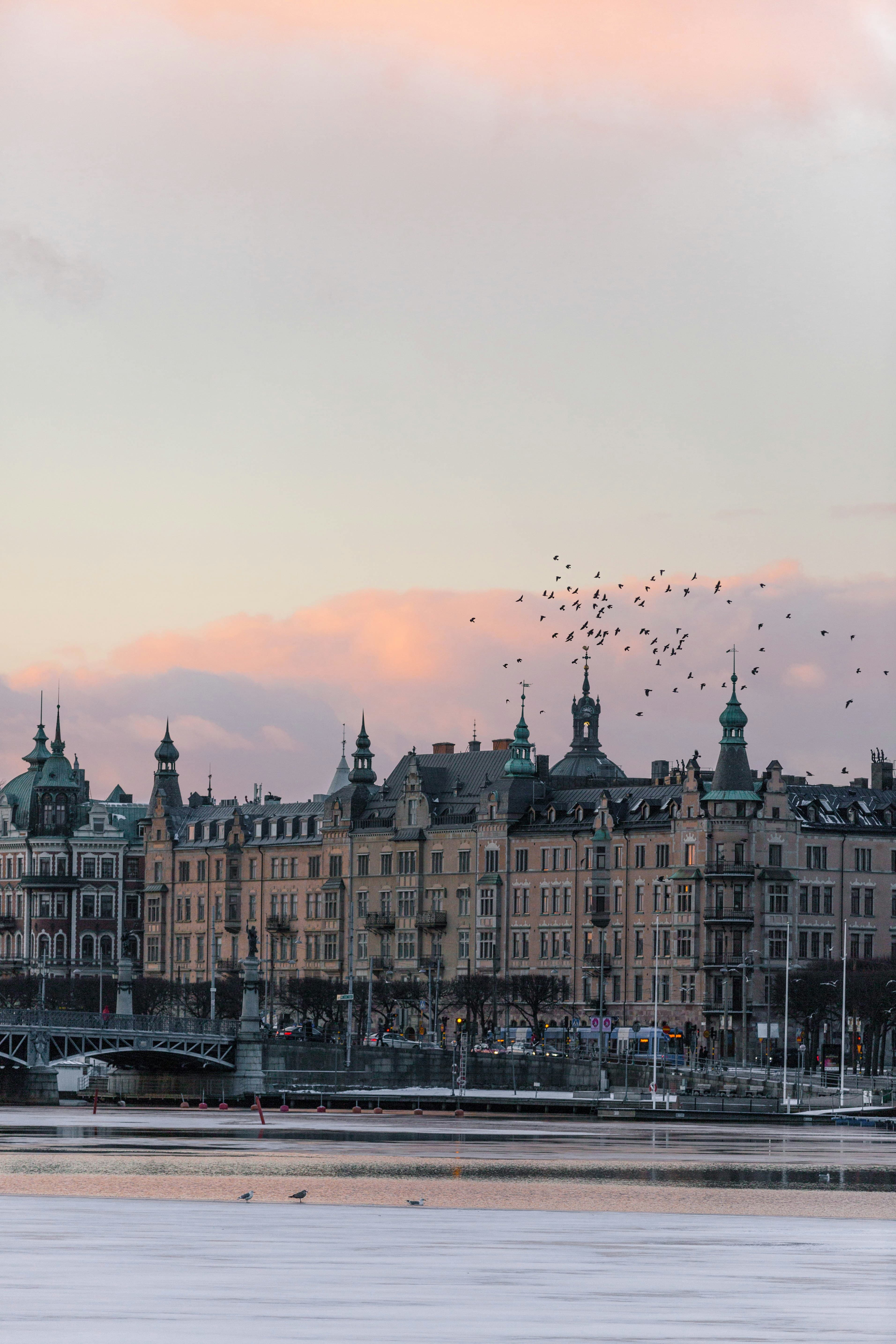
Stockholm is a city of light, water, and clean lines: fourteen islands stitched by bridges, ferries, and park-lined promenades. In 2025, contactless payments, improved transit signage, and longer museum opening hours make it easier than ever to glide between medieval lanes, glassy waterfronts, and design-forward cafes. This guide keeps planning practical and calm—how to choose a base, move efficiently, see essentials without overload, and savor the best fika and food halls between museum visits and island ferries.
Getting There
Start by scanning cheap flights to Stockholm. Arlanda (ARN) is the main international gateway with frequent airport trains and express buses into town; Bromma (BMA) handles select regional flights. If disruptions strike, keep receipts and explore your rights with compensation for delayed flights. Aim for midday arrivals so your first evening is gentle: stroll a waterfront, find a neighborhood bistro, and sleep well for an early launch the next day.
Where to Stay
Neighborhoods that match your style
- Gamla Stan: Storybook Old Town lanes, colorful facades, and short walks to the Royal Palace and ferries. Atmospheric and central, but crowded at peak times.
- Norrmalm: The transport core around Central Station and the shopping spine of Drottninggatan. Easiest for airport links and day trips; wide range of business and design hotels.
- Södermalm: Creative, relaxed, and scenic. Clifftop viewpoints, indie shops, and some of the city’s most interesting cafés and restaurants.
- Östermalm: Elegant streets near waterfront promenades and the Östermalms Saluhall food hall. Great for morning runs and refined dining.
- Vasastan: Residential calm with excellent bakeries, pocket parks, and value hotels. A quieter base a few metro stops from the center.
- Djurgården: The green museum island—Vasa, Skansen, and ABBA The Museum are here. Lovely if you prize nature and culture in equal measure.
- Kungsholmen: Waterfront walks and the City Hall. Fewer tourists, solid transit, and sunset views from bridges.
Booking strategy for 2025+
For spring and summer, secure refundable hotels in Stockholm early—especially June weekends and late August when events abound. In winter, you’ll find softer prices and cozy interiors. If you plan to explore the archipelago, choose a base with easy ferry access (Strömkajen, Nybroplan, or Slussen). Most hotels are cash-free; verify check-in times and luggage storage policies to align with flight schedules.
Hotel vs. apartment
Hotels bring good breakfasts, reliable service, and strong transit access; apartments give more space for families and extended stays. If you pick an apartment, check cooling and heating, blackout curtains (midnight light in June), and elevator access in older buildings.
Getting Around
- Metro (Tunnelbana): Fast and frequent; stations double as art galleries. Purchase single tickets, 24–72 hour passes, or tap contactless.
- Commuter trains and trams: Useful for outlying districts and airports; SL tickets work across modes.
- Buses and ferries: Ferries are half-transport, half-scenic cruise. Keep an eye on seasonal schedules for Djurgården and archipelago routes.
- Bikes and e-scooters: Great for waterfront paths; mind cobbles and tram tracks. Helmets recommended.
- Taxis and rideshares: Reliable; prices can vary—agree on fare or check the meter before starting.
- Cars: Skip a rental unless you’re road-tripping or heading deep into the archipelago—street parking and congestion zones complicate central driving. If needed, compare cheap car rentals in Stockholm and confirm hotel parking.
Tickets and passes
SL’s travelcards are flexible; for a 2–4 day visit, a 72-hour pass can simplify life if you plan multiple ferries and museum hops. Contactless pay-as-you-go is fine for light usage. Ferries outside the central zone (deeper into the archipelago) use separate operators—buy tickets on the pier or app.
Essential Sights & Experiences
Water, wood, and world-class museums
Vasa Museum: A 17th-century warship salvaged from the harbor, preserved in astonishing detail—carvings, hull, and the scale of maritime ambition. Arrive at opening to avoid lines and start on the top floor for context before descending to the ship’s shadow.
Skansen: Open-air Sweden—historic buildings, craftspeople, and seasonal festivals. Families love the animal enclosures; adults love the breadth of cultural storytelling across time.
ABBA The Museum: Interactive and joyful. Even if you’re not a superfan, the curation is smart and the design playful. Book ABBA The Museum tickets for timed entry.
Royal Palace (Kungliga Slottet): Guard changes, sumptuous halls, and the Tre Kronor Museum foundations—pair with a Gamla Stan wander.
City Hall (Stadshuset): Nobel banquet hall and tower views; book a tour to unlock details behind the brick-and-gold icon.
Fotografiska: Contemporary photography in a waterfront former customs house; rooftop views and a restaurant focused on sustainability.
Moderna Museet & ArkDes: Modern art and architecture/design conversations side-by-side on Skeppsholmen island.
Old Town and design districts
Gamla Stan: Stortorget’s colorful square anchors lanes lined with cafés, handicrafts, and quiet courtyards; early morning or evening is best. Duck into churches for cool air and a moment of silence.
Södermalm: Independent shops, creative studios, and some of the city’s best cafés; climb to Monteliusvägen for sunset panoramas across the water.
Östermalm & Norrmalm: Smooth pavement for design-led browsing; look for Scandinavian interiors shops and fashion with classic lines and quality materials.
Food & Markets
Östermalms Saluhall: A grand food hall serving seafood, meats, cheeses, and hot lunches—refined but welcoming.
Hötorgshallen: International flavors and local bites under one roof; excellent for varied groups and quick lunches.
Fika culture: Coffee and pastry breaks are non-negotiable; try kanelbulle (cinnamon bun), kardemummabulle (cardamom bun), and seasonal semla in winter.
Seafood and modern Nordic: Book ahead for tasting menus and chef-driven dining; casual counters offer herring plates, salmon, and shrimp toasts that pair perfectly with a waterfront bench.
Budget tips: Lunchtime deals (dagens lunch) in weekdays deliver great value; many restaurants include bread and coffee.
A 2–4 Day Plan
Day 1: Gamla Stan, the Palace, and waterfronts
- Morning: Arrive early in Gamla Stan. Wander lanes to Stortorget before the crowds, then tour the Royal Palace.
- Midday: Ferry or walk to Skeppsholmen for Moderna Museet. Grab a light lunch overlooking the harbor.
- Afternoon: Return along the bridges; a City Hall exterior walk and early dinner near Kungsholmen.
- Evening: Golden-hour stroll on the waterfront; sleep early to catch tomorrow’s opening hours.
Day 2: Museums on Djurgården
- Morning: Vasa Museum at opening; take your time with interpretive exhibits.
- Midday: Lunch in Djurgården; if energy allows, a gentle park walk.
- Afternoon: Skansen or ABBA The Museum (book ABBA The Museum tickets for smooth entry).
- Evening: Tram or ferry back; dinner in Östermalm or a casual Södermalm bistro.
Day 3: Södermalm & Fotografiska
- Morning: Coffee and pastries on Södermalm; browse design shops.
- Midday: Fotografiska galleries; a late lunch with views.
- Afternoon: Monteliusvägen viewpoints; sunset across the water.
- Evening: Return via Gamla Stan lanes at night; find a snug bar for a nightcap.
Day 4 (optional): Archipelago escape
- Morning: Early ferry to Vaxholm for harborside walks and café stops, or push farther to Sandhamn for dunes and open sea.
- Afternoon: Slow lunch in a waterside restaurant; swim if weather permits.
- Evening: Sail back with the city lights appearing between islands.
Optional Day Trips
- Drottningholm Palace: A UNESCO-listed royal residence with gardens and a Chinese Pavilion—easy by boat or bus.
- Uppsala: Cathedral spires, scholarly streets, and botanic gardens; 40 minutes by train.
- Sigtuna: Sweden’s oldest town charm—runestones, wooden houses, and lake views.
- Gripsholm Castle (Mariefred): Lakeside fortress with a strong portrait collection.
- Skokloster Castle: A baroque time capsule for history lovers.
Safety, Etiquette, Money, Seasonality
Safety
Stockholm is low-crime and orderly. Watch for bikes on shared paths, respect ferry queues, and mind icy patches in winter. Keep valuables close in summer crowds around Old Town and museums.
Etiquette
- Queue politely and leave space. Lower voices in residential areas late at night.
- Public alcohol rules are strict; many parks allow picnics but confirm signs. Bars and restaurants check ID meticulously.
- Shoes off in many homes and some boutique stays—follow host cues.
- Photography: Ask before close-ups of people; avoid blocking narrow lanes.
Money
- Cards and contactless dominate; some venues refuse cash entirely. Keep a physical card and a mobile wallet ready.
- ATMs exist but are less common; fees vary by bank. Tipping is modest—round up or add ~5–10% for standout service.
- Budget ranges (per person, per day): backpacker $70–$110; mid-range $140–$250; comfort $260+.
Seasonality
- May–June: Long days, blooming parks, and lively outdoor cafés—book early.
- July–August: Peak travel and archipelago prime time; ferry reservations help.
- September–October: Softer light and thinner crowds; great for museums and design browsing.
- November–February: Short days but magical interiors; Christmas markets and candlelit fika.
- March–April: Shoulder season with calm streets; layers for changeable weather.
Booking & Timing for 2025+
- Lock accommodation early using refundable hotels in Stockholm for free-cancel options during peak months.
- Compare cheap flights to Stockholm across flexible date windows; target morning arrivals for a full first day.
- Reserve ABBA The Museum tickets for timed entry on busy weekends and holidays.
- Use ferries on weekdays or early mornings to sidestep queues; verify seasonal timetables.
- Consider cheap car rentals in Stockholm only if you’re leaving the city regularly; otherwise transit and ferries are simpler.
Bottom Line
Stockholm rewards those who balance museums with air and water: a morning shipwreck under soft light, a noon cinnamon bun, an afternoon ferry’s wind, and a golden-hour walk along a quay. In 2025, a thoughtful plan—book key entries, wake early, and leave room for fika—delivers the Nordic calm and brightness you came for. When disruptions happen, compensation for delayed flights can help; when weather turns, museums and bakeries shelter you without stealing the day. Choose a base that fits your rhythm, move lightly across islands, and let the city’s humane scale settle your pace.