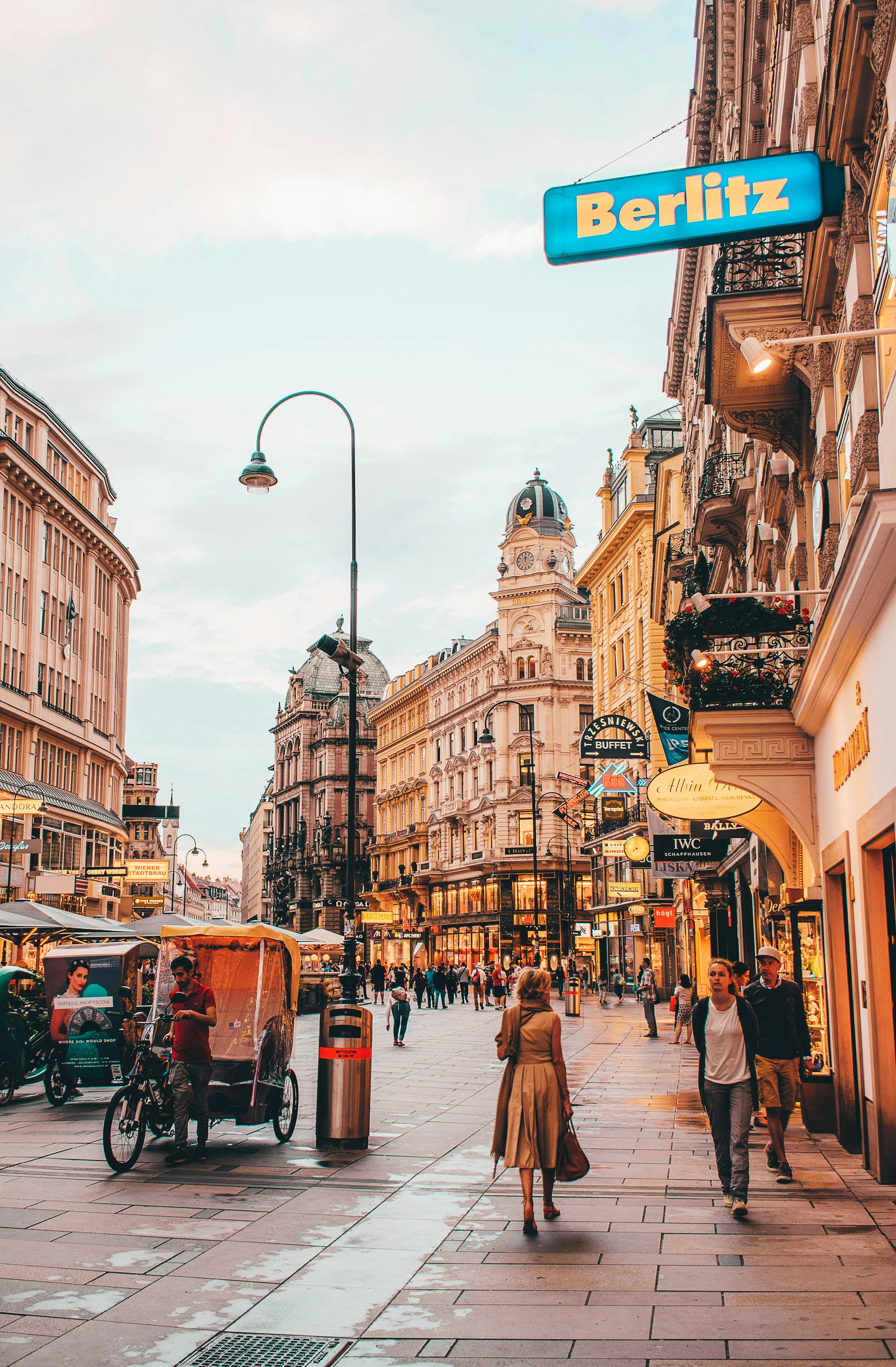
Vienna is Europe’s elegant paradox: imperial grandeur that never feels stiff, coffeehouse culture that invites lingering, music that spills from concert halls into streets, and green spaces that put calm within easy reach. In 2025, improved rail links, simple contactless payments, and a surge in English‑friendly signage make it easier than ever to land, drop your bags, and begin. This long‑form guide distills what matters—where to stay, how to move, what to see and skip, how to eat well, and how to plan a 2–4 day visit that feels both complete and unhurried.
Getting There
Start by comparing cheap flights to Vienna. Vienna International Airport (VIE) sits 20–25 minutes from the city center by fast rail. If your travel day misbehaves, keep precise timestamps, receipts, and consider your rights to compensation for delayed flights. Overland, international trains glide to Wien Hauptbahnhof from Budapest, Prague, Munich, and Zurich with minimal fuss. Night trains (ÖBB Nightjet) extend Vienna’s reach across central Europe—book early for sleepers.
Where to Stay
Best Areas
Innere Stadt (1st District): Imperial Core
Stay within the Ringstrasse if you want to wake up inside the postcard—St. Stephen’s Cathedral, the Hofburg, and grand boulevards in every direction. You’ll pay for the privilege, but every hour saved walking is returned in museum time and dusk strolls. For flexible rates and central addresses, compare refundable hotels in Vienna and look for locations near Stephansplatz or Herrengasse.
Neubau & MuseumsQuartier (7th District): Creative, Walkable
Boutique hotels and apartments sit beside galleries, design shops, and the MQ’s museums. You’re minutes from the Ring, yet evenings feel neighborhood‑level—wine bars, small plates, and soft light on side streets.
Leopoldstadt (2nd District): Green, Family‑Friendly
Across the Danube Canal, Leopoldstadt wraps the Prater’s giant parkland and the Augarten’s alleys of lime trees. It’s a strong base for runners, families, and anyone who craves morning green and quick U‑Bahn hops.
Landstraße (3rd District): Belle Époque Neighbors
Near the Belvedere, Landstraße offers a calmer, residential feel with quick access to the center. Prices are slightly kinder; art lovers get the Belvedere’s Klimt rooms as a neighborhood perk.
Booking Strategy for 2025+
- Peak demand hits during spring (April–May), Advent markets (late Nov–Dec), and major festivals. Reserve early and favor cancellable rates via refundable hotels in Vienna.
- Consider a two‑base plan: two nights in the 1st District for door‑to‑door museum access, then shift to the 7th for cafés and galleries.
- Rooms run smaller than you might expect in historic buildings—confirm bed size and elevator access if needed.
Getting Around
- On Foot: The center is a walker’s dream. Plan dense mornings and gentle evening loops along the Ring.
- U‑Bahn, Trams, and Buses: Fast, frequent, and intuitive. Buy a 24/48/72‑hour pass and tap through the gates. Night lines keep weekends humming.
- Airport Trains: S7 for value, City Airport Train (CAT) for speed. Both land you in the network fast.
- Taxis and Rides: Reliable; hail or app when carrying concert clothes in the rain.
- Bikes: Flat streets and growing lanes suit casual cyclists—watch tracks and cobbles near the Ring.
- Cars: Skip in the center; parking is regulated and unnecessary. Consider cheap car rentals in Vienna only if you’re extending to Wachau, the Vienna Woods, or multi‑city road trips.
Essential Sights & Experiences
The Historic Core
St. Stephen’s Cathedral (Stephansdom): Climb a tower for roof tiles and a city grid reveal. The nave’s alternating shadows and light reward unhurried walks.
Hofburg Imperial Palace: A city within a city—courtyards, the Imperial Treasury, the Sisi Museum, and the Spanish Riding School. Time one of the morning exercises if you want a glimpse of the Lipizzaners.
Ringstrasse Promenade: Vienna’s grand boulevard circles the historic center past the State Opera, Parliament, Rathaus, and the University. Walk a segment at golden hour; a Ring tram loop is a good first‑day orientation.
Art and Music
Kunsthistorisches Museum: A palace of art with Vermeer, Velázquez, and Bruegel’s “Hunters in the Snow.” Cross to the Naturhistorisches Museum for the twin’s mirror‑image architecture.
Belvedere: Upper Belvedere houses Klimt’s “The Kiss.” The garden axis points straight to the city center for sunset photos without the crowd crush of Stephansplatz.
MuseumsQuartier: Leopold Museum (Egon Schiele), mumok (modern), and quiet courtyards for a coffee between galleries.
Vienna State Opera and Musikverein: Dress up for an evening or stand in the rush line for a democratic dose of world‑class sound. Off‑peak nights often have room; shoulder seasons are friendlier to last‑minute plans.
Palaces and Parks
Schönbrunn Palace: The Habsburgs’ summer residence pairs rococo interiors with terraced gardens and a hilltop Gloriette. For smoother entry in peak months, consider Schönbrunn Palace skip‑the‑line tickets. The grounds are free; the palace interior is timed.
Stadtpark and Burggarten: Central lawns, monuments, and a relaxed pace between sights.
Prater: A green ocean of paths with the nostalgic Giant Ferris Wheel at its edge. Sunsets from the wheel offer a generous city panorama.
Markets, Streets, and Small Pleasures
Naschmarkt: Stroll, taste, and assemble an impromptu lunch. Early morning is produce‑driven calm; late lunch brings a global palette.
Coffeehouses: Demel, Café Central, Café Sperl, Café Hawelka—each with its own choreography. Sit, order, read, write postcards. Let time lengthen.
Danube Canal: Riverside paths, street art, and floating bars. A good evening wander when you have energy but no appetite for indoor plans.
Food & Markets
Viennese Classics, Seasonal Thinking
Vienna cooks with precision and memory. Expect schnitzel with lemon that tastes like sunshine, tafelspitz with its gentle broth, poppy‑seed pastries that leave a sweet shadow, and salads that crunch rather than wilt. Menus tilt toward seasonality—wild garlic in spring, apricots and cherries in summer, mushrooms and game in autumn, and sturdy soups in winter.
Where to Begin
- Morning Markets: The Naschmarkt on Saturdays; smaller neighborhood markets the rest of the week for fruit, cheese, and breads.
- Cafés: Start with a melange and a slice of Sachertorte or a light topfenstrudel. Watch the room. Resist the urge to rush.
- Wine Bars: Austrian whites—Grüner Veltliner and Riesling—shine with simple plates. Many spots pour by the glass so you can try broadly without committing.
A 2–4 Day Plan
Day 1 — First Steps and the Ring
- Arrive, drop bags, and loop the Ring by tram for orientation. Step down at the State Opera and walk to Stephansplatz.
- Climb the cathedral tower if the air is clear; otherwise linger in the nave, then thread side streets to the Hofburg.
- Evening: Book a concert or opera, or choose a slow dinner and a late coffeehouse walk.
Day 2 — MuseumsQuartier and Belvedere
- Leopold Museum in the morning, mumok after lunch, and a rest in the MQ courtyards.
- Late afternoon at the Upper Belvedere with Klimt; golden light over the garden axis is generous for photos.
- Dinner in the 7th—casual, seasonal plates—then a canal walk if energy allows.
Day 3 — Schönbrunn and Green Time
- Early entry at Schönbrunn; Gloriette walk for the full palace‑garden composition.
- Picnic on the lawns, then back to the center for Stadtpark or Burggarten.
- Evening performance if you skipped Day 1, or a wine bar with small plates.
Day 4 (Optional) — Deep Cuts
- Art history detours (Treasury, minor palaces) or a design crawl in Neubau.
- Prater sunset and the Giant Ferris Wheel for a nostalgic close.
Optional Day Trips
- Wachau Valley: Monasteries, castles, and riverside vineyards between Melk and Krems. Rail + bike hire makes an easy loop; drivers can stitch viewpoints together. If you prefer flexibility, consider cheap car rentals in Vienna.
- Bratislava: A quick train hop for a compact old town and hilltop castle. Lunch, a stroll, and back by dusk.
- Vienna Woods (Wienerwald): Forest trails, Heuriger wine taverns, and small villages with slow afternoons.
Practicalities: Safety, Etiquette, Money, Seasonality
Safety
Vienna rates among Europe’s safest capitals. Petty theft is rare but possible around major squares and transit hubs; keep phones close during photos and bags zipped in markets. Night streets in central districts feel calm and well lit.
Etiquette
- Queue patiently for concert rush lines, ticket windows, and trams.
- Inside churches and concert halls, move quietly; phones off, hats off.
- Coffeehouses are for lingering; order at the table and let the pace slow.
Money
- Euro cash + cards everywhere; contactless is standard.
- Transit passes are cheaper in bundles; validate or use app tickets.
- Budget ranges (per person/day): backpacker €70–€110; mid‑range €130–€240; comfort €260+.
Seasonality
- Spring (Apr–May): Blossoms, comfortable temperatures, and easy sightseeing; book performances ahead.
- Summer (Jun–Aug): Long days, outdoor events, and occasional heatwaves—plan early starts and long lunch breaks.
- Autumn (Sep–Oct): Clear air, warm light, and wine season—markets and Heuriger visits shine.
- Advent (late Nov–Dec): Christmas markets transform squares; evenings are festive and fragrant with spice.
- Winter (Jan–Feb): Quiet museums, crisp walks, and cozy cafés; pack for damp cold.
Tickets, Passes, and Timing
Reserve palace interiors and blockbuster exhibits in advance for peak months. For Schönbrunn, timed entries help avoid lines; consider Schönbrunn Palace skip‑the‑line tickets for smoother entry. For concerts, weekday performances are easier on last‑minute planners. Rail tickets are cheaper bought ahead for intercity trips. Within Vienna, morning museum sessions followed by long lunches and soft evening walks distribute crowds and energy well.
Booking & Timing for 2025+
- Secure central, cancellable refundable hotels in Vienna as soon as dates are fixed—especially for spring and Advent.
- Compare cheap flights to Vienna across flexible months; early arrivals give you a slow first day rather than a rushed one.
- Plan a single palace interior (Schönbrunn) and one or two major art museums; over‑scheduling dulls the edges.
- For day trips, decide rail vs. cheap car rentals in Vienna based on spontaneity: rail for ease, car for vineyard turns and sunset detours.
- If disruptions hit, document thoroughly and review your rights to compensation for delayed flights.
Bottom Line
Vienna rewards those who travel at the speed of a waltz—unhurried, elegant, and precise. Build your days around a few strong anchors: one major sight, one long meal, one evening walk or concert. Use cheap flights to Vienna to get in smoothly, Schönbrunn Palace skip‑the‑line tickets for timed palace access, cheap car rentals in Vienna when you want countryside freedom, and refundable hotels in Vienna to keep your plans flexible. When the sky goes silver and the streetlights come up along the Ring, you’ll know you planned it right.