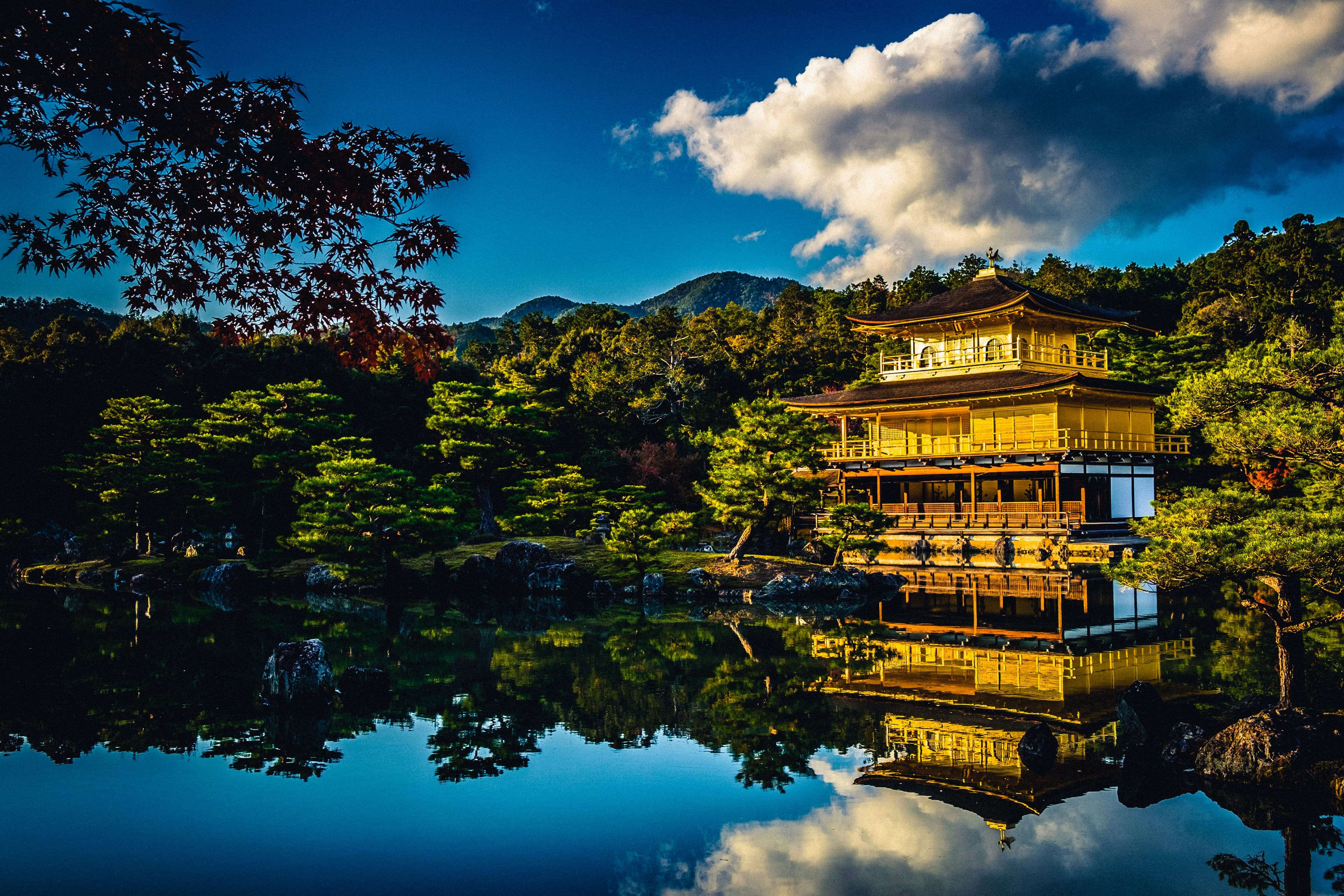
Kyoto, Japan's ancient capital and cultural heart, is a city where tradition meets tranquility. With over 1,600 Buddhist temples, 400 Shinto shrines, and countless traditional gardens, Kyoto offers visitors a profound journey into Japan's rich cultural heritage. Whether you're witnessing the ethereal beauty of cherry blossoms in spring, exploring centuries-old temples, or experiencing traditional tea ceremonies, Kyoto provides an authentic glimpse into the soul of Japan.
Why Visit Kyoto in 2025?
Kyoto continues to preserve its ancient traditions while embracing modern tourism innovations. The city has implemented new visitor management systems to protect its UNESCO World Heritage sites while ensuring an optimal experience for travelers. New digital guides and augmented reality experiences are being introduced at major temples, making cultural exploration more accessible than ever.
For those planning their journey, finding cheap flights to Kyoto has become easier with improved international connections to Osaka's Kansai International Airport. The city's commitment to sustainable tourism means you'll experience authentic Japanese culture while contributing to its preservation for future generations.
Best Time to Visit Kyoto
Kyoto's seasons each offer unique experiences, making it a year-round destination. Spring (March to May) is perhaps the most magical time, when cherry blossoms (sakura) transform the city into a pink wonderland. The peak bloom typically occurs in early April, but timing can vary by a week or two depending on weather conditions.
Autumn (October to November) brings spectacular fall foliage, with maple trees turning brilliant shades of red, orange, and gold. This season offers comfortable temperatures and fewer crowds than spring, making it ideal for peaceful temple visits and garden exploration.
Summer (June to August) can be hot and humid, but it's also when you'll find the most affordable accommodation rates. The famous Gion Matsuri festival in July offers a unique cultural experience. Winter (December to February) brings crisp, clear days perfect for temple visits, though some gardens may be less colorful.
Getting to Kyoto
Kyoto doesn't have its own international airport, but it's easily accessible from Osaka's Kansai International Airport (KIX) or Tokyo's airports. From Kansai Airport, the most convenient option is the JR Haruka Express train, which takes about 75 minutes and connects directly to Kyoto Station.
From Tokyo, the Shinkansen (bullet train) is the fastest option, taking approximately 2.5 hours from Tokyo Station to Kyoto Station. While more expensive than flying, the Shinkansen offers scenic views of Mount Fuji and the Japanese countryside, making the journey part of the experience.
Once in Kyoto, the city's efficient public transportation system makes getting around straightforward. Buses connect most major attractions, while the subway system serves the city center. For maximum flexibility, consider purchasing a one-day bus pass or a combination bus and subway pass.
Where to Stay in Kyoto
Kyoto offers accommodation options ranging from traditional ryokan (Japanese inns) to modern hotels. For an authentic Japanese experience, consider staying in a ryokan in the historic Gion district or near the temples of Higashiyama. These traditional accommodations often include tatami mat rooms, communal baths, and multi-course kaiseki meals.
The city center around Kyoto Station offers convenient access to transportation and shopping, while the Higashiyama district provides a more traditional atmosphere closer to major temples. The Arashiyama area in western Kyoto offers a peaceful retreat surrounded by bamboo groves and mountain views.
For those seeking modern comforts, the Kawaramachi and Karasuma areas offer contemporary hotels with easy access to shopping districts and restaurants. You can find excellent deals on cheap hotels in Kyoto through various booking platforms, particularly during off-peak seasons.
Getting Around Kyoto
Kyoto's public transportation system is comprehensive and tourist-friendly. City buses serve most major attractions and run frequently throughout the day. The Kyoto City Bus One-Day Pass is excellent value for visitors planning to visit multiple sites in a single day.
The subway system consists of two lines: the Karasuma Line running north-south and the Tozai Line running east-west. While the subway doesn't reach all tourist destinations, it's useful for traveling between major areas quickly.
For a more intimate experience of the city, consider renting a bicycle. Kyoto is relatively flat and many attractions are within cycling distance of each other. Bicycle rental shops are plentiful throughout the city, and many hotels also offer rental services. For those venturing beyond the city center, cheap car rentals in Kyoto are available, though driving in the historic districts can be challenging due to narrow streets.
Essential Sights and Experiences
Kinkaku-ji (Golden Pavilion)
Perhaps Kyoto's most iconic sight, Kinkaku-ji is a Zen temple whose top two floors are completely covered in gold leaf. The pavilion reflects beautifully in the surrounding pond, creating one of Japan's most photographed scenes. Originally built as a retirement villa for shogun Ashikaga Yoshimitsu in 1397, the temple was converted to a Zen temple after his death.
Visit early in the morning to avoid crowds and capture the best photographs. The temple is particularly stunning in autumn when the surrounding maple trees turn brilliant colors. While visitors cannot enter the pavilion itself, the surrounding garden offers peaceful walking paths and excellent photo opportunities.
Fushimi Inari Taisha
Famous for its thousands of vermilion torii gates, Fushimi Inari is one of Japan's most important Shinto shrines. The gates form a tunnel-like path up the mountain, creating an otherworldly atmosphere. The shrine is dedicated to Inari, the Shinto god of rice and sake, and has been a place of pilgrimage for centuries.
The main shrine complex at the base of the mountain is always crowded, but the crowds thin out as you climb higher. The entire hike to the summit takes about 2-3 hours, but you can turn back at any point. Visit early morning or evening for fewer crowds and more atmospheric lighting.
Arashiyama Bamboo Grove
The Arashiyama Bamboo Grove is one of Kyoto's most photographed locations, with towering bamboo stalks creating a natural tunnel effect. The area is particularly magical early in the morning when few visitors are present and the sunlight filters through the bamboo canopy.
Beyond the bamboo grove, the Arashiyama area offers several other attractions including the beautiful Tenryu-ji Temple, the romantic Togetsukyo Bridge, and the scenic Iwatayama Monkey Park. Consider spending a full day in this area to explore all it has to offer.
Kiyomizu-dera Temple
Perched on a hillside overlooking Kyoto, Kiyomizu-dera offers spectacular city views and is one of Japan's most celebrated temples. The temple's wooden stage, built without nails, extends over the hillside and provides a unique perspective of the surrounding landscape.
The temple complex includes several other buildings and shrines, each with its own significance. Don't miss the Jishu Shrine, dedicated to love and matchmaking, or the Otowa Waterfall, where visitors can drink from three streams representing different benefits. You can book Kiyomizu-dera tickets in advance to skip the queues and ensure your visit.
Gion District
Gion is Kyoto's most famous geisha district, where you can still see geiko (Kyoto dialect for geisha) and maiko (apprentice geisha) walking between teahouses in the evening. The district's preserved machiya (traditional wooden townhouses) and lantern-lit streets create an atmosphere of old Japan.
While geisha performances are expensive and require proper introductions, you can experience traditional Japanese culture through tea ceremonies, traditional crafts, and authentic restaurants. The area is particularly atmospheric in the evening when the lanterns are lit and the streets are quieter.
Food and Markets
Traditional Kyoto Cuisine
Kyoto is renowned for its refined kaiseki cuisine, a multi-course meal that showcases seasonal ingredients and traditional cooking techniques. Kaiseki meals typically include 8-10 courses, each carefully prepared and beautifully presented. Many ryokan and upscale restaurants offer kaiseki experiences, though reservations are essential.
Other Kyoto specialties include yudofu (hot pot with tofu), obanzai (home-style Kyoto dishes), and wagashi (traditional Japanese sweets). The city's long history as Japan's capital has resulted in a sophisticated culinary tradition that emphasizes seasonal ingredients and artistic presentation.
Nishiki Market
Known as "Kyoto's Kitchen," Nishiki Market is a narrow shopping street lined with over 100 shops and restaurants. The market specializes in fresh seafood, produce, and traditional Japanese foods, making it perfect for sampling local specialties and purchasing souvenirs.
Highlights include fresh sushi, pickled vegetables, traditional sweets, and seasonal specialties. The market is busiest in the morning when locals do their shopping, so visit early for the freshest selection and fewer crowds. Many vendors offer samples, making it a great place to try new foods.
Where to Eat
Kyoto offers dining options for every budget and preference. For traditional kaiseki cuisine, consider dining at one of the city's many ryokan restaurants or specialized kaiseki establishments. These venues often require reservations and can be expensive, but they offer an authentic taste of Kyoto's culinary heritage.
For more casual dining, the Pontocho alley and Gion district offer numerous restaurants serving traditional Japanese cuisine in atmospheric settings. The area around Kyoto Station also has many restaurants serving both Japanese and international cuisine at various price points.
Optional Day Trips
Nara
Located just 45 minutes from Kyoto by train, Nara was Japan's first permanent capital and is home to some of the country's oldest and most significant temples. The city's most famous attraction is the Great Buddha (Daibutsu) at Todai-ji Temple, housed in the world's largest wooden building.
Nara Park is famous for its free-roaming deer, which are considered sacred messengers of the Shinto gods. The park is home to several important temples and shrines, making it easy to explore multiple sites in a single day. The city's compact size makes it perfect for a day trip from Kyoto.
Osaka
Just 30 minutes from Kyoto by train, Osaka offers a completely different experience from Kyoto's traditional atmosphere. Known as Japan's kitchen, Osaka is famous for its street food, particularly takoyaki (octopus balls) and okonomiyaki (savory pancakes).
The city's modern architecture and vibrant nightlife provide a stark contrast to Kyoto's historic charm. Highlights include Osaka Castle, the Dotonbori entertainment district, and the Umeda Sky Building. Osaka is perfect for those who want to experience both traditional and modern Japan.
Mount Hiei
Located northeast of Kyoto, Mount Hiei is home to Enryaku-ji, one of Japan's most important Buddhist temple complexes. The mountain has been a center of Buddhist learning for over 1,200 years and offers spectacular views of Lake Biwa and the surrounding countryside.
Access to the mountain is via cable car from Sakamoto or by hiking trails for the more adventurous. The temple complex is extensive, so allow several hours to explore properly. The mountain is particularly beautiful in autumn when the leaves change color.
Safety, Etiquette, and Money
Safety Considerations
Kyoto is one of Japan's safest cities, with very low crime rates. However, it's important to respect local customs and traditions. When visiting temples and shrines, maintain a respectful demeanor and follow any posted rules or instructions.
The city's narrow streets and heavy tourist traffic can make navigation challenging, particularly during peak seasons. Be aware of your surroundings and respect the local residents who live in the historic districts.
Cultural Etiquette
When visiting temples and shrines, dress modestly and remove your shoes when required. Photography is usually permitted in temple grounds but may be restricted inside buildings. Always ask permission before taking photographs of people, particularly geisha or maiko.
In restaurants and shops, a simple bow and greeting in Japanese (even just "arigato gozaimasu" for thank you) is appreciated. Tipping is not expected in Japan and can actually be considered rude in some situations.
Money and Tipping
Japan is primarily a cash-based society, though credit cards are becoming more widely accepted. ATMs are available throughout the city, particularly at convenience stores and post offices. Many smaller restaurants and shops may only accept cash, so it's wise to carry sufficient local currency.
As mentioned, tipping is not expected in Japan. Instead, excellent service is considered the standard and is included in the price. If you want to show appreciation, a simple thank you in Japanese is more appropriate than a monetary tip.
Booking and Timing for 2025
Kyoto is extremely popular during cherry blossom season (late March to early April) and autumn foliage season (late October to early December). During these periods, accommodation can be difficult to find and prices are significantly higher. Book at least 6-12 months in advance for these peak seasons.
For flights, booking 3-6 months in advance typically offers the best rates. Consider flying into Osaka's Kansai Airport rather than Tokyo's airports, as it's closer to Kyoto and offers more convenient transportation options.
When planning your itinerary, allow at least 4-5 days to experience Kyoto properly. This will give you time to explore major attractions, take day trips, and experience the city's different neighborhoods. For a more relaxed experience, consider spending a week in the city.
Travel Insurance and Protection
When traveling to Kyoto, comprehensive travel insurance is essential. While Japan has excellent healthcare, medical costs can be high for visitors. Ensure your insurance covers medical expenses, trip cancellation, and lost luggage.
Additionally, consider protection for flight disruptions. Delays and cancellations can occur, especially during peak travel seasons. Services like compensation for delayed flights can help you recover costs and ensure your travel plans remain on track.
Bottom Line
Kyoto is a city that offers visitors a profound connection to Japan's cultural heritage and spiritual traditions. Its ancient temples, beautiful gardens, and preserved historic districts provide an authentic experience of traditional Japan that cannot be found elsewhere.
Whether you're witnessing the ethereal beauty of cherry blossoms, exploring centuries-old temples, or experiencing traditional Japanese culture, Kyoto offers experiences that will stay with you long after you return home. The city's commitment to preserving its heritage while welcoming visitors ensures that future generations will be able to experience its magic.
Plan your visit for 2025 to take advantage of new visitor management systems and digital experiences while experiencing the timeless beauty that has made Kyoto one of Japan's most beloved destinations. With proper planning and an open mind, your Kyoto adventure will be nothing short of transformative.