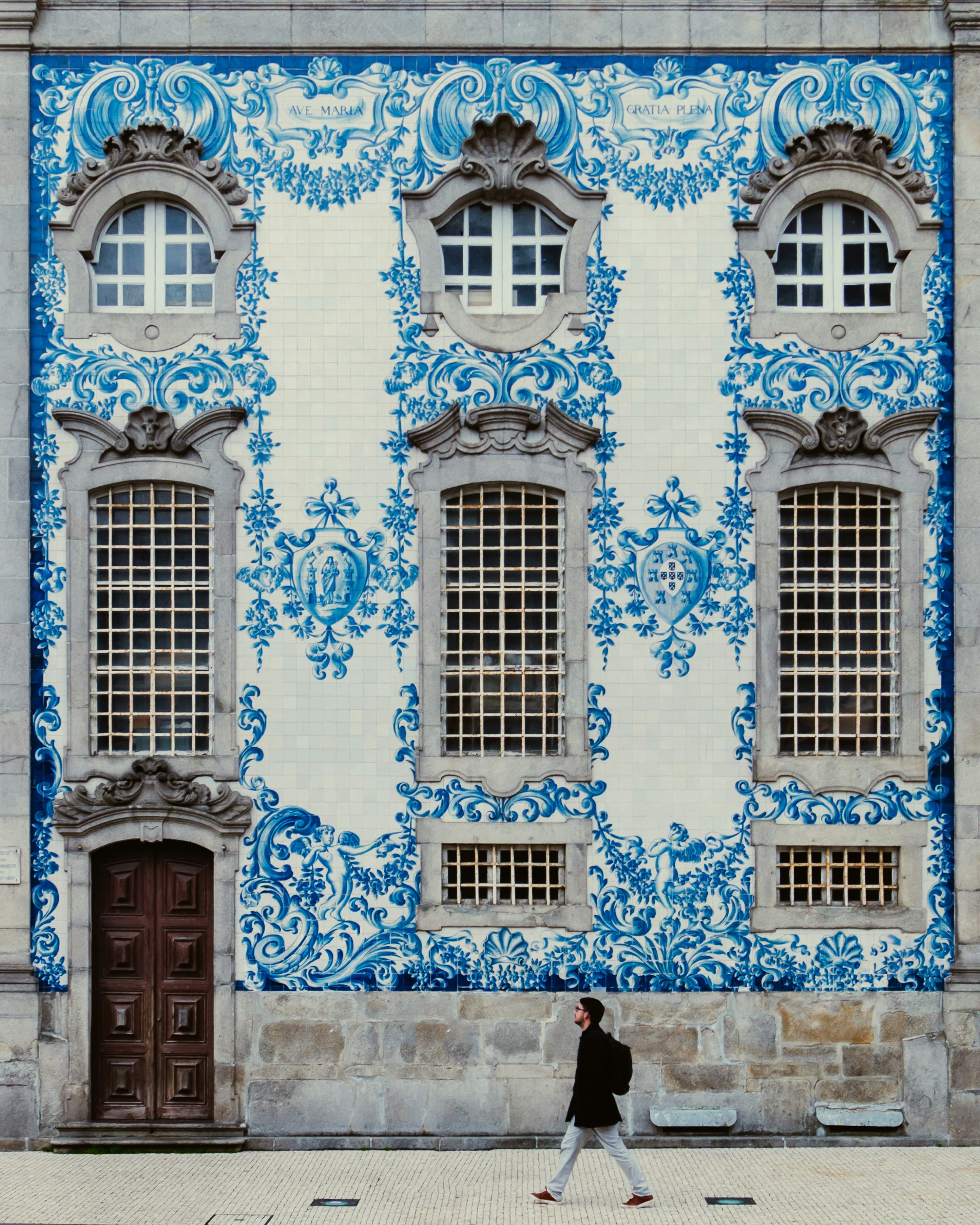
Porto is one of those rare cities that rewards your curiosity at every turn. The Douro River bends like polished steel, bright boats bob at the quays, and hillside houses tumble toward the water in a mosaic of ochres and reds. Across the iron span of the Dom Luís I Bridge lie the famed port wine cellars of Vila Nova de Gaia, and just beyond, Atlantic beaches connect sun, surf, and seafood. In 2025, Porto is running on new energy—rejuvenated tramlines, a maturing food scene that respects tradition without leaning on clichés, and a rhythm of travel that suits weekenders and slow travelers alike.
Use this in-depth, text‑only guide to plan a 2–4 day city break that balances culture with coast. We’ll cover where to stay, how to get around, what not to miss, what to eat and where to find it, a complete 2–4 day plan, optional day trips by train or boat, and practical notes on safety, etiquette, money, and seasons. Begin by locking in cheap flights to Porto, then keep compensation for delayed flights handy just in case your schedule gets bumpy.
Where to Stay: Neighborhoods and Vibes
Ribeira and São Nicolau: Riverfront Storybook
This UNESCO‑listed historic heart is scenic by design—narrow lanes, baroque churches, tile‑clad facades, and a constant river breeze. You’ll be steps from boat tours, the funicular, and the lower deck of the Dom Luís I Bridge. Boutique guesthouses and design-forward apartments lead here. Evenings are lively; expect ambient music and a pleasant hum of diners on terraces. Slopes are real—pack comfortable shoes.
Vila Nova de Gaia: Cellars, Views, and a Softer Pace
Across the river, Gaia gives you the best views back to Porto’s colorful cascade. Classic lodges and contemporary hotels sit near the cable car and riverwalk. It’s quieter after dark than Ribeira, but you’re a bridge or cable car ride from the action. Great choice for couples who want wine tastings on the doorstep and sunsets over Ribeira’s skyline.
Baixa and Aliados: Grand Avenues, Easy Access
Centered on Avenida dos Aliados, this is Porto’s handsome downtown of belle‑époque facades, granite civic buildings, and ornate cafes. You’ll have the metro, São Bento Station, bookstores, and markets close at hand. Accommodation spans classic hotels with high ceilings to stylish aparthotels. Nights are buzzy but not rowdy; ideal for travelers who want a central base without the constant foot traffic of Ribeira.
Bolhão and Santa Catarina: Shops, Sweets, and Local Life
North of Baixa, around Mercado do Bolhão and Rua de Santa Catarina, you’ll find good‑value stays, traditional pastry counters, and local shops. Street musicians animate the pedestrian lanes. Excellent for travelers who like markets, snacks, and nostalgia, with a more real‑life, less‑postcard feel.
Foz do Douro and Matosinhos: Atlantic Air
At the river’s mouth and along the coast, Foz and Matosinhos trade old‑town romance for sea light and space. Morning jogs, elegant seaside promenades, and charcoal‑grilled fish are the order of the day. Hotels are modern and breezy, with easy bus/metro links into the center. Best for longer stays or travelers who prioritize the ocean.
Getting Around: Trams, Funiculars, and Walkable Hills
Porto is compact but vertically layered. For the riverfront and bridges, walking is joy; for the steeper climbs, look to the funicular, trams, and the metro, which connects the airport and key hubs. In 2025, contactless cards and transit apps streamline fares, and ride‑hailing works as a backup at night.
- From the airport: The purple line metro runs to Trindade and Bolhão; allow ~35–40 minutes, or use a taxi/ride‑hail for late arrivals.
- Funicular dos Guindais: Saves your knees between Ribeira and Batalha; views are part of the ticket.
- Historic trams: A scenic supplement rather than a commuter staple; fun on sunny days.
- On foot: Expect cobbles, steps, and some steep lanes—rewarded with hidden tilework and small viewpoints.
- To the beaches: Bus and metro reach Foz and Matosinhos; bikes and escooters appear seasonally along the coast.
- River boats: Six‑bridges cruises give orientation. For vineyards, consider a longer Douro trip or train to Regua/Pinhão.
- Driving: Not needed in the city core; parking is tight and streets narrow. Rent only for inland day trips.
- Accessibility: Curb ramps and elevators are improving, but there are unavoidable slopes in heritage zones.
Essential Sights and Experiences
Dom Luís I Bridge
Walk the upper deck at golden hour for a panorama that stitches together Porto’s rooftops, the Douro’s sheen, and Gaia’s lodges. The lower deck keeps you close to the water and lets you feel the city’s pulse as boats glide past.
Ribeira and the Riverwalk
Ribeira’s lanes, arches, and squares merit an unhurried wander. Trace the riverfront arc to see laundry on balconies, tiled shrines tucked into corners, and cafes plating grilled sardines with crisp vinho verde.
Vila Nova de Gaia’s Cellars
Visit at least one historic lodge for a guided tasting—white, tawny, ruby, and vintage styles—paired with stories of barrels, boats, and British merchants. Book a timed slot on weekends and note that some lodges host rooftop bars with live music.
São Bento Station
Its atrium is wrapped in blue‑and‑white azulejos depicting royal pageants, monastic scenes, and railway history. Step outside to admire the curve of the square and the flow of trams.
Clerigos Tower and Church
Climb for a bell‑level view that narrows the city to roofs and light. Nearby, the narrow lanes hide cafes pouring strong espresso and counters selling egg yolk sweets.
Porto Cathedral (Sé do Porto)
Part fortress, part cathedral, with a terrace that gives you a head‑on view of the bridge. The cloister tiles are a quiet highlight.
Foz Promenade and Beaches
Where the river meets the Atlantic, watch waves fold and lighthouses blink. Continue to Matosinhos for a grilled‑fish lunch, then walk the boardwalks back at sunset.
Food and Markets: What to Eat and Where
Porto cooks with charcoal, olive oil, and patience. Expect fish straight from the dock, wood‑smoke from grills, and a pastry culture that leans creamy and egg‑rich. Pair meals with vinho verde, Douro reds, and, when dessert arrives, a small glass of tawny.
- Mercado do Bolhão: A refurbished market where greengrocers, cheesemongers, and fishmongers share space with lunch counters and specialty bakers. Go early for snapshots of daily life.
- Matosinhos grills: Streets near the fish market perfume the air with sardines, sea bream, and octopus. Look for smoke, long queues, and paper‑covered tables.
- Iconic bites: Bolas de Berlim, pão de ló, rissóis, octopus salad, slow‑braised tripe, and caldo verde. For sandwiches, try a balanced, house‑made version of francesinha.
- Wine: Taste beyond port—Douro whites are crisp, reds structured, and vinho verde zesty with seafood.
- Sweet shops: Seek century‑old counters for custard creations and modern patisseries reinterpreting classics.
- Helpful links: cheap flights to Porto · compensation for delayed flights
A Smart 2–4 Day Plan
Day 1: River, Tiles, and First Tastings
- Morning: Ribeira wander and São Bento’s azulejos; espresso at a standing counter.
- Midday: Cross the lower deck of Dom Luís I to Gaia; light lunch on the river.
- Afternoon: Booked tasting at a historic cellar; rooftop viewpoint for photos.
- Evening: Upper‑deck bridge walk at sunset; dinner in Baixa.
Day 2: Towers, Markets, and the Atlantic
- Morning: Clerigos ascent and church visit; pastry stop near Lello’s lanes.
- Midday: Mercado do Bolhão for a grazing lunch—cheese, olives, and a warm dish.
- Afternoon: Tram or bus to Foz; lighthouse walk; continue to Matosinhos for grills.
- Evening: Back to Porto by metro; wine bar crawl focused on Douro and Minho.
Day 3: Churches, Viewpoints, and Hidden Corners
- Morning: Cathedral terrace and cloister; meander through Morro da Sé lanes.
- Midday: Picnic ingredients from a downtown grocer; lunch on shaded steps above the river.
- Afternoon: Tram museum or a contemporary art gallery; coffee in Miragaia.
- Evening: Tasting menu or seafood feast; night photos from the bridge.
Day 4 (Optional): Vineyards or a Deeper City Dive
- Douro day trip: Early train to Regua or Pinhão; vineyard lunch and river views. Book a seat on the right‑hand side outbound.
- Architecture and design: Track Rem Koolhaas’s Casa da Música and Serralves Museum/park.
- Beaches circuit: Tide‑timed beach hopping with a seafood finale.
Optional Day Trips
Douro Valley by Train
Cheap, scenic, and low‑stress. Pinhão rewards with terraced vineyards and river reflections. Reserve tastings ahead and allow slack between connections.
Guimarães
Birthplace of the nation lore, with a compact medieval core, a sturdy castle, and a palace of polished timber. An easy train ride and a good foil to Porto’s maritime profile.
Braga
Baroque facades, gardens, and the sweeping staircase of Bom Jesus. Combine with Guimarães if you move fast, or give Braga its own leisurely day.
Safety, Etiquette, Money, and Seasonality
Safety
- Porto is broadly safe; expect standard city awareness in busy tourist strips.
- Hills and cobbles get slippery in rain—wear treaded shoes and watch steps.
- At night, prefer lit routes along main streets or the riverwalk.
- On beaches, mind currents and follow lifeguard flags.
Etiquette
- Queue patiently for trams and tastings; book timed slots at popular cellars.
- Inside churches, dress modestly and lower your voice.
- Tipping is modest—round up or leave 5–10% for table service; cash is appreciated.
- Say “bom dia/boa tarde/boa noite” in shops; English is widely understood in central areas.
Money
Cards and contactless are standard in 2025, though small pastry counters may prefer cash. Transit accepts contactless taps on select lines. Keep coins for funiculars, small cafes, and church donations.
Seasonality
- Spring: Blossoms and mild days—ideal for viewpoints and beach walks.
- Summer: Warmer and livelier; book seaside meals and tastings early.
- Autumn: Grape harvest energy; vineyards are at their most atmospheric.
- Winter: Clear, cool, and great for crowd‑free museums and river light after rain.
- Rain: Quick squalls; carry a compact umbrella and tread carefully on polished stone.
Booking and Timing for 2025+
Reserve city‑center stays a few weeks ahead for spring and autumn weekends; coastal hotels slim down in winter but bounce back in summer. Pre‑book cellar tours at peak times, and anchor plans around museum closures and transit schedules. Start by comparing cheap flights to Porto, and keep compensation for delayed flights in mind if disruptions strike.
The Bottom Line
Porto reads like a riverside novel—old stone, iron spans, and an Atlantic ending. Give yourself two days for the essentials and up to four if you want vineyards and beaches. Eat with the seasons, climb a few towers, and cross the bridge at sunset. In 2025, the city feels ready for you—intimate, walkable, and deeply satisfying.