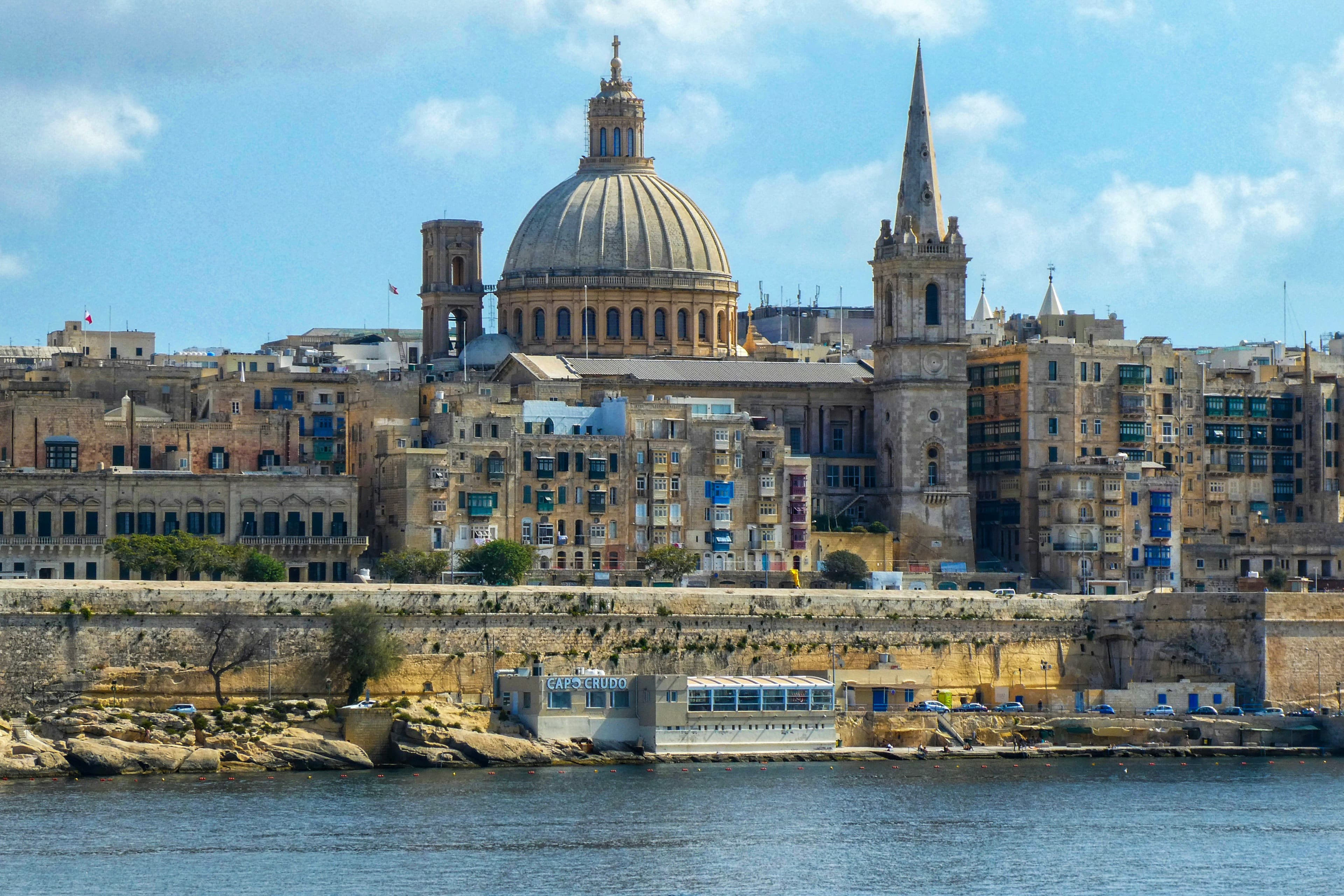
Valletta compresses centuries into a small, walkable grid of limestone streets, timber balconies, glowing domes, and bastion walls that catch daylong sun. In 2025, the capital of Malta is as effortless as a Mediterranean city break can be: compact but layered, historic but lively, with ferries and buses that make the entire archipelago feel within arm’s reach. This text-only guide lays out everything you need to plan a polished, appetite-forward trip: where to stay, how to glide around, what to see and taste, optional day trips to coast and countryside, the practical ground rules (safety, etiquette, money, and seasonality), and booking strategy for 2025+. Start by scanning cheap flights to Valletta, keep compensation for delayed flights in your back pocket for weather hiccups, lock essentials like St. John's Co-Cathedral tickets, and compare cheap car rentals in Valletta if you want to stitch together blue bays and hilltop towns in a single day. For stays, browse flexible options and neighborhood maps with best hotel deals in Valletta; Valletta rewards central bases and slow evenings.
Where to Stay: Valletta Core, Sliema Waterfront, St. Julian’s Energy, or the Three Cities
Valletta (Within the Walls)
Sleep inside the 16th-century grid and live the city by foot: Upper and Lower Barrakka Gardens, St. John’s Co-Cathedral, the Grand Master’s Palace, and teasing glimpses of the harbor from steep side streets. Hotels here are townhouse conversions, boutique palazzi, and contemporary rebuilds in heritage shells—rooms can be cozy but atmospheric, often with roof terraces.
- Best for: First-timers, culture fans, travelers who value sunrise walks and balcony views over square meters.
- Consider: Steps, narrow lifts, and occasional festival noise; book higher floors and interior rooms for quiet.
- Tip: Filter for terrace access and grab flexible rates on best hotel deals in Valletta for shoulder-season agility.
Sliema (Marsamxett Side)
Sliema makes a great counterpart to Valletta: a long seafront promenade, frequent ferries to the capital, and larger hotels with sea-facing rooms and easier access for rolling luggage. Restaurants and cafés are plentiful; sunsets across Marsamxett Harbor frame Valletta’s skyline in rose and gold.
- Best for: View seekers, families, longer stays, and those who want elevators and consistent amenities.
- Consider: More modern towers; choose corners and upper floors for horizon views.
- Tip: Walk the promenade toward St. Julian’s for a gentle evening and count ferries as transit rather than tourist rides.
St. Julian’s and Paceville
Restaurants cluster, nightlife pulses, and waterfront curves hold beach clubs and small coves. Hotels range from design-forward to resort-style. It’s an energetic hub with a direct bus pipeline to Valletta and onward to northern beaches.
- Best for: Groups, sociable couples, travelers who like a broad dining map and late options.
- Consider: Noise and weekend crowds; request quiet wings and double-check cancellation policies.
- Tip: Use Valletta for daytime museums and garden time, and return here for dinners and a nightcap.
Three Cities (Vittoriosa, Senglea, Cospicua)
Across the Grand Harbor, the Three Cities offer harbor views, maritime history, and a slower, village-like cadence. Boutique guesthouses tuck into alleys and along waterfronts. Valletta is a quick ferry hop away; evenings feel local.
- Best for: Repeat visitors, photographers, travelers who prefer quiet nights and morning walks near water.
- Consider: Fewer elevators, more steps; check room layouts and arrival instructions carefully.
- Tip: Aim for Senglea’s Gardjola Gardens or Vittoriosa’s waterfront for balcony breakfasts over the harbor.
Getting Around: Ferries, Buses, and Walkable Stone
Valletta runs on foot, ferry, and bus. Streets are short but can be steep; limestone gets slick after rain. Transit in 2025 is contactless-forward, schedules are reliable, and taxis or rideshares fill in gaps after late dinners.
- Airport: Buses connect Malta International Airport (MLA) to Valletta in about 25–30 minutes; taxis save time with luggage or late arrivals.
- Ferries: Valletta–Sliema and Valletta–Three Cities are scenic, quick, and cheap; treat them as daily transport and golden-hour cruises in one.
- Bus: Valletta is a hub; routes radiate across the island to Mdina, Marsaxlokk, Ħaġar Qim, and northern bays.
- On foot: Expect steps and gradients; bring shoes with tread and a hat for noon sun.
- Driving: Skip for the core; parking is limited and streets are narrow. For island loops, consider cheap car rentals in Valletta—pick automatic cars and check insurance details for smaller roads.
- Accessibility: Valletta’s grid has slopes and stair streets; many museums have step-free entries or lifts—check ahead for specifics.
Essential Sights and Experiences
St. John’s Co-Cathedral
Plain outside, radiant within: gilded walls, inlaid marble tomb slabs, and side chapels that celebrate the Knights. Caravaggio’s works, including the monumental Beheading of Saint John the Baptist, live here. Reserve St. John's Co-Cathedral tickets to time your visit and avoid coach waves.
Upper Barrakka Gardens and the Saluting Battery
One of the Mediterranean’s finest urban balconies. Arched walkways open to cinematic views over the Grand Harbor, and the Saluting Battery fires a ceremonial cannon most days. Arrive early or at golden hour; shade and benches make it a perfect pause.
Grand Harbor Circuit
Walk or ferry-hop along the harbor edges for layered views of bastions, shipyards, and church domes. The light changes hourly across the limestone—photographers thrive here.
National Museum of Archaeology
A concise yet astonishing collection that places the islands in deep time: Neolithic figurines, temple models, and artifacts from sites like Ħaġar Qim and Mnajdra. It’s an ideal preface before a day trip to the megalithic temples.
Lascaris War Rooms
An underground command complex that directed defense during the Second World War. Tunnels, planning rooms, and stories of radar and convoy protection give Valletta another layer.
Strait Street
Once sailors’ territory, now a narrow ribbon of bars, bistros, and small music venues. Evenings are lively but intimate; a good place to digest a day’s worth of stone and sea air.
Manoel Theatre
Among Europe’s oldest working theaters, with a jewel-box interior and a varied program. If your dates align, an evening performance becomes a highlight.
Food and Markets: Bayside Lunches and Balcony Dinners
Maltese cuisine speaks Mediterranean with local accent: tomatoes and capers, rabbit stews and ricotta, olive oil and sea fish. The best way to eat is to accept the rhythm—light markets in the morning, a proper lunch, a late espresso, then dinner when stone streets cool. Valletta’s compactness puts bakeries, bars, and bistros minutes apart.
- Is-Suq Tal-Belt (Covered Market): A bright, restored hall with local produce and global counters—ideal for grazing lunches or a weather-proof snack stop.
- Sunday in Marsaxlokk: Fish market energy and harborside lunches. Arrive early, walk the stalls, and pick a promenade table.
- Seasonal sweets: Look for imqaret (date pastries) and ricotta-filled treats after dinner.
- Helpful links: best hotel deals in Valletta · cheap car rentals in Valletta · St. John's Co-Cathedral tickets · cheap flights to Valletta · compensation for delayed flights
A Practical 3–4 Day Plan
Day 1: Valletta’s Core and Co-Cathedral
- Morning: Upper Barrakka Gardens at opening, then terrace coffee with harbor views.
- Midday: St. John’s Co-Cathedral with prebooked St. John's Co-Cathedral tickets; lunch at Is-Suq Tal-Belt or a side-street trattoria.
- Afternoon: National Museum of Archaeology; slow wander through bastions and narrow lanes.
- Evening: Strait Street aperitifs and a long dinner; night views from the bastion walls.
Day 2: Three Cities and the Water’s Edge
- Morning: Ferry to Vittoriosa; walk the waterfront and climb to viewpoints in Senglea’s Gardjola Gardens.
- Midday: Maritime Museum or back to Valletta for Lascaris War Rooms; balcony sandwiches under shade.
- Afternoon: Grand Harbor circuit by ferry, timing for best light and breezes.
- Evening: Dinner in Valletta or a casual harbor restaurant in the Three Cities; last ferry home.
Day 3: Temples and Blue Bays
- Morning: Ħaġar Qim and Mnajdra (book ahead and monitor sun exposure). If you want flexibility, consider cheap car rentals in Valletta for the day.
- Midday: Blue Grotto viewpoints and a quick swim stop if seas are calm.
- Afternoon: Return via Marsaxlokk for a late lunch and a slow harbor walk.
- Evening: Roof-terrace dessert in Valletta or a quiet drink near the bastions.
Day 4 (Optional): Gozo or Mdina–Rabat
- Gozo: Ferries and buses make a long day possible; a car shortens transfers. Focus on Victoria (Citadel), Xlendi or Marsalforn bays, and a coastal walk.
- Mdina–Rabat: The “Silent City” pairs perfectly with lunch in Rabat; stroll walls and alleys under late light.
Optional Day Trips in Detail
Gozo (Għawdex)
Greener and slower than Malta proper, Gozo rewards improvised days—small coves, terraced hills, and compact towns. Victoria’s Citadel offers radius views; coastal paths near Xlendi open a low-stress hike with cliff light and sea spray. If you plan a multi-stop day, a car saves transfers and lets you time swims with the sun.
Mdina and Rabat
Mdina’s golden walls glow at sunset; visit late afternoon for warm light and fewer day-trippers. A loop through Rabat adds cafés and catacombs for a tidy cultural day.
Marsaxlokk and the South
Colorful boats, waterside lunches, and a market that hums on Sundays. Pair with the Blue Grotto and quiet bays along the south coast for a varied day without long drives.
Comino (Blue Lagoon)
Glass-blue water and a small island with trails and rock ledges for lounging. Summer crowds arrive by mid-morning; aim for first boats, shoulder weeks, or late-afternoon returns when boats thin.
Safety, Etiquette, Money, and Seasonality
Safety
- Valletta and Sliema are broadly safe; standard awareness applies at night and in festival crowds.
- Limestone gets slick when wet; wear treaded shoes on slopes and stairs.
- Summer sun is strong; hats, water, and salt breaks matter as much as museum entries.
Etiquette
- Greetings and patience go far; queues at ferry landings and market stalls are friendly and orderly.
- Dress respectfully for churches—covered shoulders and quiet voices inside.
- Tipping is modest; round up or add ~10% for table service at sit-down dinners.
Money
Cards and contactless payments are standard across the islands in 2025. Buses and ferries accept contactless or passes; small cash helps for independent kiosks, boat rides, and rural cafés. ATMs are plentiful around Valletta’s gate and Sliema’s seafront.
Seasonality
- Spring: Mild days and cool evenings; a prime time for temples and long walks.
- Summer: Long light and warm seas; book St. John's Co-Cathedral tickets and dinners ahead, and pace the day with shade.
- Autumn: Soft swims and calmer markets; a sweet spot for island-hopping without peak heat.
- Winter: Quiet museums, wind, and dramatic light over the Grand Harbor; pack a shell for squalls.
Planning and Booking for 2025+
Secure headline entries such as St. John's Co-Cathedral tickets for mid-morning or late-afternoon slots. For city breaks, reserve rooms 4–8 weeks ahead; for high summer and festival periods, push earlier. Use fare alerts and flexible dates to surface cheap flights to Valletta. Keep compensation for delayed flights saved in case fronts sweep across the central Med and ripple the schedule. If your plan weaves temples, bays, and villages into one day, compare policies and one-way options with cheap car rentals in Valletta. For hotels, start with best hotel deals in Valletta to map neighborhoods and filter for terraces, lifts, and cancellation clarity—exactly the details that make Valletta days feel effortless.
Neighborhood Deep Dives
Republic Street and Merchant Street
Valletta’s spines carry you past cafés, boutiques, and museum doors. Slip down side streets for sudden harbor views and quieter corners. Mornings belong to coffee and markets; late evenings are for slow walks under lit arches.
Lower Valletta and the Waterfront
Below the main grid, warehouses and arches have turned into promenades and dining spots. Watch ferries draw arcs across the water and listen for the battery’s echo in the afternoon.
Fort St. Elmo and the National War Museum
The point of the peninsula hosts a layered fort whose museum threads Malta’s maritime story into the modern era. Pair with a harbor walk and a sunset bench in the gardens.
Concise Bottom Line
Valletta is a city for walkers, balcony lingerers, ferry hoppers, and museum grazers. Plan lightly but book the anchors, time the day around light and heat, and keep nights open for stone-glow ambles and long conversations. In 2025 and beyond, Valletta’s gifts stack neatly: a harbor that frames every view, temples and villages within an easy hour, and a compact grid that rewards curiosity with every turn.