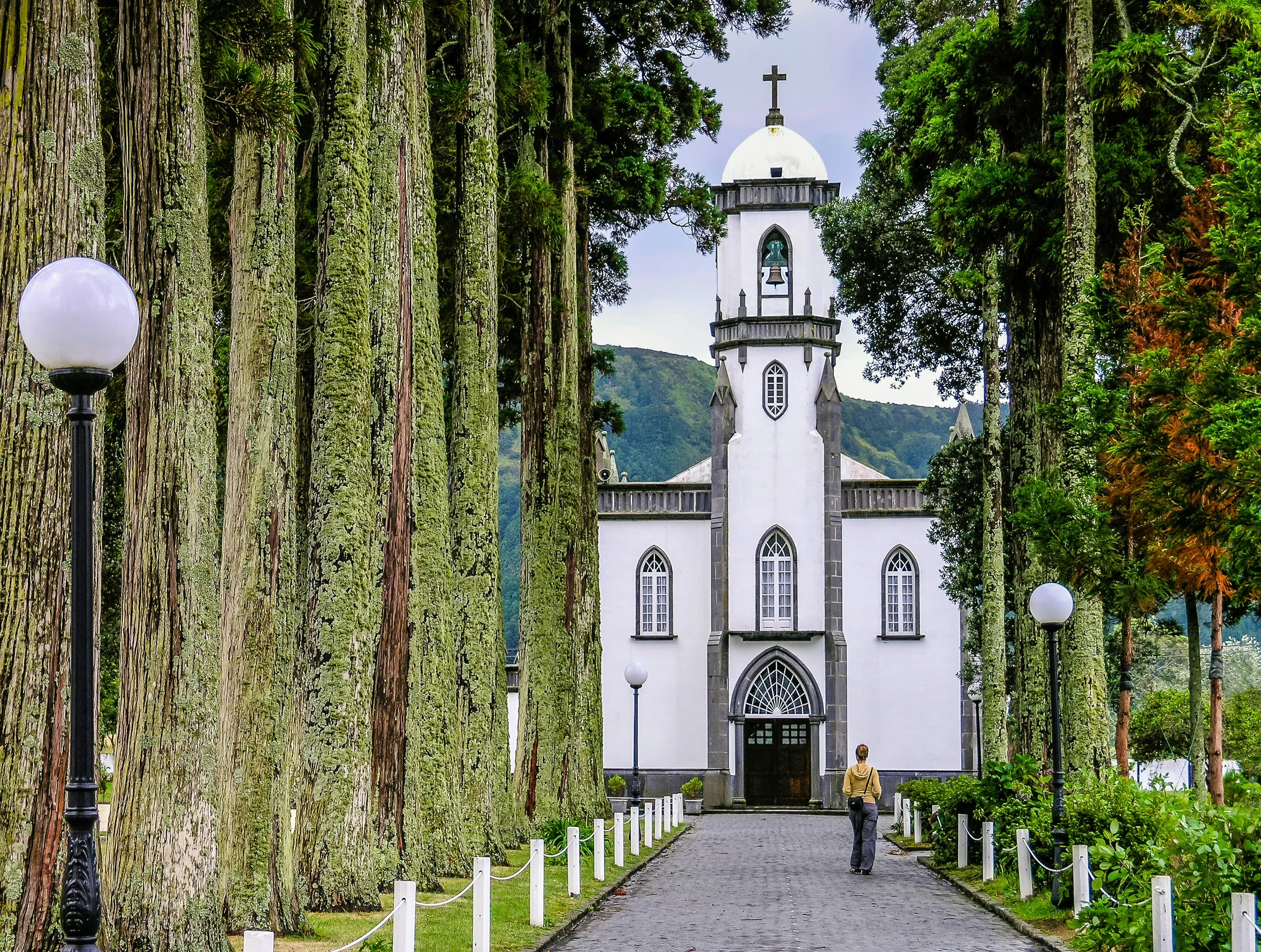
The Azores archipelago, a remote Portuguese territory in the middle of the Atlantic Ocean, offers an unparalleled blend of volcanic landscapes, pristine nature, and authentic island culture. This comprehensive guide will help you plan the ultimate 5-7 day adventure across these nine stunning islands, where you'll discover everything from bubbling hot springs to majestic whale encounters and dramatic volcanic craters.
Why Visit the Azores in 2026?
2026 presents the perfect opportunity to explore the Azores before they become mainstream. With improved flight connections, sustainable tourism initiatives, and the islands' commitment to preserving their natural beauty, you'll experience authentic Portuguese island life without the crowds of more popular European destinations. The Azores offer year-round mild temperatures, making them ideal for outdoor adventures regardless of when you visit.
Essential Planning: When to Go and How to Get There
Timing your Azores adventure requires careful consideration of weather patterns and seasonal activities. The islands experience a mild oceanic climate with temperatures ranging from 14°C (57°F) in winter to 25°C (77°F) in summer. While summer brings the most reliable weather for outdoor activities, spring offers spectacular wildflower displays, and autumn provides excellent whale watching opportunities.
Best Time to Visit
March to May: Spring brings mild temperatures, blooming hydrangeas, and fewer tourists. This is ideal for hiking and exploring the islands' natural beauty.
June to August: Peak season with the warmest weather, perfect for swimming, diving, and outdoor adventures. Book accommodations well in advance.
September to November: Excellent whale watching, comfortable temperatures, and beautiful autumn colors. This is often considered the best time for nature enthusiasts.
December to February: Quieter season with occasional rain, but still pleasant for exploring. Some activities may be weather-dependent.
Getting to the Azores
Reaching the Azores has become significantly easier in recent years. The main gateway is Ponta Delgada Airport (PDL) on São Miguel Island, which receives direct flights from several European cities.
From Europe: TAP Portugal, Azores Airlines, and Ryanair offer direct flights from Lisbon, Porto, London, Frankfurt, and other major cities. Flight times range from 2-4 hours depending on your departure point.
From North America: Azores Airlines operates seasonal flights from Boston and Toronto, while TAP Portugal connects through Lisbon from various US cities.
Inter-island travel: Once in the Azores, Azores Airlines provides regular flights between islands, though ferry services offer a more scenic and affordable alternative for nearby islands.
Where to Stay: Accommodation Options Across the Islands
Accommodation in the Azores ranges from luxury boutique hotels to charming guesthouses and traditional Azorean homes. Each island offers unique lodging experiences that reflect the local culture and landscape.
Luxury Accommodations
Furnas Boutique Hotel (São Miguel): Nestled in the volcanic valley of Furnas, this 4-star hotel offers thermal pools, spa treatments, and stunning views of the surrounding mountains. Perfect for couples seeking romance and relaxation.
Azor Hotel (São Miguel): Located in Ponta Delgada with panoramic ocean views, this modern hotel combines contemporary design with traditional Azorean hospitality. The rooftop pool and restaurant are highlights.
Quinta da Magnólia (Terceira): A restored 19th-century manor house offering elegant rooms and extensive gardens. The property includes a chapel and traditional Azorean architecture.
Mid-Range Options
Hotel do Canal (Faial): Overlooking the marina in Horta, this hotel provides comfortable rooms and easy access to the island's main attractions. The restaurant serves excellent local seafood.
Casa da Madalena (Pico): A charming guesthouse in the heart of Madalena, offering cozy rooms and a warm family atmosphere. Perfect for experiencing authentic Azorean hospitality.
Hotel Angra (Terceira): Located in the historic center of Angra do Heroísmo, this hotel combines comfort with easy access to UNESCO World Heritage sites.
Getting Around: Transportation Between and Within Islands
Navigating the Azores requires a combination of air travel, ferries, and local transportation. While the islands may seem small, efficient planning is essential to maximize your time exploring their diverse landscapes.
Inter-Island Transportation
Flights: Azores Airlines operates regular flights between the main islands. While convenient, flights can be expensive and are subject to weather conditions. Book in advance, especially during peak season.
Ferries: Atlanticoline operates ferry services between nearby islands, offering a more scenic and affordable option. Routes include São Miguel to Santa Maria, Faial to Pico, and Pico to São Jorge.
Planning Tips: Consider island proximity when planning your itinerary. São Miguel and Santa Maria are close enough for day trips, while the central group (Faial, Pico, São Jorge) can be explored together efficiently.
Getting Around Individual Islands
Car Rental: Renting a car is highly recommended for exploring the islands independently. Roads are well-maintained, though some rural areas feature narrow, winding routes. Book in advance, especially during peak season.
Public Transportation: Limited bus services operate on larger islands, but schedules are infrequent and routes don't cover all tourist attractions. Not recommended for efficient sightseeing.
Guided Tours: For specific activities like whale watching or hiking, guided tours provide transportation and expert knowledge. These are particularly valuable for accessing remote locations.
Essential Sights and Experiences: Must-See Attractions
Each Azorean island offers unique experiences that showcase the archipelago's volcanic origins, rich maritime history, and stunning natural beauty. From the dramatic landscapes of São Miguel to the historic charm of Terceira, prepare to be amazed by the diversity of experiences available.
Natural Wonders
Lagoa das Sete Cidades (São Miguel): This iconic twin lake, formed in a volcanic crater, offers one of the most photographed views in the Azores. The blue and green lakes, separated by a narrow strip of land, create a stunning contrast against the surrounding mountains. Hiking trails around the crater rim provide spectacular panoramic views.
Furnas Valley (São Miguel): A geothermal wonderland featuring bubbling mud pools, hot springs, and the famous Cozido das Furnas, a traditional stew cooked underground using volcanic heat. The Terra Nostra Botanical Garden showcases exotic plants and offers thermal pool bathing.
Pico Mountain (Pico): Portugal's highest peak at 2,351 meters, this stratovolcano offers challenging hiking opportunities and breathtaking views across the central islands. The lunar-like landscape at the summit provides a unique perspective on the archipelago's volcanic origins.
Capelinhos Volcano (Faial): The site of a 1957-58 volcanic eruption that dramatically changed the island's landscape. The visitor center and hiking trails offer insights into volcanic activity and the island's recovery process.
Cultural and Historical Sites
Angra do Heroísmo (Terceira): A UNESCO World Heritage site featuring well-preserved 16th-century architecture, colorful houses, and historic churches. The city's strategic location made it an important port during the Age of Discovery.
Horta Marina (Faial): Famous among sailors worldwide, this marina features colorful murals painted by visiting yachtsmen. The Peter Café Sport, a legendary sailors' bar, offers maritime memorabilia and excellent local cuisine.
Ponta Delgada (São Miguel): The archipelago's largest city combines historic charm with modern amenities. The Portas da Cidade (City Gates) and São Sebastião Church showcase traditional Azorean architecture.
Unique Experiences
Whale Watching: The Azores are one of the world's premier whale watching destinations, with over 20 species visiting the waters annually. Horta and Ponta Delgada offer professional tours that respect marine life and provide educational insights.
Thermal Bathing: Take advantage of the islands' geothermal activity by visiting thermal pools and hot springs. Poça da Dona Beija in São Miguel and the natural pools in São Jorge offer therapeutic relaxation.
Wine Tasting: Pico Island's UNESCO-listed vineyards produce unique wines from grapes grown in volcanic soil. Visit local wineries to sample these distinctive vintages and learn about traditional cultivation methods.
Food and Markets: Culinary Delights of the Azores
Azorean cuisine reflects the islands' Portuguese heritage, maritime location, and volcanic landscape. Fresh seafood, locally grown produce, and traditional cooking methods create a unique culinary experience that's both comforting and adventurous.
Traditional Dishes
Cozido das Furnas: This iconic dish from São Miguel features various meats, vegetables, and sausages slow-cooked underground using volcanic heat. The result is incredibly tender meat with a unique smoky flavor that's impossible to replicate elsewhere.
Lapas Grelhadas: Grilled limpets, a local delicacy served with garlic butter and lemon. These small mollusks are abundant in the Azores and offer a taste of the islands' maritime bounty.
Bife no Caco: A traditional sandwich from São Miguel featuring tender beef steak served on local bread with garlic butter. This hearty dish reflects the islands' ranching heritage.
Queijo da Ilha: Each island produces its own variety of cheese, with São Jorge's aged cheese being particularly famous. Sample different varieties to appreciate the subtle differences influenced by local conditions.
Local Markets and Food Shopping
Mercado da Graça (Ponta Delgada): This historic market offers fresh produce, local cheeses, and traditional crafts. Visit early morning to see local fishermen selling their daily catch and farmers displaying seasonal fruits and vegetables.
Mercado Municipal (Horta): Faial's main market showcases local products and offers an authentic glimpse into daily Azorean life. The market building itself is an architectural gem worth admiring.
Local Farms: Many islands feature small family farms where you can purchase fresh produce, homemade jams, and traditional preserves. These provide excellent souvenirs and support local communities.
Optional Day Trips: Extending Your Azores Adventure
While each Azorean island offers plenty to explore independently, day trips to neighboring islands can enhance your experience and provide different perspectives on the archipelago's diversity. These excursions require careful planning but offer rewarding experiences.
From São Miguel
Santa Maria Day Trip: The southernmost island offers golden beaches, historic villages, and a different climate from the other islands. The 2.5-hour ferry journey provides scenic views and the opportunity to experience two distinct island environments in one trip.
Furnas Valley Extended Exploration: While accessible from Ponta Delgada, spending a full day in Furnas allows you to explore the valley's many attractions, including multiple hiking trails, thermal pools, and the opportunity to witness the Cozido das Furnas preparation process.
Central Group Island Hopping
Faial to Pico: These neighboring islands are easily accessible by ferry, allowing you to experience both islands' unique characteristics. Pico's mountain and vineyards contrast beautifully with Faial's volcanic landscapes and maritime culture.
Pico to São Jorge: A short ferry ride connects these islands, offering the opportunity to experience São Jorge's dramatic coastline, traditional villages, and famous cheese production.
Safety, Etiquette, and Practical Considerations
While the Azores are generally safe and welcoming, understanding local customs and practical considerations will enhance your experience and help you avoid common tourist pitfalls.
Safety Guidelines
Hiking Safety: Many hiking trails traverse remote areas with limited mobile coverage. Always inform someone of your plans, carry adequate water and supplies, and check weather conditions before setting out. Some trails require permits or guided access.
Water Safety: Ocean currents around the islands can be strong and unpredictable. Swim only at designated beaches and heed local warnings. Many natural pools and coastal areas lack lifeguard services.
Road Safety: Island roads can be narrow and winding, particularly in rural areas. Drive cautiously, especially during adverse weather conditions. Many roads lack street lighting, making night driving challenging.
Local Etiquette and Customs
Greetings: Azoreans are generally warm and welcoming. A simple "Bom dia" (good morning) or "Boa tarde" (good afternoon) goes a long way in establishing friendly relations.
Dining Customs: Meals are social occasions in Azorean culture. Take time to enjoy your food and engage with locals. Tipping is appreciated but not mandatory, with 10% being customary for good service.
Respect for Nature: The islands' natural beauty is carefully preserved. Stay on designated trails, avoid disturbing wildlife, and dispose of waste properly. Many areas are protected and require special permits for access.
Seasonality and Weather: Planning Around Nature's Rhythms
Understanding the Azores' seasonal patterns is crucial for planning activities and managing expectations. The islands' oceanic climate creates distinct seasons that influence everything from outdoor activities to wildlife viewing opportunities.
Spring (March to May)
Weather Conditions: Temperatures range from 14-20°C (57-68°F) with moderate rainfall. Days are gradually lengthening, providing more daylight for exploration.
Natural Highlights: Wildflowers bloom across the islands, creating spectacular displays of color. Hydrangeas, azaleas, and other native plants transform the landscape into a botanical paradise.
Activities: Excellent hiking conditions with comfortable temperatures and beautiful scenery. Whale watching begins to pick up as migratory species return to Azorean waters.
Summer (June to August)
Weather Conditions: Warmest temperatures of 20-25°C (68-77°F) with minimal rainfall. Long daylight hours maximize exploration time.
Natural Highlights: Lush vegetation reaches its peak, creating ideal conditions for outdoor photography. Ocean temperatures are comfortable for swimming and water activities.
Activities: Peak season for all outdoor activities, including hiking, swimming, diving, and whale watching. Festivals and cultural events are frequent during this period.
Autumn (September to November)
Weather Conditions: Temperatures gradually cool to 18-22°C (64-72°F) with increasing rainfall. Days become shorter but remain pleasant for outdoor activities.
Natural Highlights: Autumn colors create beautiful landscapes, particularly in forested areas. Ocean temperatures remain comfortable for swimming until late October.
Activities: Excellent whale watching continues, with some species remaining in Azorean waters until December. Hiking conditions remain good with fewer crowds.
Booking and Timing for 2026: Securing Your Azores Adventure
Planning ahead is essential for a successful Azores adventure, particularly during peak season when accommodations and activities book quickly. Understanding the booking landscape will help you secure the best experiences at reasonable prices.
Accommodation Booking Timeline
Peak Season (June to August): Book accommodations 6-12 months in advance, especially for popular hotels and unique properties. Many boutique hotels have limited capacity and fill quickly.
Shoulder Seasons (Spring and Autumn): 3-6 months advance booking is usually sufficient, though popular properties may still require earlier reservations.
Low Season (Winter): 1-3 months advance booking is typically adequate, though some properties may close or reduce services during this period.
Activity and Tour Reservations
Whale Watching Tours: Book 2-4 weeks in advance during peak season, as these popular tours have limited capacity and strict safety regulations. Weather-dependent cancellations are common, so maintain flexibility in your schedule.
Guided Hiking Tours: Reserve 1-2 weeks ahead, particularly for specialized routes or areas requiring permits. Some trails have daily visitor limits to protect sensitive environments.
Restaurant Reservations: Popular restaurants, especially those serving traditional Azorean cuisine, should be booked 1-2 weeks in advance during peak season.
Bottom Line: Why the Azores Should Be Your Next Adventure
The Azores represent one of Europe's last undiscovered treasures, offering an authentic island experience that combines natural wonders, cultural richness, and outdoor adventure in a setting that feels worlds away from mainland Europe. This archipelago provides the perfect balance of accessibility and authenticity, making it ideal for travelers seeking unique experiences without sacrificing comfort or safety.
What makes the Azores truly special is their ability to surprise and delight visitors with experiences that can't be found elsewhere. From swimming in volcanic hot springs to watching whales breach just offshore, every day brings new discoveries that connect you to the islands' unique geology and maritime heritage. The combination of dramatic landscapes, warm local hospitality, and relatively uncrowded attractions creates an experience that feels both adventurous and intimate.
For 2026, the Azores offer particular appeal as they continue to develop their tourism infrastructure while maintaining their authentic character. Improved flight connections make the islands more accessible than ever, while sustainable tourism initiatives ensure that visitors can enjoy the archipelago's beauty without contributing to overtourism. Whether you're seeking a romantic getaway, an active adventure, or a peaceful retreat into nature, the Azores provide the perfect setting for creating lasting memories.
The islands' year-round appeal means you can plan your visit based on your preferred activities rather than being constrained by seasonal limitations. Spring wildflowers, summer whale watching, autumn hiking, and winter thermal bathing each offer unique perspectives on the archipelago's diverse attractions. This flexibility, combined with the islands' compact size, allows you to experience multiple aspects of Azorean life during a single visit.
As you plan your Azores adventure, remember that the islands reward those who take time to explore beyond the obvious attractions. While the main viewpoints and natural wonders are spectacular, some of the most memorable experiences come from unexpected encounters with local culture, hidden beaches, and quiet moments in the islands' many beautiful corners. The Azores don't just offer a vacation—they provide an opportunity to connect with a way of life that has been shaped by volcanic forces and Atlantic winds for centuries.
Start planning your Azores adventure today, and discover why this remote archipelago has captured the hearts of travelers who seek authentic experiences in some of Europe's most beautiful natural settings. Whether you're drawn by the promise of volcanic landscapes, marine wildlife, or simply the chance to experience island life as it's meant to be lived, the Azores will exceed your expectations and leave you planning your return before you've even left.