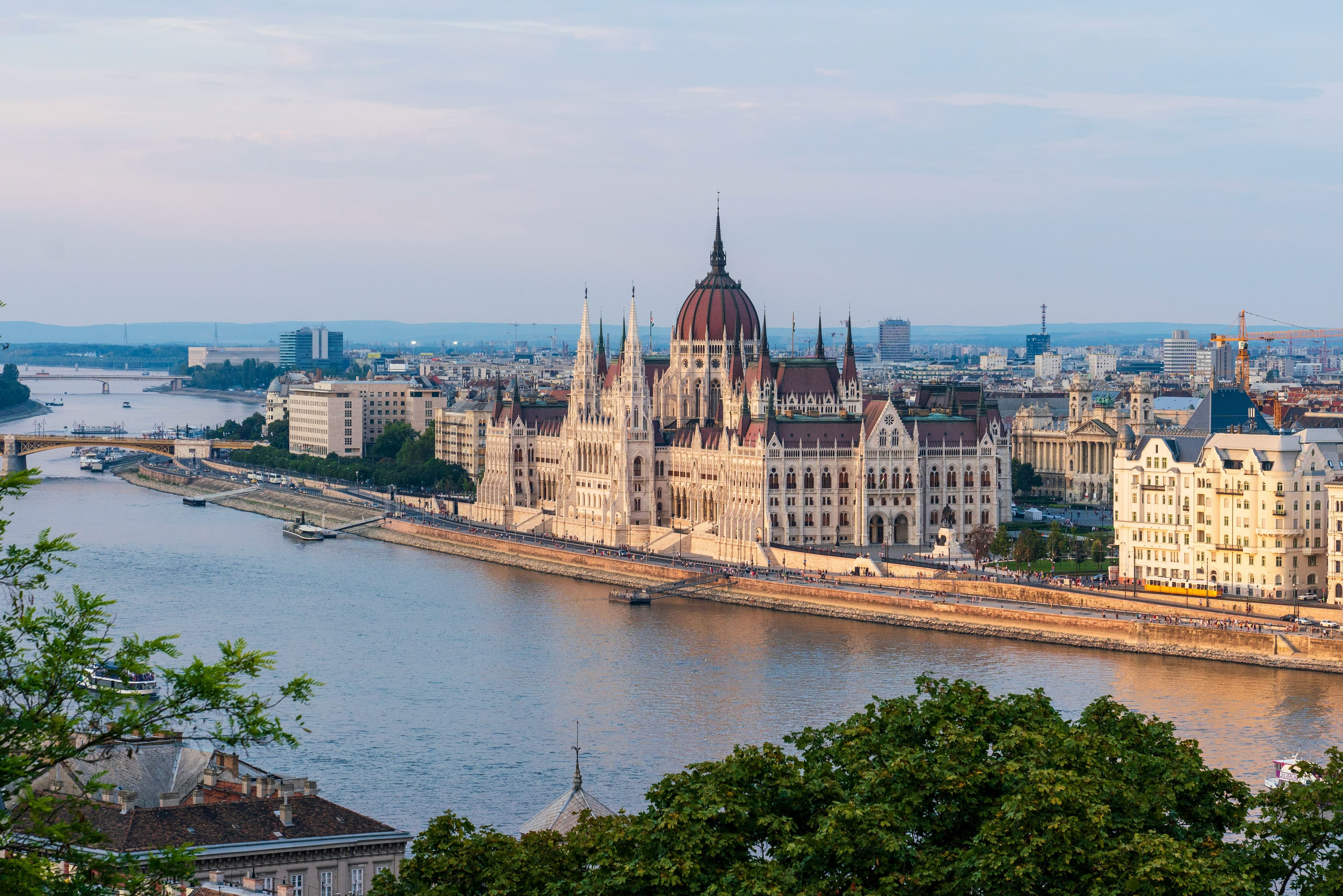
Budapest is really two cities—hilly Buda and flat Pest—stitched together by grand bridges and a river that glows bronze at sunset. In 2025, the restored bathhouses, upgraded metro stations, and a confident culinary scene make it one of Europe’s most rewarding long-weekend destinations. This is a guide for travelers who love rhythm: mornings in warm mineral water, art nouveau façades at lunch, a slow river walk at dusk, and a convivial night in layered courtyards that locals call ruin bars.
The charm of Budapest is in textures: warm steam rising from yellow Neo-Baroque pools, the clack of tram wheels at Margit híd, the heft of paprika-scented market sausages, and the creak of wooden floors in old cafés. With thoughtful timing and a few practical choices, you can see the icons without queues and discover neighborhoods where the city’s everyday life plays out.
Getting There
Start with cheap flights to Budapest. Direct and one-stop routes from across Europe, the Middle East, and North America arrive at Budapest Ferenc Liszt International Airport (BUD). If your connection melts down, keep documentation and consider compensation for delayed flights. From BUD, the 100E airport bus reaches Deák Ferenc tér in about 35–45 minutes; the 200E + M3 metro combo can be cheaper (good when the 100E is crowded).
Rail is superb within Central Europe: Vienna is about 2.5 hours, Bratislava just under 2 hours, and Prague around 6–7 hours. Night trains are an atmospheric option if you prefer to skip airport hassle. If driving, cheap car rentals in Budapest can be handy for countryside sidetrips, but you won’t need a car in the city.
Where to Stay
Best Areas
- District V (Belváros-Lipótváros): Central, elegant, and perfect for first-timers who want to walk to the Basilica, Parliament, and river promenades.
- District VI (Terézváros) & VII (Erzsébetváros): Lively, with cafés, theaters, and ruin bars; great for nightlife and access to Andrássy út and the Opera.
- Castle District (Buda): Atmospheric lanes and views; quieter after dark; more charming but slightly less connected late at night.
- Újlipótváros (District XIII): Residential/café culture near Margaret Island; excellent for longer stays and morning jogs along the Danube.
- Ferencváros (District IX): Up-and-coming, with the Great Market Hall, the Müpa arts complex, and Danube promenade.
- Óbuda (District III): Quieter, historic Roman quarter; farther out but interesting for repeat visitors.
Booking Strategy for 2025+
Lock in refundable hotels in Budapest early for spring (April–May) and autumn (September–October) when weather is ideal. Summer is lively but warm; look for air-conditioning. Winter has charming holiday markets and lower rates, but daylight is shorter. Budapest’s hotel stock ranges from grand dames to cool boutique conversions; if you care about spa access, prioritize hotels with on-site pools and saunas for easy pre-breakfast soaks.
Apartment vs. Hotel
Short-term rentals are common but can vary in quality; apartments suit families or longer stays needing kitchen space. Hotels excel for 24/7 staff, luggage storage, and predictable amenities. If you split your stay, consider two nights in District V for the core sights and two nights near City Park to be first into morning baths.
Micro-Location Choices
In District V, streets closer to the river are scenic but can be busy with tour groups; one or two blocks inland are calmer. In District VII, pick streets near but not on Király utca for quieter nights. In Buda’s Castle District, check if your building has an elevator—some heritage properties don’t.
Getting Around
- Metro & Trams: Clean, frequent, and easy. The M1 Millennium Underground is a UNESCO-listed line that glides beneath Andrássy út; trams 2 and 4/6 are especially useful for riverside and ring-road hops.
- Buses: Fill the gaps; Google Maps and BKK FUTÁR app are reliable for live times.
- Tickets & Passes: Single tickets validate on entry; 24/72-hour passes can be great for active days. Most machines accept cards.
- Taxis & Rideshares: Use official taxi lines or reputable apps; avoid unmarked cars. Card payment is widely accepted.
- Bikes & Scooters: Cycle lanes are expanding; riverside paths are pleasant. Helmets recommended.
- Cars: Urban driving/parking can be a hassle. Choose cheap car rentals in Budapest only for cross-country excursions.
Accessibility Notes
Newer stations have elevators; older ones are being retrofitted. Trams have low-floor cars on key routes. Many museums and baths have accessible entries, though some heritage corridors are narrow—check facility maps in advance.
Essential Sights & Experiences
Thermal Bath Culture
Széchenyi Thermal Bath: Iconic yellow Neo-Baroque courtyards with outdoor steaming pools that feel like a movie set on cold mornings. Pre-book Széchenyi Thermal Bath tickets or arrive at opening to avoid queues.
Gellért Baths: Art Nouveau mosaics, a wave pool, and indoor halls with stained glass. Slightly less crowded than Széchenyi; weekday mornings are ideal.
Rudas Baths: Ottoman-era octagonal pool with a rooftop hot tub overlooking the Danube—best at sunset.
Etiquette is straightforward: showers before pools, appropriate swimwear, and quiet voices. Bring flip-flops; rent towels if you forgot yours. Most baths offer cabins or lockers; cabin lines can be longer.
Buda Highlights
Castle Hill: Cobbled lanes, the Royal Palace complex, and the terraces of Fisherman’s Bastion. Early morning photographers love the pale stone glow with Parliament across the river.
Matthias Church: Colorful Zsolnay tile roof and a fairy-tale bell tower; climb for views if you have the legs.
Citadella (Gellért Hill): A panoramic hike; combine with Gellért Baths for a rewarding day.
Pest Essentials
Hungarian Parliament: Neo-Gothic grandeur mirrored in the Danube. Tours sell out; secure the Hungarian Parliament guided tour or aim for early slots.
St. Stephen’s Basilica: Climb or elevator to the dome for a 360° city view; consider St. Stephen's Basilica tower access to streamline your day.
Andrássy út & Opera: A grand boulevard of cafés and mansions; the Opera House is resplendent after restoration—check evening performances.
Jewish Quarter: The Great Synagogue (Dohány Street) anchors a neighborhood of cafés, design shops, and the city’s famous ruin bars, where plant-filled courtyards glow with string lights.
Along the Danube
Walk the Pest embankment from the Parliament to the Chain Bridge and beyond, pausing at the poignant Shoes on the Danube memorial. Sunset cruises are cliché for a reason; the city’s façades ignite after dark. For a quieter stretch, cross to Buda and amble north along the waterfront.
Museums & Culture
Hungarian National Museum: A sweep through national history; good context for architecture and politics you’ll encounter.
House of Terror: A sobering look at fascist and communist repression housed in a dramatic building on Andrássy út.
Museum of Fine Arts & Műcsarnok: Facing each other at Heroes’ Square; classical collections on one side, contemporary exhibits on the other.
Small Moments that Matter
Budapest excels at in-between time. A morning coffee under plane trees on a quiet square. A tram ride pressed to the window as the city slips by. A bookshop detour that becomes an hour of browsing. Plan room for serendipity and you’ll find it.
Food & Markets
Great Market Hall (Nagycsarnok): Two floors of produce, cured meats, paprika stands, lángos stalls, and souvenir nooks. Go early for locals shopping; midday is tour-busy but fun.
Street & Casual Eats: Lángos (fried dough) with sour cream and cheese; goulash in deep bowls; chimney cakes dusted with cinnamon; stuffed cabbage and seasonal stews; modern bistros doing light, seasonal plates.
Café Culture: Historic cafés serve layered cakes and strong coffee—Gerbeaud, New York Café (ornate but touristy), and small third-wave spots on side streets. If you crave a view, café-hop the Danube promenades in the late afternoon.
Wine & Bars: Hungary’s wine is underrated: crisp Furmint from Tokaj, spicy Kadarka from Szekszárd, elegant Bikavér blends from Eger. Ruin bars are best on weeknights when there’s space to breathe; weekends can be shoulder-to-shoulder. Explore smaller courtyards for a more local feel.
How to Eat Well without Overbooking
Reserve one special dinner for each two nights. Keep a short list of walk-in-friendly bistros near your last sight of the day. If a place is slammed, choose the counter or bar seating—it often turns the meal into a conversation.
Markets beyond the Hall
Lehel Market (District XIII) hums with locals and cheaper eats. Weekend craft markets pop up around Erzsébet tér and Müpa—great for small gifts and pastries. Carry some cash; not every stall takes cards.
2–4 Day Itinerary
Day 1: Buda’s Heights and Thermal Night
- Morning: Castle Hill wander—Fisherman’s Bastion, Matthias Church, and side streets that feel like a village.
- Lunch: Down the hill for riverside cafés; cross the Chain Bridge on foot.
- Afternoon: Parliament exterior and Shoes memorial; coffee near Szabadság tér.
- Evening: Night soak at Rudas or illuminated pools at Széchenyi; pre-book Széchenyi Thermal Bath tickets if you want minimal friction.
Day 2: Pest’s Grandeur and Ruin Bars
- Morning: Basilica dome views with St. Stephen's Basilica tower access; stroll Andrássy út and peek into courtyards.
- Lunch: Market Hall bites or a light bistro on a side street.
- Afternoon: House of Terror or Museum of Fine Arts, then Heroes’ Square and City Park.
- Night: Ruin bar crawl starting early (6–8 pm) before the rush; choose smaller courtyards for conversations.
Day 3: City Park and the Yellow Line
- Morning: Széchenyi Baths when doors open; if you went last night, pick Gellért instead.
- Lunch: Picnic in City Park or a café along Andrássy.
- Afternoon: Opera House tour, boutiques on side streets, third-wave coffee.
- Evening: Danube cruise at sunset; late drink in a quiet wine bar.
Day 4: Free Exploration & Favorites
- Morning: Bookshops and design stores in District V or XIII.
- Midday: Contemporary art at Ludwig Museum (Müpa) or riverside bike ride.
- Evening: Another bath or a performance at the Opera or Müpa.
Itinerary Fine-Tuning
If rain arrives, baths are even better; museums and cafés fill the gaps. If heat builds, split your day into early and late bands with a slow lunch and a shaded nap. When in doubt, trade one sight for more time in a favorite neighborhood.
Optional Day Trips
- Szentendre: Colorful riverside town of artists and cobbles; easy by suburban HÉV train.
- Danube Bend (Visegrád & Esztergom): Fortresses and sweeping river views; ideal for a car day or combo tours.
- Eger: Baroque streets and wine cellars; sample Bikavér and stroll the castle.
- Lake Balaton (Tihany/Balatonfüred): A longer day for lakeside promenades and hilltop abbeys.
- Pécs: Mediterranean-feel university city with Roman tombs and Ottoman heritage.
For each excursion, sketch your return train and a dinner backup in the city. If you rent a car via cheap car rentals in Budapest, note parking rules and weekend closures in historic cores.
Practicalities: Safety, Etiquette, Money, Seasonality
Safety
Budapest is broadly safe; petty theft can occur in busy transit hubs and bar districts. Keep bags zipped and avoid leaving phones on café tables at the edge of sidewalks. At night, use licensed taxis or well-lit routes between venues.
Etiquette
- Queues are calm; offer seats to older riders on trams.
- Inside baths, keep voices low and photography discreet or avoided where posted.
- Tip modestly in restaurants (10%–12%) when not included; check your bill.
- Feet off seats on transit; validate tickets to avoid fines.
Money & Payments
The forint (HUF) is the local currency; cards and contactless payments are widely accepted, but small cash is useful in markets and some cafés. ATMs inside banks are safer than free-standing machines. Dynamic currency conversion is common—always pay in forints on card terminals for better rates.
Budgeting
- Backpacker: €45–€75/day with hostel, market lunches, and 24-hour transit pass.
- Mid-range: €90–€180/day with bistro dinners, museum entries, and a bath each day.
- Comfort: €200+/day with boutique hotels, opera tickets, and guided tours.
Sample Costs
Baths: €18–€35 depending on day and cabin/locker; dome views: €8–€15; museum tickets: €6–€14; coffee and cake: €6–€10; bistro lunch: €10–€18; tram ride: ~€1–€2. Evening cruises: €12–€25. Pre-book Hungarian Parliament guided tour during peak season.
Seasonality
- March–May: Blossoms, mild temperatures, longer days; book refundable hotels in Budapest early for weekends.
- June–August: Warm to hot; local festivals and outdoor concerts; baths and cruises are peak-fun.
- September–October: Gold light and crisp evenings; a sweet spot for city walks.
- November–February: Cold but atmospheric; thermal baths shine; holiday markets and lower hotel rates.
Weather Playbook
Rain? Museums and cafés; carry a compact umbrella. Heat? Bath in the morning, siesta, then river walks at dusk. Cold? A hat and gloves plus hot pools—few cities reward winter travelers as much as Budapest.
Tickets, Passes, and Timing
Many sights are walk-up, but timed entries ease bottlenecks. Use Széchenyi Thermal Bath tickets, the Hungarian Parliament guided tour, or St. Stephen's Basilica tower access when you want certainty, especially on weekends and holidays. For transit-intensive days, a 24- or 72-hour pass lets you hop without thinking.
For popular restaurants, reserve 2–3 days ahead; for ruin bars, go early or late to sidestep the peak. Sunday can be quieter for museums; Mondays see some closures—always check schedules.
Responsible and Respectful Travel
Support local makers and independent cafés; avoid noisy groups in residential courtyards at night. On the river, choose operators who follow noise and emissions rules. In baths, keep glass away from pool edges and respect quiet zones. If you photograph people, ask first. Budapest rewards travelers who savor rather than rush.
Booking & Timing for 2025+
- Lock in refundable hotels in Budapest once dates are set—spring and fall fill fast.
- Compare cheap flights to Budapest across weekdays; early arrivals maximize your first day.
- For day trips, reserve intercity seats during peak weekends; consider cheap car rentals in Budapest only if combining towns in one day.
- Keep an eye on holiday and festival calendars; adjust bath days to off-peak hours.
Flexible tickets reduce friction; read cancellation terms before you click. Identify a single non-negotiable each day—a bath, a museum, a view—and let the city’s convivial rhythm fill the rest.
Bottom Line
Budapest blends mineral-water calm with café chatter and riverside grandeur. In 2025, better transit, restored landmarks, and a playful food-and-wine scene make it more welcoming than ever. Use the tools above—cheap flights to Budapest, Széchenyi Thermal Bath tickets, cheap car rentals in Budapest, refundable hotels in Budapest, and compensation for delayed flights—to keep logistics smooth. Linger in warm pools at dawn, cross bridges at sunset, and toast the night in a leafy courtyard—Budapest’s pleasures are best enjoyed unrushed.