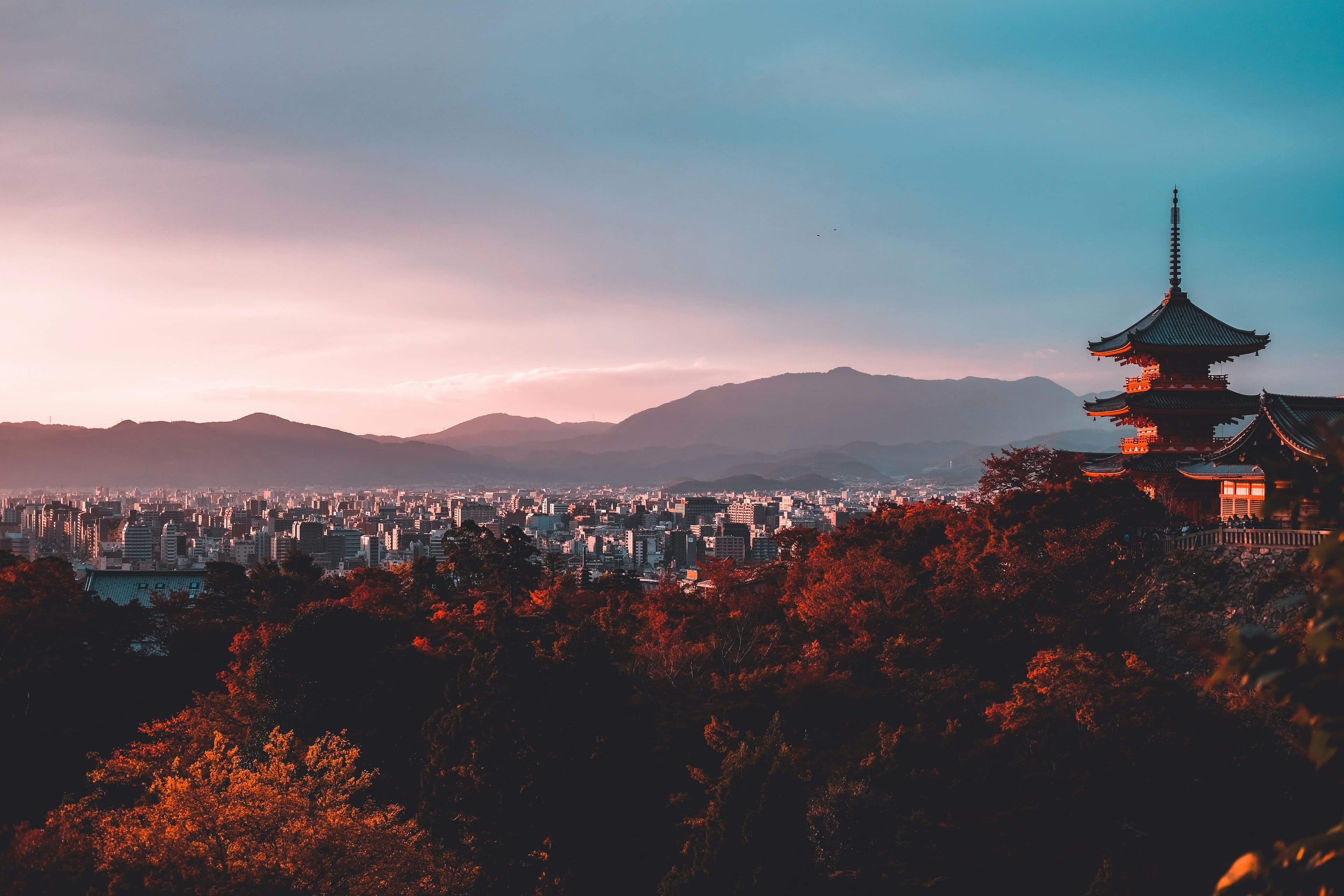
Kyoto is where wooden townhouses meet moss gardens and centuries-old tea rituals. In 2025, smoother transportation, contactless payments, and increased English signage make navigating its shrines, temples, and alleyway eateries easier than ever. This guide is your focused plan for a graceful stay without the stress: how to choose neighborhoods, get around, savor markets, and see the icons without burning out.
Unlike Japan’s hypermodern capitals, Kyoto offers a human-scale rhythm. Many of the most memorable places are stitched together by alleys, canals, and low buildings that invite walking. A thoughtful plan saves time and protects the atmosphere you came to experience. This article prioritizes light-over-lists: smarter sequencing, crowd-skipping windows, and decisions that reduce friction so you can pay attention to texture—cedar scent, tatami underfoot, paper screens catching morning light.
Getting There
Start with cheap flights to Kyoto. Direct and one-stop routes connect Kyoto with hubs across Asia, Europe, and North America. If your inbound segment goes sideways, keep the receipts and consider compensation for delayed flights. From Kansai International (KIX), frequent trains and coaches run to Kyoto Station; from Osaka Itami (ITM), airport buses reach central Kyoto quickly. Tokyo arrivals can ride the Tokaido Shinkansen (Nozomi/Hikari) to Kyoto in under 2.5 hours.
Time your arrival. Getting into Kyoto around midday often means your room won’t be ready. If that happens, drop bags with the front desk or coin lockers at Kyoto Station and head to a nearby garden or market. If you’re arriving late, book lodging close to a subway stop to keep your first night short and simple. The first full morning is precious—sleep close to your Day 1 start line.
Where to Stay
Best Areas
- Gion & Higashiyama: Historic lanes, Yasaka Shrine, Kiyomizu-dera access. Perfect for first-timers who want old Kyoto ambience.
- Downtown (Kawaramachi/Pontocho): Dining and nightlife; easy transit; short walks to Nishiki Market.
- Kyoto Station: Practical transport hub; value hotels and business chains; ideal for day-trip logistics.
- Arashiyama: Scenic base by the bamboo grove and river; quieter nights; more travel time to central sights.
- Northern Kyoto: Near Kinkaku-ji and Ryoan-ji; calmer residential vibe.
Booking Strategy for 2025+
Reserve refundable hotels in Kyoto well ahead for cherry blossom (late March–early April) and autumn foliage (mid–late November). Consider ryokan stays with dinner and breakfast for one or two nights; for convenience, mix with modern hotels near subway lines. Rooms are smaller than in the West, so confirm bed sizes and luggage space in advance.
Ryokan vs. Hotel
Ryokan emphasize atmosphere and hospitality: yukata robes, seasonal dinners, and quiet breakfasts. They often ask for earlier check-in and have stricter cancellation terms. Western-style hotels trade ceremony for convenience—later check-ins, bigger lobbies, and often better elevators and luggage storage. A split stay lets you discover both sides: two nights in a ryokan for ritual; two nights in a central hotel for logistics.
Neighborhood Micro-Choices
Within Gion, blocks closer to the Shirakawa River are calmer at night. In Higashiyama, upper slopes near Kiyomizu-dera are photogenic but steep; if bags are heavy, confirm taxi access. Around Kyoto Station, look for properties on the north side for easier subway links; south-side hotels can be quieter but add a few minutes to transit. In Arashiyama, choose between riverside views (romantic) and streets closer to the Randen line (practical).
Getting Around
- IC Cards: Suica/PASMO/ICOCA work on most trains, subways, and buses; top up at stations or convenience stores.
- Subway + JR + Private Lines: Combine Tozai/Karasuma subways with JR Sagano and Keifuku (Randen) lines for Arashiyama.
- City Buses: Ideal for short hops to temples; avoid rush hours; expect exact change if not using IC cards.
- Taxis: Reliable, clean, and metered; cash or IC accepted.
- Bikes: A bike day can link temples efficiently; follow local parking rules and avoid riding in narrow crowd-heavy alleys.
- Cars: Urban driving and parking are inconvenient; use cheap car rentals in Kyoto only if you plan farther excursions beyond the rail grid.
Passes and Tickets
For most visitors, pay-as-you-go with IC cards beats day passes. If you plan heavy bus usage in a single day (multiple short hops), a 1-day bus pass may save a little but can cost time at redemption. Shinkansen between Tokyo and Kyoto is best booked a day or two ahead in peak seasons. For limited expresses (to Nara, Uji, or Kinosaki Onsen), seat reservations reduce uncertainty.
Accessibility Notes
Major stations and temples have ramps and elevators, but ancient stairs are common. If mobility is a concern, check temple maps before you go; many complexes have partial accessible routes. Taxis are a good bridge between bus stops and temple gates—carry the temple name in Japanese on your phone to show drivers.
Essential Sights & Experiences
Eastern Kyoto (Higashiyama & Gion)
Kiyomizu-dera: A wooden stage over a forested hillside; arrive before 8:00 to walk the temple precincts in soft light. Wander Sannen-zaka and Ninen-zaka lanes for traditional storefronts and teahouses. Yasaka Shrine anchors Gion; dusk brings lantern magic and the possibility of spotting geiko and maiko en route to appointments (no photos without permission).
Philosopher’s Path: A canal-side walk linking Ginkaku-ji (Silver Pavilion) to Nanzen-ji; spring blossoms and fall leaves frame stone bridges and quiet subtemples. Detour to Eikan-do for maples and to Heian Jingu for vast torii and manicured grounds.
Northern Kyoto
Kinkaku-ji (Golden Pavilion): Kyoto’s gilded icon mirrored in a placid pond. Early or late day is crucial. Combine with Ryoan-ji’s contemplative rock garden and Ninna-ji, home to late-blooming Omuro cherry trees.
Arashiyama
The Bamboo Grove is ethereal before 7:30. Step into Tenryu-ji’s Zen garden for borrowed-scenery views across hills. Stroll the riverbank to the Togetsu-kyo bridge; take the Sagano Scenic Railway for gorge views or paddle boats for a relaxing hour.
Central Kyoto
Nijo Castle’s nightingale floors, Nishiki Market’s food aisle delights, and the sleek Kyoto Station architecture and sky terrace. Pontocho alley packs tiny eateries and bars along the Kamogawa River.
Southern Kyoto
Fushimi Inari Taisha: A mountain of vermilion torii tunnels. Go at dawn or after 8pm. Pair with Tofuku-ji for wooden bridges spanning maple valleys.
Small Moments that Matter
Kyoto’s signature isn’t just the headline sights; it’s the pauses between them. A tea counter with two stools tucked inside a townhouse. A neighborhood shrine with a shrine-maiden sweeping stone steps in the morning. An old kissaten with a tiny menu: coffee, toast, and a soft-boiled egg. Leave room each day for a detour that isn’t on your list.
Food & Markets
Nishiki Market: Kyoto’s pantry — tsukemono (pickles), tofu doughnuts, grilled eel bites, sesame ice cream. Many stalls offer small tastings; carry cash and sample responsibly.
Gion & Pontocho: Kaiseki (seasonal multi-course cuisine), yakitori counters, and quiet tea houses. Book early for popular restaurants, especially on weekends. Try yuba (tofu skin), matcha sweets, and obanzai (home-style Kyoto dishes).
Tea Culture: Uji, just south of Kyoto, is a pilgrimage for matcha fans; take a short train trip for tastings and tea ceremony experiences via skip-the-line tickets and city attractions when available.
How to Eat Well without Overbooking
Reserve one special dinner each 2–3 nights. For the rest, let appetite and proximity lead. Many of the best experiences are at counters with ten seats, where the chef suggests what’s in season. Keep a short list of back-up options near your day’s last stop; popular places may have queues or sell out.
Markets beyond Nishiki
Weekend temple markets rotate around the city and are perfect for crafts and light snacks. To-ji’s monthly market is the biggest; Kitano Tenmangu hosts a lively flea market with antiques and food stalls. Bring cash and a small reusable bag.
2–4 Day Itinerary
Day 1: Eastern Icons and Gion Night
- Sunrise at Kiyomizu-dera, then Sannen-zaka and Ninen-zaka before crowds.
- Walk to Yasaka Shrine and Maruyama Park.
- Afternoon along the Philosopher’s Path with Ginkaku-ji.
- Dinner in Gion or Pontocho; respect geiko privacy.
- Contingency: If your flight was delayed, review compensation for delayed flights and adjust schedules accordingly.
- Optional: Limited-entry experiences via skip-the-line tickets and city attractions.
Day 2: Northern Masterpieces
- Early visit to Kinkaku-ji, then Ryoan-ji and Ninna-ji.
- Lunch near Kitano Tenmangu; explore small wagashi shops.
- Late afternoon at Nijo Castle; evening along Kawaramachi.
Day 3: Arashiyama Zen & River
- Sunrise at the Bamboo Grove, visit Tenryu-ji gardens.
- River walk and Togetsu-kyo views; Sagano Scenic Railway if weather is clear.
- Return to central Kyoto for Nishiki Market and dessert.
Day 4: Fushimi Inari and Free Exploration
- Pre-dawn climb through Fushimi Inari torii tunnels.
- Midday museum or garden (Kyoto National Museum, Shosei-en Garden).
- Evening tea ceremony or riverside stroll; finalize shopping.
Itinerary Fine-Tuning
If rain arrives, trade bamboo for covered arcades and museums; temple gardens are contemplative in drizzle. If heat builds, compress sightseeing into early and late bands and add a slow lunch with air-conditioning between. When in doubt, choose fewer places and more time in each.
Optional Day Trips
- Nara: Todai-ji’s Daibutsu (Great Buddha), Nara Park deer, Kasuga Taisha lanterns.
- Uji: Byodo-in Phoenix Hall and tea tastings; matcha souvenirs.
- Osaka: Dotonbori food run, Osaka Castle, Umeda Sky Building; return by JR in ~30–45 minutes.
- Kurama & Kibune: Forest shrine hike with onsen options.
- Himeji: A longer day, but Japan’s most photogenic castle.
For each day trip, sketch the last train you’ll take home. Kyoto at night is lovely; don’t burn your energy on a platform after a big day. If traveling with children, favor Nara (deer park) and Uji (shorter, sweeter sights). For architecture fans, Himeji is worth the distance; go early and you’ll be back for dinner.
Practicalities: Safety, Etiquette, Money, Seasonality
Safety
Kyoto is one of the world’s safest cities, with low petty crime. Keep valuables zipped in crowds and avoid obstructing narrow paths. Earthquake awareness: note exits and follow staff instructions should an alert occur.
Etiquette
- Queue calmly; keep voices low in residential lanes and temple precincts.
- No eating while walking in sacred or residential areas; check signs.
- Ask permission before photographing people; never block a working geiko/maiko.
- Shoes off in designated spaces; expect slippers; keep socks clean and intact.
- Respect temple rules on tripods, flash, and off-limits areas.
- Cash still matters; carry small bills and coins for shrines and stalls.
- Trash bins are scarce; carry a small bag for your own litter.
Money & Payments
ATMs at 7-Eleven and Japan Post accept foreign cards. Many cafés and shops accept contactless payments but keep coins for shrine offerings and small stalls. For transit, load an IC card once and tap everywhere. If a machine refuses your foreign card, staff can sell you a paper ticket—carry a small day’s worth of yen to avoid hiccups.
Money
- Cash + IC + cards: 7-Eleven ATMs accept foreign cards; many shops now take contactless payments.
- Transit: IC top-ups, day bus passes, and JR passes if doing wider Kansai rail.
- Budget ranges (pp/day): backpacker $60–$100; mid-range $120–$220; comfort $250+.
Sample Costs
Temple entries: $3–$8; subway/bus rides: $1.50–$3; casual lunches: $7–$15; counter-dinner: $20–$45; tea ceremony: $20–$50; day trip fares: $5–$30 each way depending on distance. Splurge meals and ryokan kaiseki vary widely; book with clear cancellation windows in peak seasons.
Seasonality
- Late March–early April: Cherry blossoms; book months in advance.
- May–June: Fresh green and rain showers; carry light layers.
- July–August: Heat and humidity; prioritize early/late sightseeing and air-conditioned breaks.
- September–October: Cooler evenings; great for walking.
- Mid–late November: Peak foliage; crowds but spectacular gardens.
- December–February: Quieter, crisp air, occasional snow flurries; cozy tea experiences.
Weather Playbook
In rain, temples and gardens gain mood—carry an umbrella and wear shoes with grip. In heat, move at dawn and twilight; nap or linger over lunch midday. In cold, Kyoto’s dry air is forgiving; a light down jacket and scarf are often enough. Always keep a small towel; you’ll be surprised how often it’s useful.
Tickets, Passes, and Timing
Many temple precincts are walk-up, while special halls and limited exhibits may require timed entry. Use skip-the-line tickets and city attractions for seasonal illuminations, tea experiences, or combined city attractions when offered. For rail, buy Shinkansen tickets a day ahead in peak seasons; for Gion and Higashiyama, plan dawn and late-night walks to split crowds.
For experiences that book out—tea ceremonies, small cooking classes, or night illuminations—choose times that bracket crowds: first slot of the morning or last slot of the evening. If you must queue, a paperback or saved reading on your phone transforms the wait into a pause rather than a test.
Responsible and Respectful Travel
Stay on paths, avoid touching temple structures and moss gardens, and keep noise minimal in residential alleys. Shop local makers (textiles, washi, ceramics) and favor restaurants that source seasonal Kyoto produce. If crowds grow overwhelming, pivot to smaller subtemples for a breather—Kyoto rewards those who meander.
Photography is welcome in many spaces but remember: some alleys in Gion are private, and rules shift by season and event. When unsure, ask. If you hire a kimono, respect the garment; avoid stepping into lanes or gardens that are off-limits just for photos. The best images come from patience, not intrusion.
Booking & Timing for 2025+
- Lock in refundable hotels in Kyoto as soon as dates are fixed, especially for sakura and foliage windows.
- Compare cheap flights to Kyoto across multiple dates; aim for early arrivals to maximize first-day sightseeing.
- For day trips, reserve Shinkansen or limited express seats during rush periods.
- Consider cheap car rentals in Kyoto only if extending to rural Kansai or road-tripping beyond Kyoto.
Use flexible tickets when possible and read cancellation policies before purchase. If your schedule is tight, identify the one or two non-negotiables each day and let the rest flex. Kyoto has endless backups; a closed temple can become a perfect hour at a tea counter you would have missed.
Bottom Line
Kyoto is the distilled essence of Japanese aesthetics and hospitality. In 2025, with savvy timing, crowd-skipping mornings and evenings, and a flexible plan anchored by transit and neighborhood choices, you can savor temples, tea, alleys, and markets at an unhurried pace. Use the tools above—cheap flights to Kyoto, skip-the-line tickets and city attractions, cheap car rentals in Kyoto, and refundable hotels in Kyoto—to keep logistics smooth. If the skies misbehave, compensation for delayed flights may soften the blow. Breathe deeply under mossy pines, sip matcha slowly, and let the city’s timeless rhythm set your itinerary.