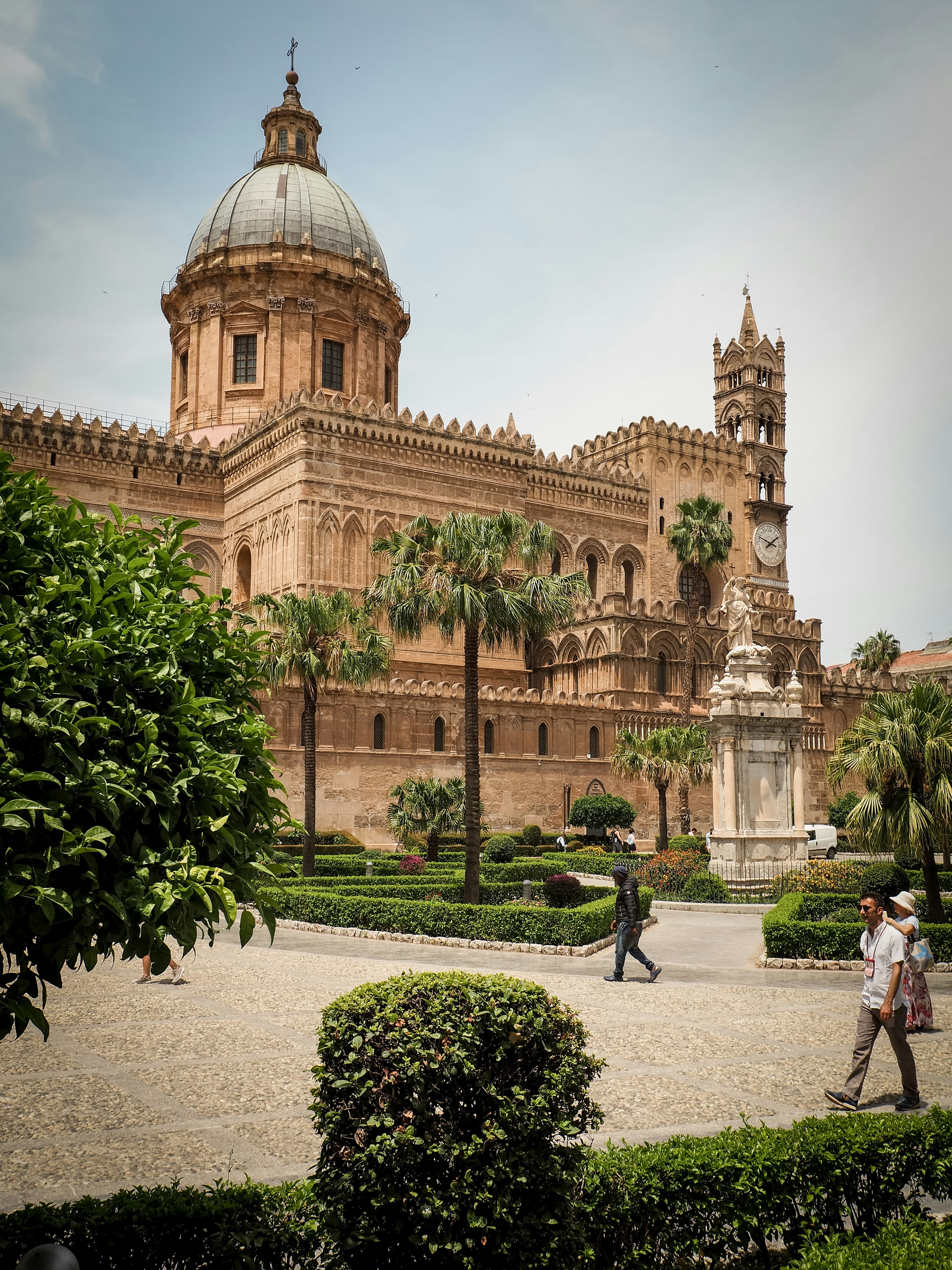
Palermo is Sicily’s generous handshake—sun-warmed stone, baroque curls of balconies, a street-food heartbeat, and a skyline threaded with domes. In 2025, improved flight options, contactless payments, and a steady calendar of festivals make it easier than ever to arrive, wander, and eat extremely well. This guide focuses on the decisions that shape a great trip: which neighborhood to sleep in, how to move without friction, what to prioritize among Arab–Norman masterpieces, and how to balance markets, museums, and the sea without feeling rushed.
Getting there
Start with cheap flights to Palermo. Palermo’s Falcone Borsellino Airport (PMO) connects widely via Rome, Milan, and European hubs. Arrivals that run late or cancel do happen—keep receipts, read your rights, and consider potential compensation for delayed flights. From PMO, the Trinacria Express connects the airport with the city (roughly every 30 minutes); taxis and rideshares price by zone with fixed airport fares.
Where to stay
Best areas and who they suit
- Quattro Canti and the Arab–Norman axis: The historic crossroads of the old city, central to the Cathedral, Palazzo dei Normanni, and major markets. Ideal for first-timers who want to step into architecture between espresso stops.
- Kalsa (La Kalsa): East of the old core, with palazzi, art spaces, and breezy streets that lead to the waterfront. Great for café-hopping, galleries, and mild nightlife that respects sleep.
- Borgo Vecchio and the port: Practical for early ferries, seafood, and the modern grid. Good value in business-style hotels and larger rooms than the medieval lanes allow.
- Teatro Massimo area: A refined base near the city’s grand opera house; wide streets, shopping, and quick links in all directions.
- Monreale (nearby hill town): For travelers who prize quiet nights and golden mosaics at dawn, Monreale can be a beautiful base with a fast bus ride down to Palermo.
- Seaside edges (Mondello): If your shoulder tension is cured by water, sleep near Mondello beach and day trip inward for stone and markets.
Booking strategy for 2025+
Lock in refundable hotels in Palermo early for spring (Easter and shoulder months), high summer (late June–August), and the festival runs. Boutique properties in the medieval core are small; inventory can disappear in a weekend. If you’re sensitive to noise, ask for rear-facing rooms or higher floors—and check if any building work is scheduled on your dates.
Getting around
- Walk the grid: The historic center is compact; plan for 15–25 minute foot links that double as sightseeing.
- AMAT buses + trams: Buy tickets at kiosks or via app; validate on board. Trams are smooth for medium hops.
- Regional rail: Handy for Cefalù and coastal stretches. Check weekend engineering works and seasonal schedules.
- Taxis and rideshares: Reliable for late nights or luggage days; ask drivers for estimated fares before you hop in.
- Cars: Urban driving is not relaxing—narrow lanes, ZTL (limited traffic zones), and scarce parking. Use cheap car rentals in Palermo if your plan involves Zingaro Nature Reserve, hill towns, or a wider coastal loop; otherwise, public transport + walking is easiest.
Essential sights & experiences
Arab–Norman UNESCO corridor
Palermo Cathedral: A layered exterior of domes and crenellations tells the city’s story in stone. Climb the terraces for dome-level views when open—reserve spots or buy Palermo Cathedral rooftops tickets when available.
Palatine Chapel (Cappella Palatina): Inside the Palazzo dei Normanni, this gold-lit mosaic masterpiece compresses centuries of craft into a single room. Book skip-the-line Palatine Chapel tickets for crowd control and a calm arrival window.
Church of San Cataldo and La Martorana: Geometric red domes and Byzantine mosaics a few paces apart; drift between them to feel why the Arab–Norman style is a dialogue, not a single chapter.
Admiral’s Bridge (Ponte dell’Ammiraglio): A photogenic Romanesque arch in the modern city—an elegant reminder that Palermo’s medieval footprint still guides water and people.
Teatro Massimo and the opera square
One of Europe’s largest opera houses, Teatro Massimo anchors evening life with a generous staircase and a plaza made for gelato and conversation. Consider Teatro Massimo guided tour tickets to explore rehearsal rooms, stagecraft, and the city’s proud acoustics.
Markets with personality (and good manners)
Ballarò: Loud in the best way—grilled, fried, and shouted. Morning energy is highest; afternoons settle into a slower pulse. Sample lightly and pay in coins for speed.
Vucciria: Once a meat market, now a night scene mixed with graffiti and pop-up counters. At its best on warm evenings; mind your pockets like any lively bar district.
Capo: Fish sellers and vegetable mounds under awnings—photogenic and delicious. Ask before you shoot, step aside to taste, and leave tipping small but steady where service is given.
Waterfront walks and parks
Stroll to the Foro Italico lawns for sea air and big-sky sunsets, or angle north to the modern Marina. If heat builds, retreat to the shade of Villa Giulia and the Botanic Garden, where 19th‑century architecture frames green quiet.
Food & markets
Palermo cooks with confidence and love. A short list to tune your palate:
- Street signatures: arancine (stuffed rice), panelle (chickpea fritters), crocchè (potato), sfincione (thick, saucy bread), and stigghiola (grilled lamb or veal intestines—ask how it’s prepared).
- Seafood: couscous di pesce, spaghetti con le sarde, and raw or barely cooked plates near the port.
- Sweets: cannoli, cassata, almond cookies, and summer granite. Seek small shops with short menus and fresh shells filled only when you order.
- Markets: start early at Capo or Ballarò to taste without the noon squeeze; carry coins and a cloth napkin to eat on the go.
- Coffee: order short and strong; learn the difference between caffè, macchiato, and the local takes with shaved ice when heat peaks.
2–4 day itinerary
Day 1: Arab–Norman spine and evening at the opera steps
- Morning: Palermo Cathedral interiors and terraces; walk the Corso Vittorio Emanuele to Quattro Canti and Piazza Pretoria.
- Midday: Palazzo dei Normanni and the Palatine Chapelskip-the-line Palatine Chapel ticketsPalatine Chapel (time your entry).
- Afternoon: San Cataldo and La Martorana; short espresso; drift to the Kalsa for palazzi courtyards.
- Evening: Teatro Massimo square; catch blue-hour light and consider a late Teatro Massimo tourTeatro Massimo guided tour ticketsTeatro Massimo tour.
Day 2: Markets, waterfront, and neighborhood wander
- Morning: Capo market tastings; short list, small bites, keep moving.
- Midday: Santa Caterina’s cloister for calm; lunch near the port.
- Afternoon: Botanical Garden and Foro Italico; swim time if seas are gentle.
- Evening: Vucciria for an easy dinner and slow people‑watching.
Day 3: Monreale mosaics and Mondello blue
- Morning: Bus to Monreale; cathedral gold wakes best in the first hours. Coffee on the square.
- Afternoon: Down to Palermo; change shoes; bus or taxi to Mondello beach for a swim and gelato.
- Evening: Return to the center; simple trattoria dinner and an amaro nightcap.
Day 4 (optional): Cefalù or Zingaro Nature Reserve
- Cefalù: an hour by rail; cathedral, beach, and the Rocca hike for views. Time trains carefully if returning late.
- Zingaro: a car day for coves and light trails; pack water and sun protection. Consider cheap car rentals in Palermo just for this day.
Optional day trips
- Monreale: cathedral complex and cloister—acoustics and gold that redefine “ornate.”
- Cefalù: medieval lanes, sandy crescent, easy swims when winds are kind.
- Bagheria: baroque villas and art stops, 15 minutes by train.
- Segesta & Erice (long day): temple on a hill and a mist‑kissed town; better with a car or a structured excursion.
- Zingaro Nature Reserve: turquoise coves, stone paths, and goat bells. Start early, carry water, leave no trace.
Safety, etiquette, money, seasonality
Safety
Palermo feels easy to navigate with normal city sense. Watch for scooters in narrow lanes, cross with purpose, and keep bags closed in crowded markets at night. Heat is the more likely hazard—hydrate and rest in shade.
Etiquette
- Greet staff with a simple buongiorno/buonasera; it changes every interaction.
- Ask before photographing people and private courtyards; many will say yes with a smile.
- At markets, step aside to taste and pay; keep the flow moving for locals.
- Dress with light respect in sacred spaces (shoulders covered, hats off).
Money
- Cash and cards both work; carry small notes and coins for markets and buses.
- ATMs in the center are plentiful; avoid dynamic currency conversion.
- Budget (per person/day): backpacker €55–€95; mid‑range €110–€190; comfort €220+.
Seasonality
- March–May: warming days, wildflowers, and lighter crowds; book key sites on weekends.
- June–August: heat and festivals—move early and late, nap at noon, and book beach access or umbrellas.
- September–October: best balance of sea temperature and air; a sweet spot for day trips.
- November–February: short days, moody skies, food at its richest; bring layers and chase bakery windows.
Tickets, passes, and timing
Many churches and palazzi offer walk‑up entry with optional add‑ons for terraces, crypts, or special rooms. Reserve peak experiences—skip-the-line Palatine Chapel tickets, Palermo Cathedral rooftops tickets, and seasonal exhibitions—when your dates firm up. For flights, scan month‑long calendars and pounce on dips with cheap flights to Palermo. If travel misbehaves, document everything and evaluate compensation for delayed flights. For coastal drives or Zingaro, price a one‑day cheap car rentals in Palermo and park before 10:00.
Booking & timing for 2025+
- Book refundable hotels in Palermo early for spring and high summer; favor free‑cancellation rates while you finalize trains and ferries.
- Purchase timed entries for Arab–Norman highlights when offered; mornings are calmer and cooler.
- Use regional rail for Cefalù; verify last trains on Sundays and holidays.
- Rent a car only for days that truly need it; otherwise, walk and ride.
Bottom line
Palermo is a city that feeds you twice—once with food from markets and counters, and again with stone that shines like a story you can touch. In 2025, it’s easier to arrive, easier to move, and still delightfully human at street level. Choose a neighborhood that matches your rhythm, draw a soft itinerary across mosaics, markets, and the sea, and keep your days flexible for surprises. The tools here—cheap flights to Palermo, refundable hotels in Palermo, cheap car rentals in Palermo for coastal days, skip-the-line Palatine Chapel tickets and Teatro Massimo guided tour tickets—will keep logistics smooth. If the sky goes sideways, compensation for delayed flights can soften the blow. Come hungry, walk slowly, and let the gold and salt and voices carry you forward.