Seville is a city that lingers. The scent of orange blossom in spring, the hush of tiled courtyards at noon, the echo of a guitar in a shaded alley—these threads weave into a destination where time softens and the pace returns to human speed. In 2025, Andalusia’s capital is at its best: heritage meticulously restored, neighborhoods full of life, restaurants blending tradition and modern craft, and a cultural calendar that rewards planners and wanderers alike. This long‑form guide delivers what you need for a 2–4 day city break that feels both generous and unhurried: where to stay (by neighborhood personality), how to move efficiently, essential sights and experiences, a realistic day-by-day plan, easy day trips, and clear, practical advice for seasonality, etiquette, and 2025+ booking strategy.
Throughout, you will find specific, skimmable recommendations. If you are just starting to shape your trip, set fare alerts and compare cheap flights to Seville into Seville (SVQ) or nearby hubs with convenient rail links. And if your journey runs into disruption, know your rights and potential compensation for delayed flights. Plan the big bones, then leave room for the small, serendipitous details—a shaded bench, a courtyard cafe, a dusk walk when the city glows with gold.
Where to Stay: Neighborhoods with Personality
Santa Cruz: Storybook Alleys and Courtyard Calm
Wrapped around the Cathedral and the Alcázar, Santa Cruz is the old Jewish quarter, a labyrinth of narrow lanes, whitewashed facades, and iron balconies overflowing with plants. It is the most atmospheric base for first‑timers who want to step into history each morning. Boutique hotels and guesthouses often hide orange‑scented patios and small plunge pools. Expect a gentle, photogenic buzz by day and a surprisingly peaceful mood late at night, once day‑trippers fade.
Arenal and El Centro: River Access and Big Sights
Just west of the Cathedral, Arenal blends bullring heritage (Plaza de Toros de la Maestranza) with handsome streets and quick access to the riverfront. North into El Centro, you are close to shopping streets, tapas corridors, and the modern landmark of Metropol Parasol. This area suits travelers who want balanced access to everything with minimal transit.
Triana: Pottery, Flamenco, and Riverside Strolls
Across the Guadalquivir via the iconic Triana Bridge, this historically independent neighborhood hums with ceramics workshops, traditional taverns, and lively flamenco venues. Triana feels lived‑in and local; it is excellent for food‑motivated travelers and anyone who loves a sunset walk along the Calle Betis riverfront.
La Macarena and Alameda: Creative Energy
Northeast of the center, La Macarena and the Alameda de Hércules form a creative zone with galleries, music, and night life. You will find value hotels and apartments, vintage shops, and cafe culture. If you prefer evenings out and a bit more space by day, this area is a strong pick.
Hotel Types by Budget (No-Brand Guide)
- Luxury: Restored palacios with shaded inner patios, rooftop plunge pools, and spacious rooms. Look for historic details—coffered ceilings, hand‑painted tiles, and views of bell towers.
- Mid‑range: Contemporary boutique stays in refurbished townhouses near Metropol Parasol or Alameda; expect smaller rooms but smart layouts and strong air‑conditioning.
- Budget: Family‑run guesthouses and simple apartments in Macarena and Triana; choose air‑con and soundproofing first, as nightlife can carry late.
Getting Around: Walk, Tram, Bike (Gently), and Riverfront Loops
Seville’s center is compact. Most headline sights live within a 20‑minute radius on foot, though summer heat pushes sightseeing to mornings and evenings. The tram line (T1) links San Bernardo station with the Cathedral area; buses fill gaps; and the metro reaches farther neighborhoods if you are staying outside the historic core. Bikes can be delightful along riverfront paths and wide promenades; within Santa Cruz and the densest old streets, walking is wiser.
Arriving from the Airport
- Bus EA: Direct airport bus to the center and Santa Justa train station. Runs frequently; buy tickets on board.
- Taxi/Rideshare: Fixed fares from the airport to central zones make transfers simple, especially late at night or with luggage.
- Rail: If you are arriving via Madrid or Barcelona, AVE high‑speed trains pull into Santa Justa; from there, tram and buses knit the city together.
- Flights: Compare schedules and cheap flights to Seville to lock in arrivals that avoid midday heat. If things go sideways, explore your rights including compensation for delayed flights.
Public Transport and Tickets
Single tickets are easy to buy on trams and buses, but a rechargeable card can simplify a multi‑day stay. Validate as you board; keep small change handy at kiosks; and note that many services reduce frequency in the heat of the afternoon. The metro is air‑conditioned and fast for longer hops; for most central trips, walking remains king.
Walking Strategy by Season
- Spring/Autumn: Wide morning and late‑afternoon windows for sightseeing; plan interiors at midday.
- Summer: Early starts, siesta logic, and twilight exploring. Book timed entries for morning or late slots.
- Winter: Flexible daylight; pack a light layer for cool evenings and breezy river walks.
Accessibility
Major sights provide step‑free access and elevators where possible; the Giralda’s ramped ascent is unusually friendly. Cobbled lanes can be uneven; taxis and the tram offer smoother connections between neighborhoods if mobility is a concern.
Essential Sights and Experiences
Real Alcázar: Tiles, Gardens, and Palaces
Seville’s royal palace is a masterpiece of Mudéjar art, where Islamic, Gothic, Renaissance, and Baroque elements converse under one roof. Carved stucco, cedar ceilings, and gardens fed by ancient hydraulics create a sense of coolness even in summer. Book timed entry; go early; and wander slowly, pausing in the Patio de las Doncellas and the garden pavilions where peacocks stride.
Cathedral and La Giralda: From Mosque to Gothic Marvel
One of the world’s largest Gothic cathedrals occupies the site of Seville’s former Great Mosque. Its minaret, La Giralda, became a bell tower after the Reconquista; the ramped climb (designed for horseback) is gentle and yields broad city views. Inside, look for the vast wooden choir stalls, chapels in deep shade, and the contested tomb of Christopher Columbus.
Plaza de España and Parque de María Luisa
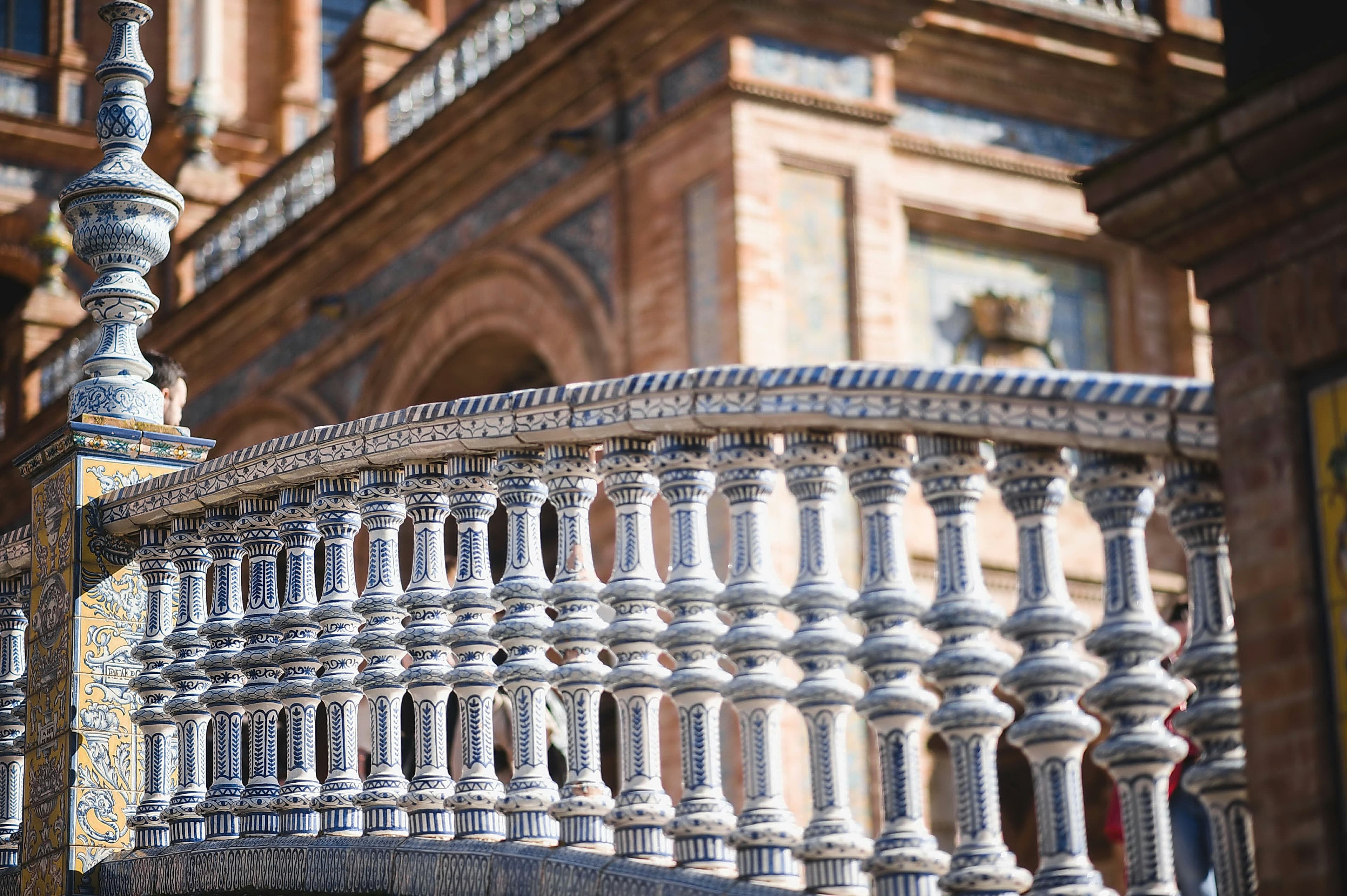
Built for the 1929 Ibero‑American Exposition, the Plaza de España curves in terracotta and tile around a canal crossed by decorated bridges. Nearby, Parque de María Luisa offers shade, fountains, and benches where time loosens. Mornings and late afternoons are best for light and temperature; midday is for ice cream and museum hopping.
Metropol Parasol (Las Setas)
This modern wooden structure ripples above a central square, offering a rooftop walkway with broad views and photogenic curves. It is a reminder that Seville is not a museum piece but a city that keeps building. Visit near sunset for soft light and lively street life below.
Triana Ceramics and Flamenco
Explore traditional pottery workshops and storefronts along Calle Callao and San Jorge in Triana. In the evening, choose an intimate flamenco venue that prioritizes music and dance over tourist spectacle—small tablaos with limited seating often deliver the most emotional performances. Book ahead on weekends.
Convents, Churches, and Hidden Claustras
Step into lesser‑known churches to see gold‑leaf retablos and quiet cloisters that cool the city’s pulse. Convent bakeries still sell sweets from revolving turntables; bring small coins and curiosity. These small stops turn a day into a tapestry.
Riverfront Life
From the Torre del Oro north to Triana, the Guadalquivir is a thread for runs, walks, and golden‑hour photos. Couples gather on steps, friends perch on walls, and the water reflects slow clouds. Pack a light layer for breezy evenings and enjoy the long southern light.
Food and Markets: Tapas Culture with Andalusian Sunshine
Seville’s tapas culture is a rhythm: a cold sherry or beer, a plate or two, then a short stroll to the next counter. Traditional bars still chalk menus on tiles; modern kitchens reinterpret classics with lightness and local produce. Expect salmorejo (a silkier cousin of gazpacho), espinacas con garbanzos (spinach with chickpeas), grilled fish, croquetas, and crisp fried seafood. Dessert leans to simple pleasures: fresh fruit, ice cream, or a slice of tart in a cafe with a breeze.
Where to Taste
- Mercado de Triana: A lively market with produce, fish, and prepared bites. Arrive hungry; wander; sit with something simple and seasonal.
- Santa Cruz and Arenal: Classic tapas bars within a short walk of major sights; pop in mid‑afternoon when locals reset the day.
- Alameda: Creative kitchens and natural‑wine bars are common here; evenings stretch late.
- Breakfast: Toast with tomato and olive oil (tostada con tomate), fresh orange juice, and coffee—Seville’s morning ritual.
What and How to Order
- Size matters: Ask for media ración (half‑portion) to sample more plates without wasting food.
- Seasonal plates: Grilled sardines in summer, artichokes in spring, mushrooms after rain—follow the chalkboard.
- Sherry styles: Fino and manzanilla are crisp with fried seafood; oloroso leans nutty and pairs well with braises.
- Kids and groups: Tapas work beautifully—order in waves, keep a flexible table, and accept that the best meals unfold slowly.
- Dietary needs: Many bars can suggest gluten‑friendly or vegetarian options; communicate simply and clearly.
2–4 Day Plan: A Realistic, Rewarding Pace
Day 1: Cathedral, Alcázar, and Santa Cruz
Start early at the Cathedral and climb La Giralda before heat and queues arrive. Linger among the chapels, then step into Santa Cruz for a slow amble and lunch in a shady courtyard. Reserve a mid‑afternoon entry to the Real Alcázar; wander its palaces and gardens until the light turns honeyed. Return to your hotel for a brief rest; then tapas in Arenal or a quiet street in Santa Cruz. End with a night stroll around the Cathedral when the stone glows.
Morning
Queue for timed entry at the Cathedral; climb the Giralda while the city is still waking. Listen for bells and birds; notice how rooftops ripple away to low hills.
Midday
Retreat to a patio lunch—salmorejo, a simple grilled fish, a cold beer. Find shade and stillness before the afternoon push.
Afternoon
Real Alcázar at a measured pace. Sit occasionally; let gardens reset your temperature and mood. Resist the urge to see it all—choose depth over speed.
Evening
Tapas crawl near Arenal, then a slow loop around the Cathedral and Archivo de Indias. The city’s stone takes on bronze at night.
Day 2: Plaza de España, Park, and Triana
Walk or tram to Plaza de España in the morning for photos without crowds. Drift through Parque de María Luisa, stopping at benches and fountains, then visit a nearby museum (Archaeological Museum or Museum of Popular Arts and Traditions, when open). Cross the river by midday; eat at Mercado de Triana; browse ceramics. In late afternoon, follow the riverfront promenades, then settle into a small flamenco venue in Triana. Supper can be simple—grilled fish, salad, a glass of fino.
Morning
Golden light across the Plaza’s tiled alcoves; shoot wide, then look for details—the patterns, the signatures, the small repairs that tell care.
Midday
Park benches and cool museums. A sorbet or iced coffee can turn the temperature down and the mood up.
Afternoon
Triana’s market lunch and ceramic browsing. Ask artisans about glazes and firing—conversations are part of the souvenir.
Evening
Flamenco in an intimate room: eyes, palms, breath. Supper after the show; walk by the river and let the rhythm fade into night.
Day 3: Metropol Parasol, El Centro, and Alameda
Ride the elevator up Las Setas for views over rooftops, then browse El Centro’s shopping streets. Lunch can be a modern tapas bar. In the afternoon, wander north toward Alameda de Hércules for a cafe and people‑watching. Consider a second flamenco performance (each show offers different artists and moods) or a twilight walk along the river.
Morning
Walk the curving walkway atop Las Setas; identify the Cathedral, Giralda, and the long axis of the river. Then browse local stores for ceramics, fans, and textiles.
Midday
Choose a table inside with air‑conditioning or a shaded terrace with a breeze. Order a media ración or two and something crisp to drink.
Afternoon
Alameda for cafes, bookstores, and a nap back at your hotel. Seville is kinder when you rest before evening.
Evening
Return to Triana or explore Arenal’s lanes; a second performance or a river cruise adds a different angle without adding speed.
Day 4 (Optional): Monasteries, Gardens, or Slow City
Use a fourth day to deepen your Seville: the Monastery of La Cartuja (and the contemporary art center), lesser‑known churches with Baroque altarpieces, or simply a string of plazas stitched together by shade and conversation. Seville rewards the unhurried day—bring a book to a quiet square and stay.
Alternative Focus Days
- Art Day: Fine arts museum in the morning, contemporary galleries after lunch, sunset sketching at Plaza de España.
- Family Day: Park picnics, boat rental at the Plaza canal, early flamenco show with shorter sets.
- Wellness Day: Hammam session, slow tapas lunch, and a long, shade‑hunting wander through Santa Cruz.
Optional Day Trips
- Córdoba: The Mezquita’s forest of columns is a world wonder. High‑speed trains take under an hour; book early for best prices.
- Jerez de la Frontera: Sherry bodegas, horses, and music; an easy rail journey south.
- Doñana National Park (UNESCO): Marshes, dunes, and birdlife; guided visits help you see more with less impact.
- Ronda or the White Villages: Dramatic cliffs and whitewashed towns; rental cars or organized tours work well for this loop.
- Itálica: Roman ruins with an amphitheater; a short local bus ride from Seville adds ancient scale to your trip.
Safety, Etiquette, Money, and Seasonality
Safety
Seville is generally safe. Petty theft can appear in crowded areas; keep phones and wallets secure. Heat is the bigger risk from late spring to early autumn—start early, rest at midday, hydrate, and respect shade as a strategy.
Etiquette
Dress modestly for churches; speak quietly during services; learn and use small courtesies—hola, por favor, gracias. In flamenco venues, avoid flash and loud conversation. Tipping is not mandatory but appreciated for good service (round up or 5–10% in sit‑down restaurants).
Money
Cards are universally accepted in the center; some tiny bars prefer cash for small tabs. Prices rise during holidays and major events (Semana Santa, Feria de Abril). Consider booking refundable rates when plans are still forming.
Seasonality
- Spring (Mar–May): Orange blossom, mild weather, and festivals; book early for Holy Week and Feria—both reshape city logistics.
- Summer (Jun–Aug): Very hot. Shift sightseeing to mornings and late evenings; embrace siesta logic and shaded itineraries.
- Autumn (Sep–Oct): Golden light, warm evenings, and thinner crowds—perhaps the sweet spot.
- Winter (Nov–Feb): Cool to mild; quieter museums and good hotel values outside holiday peaks.
Costs and Daily Budgets (Typical Ranges)
- Budget: €45–€75 per person/day (public transport, simple tapas, guesthouses or basic apartments).
- Mid‑range: €90–€160 per person/day (central boutique hotels, daily museum entries, table‑service meals).
- Premium: €180–€320 per person/day (heritage stays, tasting menus, private tours, taxis for heat management).
Booking Logistics
- Timed entries: Reserve the Cathedral and Alcázar in advance; choose morning or last slots in hot months.
- Dining: Walk‑ins are common for tapas bars; book for tasting menus and flamenco venues, especially on weekends.
- Transport: Long‑distance trains (to Córdoba, Jerez) are dynamic‑priced—book early for the best fares.
Booking and Timing for 2025+
Two rules keep a Seville trip smooth in 2025 and beyond: secure the immovables early, and leave air in the day. Book the Alcázar and Cathedral with timed entries; choose accommodations near your preferred neighborhood flavor; and monitor cheap flights to Seville to arrive in the cooler parts of the day. If schedules shift or flights are delayed, understand documentation needed to explore compensation for delayed flights. Build in a rest window most afternoons; the city’s rhythm works better that way.
The Bottom Line
Seville rewards presence. It is a city made for walking, for lingering in courtyards and along river walls, for noticing how tiles catch late light. Plan the essentials, then step into a pace that remembers conversation and shade. With a smart base, a realistic 2–4 day plan, and a few open hours each day, you will see why many visitors return—to chase a melody down a narrow street, or simply to be in the glow of Seville again.