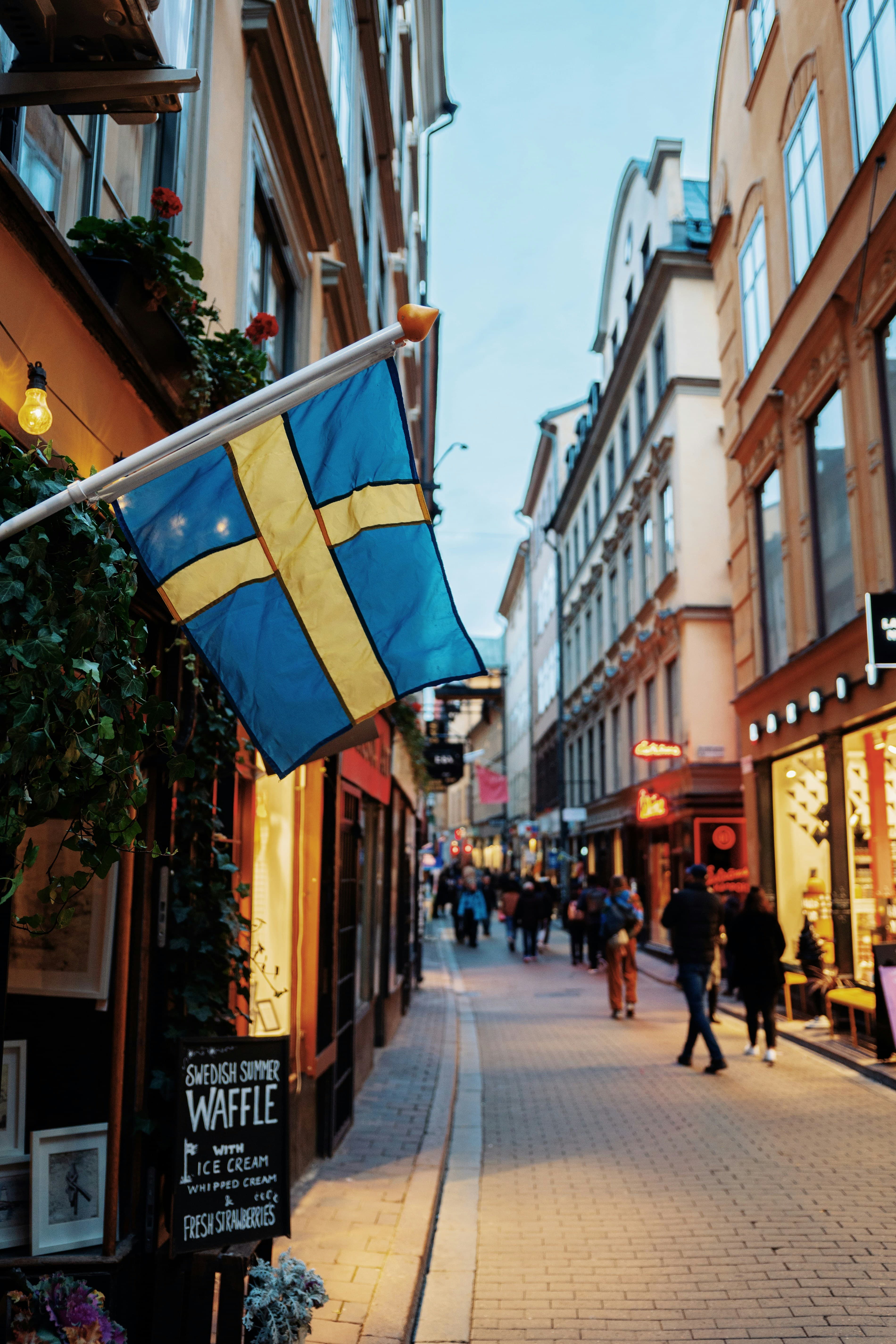
The Stockholm Archipelago is a lacework of more than 30,000 islands, islets, and skerries stretching like a necklace from the Swedish capital into the Baltic Sea. It’s a landscape carved by ice, smoothed by wind, and refined by a culture that prizes simple pleasures: wooden saunas, cold dips, pickled herring, freshly smoked fish, and the slow rhythm of ferries threading their daily routes. If you’re planning a 2025 escape that balances nature, history, and design, there’s no better long weekend than island‑hopping from the city’s quays to quiet pine forests, granite beaches, and village bakeries serving cinnamon buns under the midsummer sun.
This guide lays out a practical itinerary for three to five days, showing you how to ride ferries like a local, where to linger for saunas and sea swims, and which islands blend culture with coastal hikes. You’ll find logistics for tickets and timetables, advice on seasonality and daylight, thoughtful etiquette tips, and smart ways to book transport and stays—including cheap flights to Stockholm, the best hotels in Stockholm, and the cheap car rentals in Stockholm if you want freedom beyond the ferry lines. We also include direct pointers for popular attractions like the Vasa Museum tickets and what to do if your journey doesn’t go to plan, including seeking compensation for delayed flights when needed.
Why the Archipelago Works So Well for a Long Weekend
There are few places in Europe where you can hop from a cosmopolitan capital into deep nature in under an hour. The Stockholm Archipelago is unique: islands are threaded by a robust network of ferries, local buses, and, in summer, seasonal services that make spontaneous detours easy. You can sleep on an island with no cars, wake to the slap of water on a jetty, and still be back in the city the same evening for a design exhibition or a plate of toast skagen.
The archipelago is also forgiving for first‑timers: trailheads start at ferry piers, wayfinding is simple, and many islands blend guesthouses with casual restaurants, saunas, and small grocers. You’ll get forest paths shaded by pines, sun‑warmed rocks for swims, and sunset skies that linger forever in June and July.
Getting There and Around
Arriving in Stockholm
Most travelers fly into Arlanda (ARN), which has frequent rail and bus links to the city center. For flexible, budget‑friendly fares into Scandinavia, start with cheap flights to Stockholm. If your arrival is disrupted, keep documentation so you can check eligibility for compensation for delayed flights later.
Understanding the Ferry System
Multiple operators run archipelago services, the most famous being Waxholmsbolaget. In summer (late May to early September), routes increase and some islands become daily accessible. Ferries are comfortable, with indoor lounges and open decks, and most allow bikes. Tickets are usually purchased on board or via apps; check your route before boarding, as some sailings are request‑stops where you need to hail the boat from the pier. Shoulder seasons (May, September) still work well; deep winter crossings run but require more planning.
Key Piers and Hubs
- Strömkajen/Slussen (City): Central departure points for near‑island routes and day trips.
- Vaxholm: The classic gateway town with castle views, cafés, and frequent onward ferries.
- Stavsnäs/Åkersberga/Nynäshamn: Mainland piers serving mid‑ and outer‑archipelago islands.
- Sandhamn: A storied sailors’ hub far out in the archipelago, ideal as a trip finale.
- Saltsjöbaden: Easily reached by train; connects walkers to coastal trails and bathhouses.
- Djurgården: Urban island for museums (including the Vasa Museum tickets) before you sail.
Do You Need a Car?
Not for island‑hopping. Ferries and buses cover almost everything most travelers want. A car is useful if you crave mainland hikes or plan to carry gear (kayaks, fishing equipment) or if you’re extending into the countryside before or after your archipelago days. If so, look for cheap car rentals in Stockholm and verify whether your chosen islands are car‑free (many are) so you can park on the mainland and walk aboard.
Suggested 3–5 Day Itinerary
Day 1: City Warm‑Up on Djurgården
Begin on Djurgården, an emerald island within the city. Browse the Nordiska Museet for Swedish lifestyle history, then pivot to maritime drama with the Vasa Museum tickets—a 17th‑century warship raised from the seabed, preserved with mesmerizing detail. Stroll the canals, find a waterside café, and time a golden‑hour ferry to Nybroplan or Slussen for skyline views. Sleep in the city to catch an early ferry tomorrow; look for centrally located boutique stays among the best hotels in Stockholm to keep transfers simple.
Day 2: Vaxholm and Waxholms Kastell
Take a morning ferry to Vaxholm, a cheerful wooden‑house town that feels like a porch to the archipelago. The harborside has pastry shops, smoked‑fish stalls, and an island fortress—Waxholms Kastell—just a short hop across the channel. Walk the town perimeter for views, then swim at a small beach before a fish‑soup lunch. In the afternoon, hike the shoreline or rent kayaks for an hour. Stay on Vaxholm for an accessible night, or continue to Grinda for more nature.
Day 3: Grinda’s Pine Forests and Granite Baths
Grinda is a classic mid‑archipelago choice: car‑free, compact, and fringed with smooth granite shelves perfect for sunbathing and sea dips. Trails loop between piers, a guesthouse, a casual restaurant, and picnic fields with sheep. Bring snacks from Vaxholm or find seasonal kiosks. Book a sauna hour if running; it’s the most Swedish way to watch light fade over the firs. Sleep on Grinda if you want peaceful mornings, or return to the city late for late‑night cocktails and cozy beds.
Day 4: Sandhamn—Sailors’ Tales and Outer‑Islands Air
If you have a fourth day, aim for Sandhamn, a storied outpost with a yacht‑club vibe, sandy paths, and bright cottages tucked behind pines. The sea feels bigger here; squint and you’re almost at the open Baltic. Stroll to Trouville beach, grab a cinnamon bun, and watch boats slide in at dusk. Overnight if you can—sunrise on Sandhamn is magic—or return to the mainland at Stavsnäs for a rustic cabin or spa hotel among the wider best hotels in Stockholm.
Day 5: Fjäderholmarna or Gällnö, then Back to the City
Short on time? Fjäderholmarna sits surprisingly near the city—perfect for a last‑day picnic with brewery tastings and craft shops. If you want something quieter, try Gällnö: meadows, red boathouses, and a beloved country store with outdoor tables. Loop a gentle trail and end with a swim from a sun‑warmed rock. Return to the city by late afternoon for a final dinner and a stroll along Strandvägen at twilight.
Where to Stay
Decide whether you prefer a city base with day trips or a true island sleepover. Both work beautifully.
City Bases
- Norrmalm/Östermalm: Central, elegant, great for early ferries and late museums. Scan the best hotels in Stockholm for mid‑range boutiques near Strandvägen and Nybroplan.
- Södermalm: Creative, café‑dotted, excellent dining and vintage shops. Ferries from Slussen are close.
- Vasastan: Leafy, residential, with excellent bakeries and calmer evenings.
Island Overnights
- Vaxholm: For a gentle archipelago introduction with frequent connections.
- Grinda: For swims, saunas, and easy trails.
- Sandhamn: For outer‑island atmosphere and yacht‑club energy.
- Gällnö or Möja: Quieter nights, meadow walks, and starry skies.
Essential Sights and Experiences
Ferries as Moving Viewpoints
Choose window seats or wrap‑up on the aft deck to watch the archipelago unfold: spruce silhouettes, red boathouses, flags snapping in the breeze. In the evening, pale light paints the water metallic. Bring a thermos and a pastry; remember that some outer routes have limited cafés.
Saunas and Cold Dips
Swedes do this right. Many islands have bookable saunas; others require a hotel or guesthouse stay. Always shower first, keep voices low, and hop calmly into the brackish Baltic for that invincible post‑sauna glow.
Wood‑Fired and Smokehouse Flavors
Look for island smokehouses serving salmon, whitefish, and herring. Plates tend to be simple—black bread, butter, pickles, fresh dill. Pair with a beer from a local microbrewery or a lingonberry must for a non‑alcoholic option.
Midsummer Light and Autumn Gold
Late June brings long, lingering twilight and flower crowns; September brings crisp air, golden birch leaves, and quieter ferries. Both are excellent. Winter is stark but enchanting if you’re prepared: short days, potential ice, and a hush that feels otherworldly.
Food and Markets
Stockholmers love their fika—coffee with something sweet—and you’ll find archipelago bakeries selling kanelbullar (cinnamon buns), cardamom knots, and almond‑paste delights. In the city, hit Östermalms Saluhall for seafood counters and husmanskost classics before you sail. On islands, expect shorter hours and seasonal menus; pack a picnic if you’re venturing far.
- Don’t miss: Toast skagen, gravlax plates, fish soup, smoked shrimp, and new potatoes with dill.
- Casual treats: Ice creams at piers, fresh waffles, and cinnamon buns mid‑hike.
- Urban markets: Hötorget’s produce stands; Söderhallarna for bites before a south‑side ferry.
Optional Day Trips Beyond the Islands
Uppsala’s Cathedrals and Rivers
Fast trains bring you to Uppsala in under 40 minutes: cobbled lanes, a soaring cathedral, and riverside cafés where you can linger with cardamom buns. It’s a gentle counterpoint to seaside days.
Sigtuna’s Wooden Streets
Sweden’s oldest town charms with painted cottages and lakeside paths. Combine with a stop at a lakeshore café and a slow stroll through runestone‑dotted church ruins.
Skogskyrkogården
This UNESCO‑listed woodland cemetery south of the city is a design pilgrimage: pine groves, serene chapels, and a landscape that choreographs light and shadow. It’s not far from public transit and rewards unhurried wandering.
Safety, Etiquette, Money, and Seasonality
Safety
Stockholm is broadly safe and orderly. Watch your step on wet rocks, pack a windproof layer, and carry water on longer island walks. Ferries are well‑run; verify last departures so you don’t get stranded inadvertently.
Etiquette
- Quiet and queueing: Swedes value calm public spaces and orderly lines. Keep voices soft on ferries and buses.
- Right to Roam (Allemansrätten): Respect nature, avoid private yards, and leave no trace. Pack out all rubbish.
- Sauna norms: Shower first, sit on a towel, and be considerate about attire; mixed rules vary by venue.
Money
Sweden is almost cashless. Use cards or mobile payments everywhere from ferry kiosks to island cafés. Tipping is modest and optional—rounding up or adding 5–10% for table service is appreciated.
Seasonality
- May–June: Flowers, long days, rising ferry frequency. Water is chilly but swimmable for hardy types.
- July–August: Peak season, warmest water, busiest ferries. Book well ahead for stays via the best hotels in Stockholm.
- September: Quieter islands, crisp evenings, golden foliage. A favorite for hikers and photographers.
- October–April: Sparse routes, ethereal light, and the possibility of ice. Requires flexibility and warm layers.
Practical Booking and Timing Tips for 2025+
- Reserve key ferries: Outer‑archipelago routes can fill on sunny weekends. Plan outward legs early in the day.
- Check request stops: Some piers require signaling the boat; read the timetable notes carefully.
- Layer for wind: Even hot days feel cool on open decks. A light shell and a beanie can save an evening crossing.
- Museum timing: Visit the Vasa Museum tickets at opening or late afternoon to avoid crowds.
- Hotel lead times: For June–August, book stays at least a month ahead through the best hotels in Stockholm.
- Transport savings: For flexible airfares and multi‑city options, compare cheap flights to Stockholm across dates; keep receipts in case you need compensation for delayed flights.
- Car add‑ons: If extending inland, compare weekend rates for cheap car rentals in Stockholm and verify ferry car policies.
Getting the Most from 3–5 Days
Three Days
City warm‑up on Djurgården day one, then Vaxholm and Grinda for a blend of harbor charm and forested shores. Return to the city for a final nightcap by the water.
Four Days
Add Sandhamn to feel the outer islands—the pine‑scented trails and open‑sea horizon are worth the extra ride. Time a sunset stroll on the dunes and linger for a slow morning.
Five Days
Layer in a quieter stop like Gällnö or Möja, or extend inland to Uppsala for a cultural shift. Mix sauna hours with longer shoreline hikes and make your final ferry a daytime crossing for better scenery.
Bottom Line
The Stockholm Archipelago delivers the rare combination of easy logistics and true escape. In three to five days, you can weave from world‑class museums to car‑free islands, soak in saunas, float in Baltic coves, and finish each evening with cinnamon‑sugar on your fingers. Ferry sounds become a lullaby; city tempo dissolves into the hush of wind through pine needles. Whether you choose Vaxholm simplicity, Grinda granite, or Sandhamn’s open‑sea glamour, you’ll carry back a Scandinavian kind of calm—and a map in your head of which islands you’ll explore next time.