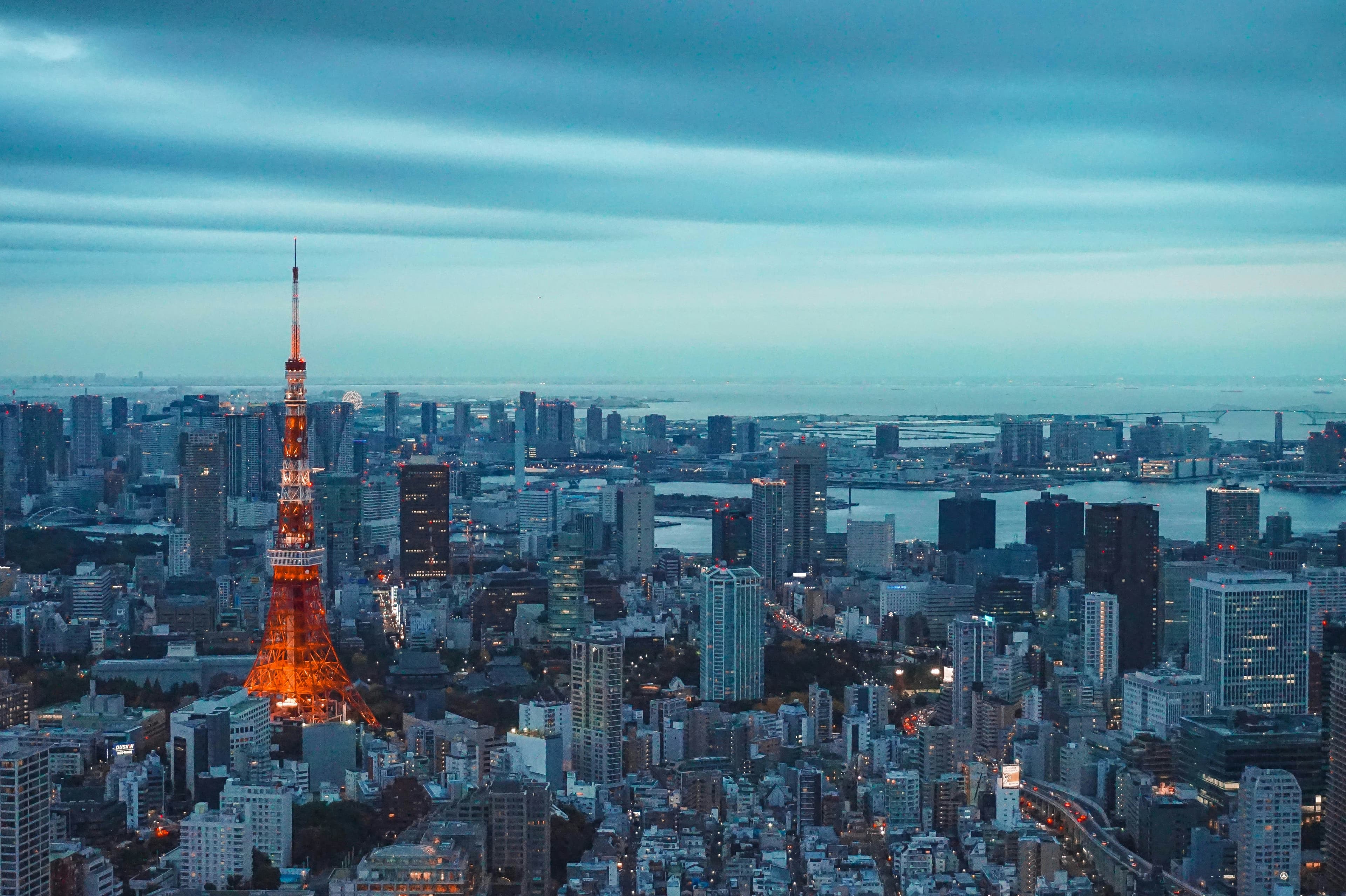
Tokyo combines the highest-functioning urban systems on earth with a playful edge that keeps even repeat visitors energized. Local trains run like clockwork, convenience stores are miniature restaurants, and the city’s neighborhood patchwork shifts from lantern-lit lanes and wood-framed homes to mirrored towers and underground food halls in minutes. In 2025, airline capacity has stabilized, Japan’s tourism infrastructure is firing on all cylinders, and flexible booking options have made planning simpler for everyone from first-timers to seasoned urbanists.
Where to stay: map the vibe, then pick your base
Tokyo’s secret is that there isn’t one “center.” You choose a few themes—food markets and classic shrines, neon shopping and sky-high views, design-forward cafés and quiet residential walks—and then pick lodging that keeps your legs fresh and your transfers short.
Shinjuku: towers, nightlife, and transport power
Shinjuku Station is both a marvel and a maze, with lines that fan out across the metropolis. The west side is skyscraper country—business hotels with strong value on weekends. The east side dances late into the night along Kabukicho and Golden Gai’s tiny bars. Pros: unbeatable train access; cons: sensory overload for some. If this is your first Tokyo visit with a packed itinerary, Shinjuku makes point-to-point movement painless.
Shibuya: youth culture, design hotels, and café breaks
Shibuya Crossing gets the postcards, but the joy lies on side streets stacked with bento counters, vinyl shops, and tiny espresso temples. New-build hotels and apartment-style stays lean stylish and compact. This is ideal for travelers who want late dinners and easy train links to Harajuku, Omotesando, and Nakameguro.
Asakusa: old-town textures near Senso-ji
Lantern light, incense, and the red gates of Senso-ji make Asakusa the gateway for temple-curious travelers. Family-run inns blend tatami rooms with modern baths; riverfront strolls and ferry rides add calm. You trade some late-night options for atmosphere that starts at dawn.
Ginza: effortless luxury and perfect quiet at night
Ginza’s wide boulevards turn pedestrian-only on weekends and feel theatrical after dark—neon reflections in polished windows and attendants in hushed lobbies. If your trip leans into art galleries, omakase dinners, and department store food halls, this district keeps life polished and peaceful.
Ueno & Yanaka: museums, parks, and old Tokyo lanes
Ueno Park ties together world-class museums and a zoo, and the nearby Yanaka district folds in alleys lined with wooden houses and craft shops. This is great for families, museum lovers, and anyone who wants to walk tree-lined paths between big-ticket stops.
For flexible, cancellable rates and member prices, start here: hotel deals in Tokyo.
Getting around: master trains and you master the city
- Suica/PASMO IC cards: Load once, tap everywhere—metro, JR lines, some buses, and even vending machines. Mobile versions on iPhone and Android are seamless.
- JR Yamanote Line: The green loop line that stitches together Shinjuku, Shibuya, Harajuku, Tokyo Station, Ueno, and more. It’s the beginner’s compass.
- Metro and Toei lines: Dense, punctual networks. Download an offline map and use station numbers (e.g., G09 on the Ginza Line) to cut through language barriers.
- Taxis and rideshare: Immaculate and safe, but pricier. Use for late nights when transfers shrink; doors open and close automatically.
- Car rentals: Not needed for the city but handy for Fuji Five Lakes or Izu Peninsula road days. Compare rates: cheap car rentals in Tokyo.
Essential sights and experiences
Senso-ji Temple and Asakusa’s Nakamise Street
Start early to catch incense drifting through the main hall and locals making quiet offerings. Nakamise’s stalls sell sweets and souvenirs; turn left and right into side lanes for calmer tea shops and craft studios.
Meiji Shrine and Yoyogi Park
Just steps from Harajuku’s youth fashion, a forested path leads to Meiji Shrine’s cypress gates. Watch for weddings on weekends and cleanse your hands at the temizuya before approaching the main hall.
Shibuya Sky and the Crossing
From the rooftop, the city looks infinite; down below, the famed scramble intersection surges. Time your visit for sunset and blue hour to see Tokyo switch on like a circuit board.
Tokyo Skytree and Sumida views
At 634 meters, Skytree’s observation decks float above the city’s spiderweb of rivers and rails. For smoother entry on busy weekends and holidays, grab timed tickets in advance: Tokyo Skytree tickets.
teamLab Planets TOKYO
An immersive art experience where you wade through knee-deep water and stand in rooms of floating flowers and mirrored galaxies. It’s singular—and tickets sell out. Reserve ahead via teamLab Planets entry.
Tsukiji Outer Market and Toyosu Fish Market
Toyosu handles the dawn tuna auctions; Tsukiji Outer Market keeps the old spirit alive with knife shops, grilled skewers, and breakfast counters that earn repeat visits. Eat standing up; it’s part of the rhythm.
Ueno Park museums
Choose one or two: the Tokyo National Museum for samurai armor and ancient ceramics, the National Museum of Nature and Science for kid-friendly dinos and tech, or the Western Art museum for European classics.
Odaiba and the waterfront
Take the driverless Yurikamome line over Rainbow Bridge to a futuristic bay of shopping arcades, seaside promenades, and photo ops with the mini Statue of Liberty.
Ready to explore prices from home? Start broad, then narrow by airline and schedule: cheap flights to Tokyo.
Food culture and markets: from convenience stores to kaiseki
Japan’s culinary ladder has no weak rung. You can eat memorably at a convenience store, slurp a life-changing bowl in a 10-seat ramen bar, and dress up for a kitchen-counter omakase—all in one day.
- Depachika (department store basements): Bento, tempura boxes, sashimi, and pastries—gorgeous displays and premium ingredients. Go near closing for discounts.
- Ramen and tsukemen: Queue for legends if you like, or use a ticket machine to order shio, shoyu, miso, or tonkotsu styles wherever you are when hunger hits.
- Yakitori and izakaya: Alleys like Omoide Yokocho (Shinjuku) and Harmonica Yokocho (Kichijoji) pack smoky grills and frosty beer mugs; be polite about line order and stool shuffles.
- Conbini magic: Lawson karaage-kun, 7-Eleven egg sando, FamilyMart fried sweet potatoes. Perfect snacks between museum stops.
- Market mornings: Tsukiji Outer Market for tuna collars, tamagoyaki, and jade-green tea. Bring small bills, keep sidewalks clear.
Night markets and after-dark neighborhoods
Tokyo is not a single night market city like Taipei or Bangkok, but its alleys and covered arcades create a mosaic of evening scenes—food stalls, retro game arcades, cozy standing bars.
- Ameya-Yokocho (Ueno): Discount snacks, dried seafood, and street eats in a boisterous former black market.
- Omoide Yokocho (Shinjuku): Pocket-sized yakitori bars with smoke curling out of doorways. Mind your bag and clothes; the grills perfume everything.
- Shin-Okubo: K-culture corridor for late-night fried chicken, tteokbokki, and K-pop shopping.
- Asakusa side streets: Lantern-lit lanes with craft beer, wagashi, and closed-door bars with strict seating etiquette.
Optional day trips: high reward with minimal logistics
Nikko: shrines in cedar forests
Two hours north by train, Nikko’s Toshogu Shrine gleams with ornate carvings and gold leaf, wrapped in towering cedars. Walk the stone lantern paths at first light for near-silence.
Hakone: hot springs and Fuji views
Onsen towns, ropeways over sulfur vents, and lake cruises with postcard angles of Mount Fuji. Stay one night for full relaxation; day-trippers should use a Hakone Free Pass to link transport modes.
Kamakura & Enoshima: coastal temples
Sea breezes, a giant Buddha, and hydrangea-lined trails. Combine temple hops with a sunset beach walk and train home after dinner.
Kawagoe: Little Edo textures
Warehouses, bell towers, and candy lanes framed by tiled roofs. It’s a photographer’s dream and a gentle pace change from Shinjuku’s tempo.
Safety, etiquette, money, and seasonality
- Safety: Tokyo is among the safest megacities on earth. Petty crime is rare; lost items are often returned. Keep standard city sense in nightlife zones.
- Etiquette: Queue lines, speak softly on trains, and avoid walking while eating on busy streets. Shoes off where indicated. Cash trays on counters are normal.
- Money: Cards are increasingly accepted, but some ramen shops and indie cafés remain cash-first. ATMs in 7-Eleven and post offices are reliable for international cards.
- Connectivity: eSIMs and airport SIM counters make data simple. Station Wi‑Fi helps in a pinch.
- Seasonality: Cherry blossoms (late Mar–early Apr) and autumn leaves (Nov) are peak. Summer is humid; winter is clear and crisp with fewer crowds. Rain is frequent—pack a compact umbrella.
Booking and timing for 2025+
Tokyo rewards travelers who mix flexible search with decisive buying. Book smart, then relax into a city that runs on time.
- Flights: Search month-long calendars to spot shoulder-season dips. Open a new tab and start wide: cheap flights to Tokyo.
- Hotels: Reserve cancellable rates and re-check a week out for drops or room upgrades. Browse current offers: hotel deals in Tokyo.
- Attractions: High-demand entries (Skytree, teamLab) sell out on weekends and holidays—book ahead via skip-the-line tickets.
- Day trips: JR Passes are now more targeted; crunch exact fares to see if a regional pass makes sense. Reserve rental cars early for Fuji Five Lakes: cheap car rentals in Tokyo.
- Disruptions: Typhoons and heat waves can ripple schedules. Save this for fast claims: compensation for delayed flights.
The concise bottom line
Let trains do the heavy lifting, pick a neighborhood that matches your mood, and sprinkle your days with markets, shrines, and skyline views. Book timed entry for the big-ticket experiences (Skytree, teamLab Planets), keep an eye on shoulder-season airfare dips, and protect your time with flexible hotel rates. Tokyo is the rare megacity that is both intense and deeply kind to visitors—arrive curious, and the city does the rest.