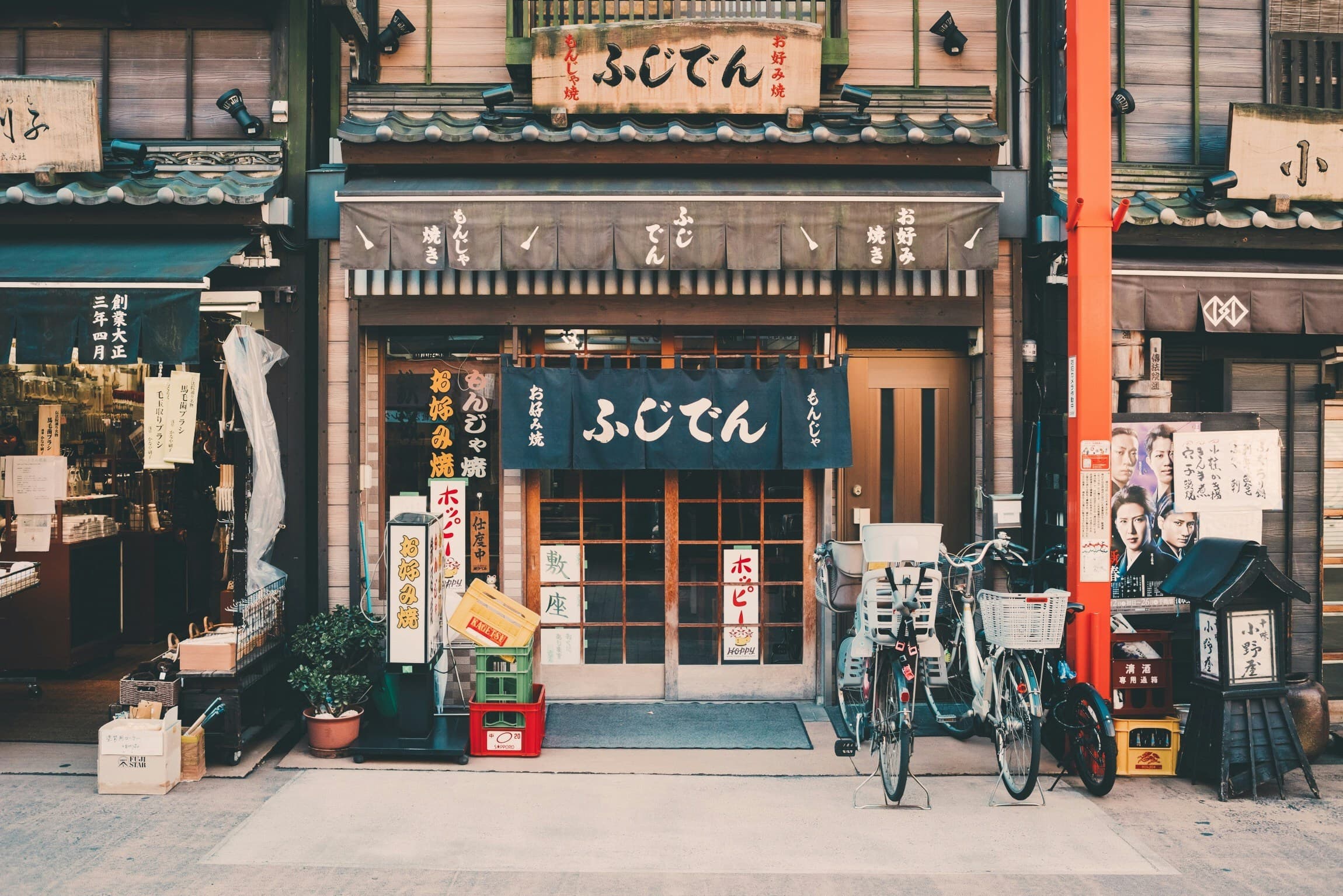
Immerse yourself in the authentic heart of Japanese culture with our comprehensive guide to ryokan (traditional inns) and onsen (hot springs) experiences in 2026. This ancient tradition combines luxurious hospitality, therapeutic thermal waters, and centuries-old customs to create an unforgettable journey into Japan's most cherished cultural heritage. Whether you're a first-time visitor or a seasoned Japan traveler, this guide will help you navigate the nuances of traditional Japanese hospitality and create memories that last a lifetime.
Why Choose Ryokan and Onsen for Your 2026 Japan Experience?
In an increasingly digital and fast-paced world, ryokan and onsen offer a rare opportunity to disconnect and experience authentic Japanese hospitality that has remained largely unchanged for centuries. These traditional establishments provide more than just accommodation—they offer a complete cultural immersion that connects you to Japan's spiritual and social traditions.
2026 represents an ideal time to experience this cultural heritage, as Japan continues to welcome international travelers while maintaining the authenticity that makes these experiences so special. Modern amenities blend seamlessly with traditional practices, ensuring comfort without sacrificing cultural integrity.
Understanding Ryokan: Traditional Japanese Hospitality
What is a Ryokan?
Ryokan are traditional Japanese inns that embody the principles of omotenashi (selfless hospitality) and provide guests with an authentic taste of Japanese culture. Unlike Western hotels, ryokan offer a complete cultural experience that includes traditional architecture, seasonal cuisine, and personalized service.
- Traditional Architecture: Wooden structures with tatami mat floors, sliding paper doors (shoji), and traditional Japanese gardens
- Seasonal Cuisine: Multi-course kaiseki meals featuring local, seasonal ingredients
- Personalized Service: Attentive staff who anticipate your needs and provide warm, genuine hospitality
- Cultural Activities: Tea ceremonies, calligraphy, and other traditional Japanese arts
Types of Ryokan Experiences
Ryokan experiences vary significantly based on location, size, and style:
- Urban Ryokan: Located in major cities, offering traditional experiences with easy access to attractions
- Rural Ryokan: Set in countryside or mountain villages, providing peaceful retreats and natural surroundings
- Luxury Ryokan: High-end establishments with premium amenities and exclusive services
- Family-Run Ryokan: Intimate, personal experiences with authentic local hospitality
- Onsen Ryokan: Specialized inns built around natural hot springs
Onsen Culture: Japan's Natural Thermal Therapy
The Healing Power of Japanese Hot Springs
Japan's volcanic landscape has created thousands of natural hot springs, each with unique mineral compositions and therapeutic properties. Onsen bathing is deeply embedded in Japanese culture and offers both physical and spiritual benefits.
- Mineral Benefits: Different onsen contain various minerals like sulfur, iron, and sodium that provide specific health benefits
- Stress Relief: The combination of hot water and natural surroundings creates a deeply relaxing experience
- Cultural Connection: Onsen bathing follows centuries-old traditions and social customs
- Seasonal Experience: Each season offers unique onsen experiences, from cherry blossoms to autumn foliage
Types of Onsen Experiences
Onsen experiences range from simple public baths to elaborate resort complexes:
- Public Onsen: Community baths that offer authentic local experiences at affordable prices
- Private Onsen: Individual or family bathing rooms for privacy and comfort
- Mixed-Gender Onsen: Traditional mixed bathing (konyoku) in some rural areas
- Gender-Separated Onsen: Modern facilities with separate areas for men and women
- Outdoor Onsen (Rotenburo): Open-air baths that connect you with nature
Essential Pre-Trip Planning and Preparation
When to Visit Japan for Ryokan and Onsen
Timing your visit can significantly enhance your ryokan and onsen experience:
- Spring (March-May): Cherry blossom season creates magical onsen experiences, with petals floating in the water
- Summer (June-August): Cooler mountain ryokan provide relief from urban heat, though some onsen may be too hot
- Autumn (September-November): Fall foliage creates stunning backdrops for outdoor onsen experiences
- Winter (December-February): Snow-covered landscapes and steaming onsen create magical winter wonderlands
Required Reservations and Advance Planning
Popular ryokan, especially those with onsen, require advance booking:
- Peak Season Booking: Reserve 6-12 months in advance for cherry blossom and autumn foliage seasons
- Weekend Bookings: Secure weekend stays 3-6 months ahead, especially for popular destinations
- Special Occasions: Book 12+ months ahead for holidays, festivals, and special events
- Last-Minute Options: Some ryokan offer last-minute availability, but options are limited
Cultural Preparation and Etiquette
Understanding Japanese customs enhances your experience and shows respect for local culture:
- Basic Japanese Phrases: Learn simple greetings and thank you expressions
- Cultural Sensitivity: Understand the importance of respect, cleanliness, and quiet behavior
- Onsen Etiquette: Learn proper bathing procedures and social customs
- Ryokan Customs: Understand meal times, room service, and traditional practices
Getting to Your Ryokan: Transportation and Access
International Flights and Entry Points
Japan's major airports provide excellent access to ryokan destinations throughout the country:
- Tokyo (NRT/HND): Gateway to ryokan in Hakone, Nikko, and the Japanese Alps
- Osaka (KIX): Access to ryokan in Arima Onsen, Kinosaki Onsen, and the Kansai region
- Nagoya (NGO): Convenient for ryokan in the Japanese Alps and central Honshu
- Sapporo (CTS): Perfect for ryokan in Hokkaido's hot spring regions
Book your cheap flights to Tokyo, cheap flights to Osaka, or other Japanese cities well in advance to secure the best rates and availability.
Domestic Transportation to Ryokan Destinations
Japan's excellent public transportation system makes reaching ryokan destinations straightforward:
- Shinkansen (Bullet Trains): High-speed rail connecting major cities to ryokan regions
- Local Trains: Regional services providing access to smaller onsen towns
- Buses: Direct bus services to many ryokan destinations from major cities
- Private Transfers: Many ryokan offer pickup services from nearby train stations
Navigating to Remote Ryokan
Some of the most authentic ryokan experiences are found in remote locations:
- Mountain Ryokan: Often accessible by cable cars, funiculars, or hiking trails
- Island Ryokan: Require ferry or boat transportation from mainland ports
- Rural Ryokan: May require taxi services or pre-arranged transportation
- Seasonal Access: Some remote ryokan have limited access during winter months
Where to Stay: Top Ryokan Destinations and Regions
Hakone: Mountain Retreat Near Tokyo
Hakone offers the perfect combination of accessibility and authentic ryokan experience:
- Accessibility: Just 90 minutes from Tokyo by train, perfect for short getaways
- Onsen Quality: Famous for its sulfuric hot springs with therapeutic properties
- Scenic Beauty: Views of Mount Fuji and Lake Ashi from many ryokan
- Cultural Activities: Traditional crafts, museums, and historic sites nearby
Popular ryokan in Hakone include Hakone Ginyu, Hakone Yumoto, and Gora Kadan, each offering unique onsen experiences and traditional hospitality.
Kinosaki Onsen: Traditional Hot Spring Town
Kinosaki Onsen represents the quintessential Japanese onsen town experience:
- Seven Public Baths: Each with unique characteristics and healing properties
- Traditional Architecture: Well-preserved Edo-period buildings and streetscapes
- Authentic Atmosphere: Less touristy than major destinations, offering genuine local experience
- Seasonal Beauty: Stunning cherry blossoms in spring and colorful foliage in autumn
Book your ryokan accommodations in Kinosaki Onsen well in advance, as this destination is popular with both domestic and international travelers.
Arima Onsen: Historic Hot Spring Resort
One of Japan's oldest onsen destinations, Arima Onsen offers rich history and tradition:
- Historical Significance: Mentioned in ancient texts and visited by emperors and nobles
- Unique Water Types: Both "gold" (iron-rich) and "silver" (radium-rich) hot springs
- Traditional Ryokan: Many establishments have operated for centuries
- Cultural Heritage: Historic temples, shrines, and traditional architecture
Gero Onsen: Japanese Alps Hot Springs
Located in the scenic Japanese Alps, Gero Onsen offers mountain beauty and therapeutic waters:
- Alpine Setting: Surrounded by mountains with hiking and outdoor activities
- Water Quality: Soft, alkaline waters known for skin benefits
- Seasonal Activities: Skiing in winter, hiking in summer, and year-round onsen bathing
- Local Culture: Traditional mountain village atmosphere with authentic ryokan
Getting Around: Transportation and Navigation at Your Destination
Local Transportation Options
Once at your ryokan destination, various transportation options are available:
- Walking: Many ryokan are located in compact areas perfect for exploring on foot
- Local Buses: Regular bus services connecting ryokan areas with attractions and transportation hubs
- Bicycles: Many ryokan offer bicycle rentals for exploring the surrounding area
- Taxi Services: Available for longer distances or when carrying luggage
Navigating Between Multiple Onsen
Many destinations offer multiple onsen experiences:
- Onsen Hopping: Visit multiple hot springs in one day using local transportation
- Combination Tickets: Some areas offer passes for multiple onsen access
- Guided Tours: Local guides can help you experience the best onsen in the area
- Seasonal Access: Some onsen are only accessible during certain seasons
Accessibility Considerations
Modern ryokan increasingly accommodate various accessibility needs:
- Wheelchair Access: Many ryokan offer accessible rooms and facilities
- Private Onsen: Individual bathing rooms provide privacy and comfort
- English Support: Growing number of ryokan offer English-speaking staff
- Special Diets: Many ryokan can accommodate dietary restrictions with advance notice
Essential Sights and Experiences at Your Ryokan
Traditional Ryokan Architecture and Design
Ryokan architecture reflects centuries of Japanese design philosophy:
- Tatami Rooms: Traditional straw mat flooring that creates a unique atmosphere
- Shoji Screens: Sliding paper doors that provide privacy while allowing natural light
- Engawa: Covered verandas connecting indoor and outdoor spaces
- Traditional Gardens: Carefully designed landscapes that change with the seasons
- Onsen Facilities: Beautifully designed bathing areas that blend function and aesthetics
Kaiseki Dining Experience
Ryokan dining represents the pinnacle of Japanese culinary art:
- Seasonal Ingredients: Menus change with the seasons to showcase the best local produce
- Artistic Presentation: Each dish is carefully arranged to please both the eye and palate
- Local Specialties: Regional dishes and ingredients unique to each area
- Traditional Service: Meals often served in your room by attentive staff
- Dietary Accommodations: Many ryokan can modify menus for special dietary needs
Onsen Bathing Rituals
Onsen bathing follows specific traditions and etiquette:
- Preparation: Thoroughly wash before entering the onsen water
- Bathing Order: Start with cooler pools and gradually move to hotter ones
- Time Limits: Limit individual sessions to 10-15 minutes to avoid overheating
- Hydration: Drink plenty of water before and after onsen bathing
- Rest Periods: Take breaks between bathing sessions to allow your body to adjust
Food and Markets: Culinary Experiences at Your Ryokan
Traditional Japanese Breakfast
Ryokan breakfasts are elaborate affairs featuring traditional Japanese morning foods:
- Miso Soup: Traditional soup made with fermented soybean paste and seasonal ingredients
- Grilled Fish: Fresh local fish prepared simply to highlight natural flavors
- Pickled Vegetables: Seasonal pickles that provide probiotics and digestive benefits
- Rice and Nori: Steamed rice with seaweed, a staple of Japanese breakfast
- Seasonal Items: Fresh fruits, eggs, and other items that change with the seasons
Local Food Markets and Specialty Shops
Many ryokan destinations feature excellent local food markets:
- Morning Markets: Fresh produce, local specialties, and traditional foods
- Specialty Shops: Local crafts, traditional sweets, and regional products
- Seasonal Foods: Products that are only available during specific times of year
- Local Restaurants: Casual dining options for meals outside your ryokan
Traditional Japanese Sweets and Tea
Japanese confectionery and tea culture are integral to the ryokan experience:
- Wagashi: Traditional Japanese sweets that change with the seasons
- Matcha Tea: Powdered green tea served with sweets in traditional ceremonies
- Local Specialties: Regional sweets and snacks unique to each area
- Tea Ceremonies: Some ryokan offer traditional tea ceremony experiences
Optional Day Trips and Extended Exploration
Cultural and Historical Sites
Many ryokan destinations are surrounded by significant cultural attractions:
- Temples and Shrines: Ancient religious sites that offer insight into Japanese spirituality
- Traditional Gardens: Carefully designed landscapes that showcase Japanese aesthetic principles
- Museums: Collections of local history, art, and culture
- Historic Districts: Well-preserved areas that transport you to earlier periods
Book your temple and shrine visits and other cultural experiences in advance to ensure availability during your stay.
Natural Attractions and Outdoor Activities
Ryokan destinations often offer excellent outdoor experiences:
- Hiking Trails: Scenic paths through mountains, forests, and countryside
- Seasonal Activities: Cherry blossom viewing, autumn foliage walks, and winter snow activities
- Water Activities: Boat rides on lakes, river cruises, and coastal exploration
- Wildlife Viewing: Opportunities to see local flora and fauna in natural settings
Local Crafts and Artisan Experiences
Many ryokan areas are centers of traditional Japanese crafts:
- Pottery Studios: Traditional ceramics and pottery-making experiences
- Textile Workshops: Silk weaving, indigo dyeing, and other traditional crafts
- Woodworking: Traditional joinery and furniture-making demonstrations
- Paper Making: Traditional washi paper production and crafts
Safety, Etiquette, and Essential Tips
Onsen Safety and Health Considerations
While onsen are generally safe, certain precautions ensure a healthy experience:
- Medical Conditions: Consult your doctor if you have heart conditions, high blood pressure, or other health concerns
- Temperature Awareness: Start with cooler pools and gradually acclimate to hotter temperatures
- Hydration: Drink plenty of water before, during, and after onsen bathing
- Time Limits: Limit individual sessions to avoid overheating and dehydration
- Alcohol Avoidance: Never enter onsen after consuming alcohol
Cultural Etiquette and Social Customs
Understanding and respecting Japanese customs enhances your experience:
- Quiet Behavior: Maintain quiet voices, especially in onsen areas and ryokan corridors
- Removing Shoes: Always remove shoes when entering ryokan rooms and some common areas
- Respect for Privacy: Be mindful of other guests' privacy and personal space
- Traditional Dress: Many ryokan provide yukata (casual kimono) for guests to wear
- Meal Times: Respect scheduled meal times and inform staff if you need to adjust
Language and Communication
Effective communication enhances your ryokan experience:
- Basic Japanese Phrases: Learn simple greetings, thank you, and please expressions
- Translation Apps: Use smartphone apps for more complex communication needs
- Staff Assistance: Many ryokan have staff who speak some English
- Written Communication: Some ryokan provide information in multiple languages
Money, Budgeting, and Financial Planning
Cost Breakdown for Different Ryokan Experiences
Ryokan costs vary significantly based on location, amenities, and season:
- Budget Ryokan: $100-200 per person per night for basic traditional accommodations
- Mid-Range Ryokan: $200-400 per person per night with onsen access and meals
- Luxury Ryokan: $400-800+ per person per night with premium amenities and exclusive services
- Peak Season Premiums: Expect 20-50% higher rates during cherry blossom and autumn foliage seasons
What's Included in Your Ryokan Rate
Understanding what's included helps with budgeting:
- Accommodation: Traditional tatami room with futon bedding
- Meals: Usually includes dinner and breakfast (half-board)
- Onsen Access: Use of hot spring facilities (if available)
- Yukata and Amenities: Traditional clothing and basic toiletries
- Cultural Activities: Some ryokan include tea ceremonies or other traditional experiences
Additional Costs to Consider
Budget for these additional expenses:
- Transportation: Local travel costs and transfers to/from the ryokan
- Additional Meals: Lunch and snacks if not included in your rate
- Cultural Activities: Optional experiences like tea ceremonies or guided tours
- Souvenirs and Shopping: Local crafts, traditional items, and regional products
- Gratuities: While not expected in Japan, small gifts for exceptional service are appreciated
Seasonality and Best Times for Different Experiences
Spring: Cherry Blossom Season (March-May)
Spring offers magical ryokan and onsen experiences:
- Cherry Blossom Onsen: Many ryokan have outdoor onsen surrounded by blooming cherry trees
- Seasonal Cuisine: Spring ingredients like bamboo shoots, fresh greens, and early vegetables
- Pleasant Weather: Comfortable temperatures perfect for outdoor onsen and exploration
- Cultural Events: Cherry blossom festivals and traditional celebrations
Summer: Mountain Retreats and Cooler Climates (June-August)
Summer ryokan experiences focus on escaping urban heat:
- Mountain Ryokan: Cooler temperatures in alpine regions and mountain villages
- Outdoor Onsen: Evening onsen under the stars with cooler temperatures
- Seasonal Activities: Hiking, river activities, and mountain exploration
- Festival Season: Traditional summer festivals and celebrations
Autumn: Foliage and Harvest Season (September-November)
Autumn is considered by many to be the best season for ryokan experiences:
- Fall Foliage: Stunning autumn colors create spectacular backdrops for outdoor onsen
- Harvest Cuisine: Rich autumn ingredients like mushrooms, chestnuts, and seasonal fish
- Comfortable Weather: Pleasant temperatures perfect for outdoor activities and onsen bathing
- Fewer Crowds: Less tourist traffic compared to spring and summer
Winter: Snow and Steam (December-February)
Winter creates magical ryokan and onsen experiences:
- Snow-Covered Landscapes: Beautiful winter scenery surrounding ryokan and onsen
- Steaming Onsen: Contrast between cold air and hot water creates unique sensations
- Winter Cuisine: Hearty hot pot dishes and warming seasonal foods
- Indoor Comfort: Cozy ryokan rooms perfect for winter relaxation
Booking and Timing for 2026 and Beyond
Advance Planning Timeline
Successful ryokan and onsen experiences require careful advance planning:
- 12-18 months ahead: Research destinations, identify preferred ryokan, and understand seasonal considerations
- 6-12 months ahead: Book peak season accommodations, especially for cherry blossom and autumn foliage
- 3-6 months ahead: Secure transportation, arrange local activities, and finalize itineraries
- 1-3 months ahead: Confirm reservations, arrange special dietary needs, and prepare for cultural experiences
Booking Strategies for Popular Ryokan
Popular ryokan require strategic booking approaches:
- Direct Booking: Many ryokan prefer direct reservations through their websites or phone
- Travel Agencies: Specialized Japan travel agencies can secure difficult-to-book ryokan
- Package Deals: Some ryokan offer packages that include transportation and activities
- Last-Minute Availability: Some ryokan offer last-minute deals, but options are limited
Flexible Booking Options
Maintain flexibility in your ryokan plans:
- Refundable Rates: Choose booking options that allow changes or cancellations
- Travel Insurance: Comprehensive coverage for trip cancellations and medical emergencies
- Alternative Dates: Have backup dates in case your preferred time is unavailable
- Multiple Destinations: Consider several ryokan destinations to increase booking flexibility
Bottom Line: Your Authentic Japanese Experience Awaits
Ryokan and onsen experiences represent the heart of traditional Japanese hospitality and offer a unique opportunity to connect with centuries-old cultural traditions. In 2026, these authentic experiences continue to provide the perfect balance of cultural immersion, natural therapy, and luxurious comfort that makes Japan such a special destination.
The key to a successful ryokan and onsen experience lies in understanding the cultural context, respecting traditional customs, and allowing yourself to fully embrace the slower pace and mindful approach that these establishments embody. Whether you choose a mountain retreat, a historic hot spring town, or an urban ryokan, you'll be rewarded with memories and experiences that connect you to the authentic spirit of Japan.
Start planning your ryokan and onsen adventure today by exploring our affiliate links for cheap flights to Japan, ryokan accommodations, and cultural experiences. Your authentic Japanese cultural immersion awaits in the peaceful embrace of traditional ryokan and healing onsen waters!