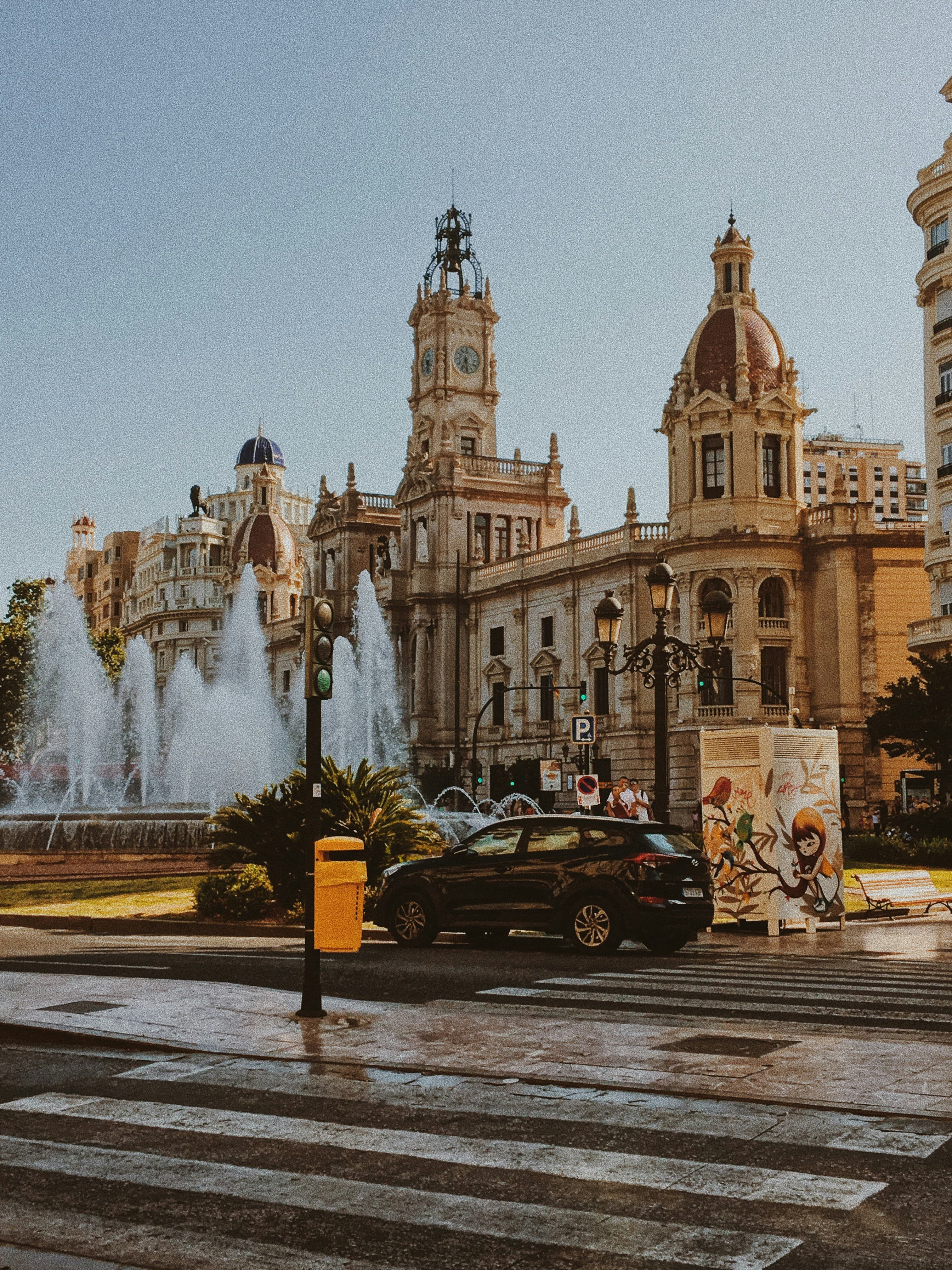
Valencia is where Mediterranean light meets forward‑looking design. A historic center of honeyed stone and orange‑scented plazas flows into the ultra‑modern curves of the City of Arts and Sciences, and then out again to miles of sandy beaches and a recovering urban park carved from a former river. In 2025 the city feels confident: bike lanes are better, markets are bustling, restaurants balance tradition and innovation, and the sea is minutes away when you want it. This long‑form guide combines editor‑tested routes with practical logistics so you can plan a 2–4 day trip that feels effortless: where to stay, how to move, must‑see sights and experiences, what to eat and where to find it, optional day trips, safety and etiquette notes, seasonality and money, booking windows for 2025, and a concise bottom line for quick decisions.
Why Valencia Belongs on Your 2025 Shortlist
Spain’s third city has finally stepped into its own—without becoming a theme park. Valencia’s scale is human, its culture is local first, and its public spaces are generous. You can have a morning of Gothic silk‑exchange arches and baroque churches, an afternoon among white concrete and blue pools at the City of Arts and Sciences, and a golden‑hour bike to the sea—without feeling rushed. The food is clean and seasonal, the beach promenades are for people, and the Turia Gardens knit it all together like a green river.
Getting There in 2025
Valencia Airport (VLC) sits close to the city with metro, bus, and taxi links into the center. If you’re arriving from abroad, compare cheap flights to Valencia across a full month to catch soft‑shoulder deals in spring and autumn. If your journey involves separate tickets or tight connections, keep buffers—if a disruption strikes, review your rights and consider claiming compensation for delayed flights where eligible. Trains from Madrid and Barcelona are frequent; high‑speed lines deliver you into Estació del Nord (for many services) or Joaquín Sorolla station (AVE), both close to the old town.
Where to Stay: Neighborhoods with Personality
El Carmen (Old Town Core)
Narrow medieval lanes, hidden cloisters, and café‑packed squares. You’ll be steps from La Lonja and the Central Market, with nightlife noise in pockets; choose interior rooms if you’re sound‑sensitive. Book cancellable options on hotels in Valencia for spring weekends and October, which sell out early.
Ruzafa (Russafa)
Creative energy, independent shops, brunch places, and tapas bars spilling onto sidewalks. Streets are more regular than El Carmen and well‑connected by bike. If you want local color and evenings outside your door, Ruzafa is easy to love.
Eixample & Gran Vía
Wide avenues, elegant facades, and calmer nights. You’re still close to the Turia Gardens and the old town, with bigger rooms and grander lobbies than in the medieval core.
Ciutat de les Arts i les Ciències (CAC) & Quatre Carreres
Modern hotels near the white‑curve landmarks, ideal for families and architecture fans. The Turia park is outside your door; the beach and old town are a short ride away. Expect quiet evenings and jogging paths at sunrise.
El Cabanyal & Malvarrosa (Beachfront)
Sea views, promenades, and late lunches. For a beach‑first trip, stay here and transit inland for old‑town mornings. You’ll trade some commute time for sunrise walks and evening breezes. If you plan day trips beyond the city, compare cheap car rentals in Valencia and pick up outside the busiest zones.
Getting Around Without the Stress
Valencia is built for walking and biking. The Turia Gardens—the city’s signature—run like a green ribbon through the center; rent bikes and move park‑to‑park without traffic. Metro and buses fill gaps; taxis and ride‑hailing are reliable late. For coastal runs, the tram puts you near Malvarrosa and Patacona beaches. Driving inside the old town is not recommended; streets are narrow and parking scarce. If you’re planning day trips to Albufera or the orange‑grove hinterland, use cheap car rentals in Valencia for a single day and return the car the same day to avoid parking stress.
Essential Sights and Experiences
La Lonja de la Seda (Silk Exchange)
Gothic columns twist like palm trunks under a ribbed stone canopy; contracts and trust were once inked here in the wealth of woven silk. Come early for quiet light, and step into the orange‑tree courtyard to taste the city’s mercantile past.
Mercado Central (Central Market)
One of Europe’s great food markets—a cathedral of produce, seafood, and cured aromas under stained glass and tile. Snack respectfully: ask for slices, buy a small box of strawberries, and try olives you don’t know. This is where to feel the Mediterranean through your hands and nose.
Valencia Cathedral and the Miguelete Tower
Climb the spiral to see rooftops and the Turia’s green sweep. Inside, track styles from Romanesque to baroque; outside, pause for horchata in a shaded square.
City of Arts and Sciences
Santiago Calatrava’s white curves and glass pools form a future‑leaning campus in the Turia riverbed. Prioritize City of Arts and Sciences tickets for flexible combo access, Oceanogràfic Valencia tickets for Europe’s largest aquarium (kids and marine nerds rejoice), and Hemisfèric IMAX show tickets for an IMAX show or planetarium session. Arrive early for reflections and space.
Turia Gardens
Picnic lawns, playgrounds, bike lanes, and bridges that narrate centuries. You’ll cross and recross it all trip long—embrace it. It’s Valencia’s circulatory system.
El Cabanyal Wooden Balconies and the Promenade
Old fishermen’s houses in bright colors, quiet side streets, and a sea‑front made for long, sandy walks. Eat a late lunch when the day cools.
Albufera Natural Park
Where paella was born. Rice fields, shallow water, and long shadows at sunset; boats glide with birds overhead. Pair a visit with a traditional rice lunch in El Palmar.
Food and Markets: Eat Valencia Well
Valencian cooking is honest and seasonal. Paella means rice cooked thin in a wide pan over flame so the bottom crisps (socarrat). Classic “paella valenciana” carries rabbit, chicken, flat green beans, and garrofó (butter beans)—seafood paella is its own tradition, and mixed versions cater to broad tastes. Respect the basics: rice should not be piled high, and the best paellas are ordered in advance for the table.
Beyond paella, seek fideuà (noodle‑based cousin), all i pebre (eel stew of the Albufera), clóchinas (tiny local mussels in season), esgarraet (salt cod and roasted peppers), and coca (flatbread with toppings). For sweet breaks, drink horchata (tigernut milk) with fartons in the afternoon; in winter, swap for thick hot chocolate and churros.
Buy picnic supplies at Mercado Central or Ruzafa Market, and plan at least one El Cabanyal seafood lunch. Reserve a traditional rice house for Sunday if you want the full families‑around‑a‑pan experience. For everything else, wander and read chalkboards; the best menus change with the day’s catch and the season’s vegetables.
A 2–4 Day Plan That Balances City, Design, and Sea
Day 1: Old Town Foundations
- Morning: La Lonja and Mercado Central. Snack modestly, buy fruit, olives, or cheese for later.
- Late morning: Cathedral, Miguelete climb, and shaded squares for horchata.
- Afternoon: Turia Gardens walk to the bridges; settle on grass with your market finds.
- Evening: Tapas in El Carmen; optional bar‑hop through Ruzafa.
Day 2: Arts and Sciences + Park Life
- Morning: Arrive early to the City of Arts and Sciences; use City of Arts and Sciences tickets and slot Hemisfèric IMAX show tickets if you enjoy IMAX.
- Midday: Oceanogràfic visit with Oceanogràfic Valencia tickets or cycle the Turia for picnic lunch.
- Afternoon: Continue through parks; coffee in Eixample; architecture watching.
- Evening: Dinner near Gran Vía or Ruzafa; slow streets, late dessert.
Day 3: Beach and Cabanyal or Albufera
- Option A: Tram to Malvarrosa; walk the promenade; lunch on seafood in El Cabanyal; siesta and late swim.
- Option B: Albufera Natural Park; boat at golden hour; rice lunch in El Palmar. Use cheap car rentals in Valencia for flexibility.
Day 4: Day Trip or Deep Dive
- Option A: Xàtiva Castle and old town by train.
- Option B: Sagunto’s Roman theatre and castle.
- Option C: Deep Valencia—museums, ceramics, street art tours, or markets you missed.
Optional Day Trips
- Xàtiva: Fortress on a ridge and a handsome old town; easy by rail.
- Sagunto: Layers from Rome to medieval; amphitheatre with views.
- Requena: Wine country; pair a tasting with caves and old streets.
Safety, Etiquette, Money, and Seasonality
Safety
Valencia is safe by European city standards; the usual pickpocket caution applies in crowds and on the beach. Bike lanes are plentiful; ride predictably and yield to pedestrians in shared zones. Sun and heat are bigger risks than crime from late spring to early autumn—carry water and plan shade breaks.
Etiquette
Meals run later than in northern Europe; kitchens open for lunch around 1:30pm and for dinner around 8:30–9:00pm. Dress is casual but neat; in churches, cover shoulders and speak softly. On the beach, keep speakers low and leave no trace.
Money
Euro is the currency. Cards are widely accepted; small cash helps in markets and for tiny cafés. Tipping is modest and discretionary; round up or add 5–10% for table service if service was attentive.
Seasonality
Spring (April–June) and October are ideal: warm days, cool evenings, and manageable crowds. July–August bring heat and beach energy—plan a swim‑and‑siesta rhythm. Winter is mild and good for museums, long lunches, and clear park rides; a light jacket suffices most days.
Booking Windows and 2025 Timing
For spring weekends and October, secure rooms 2–4 months ahead on hotels in Valencia. Track cheap flights to Valencia across a 30‑day view for shoulder‑season dips. Reserve City of Arts and Sciences tickets and Oceanogràfic Valencia tickets during school holidays to avoid queues. If your airline rebooks you unfavorably after a delay, review EU261 rules and consider seeking compensation for delayed flights when eligible.
Practical Tips That Save Time
- Move by bike through the Turia; it’s faster and more pleasant than many roads.
- For paella, book ahead and order for the table; avoid places pushing microwaved pans at odd hours.
- Use the tram for the beach; sunsets are gentle and late dinners fit the rhythm.
- For Albufera, time your boat for golden hour; bring insect repellent in summer.
- If renting a car, pick up outside the medieval core to skip narrow lanes and limited zones.
Accessibility Notes
Major museums and the City of Arts and Sciences provide step‑free routes and elevators. Old‑town streets can be uneven but manageable with care. Trams and modern buses have ramp access; call ahead if you need specific assistance at smaller stations.
The Bottom Line
Valencia is the rare city that lets you have it all without trying too hard: serious heritage, bold contemporary design, a green park that moves you gently through the day, and beaches that reset your senses. Build your trip around morning markets and old‑town light, an immersive half‑day at the City of Arts and Sciences, and an unhurried bike to the sea. Book smart for 2025, keep your logistics light, and trust the rhythm of a city designed for living well.