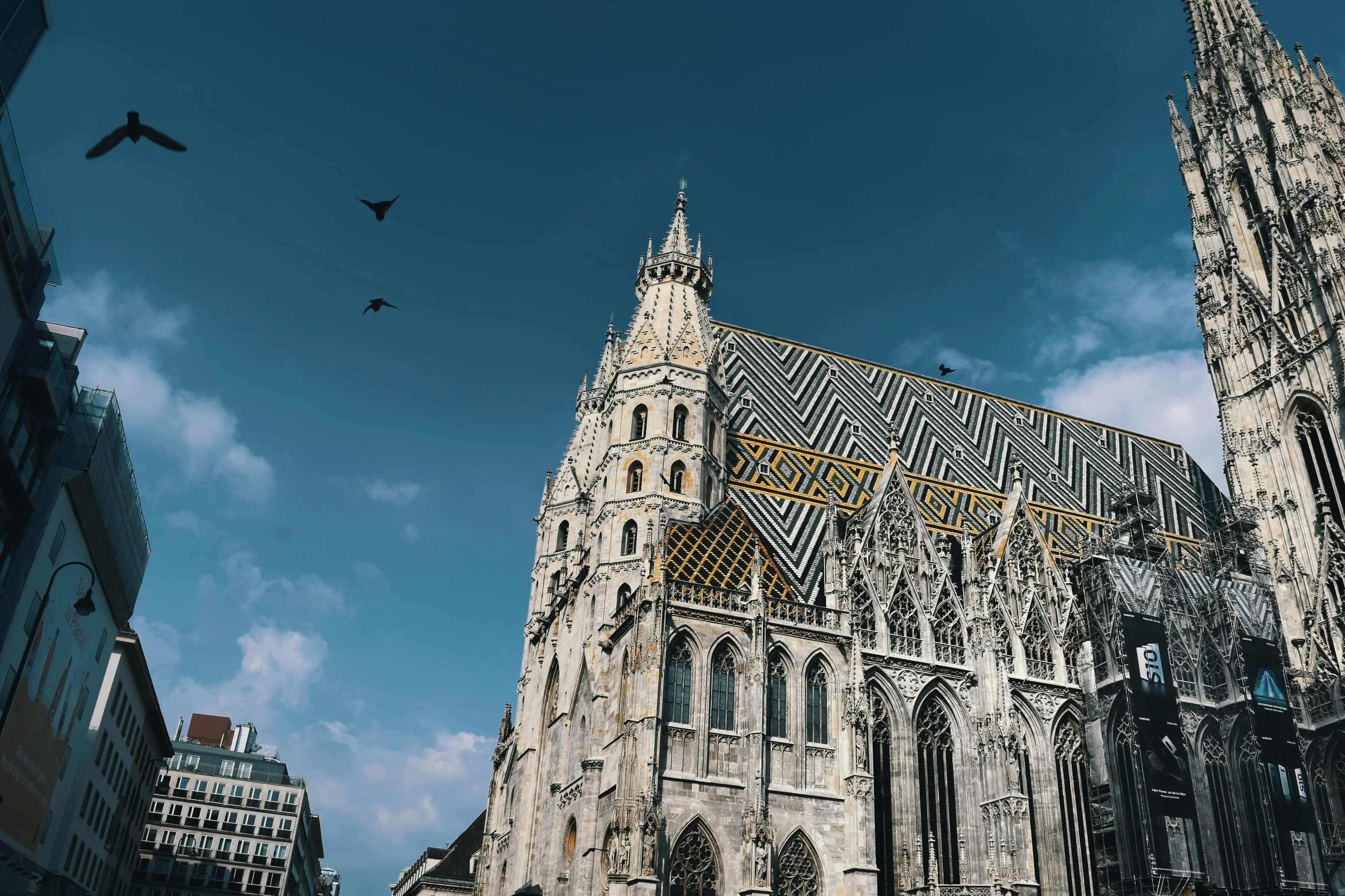
Vienna combines imperial architecture with living culture: coffeehouses where time slows, concert halls tuned to a whisper, and green ribbons that let you cycle out to vineyards within an hour. In 2025, better digital ticketing, expanded contactless payments, and frequent service on the U-Bahn and trams make the city easy to navigate even on your first visit. This guide focuses on what matters: picking the right base, moving efficiently, savoring essential experiences without queuing half your day, and leaving space for serendipity.
Getting there
Start with cheap flights to Vienna. Nonstop and one-stop routes reach Vienna from across Europe, North America, and the Middle East. compensation for delayed flights may help if your itinerary suffers a long delay or cancellation—keep boarding passes and receipts. From Vienna International (VIE), the reliable Railjet and S-Bahn trains run to the city; the City Airport Train is the fastest but not always the best value. Night trains connect from nearby capitals if you prefer rail over air.
Where to stay
Best areas
- Innere Stadt (1st district): The historic core around the Ringstraße: St. Stephen’s Cathedral, Hofburg, and grand museums. Expensive but unbeatable for first-timers who want to walk everywhere.
- Leopoldstadt (2nd): Green, calm, and well connected; the Prater’s parkland gives you morning runs and evening bike rides. Great for families and quiet seekers.
- Neubau (7th) & Mariahilf (6th): Creative streets, boutiques, and the MuseumsQuartier. A fantastic base for cafés, design shops, and galleries with quick tram/U-Bahn links.
- Landstraße (3rd): Close to Belvedere Palace, good value, and direct airport rail links at Wien Mitte.
- Wieden (4th): Residential elegance, the Naschmarkt on your doorstep, and easy access to Karlsplatz and the Ring.
- Josefstadt (8th): Understated, central, and walkable, with theaters and small restaurants.
Booking strategy for 2025+
Book refundable hotels in Vienna early for spring shoulder season (April–June) and Advent markets (late November–December). Large conferences can quietly absorb inventory; flexible dates help. Rooms tend to be spacious by European standards, but if air conditioning matters to you in July–August heatwaves, confirm it explicitly. Consider a split stay: two nights near the Ring for easy museum runs, and two nights in Neubau or Leopoldstadt for a slower neighborhood rhythm.
Getting around
- Tickets and passes: The Wiener Linien app and station machines sell single rides, 24/48/72-hour passes, and weekly tickets (valid Monday–Monday). Validate paper tickets in the blue machines; app tickets activate digitally.
- U-Bahn: The fastest cross-city option. Late-night service on weekends, frequent by day, and clearly signed.
- Trams: Perfect for short hops and scenic ring loops. The 1 and 2 lines trace the Ringstraße past monumental architecture.
- S-Bahn & rail: Use for the airport, outer districts, and day trips. Wien Hauptbahnhof and Wien Mitte are key nodes.
- Walking & cycling: The center is compact. Ring paths and the Prater Hauptallee are delightful by bike.
- Cars: Driving in the core is unnecessary and parking is controlled. Reserve cheap car rentals in Vienna only if you plan Wachau, Lake Neusiedl, or Alpine excursions beyond rail coverage.
- Accessibility: Stations are increasingly barrier-free; check elevators in advance for older stops.
- Attractions: For busy venues, secure timed entry like skip-the-line tickets for Schönbrunn Palace to avoid long queues.
- Air travel buffers: Add margin on departure day. If delays strike, document costs and review compensation for delayed flights.
Essential sights & experiences
The Ringstraße and the imperial mile
Walk or tram the Ring from the State Opera to the Rathaus to understand Vienna’s scale. The Kunsthistorisches Museum and the Naturhistorisches face each other like twins; step inside at least one for a dose of grandeur. The Hofburg complex holds the Spanish Riding School, the Imperial Apartments, and the Sisi Museum—pick a thread rather than trying to see it all in one day.
Schönbrunn Palace and gardens
Schönbrunn is where imperial domesticity meets spectacle. The palace tours are excellent, but the grounds are equally rewarding: the Gloriette hill view, the formal gardens, and the orangery. Book skip-the-line tickets for Schönbrunn Palace during peak months to reclaim hours of your trip. Pair with the nearby Technical Museum if you travel with curious kids.
Belvedere and Klimt
Upper Belvedere’s “The Kiss” is a pilgrimage for many visitors. Lower Belvedere and the gardens offer quieter moments. Early and late slots are best; combine with a walk through Landstraße for cafés and residential architecture.
St. Stephen’s Cathedral and the old streets
Climb the south tower for a roofline lesson; descend and wander the web of lanes to discover hidden courtyards and small bookstores. If you attend a concert, choose a venue for its acoustic not only its marquee name; the city is full of chamber performances with heart.
MuseumsQuartier and contemporary culture
Leopold Museum for Schiele and Kokoschka, mumok for modernism, and the outdoor courtyards for people-watching between rooms. Neubau’s side streets have design studios, record shops, and third-wave coffee.
Music, opera, and a practical approach
Tickets at the State Opera can be pricey, but standing-room (Stehplätze) is a tradition and a bargain if you arrive early. The Musikverein and Konzerthaus offer excellent programs; opt for weeknight performances for better availability. Dress codes are relaxed—neat and comfortable beats overdressed discomfort.
Food & markets
Vienna cooks in two registers: classic comfort and light, seasonal plates. The fun is in the alternation.
- Naschmarkt: A ribbon of produce, spices, and ready-to-eat plates. Arrive before lunch to browse calmly; come back another day for a sit-down meal.
- Classic cafés: Slow coffee is a value, not an error. Read, write, or people-watch over a Melange and a slice of Sachertorte or Apfelstrudel. Pick one grand café (Central, Demel, or Sperl) and one local favorite.
- Heuriger culture: In Grinzing, Stammersdorf, and Nussdorf, seasonal wine taverns serve young wines with cold plates. Go at twilight after a light lunch; walk the vineyards between pours.
- Market halls and bakeries: Look for semmel rolls, poppyseed pastries, and sourdough loaves. Viennese breakfast can be quietly excellent.
- Modern kitchens: The city’s chefs play confidently with regional produce; book ahead for top tables, especially Thu–Sat.
- Reservations: Use restaurant websites or call; many popular spots hold back a few walk-in seats right at opening.
- Hotels vs apartments: If you want breakfast included and luggage storage, prefer hotels; for kitchens and family space, apartments win—but factor in cleaning fees.
2–4 day itinerary
Day 1: Ring orientation and the old town
- Morning: Walk the State Opera to Hofburg stretch; pick one museum (Kunsthistorisches is a high-protein start).
- Lunch: Simple plates near the MuseumsQuartier or a light café bite.
- Afternoon: St. Stephen’s Cathedral, then lanes toward the Danube Canal.
- Evening: A concert or opera; standing-room if you like the energy of devotees. Late drink nearby; trams run reliably back to your base.
Day 2: Schönbrunn and Leopoldstadt calm
- Early: Be at Schönbrunn near opening; book skip-the-line tickets for Schönbrunn Palace in advance.
- Midday: Gardens and the Gloriette; optional Technical Museum.
- Late afternoon: Tram or U-Bahn to Leopoldstadt for the Prater Hauptallee walk or a gentle bike ride.
- Evening: Heuriger dinner in the wine villages (tram + short walk) or modern dining back in Neubau.
Day 3: Belvedere, MuseumsQuartier, and a neighborhood night
- Morning: Belvedere for Klimt and the gardens.
- Lunch: Naschmarkt grazes—share plates and keep energy for the afternoon.
- Afternoon: Leopold Museum or mumok; leave an hour to drift Neubau’s streets.
- Evening: Chamber music or jazz; Vienna’s smaller venues can be the trip’s soundtrack.
Day 4 (optional): flexible day or a short trip
- Flexible Vienna day: A second museum, Danube Canal street art, Augarten porcelain, or a cafe crawl.
- Or: one of the day trips below.
Optional day trips
- Wachau Valley: Train to Krems or Melk; rent bikes between villages; abbeys, apricots, and river bends. Return by boat if schedules align. cheap car rentals in Vienna is handy if you want vineyard detours beyond bike paths.
- Bratislava: 1 hour by train; compact, atmospheric old town, and castle views. A perfect light-luggage day.
- Neusiedler See: Lakeside cycling and birdlife; seasonal ferries knit routes together.
- Graz: A longer hop; design, hills, and excellent food scenes.
Safety, etiquette, money, and seasonality
Safety
Vienna is very safe by global standards. Petty theft risk rises in crowded markets and during festival rushes—keep zippers closed and pockets zipped. Streets are well lit; public transport is a safe default even late. Mind bike lanes when stepping off curbs.
Etiquette
- Queue patiently for counters and ticket windows; keep right on escalators.
- Inside cafés, it’s normal to linger. You are not expected to re-order quickly; politeness and quiet tone go far.
- In concert halls, arrive on time; late seating may be restricted to intermissions.
- Dogs and children are welcome in many places—behavior matters more than rules. Follow posted signs and staff guidance.
Money
- Euro is the currency. Cards and contactless payments are common; small bakeries and heuriger stands may prefer cash.
- Transit passes are exceptional value. If you plan heavy museum days, compare combo passes and targeted tickets like skip-the-line tickets for Schönbrunn Palace rather than buying more than you can use.
- Budget ranges (per person/day): backpacker €70–€110; mid-range €130–€240; comfort €260+ depending on concerts and dining.
Seasonality
- March–April: Cool mornings, blooming parks, shoulder-season prices. Pack layers and a rain shell.
- May–June: Long days and outdoor seating everywhere; book ahead for weekends.
- July–August: Hot spells possible; air conditioning matters. Museums are a cooling strategy at midday.
- September–October: Golden light, wine harvest season, and excellent walking weather.
- Late November–December: Advent markets and music programs fill the calendar. Reserve refundable hotels in Vienna early.
- January–February: Quiet, atmospheric winter; low crowds, good for museum marathons and coffeehouses.
Tickets, passes, and timing
Time is your most finite resource. Pre-book high-demand venues close to the travel date so weather forecasts inform your schedule. Use apps to hold QR codes and avoid paper shuffle. For rail day trips, buy advance seats on busy weekends; for concerts, watch official sites for last-minute returns. skip-the-line tickets for Schönbrunn Palace is a practical queue-saver in peak months; for everything else, weigh flexibility against cost.
Booking & timing for 2025+
- Track airfares with flexible month views and pounce on dips—cheap flights to Vienna simplifies comparison. If things go wrong, study eligibility for compensation for delayed flights.
- Lock in refundable hotels in Vienna for spring and Advent as soon as dates are firm; free cancellation helps you upgrade later.
- Use cheap car rentals in Vienna only for countryside loops; within Vienna, transit is faster and cheaper.
- Restaurants: book a few anchors and leave other meals open for discoveries.
Bottom line
Vienna rewards attention over speed. In 2025, you can shape days that move lightly: a museum in the morning, a slow coffee at noon, a park walk or tram window in the afternoon, and music after dark. Choose neighborhoods that fit your rhythm, rely on U-Bahn and trams, and pre-book only what truly requires it—skip-the-line tickets for Schönbrunn Palace and a couple of performances. Keep tools close—cheap flights to Vienna, cheap car rentals in Vienna, and refundable hotels in Vienna—and if the skies disagree, compensation for delayed flights can soften the blow. You’ll leave with a feel for the city’s cadence, not just its postcard angles.