Vienna is a city that makes time feel generous. Mornings begin with porcelain cups and newspapers in a wood‑paneled coffeehouse, afternoons slide into palatial courtyards and Klimt’s golden swirls, and evenings drift along the Danube Canal where everyone seems to be out for a gentle walk. In 2025, Vienna is as polished as ever—and warmer too, with pop‑up terraces, wine taverns on hillside lanes, and car‑free streets that invite you to linger. This guide maps out a thoughtful 4–6 day stay that balances imperial showstoppers with everyday pleasures, day trips among vineyards, and lakeside swims that locals swear by in the summer.
You’ll find pragmatic logistics for tickets, trams, and timing; where to stay depending on your style; and the essential experiences that define the city: palace ensembles like Schönbrunn Palace tickets, Habsburg grandeur inside the Hofburg Imperial Apartments tickets, and gardens and galleries at the Belvedere Museum tickets. We link out to practical resources including cheap flights to Vienna if you’re still planning your trip; compare deals and keep receipts so you can pursue compensation for delayed flights if you hit disruptions. If you intend to explore the Wachau Valley or the Vienna Woods beyond tram reach, look for cheap car rentals in Vienna and check city parking rules. Otherwise, you can see almost everything with a transport pass and a good pair of walking shoes.
Getting In and Around
Arriving in Vienna
Vienna International Airport (VIE) sits southeast of the city and connects quickly by City Airport Train (CAT), Railjet, or S‑Bahn to the center. Most travelers will find it easiest to ride the Railjet to Wien Hauptbahnhof or Wien Mitte, depending on hotel location. Book flexible fares with cheap flights to Vienna and hold onto documentation in case compensation for delayed flights is relevant later.
Public Transport: Elegant and Effortless
Vienna’s U‑Bahn, trams, and buses are integrated and reliable. Buy a 72‑hour or weekly pass for simplicity; validate once and then stroll onto trams like a local. Trams 1 and 2 orbit the Ringstrasse, giving you a street‑level tour of the Opera, Parliament, Burgtheater, and museums. Night services cover weekends, and suburban trains help with winery or lake escapes. The city is flat and walkable—bring comfortable shoes and enjoy the rhythm of wide boulevards and quiet courtyards.
Should You Rent a Car?
Inside Vienna, you don’t need one. For the Wachau Valley (Melk, Dürnstein, Krems), Vienna Woods trailheads, or Neusiedl Lake, a car can be handy—especially if you want to carry picnic gear or time sunset photos without worrying about train schedules. Compare weekend rates for cheap car rentals in Vienna and check if your hotel offers discounted garages; inner districts have short‑stay rules and residents’ permits.
Where to Stay
Vienna’s districts each have a distinct mood, from grand to bohemian to leafy. Choose based on the pace you want and how close you prefer to walk to key sights.
Innere Stadt (1st District)
Classic, ornate, and right in the heart of the imperial spectacle. You’ll walk to the Hofburg, St. Stephen’s Cathedral, the Opera, and major museums. Evenings are romantic under the Ringstrasse lamps. Expect higher prices but unbeatable convenience. Search refined stays among the best hotels in Vienna and look for historic properties that combine modern comfort with period details.
Leopoldstadt (2nd District)
Green and family‑friendly, ringed by the Danube Canal and home to Prater Park. This district suits joggers, café hoppers, and anyone keen on open spaces. You’re a short tram or U‑Bahn ride from the center and well placed for Danube Island summer outings.
Neubau (7th) and Mariahilf (6th)
Design‑forward and youthful, ideal for boutique hotels, multi‑roaster cafés, and independent shops. The MuseumsQuartier anchors this zone, and the Naschmarkt is a short walk away. Evenings buzz lightly without feeling overwhelming.
Wieden (4th) and Josefstadt (8th)
Elegant yet livable districts with classical façades, small theaters, and bistros. You’ll feel a step removed from tourist routes while staying handy to the Ring and Karlsplatz. Hotels here often offer great value for space and quiet.
Essential Sights and Experiences
Schönbrunn: A Palace That Breathes
The summer residence of the Habsburgs is enormous, but the experience can be as calm as you make it. Choose a morning entry for the palace tour—book Schönbrunn Palace tickets to skip ticket lines—then walk the gardens unhurriedly: Neptune Fountain, the Gloriette with city views, and the Orangerie. Bring a pastry to enjoy on a bench and imagine court musicians rehearsing in the distance.
Hofburg: Ritual and Rooms
Inside the Hofburg complex, the Imperial Apartments, Sisi Museum, and Silver Collection map the rituals of a vanished world: gilded consoles, regimented breakfasts, burdens of etiquette. Secure Hofburg Imperial Apartments tickets in advance on busy weekends and then decompress on the lawn of the Burggarten with a book.
Belvedere: Gold Leaf and Gardens
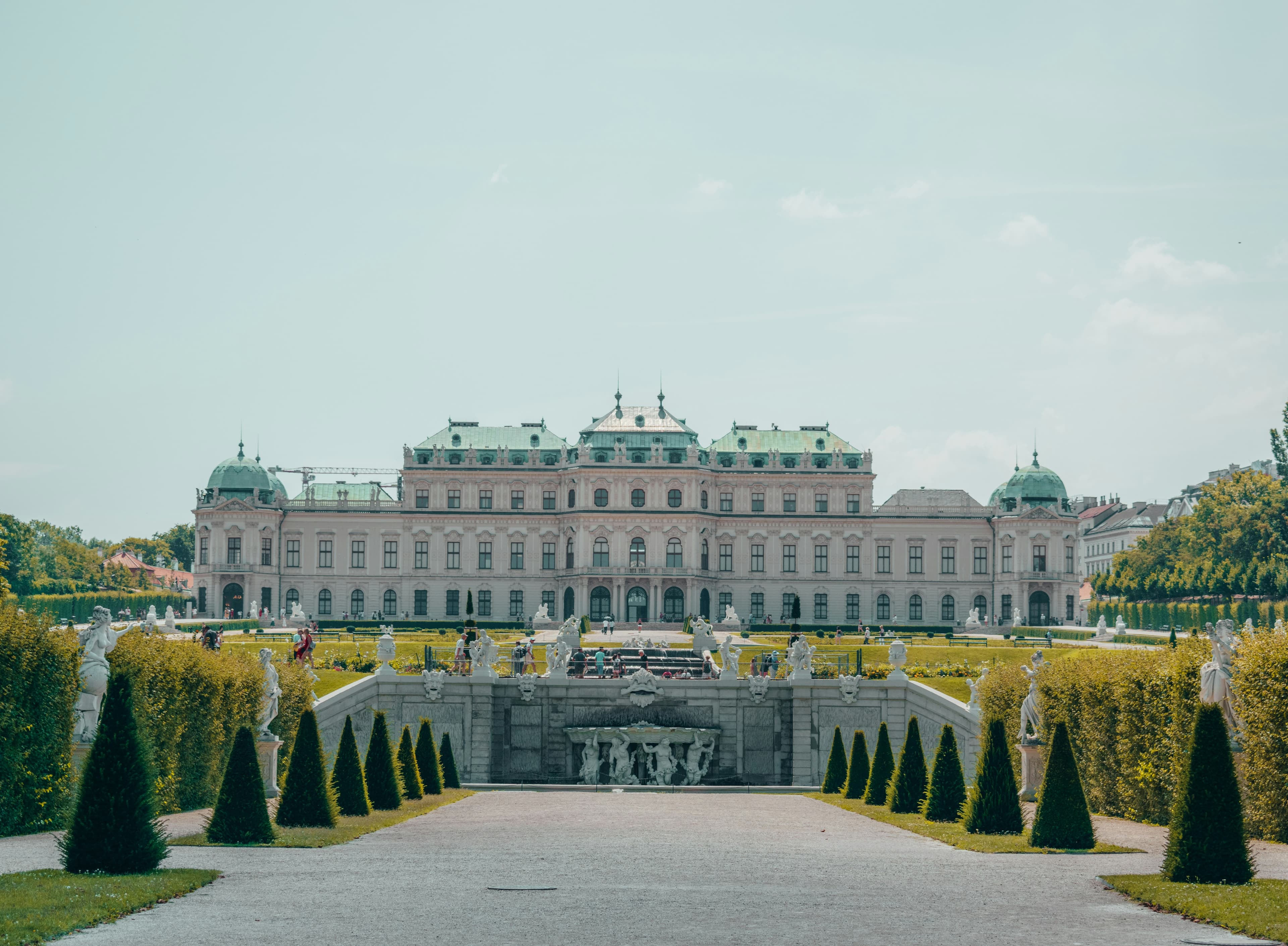
Upper and Lower Belvedere present baroque architecture and one of Europe’s most photogenic garden axes. The Upper Belvedere houses Gustav Klimt’s “The Kiss,” alight with gold. Book Belvedere Museum tickets, then drift through terraces down toward the Lower palace; the axis frames the city sweetly in evening light.
The Ringstrasse Walk
Follow trams 1 and 2 or walk the Ring to connect heavy‑hitters: State Opera, Albertina, Kunsthistorisches and Naturhistorisches Museums, Parliament, Burgtheater, and Rathaus. Each façade has a season—rosy at sunrise, stately under cloud, luminous after rain. Duck into side streets for espresso or apricot‑jam pastries; Vienna rewards lingering.
Coffeehouses: Where Time Pools
Unrushed service, marble tables, and newspapers on wooden rods are the point, not the obstacle. Order a melange, topfenstrudel, or sachertorte and let conversations float around you. Legendary addresses (Café Central, Sperl, Demel) coexist with contemporary roasters. Tip lightly and remember: lingering is a virtue here.
Danube Island and Canal Life
Summer brings swimming platforms, biergartens, and casual bars to the Danube Island and Canal. Rent bikes and ride north with a picnic. Evenings pull in locals of all ages; grab a bench and watch light slide along the water. If you’re visiting in July or August, bring a swimsuit and a light cardigan—the breeze cools quickly after sunset.
MuseumsQuartier: Culture Campus
Within a few minutes you can bounce between the Leopold Museum (Egon Schiele), MUMOK (modern and contemporary), and Kunsthalle (rotating exhibitions). The courtyards are a social magnet in warm weather. Give yourself hours; pair heavy galleries with light meals and breaks outside.
Food and Markets
Vienna’s food scene is having a confident moment in 2025. Classic beisln serve schnitzel and Tafelspitz with quiet pride while young chefs play with alpine herbs and Balkan influences. Coffee remains a civic art; bakeries hum from dawn with poppy‑seed plaits and apricot fillings.
Naschmarkt
This long, lively market strings together produce stands, cheeses, spices, and easy lunch counters. Go early for calm shopping or late for a more boisterous feel. It’s a perfect stop between Mariahilfer Straße browsing and Karlskirche photos.
Heuriger Culture
On the city’s edge, wine villages like Grinzing, Nussdorf, and Stammersdorf host heuriger taverns—seasonal spots pouring local white wines with spreads of cold cuts, salads, and breads. Wooden signs with pine branches mark doors open for the season. Aim for a golden evening; walk uphill for views across the city’s roofs.
Comfort Plates Not to Miss
- Wiener Schnitzel: Veal or pork, crisp and lemon‑bright.
- Tafelspitz: Boiled beef with broth, apple‑horseradish, and creamed spinach.
- Kaiserschmarrn: Torn pancakes with stewed plums.
- Apfelstrudel and Topfenstrudel: Apple or quark, both superb with coffee.
Suggested 4–6 Day Plan
Day 1: Ringstrasse Orientation
Arrive, check in, and walk or tram the Ring for bearings. Step into the State Opera foyer if open, then head to the Albertina’s print rooms. Evenings: choose a traditional beisl for schnitzel and a glass of Grüner Veltliner. Sleep early to hit palaces on fresh legs.
Day 2: Hofburg and Coffeehouses
Tour the Hofburg in the morning—book Hofburg Imperial Apartments tickets to streamline entry—then decompress in the Burggarten. Afternoon coffee at Sperl or Central; late day at the MuseumsQuartier. Consider a classical concert or an opera standing‑room ticket for a spontaneous cultural night.
Day 3: Schönbrunn and Gardens
Take the U4 to Schönbrunn early. After your Schönbrunn Palace tickets tour, climb to the Gloriette and wander the park’s smaller gardens; bring snacks for a bench lunch. If you have energy, loop back to the city for the Leopold Museum at golden hour.
Day 4: Belvedere and Danube Island
Start at the Upper Belvedere for Klimt, then trace the baroque axis down to the Lower palace and nearby botanical garden. Afternoon at the Danube Island—rent bikes, swim, or picnic. Return via the Canal, pick a riverside bar, and watch boats nosing past.
Day 5: Heuriger Evening
Spend the morning at Naschmarkt and Karlskirche, then ride to a wine village for late afternoon vineyard walks and a heuriger dinner. Sunset views come free; bring a light jacket for the ride back.
Day 6 (Optional): Freeform or Deep Dive
Use a sixth day to linger where you felt rushed: another museum wing, coffeehouse touring, or a design crawl through Neubau. Alternatively, slot a day trip (see below).
Optional Day Trips
Wachau Valley (Melk to Krems)
Baroque abbeys, vineyard slopes, apricot orchards, and the Danube flowing calmly between. Trains reach Melk; cruise or cycle the bike path to Dürnstein and Krems. A car gives you freedom to picnic and stop at viewpoints—compare cheap car rentals in Vienna—but bikes and boats make a dreamy day without driving.
Bratislava
A quick hop by fast train or ferry lands you in a compact old town crowned by a hilltop castle. It’s an easy cultural counterpoint, with café courtyards and Danube views. Back in Vienna by dinner.
Vienna Woods (Wienerwald)
Forests, monasteries, and lookouts (Kahlenberg, Leopoldsberg) reveal the city from above. Trails are well marked; bring water and sandwich fixings. End with a heuriger if you timed your loop right.
Safety, Etiquette, Money, and Seasonality
Safety
Vienna is one of Europe’s safest capitals. Use everyday awareness on transit and in nightlife zones, and watch bike lanes when crossing. In summer heat, hydrate and carry a light hat; in winter, walk carefully on icy side streets.
Etiquette
- Queues and quiet: Respect lines, keep phone calls soft on trams, and let people off before boarding.
- Coffeehouse culture: It’s normal to linger; order at the table, and expect a modest cover for water and reading.
- Parks and gardens: Stay on paths, don’t pick flowers, and share benches.
Money
Austria uses the euro. Cards are widely accepted, but carry a few euros for small kiosks and heuriger cash trays. Tipping runs 5–10% at sit‑down places; round up for cafés and casual counters.
Seasonality
- March–May: Blossoms and shoulder‑season hotel deals. Pack a light raincoat.
- June–August: Peak museums, coffee terraces, and Danube swims. Book the best hotels in Vienna well ahead.
- September–October: Wine harvest, golden parks, and crisp evenings—many locals’ favorite time.
- November–December: Christmas markets glow across the city; evenings sparkle with mulled wine.
- January–February: Cold, quiet, and perfect for deep museum dives and cafés without crowds.
Booking and Timing Tips for 2025+
- Reserve headline entries: Book Schönbrunn Palace tickets, Hofburg Imperial Apartments tickets, and Belvedere Museum tickets in advance for weekends and holidays.
- Transport pass: A 72‑hour or weekly ticket clears mental space and saves money if you ride 3–4 times daily.
- Concert culture: Standing‑room Opera or Musikverein tickets are budget gems; arrive early for the experience.
- Hot days: Aim outdoor walks for mornings and evenings; retreat to museums midday.
- Wachau logistics: Trains + bikes or a car via cheap car rentals in Vienna—both work. Verify ferry schedules if you plan to cross the river.
- Flights flexibility: Compare cheap flights to Vienna across dates and hold receipts in case you need compensation for delayed flights.
- Hotel lead time: For June–September and December markets, secure stays early via the best hotels in Vienna.
Getting the Feel of Vienna
Vienna is grandeur softened by routine. You’ll watch students bike past palaces, hear street violinists under museum colonnades, and sip coffee where poets once edited drafts. The joy is not just “seeing everything,” but letting the city’s pace recalibrate your own: slower crossings, longer meals, quieter mornings. Build space into your schedule so the city can surprise you.
Bottom Line
Vienna in 2025 is roomy with possibility. You can sweep through imperial salons, trace Klimt’s gold, picnic on Danube lawns, and end nights under café chandeliers—and still have energy left for a wine‑village sunset. With smart timing, a transport pass, and a short list of essentials, a 4–6 day trip here feels both rich and relaxing. Book your cheap flights to Vienna, sketch your palace and museum slots with Schönbrunn Palace tickets, Hofburg Imperial Apartments tickets, and Belvedere Museum tickets, choose a base from the best hotels in Vienna, and keep compensation for delayed flights in your back pocket just in case. The rest is the Viennese art of taking your time.