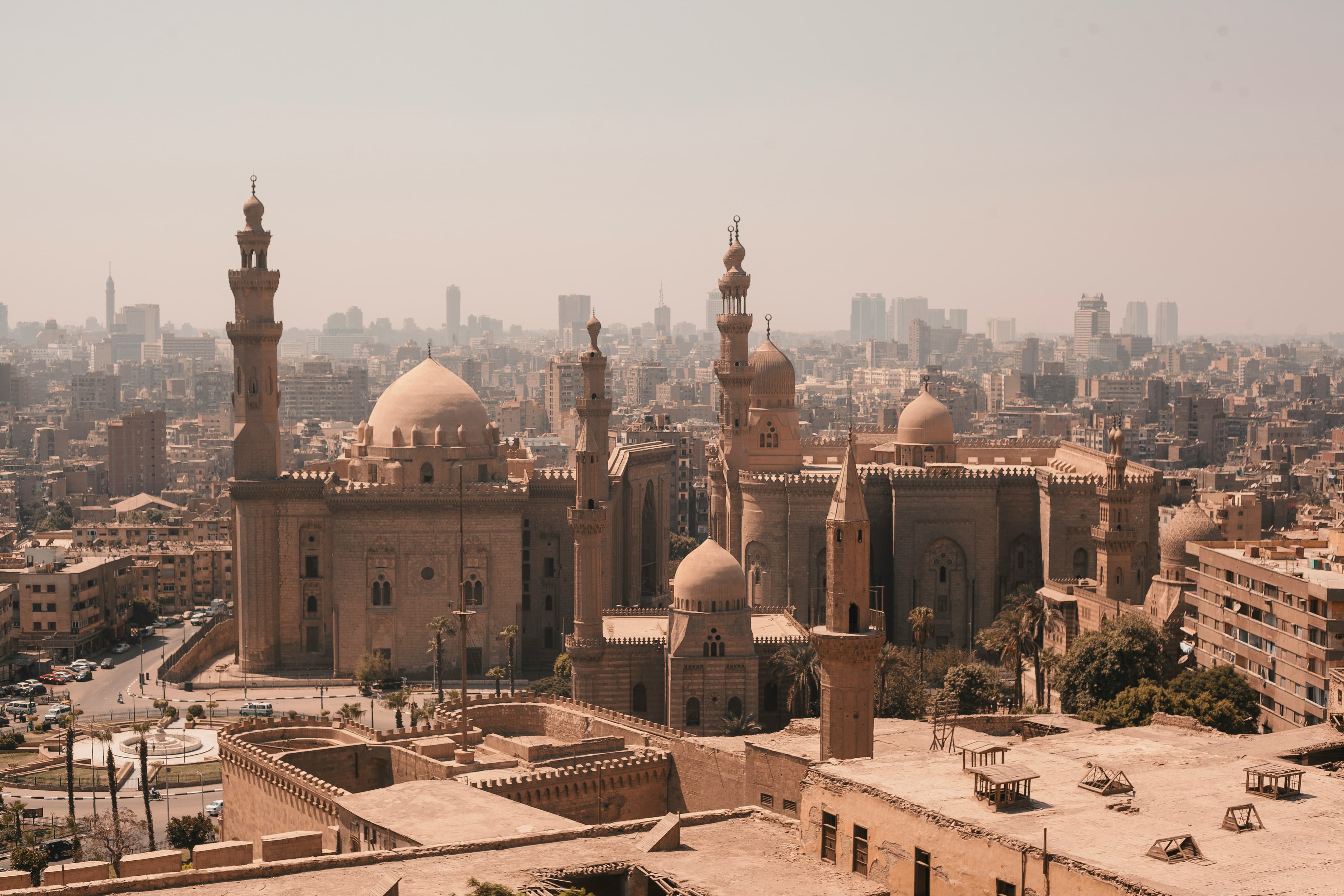
Cairo is a city of thresholds—between desert and river, antiquity and modern life, call to prayer and car horns, dusty sun and riverside breeze. In 2025, smoother arrivals, upgraded museums, and a growing café culture make Egypt’s capital more navigable, while the city’s energy and generosity remain gloriously intact. This is a practical, sensory guide built for travelers who want to see icons without losing the magic of everyday Cairo.
Listen for rhythms: the rustle of bread bags at dawn, the clink of tea glasses in alleys, the low putter of Nile feluccas against sunset. Let this cadence set your days. We’ll focus on sequence, timing, and small decisions that save hours and add atmosphere: early starts at the pyramids, late-night markets when air cools, and neighborhood walks that show the city beyond its postcards.
Getting There
Start with cheap flights to Cairo. Cairo International Airport (CAI) is the primary gateway, with wide global connectivity. If disruptions creep in—weather, delays, missed connections—document everything and consider compensation for delayed flights. From CAI, you can take official airport taxis, ride-hailing apps, or hotel transfers to central districts; traffic ebbs and flows, so timing matters.
Visa-on-arrival is available for many nationalities; others require e-visa or prior approval. Check current requirements before you book. If you plan intercity travel (Alexandria, Luxor), domestic flights and fast trains can be efficient; for flexible side trips around the Cairo plateau, cheap car rentals in Cairo with a driver is often easiest.
Where to Stay
Best Areas
- Zamalek (Gezira Island): Leafy embassy district with river views, art galleries, and cafés. Centrally placed for the Nile, Downtown, and Giza highway.
- Garden City & Downtown: Historic buildings, wide boulevards, and walkable blocks near the Nile Corniche. Great for architecture lovers and museum access.
- Giza (Pyramids Plateau): Stay here for sunrise pyramid access and rooftop silhouettes; farther from Downtown nights, but the views are cinematic.
- Maadi: Residential calm with tree-lined streets, international eateries, and quieter nights—good for longer stays.
- Heliopolis & New Cairo: Closer to the airport and some new malls; convenient for early flights and business trips.
Booking Strategy for 2025+
Secure refundable hotels in Cairo ahead for winter sun (October–April) and spring holidays when demand surges. Summer runs hot but offers good value in air‑conditioned hotels with pools. Many heritage buildings have idiosyncratic rooms—confirm elevator access, AC, and room sizes. For river views, ask for high floors facing west for sunsets.
Hotel vs. Apartment
Hotels excel for security, concierge help, and tour pickups. Apartments give kitchens, washing machines, and neighborhood immersion but vary in maintenance. If your trip spans both pyramids and museums, consider splitting your stay: two nights by the plateau for dawn starts, then two in Zamalek or Downtown for culture and dining.
Micro‑Location Choices
In Zamalek, streets near 26th of July Corridor are lively but can be noisy; river‑edge lanes are calmer for sleep. In Downtown, pick restored properties on quiet side streets. In Giza, choose stays with verified rooftop terraces (for the nightly light‑and‑sound show, audible from many rooftops).
Getting Around
- Metro: Cost‑effective and often fastest for cross‑town hops; women‑only cars are usually in the middle of trains. Expect bag scans at major stations.
- Ride‑Hailing: Reliable for point‑to‑point trips; set pickup points clearly and confirm license plates.
- Taxis: Use metered cabs where possible; agree on price upfront if meters are off. Carry small bills.
- Walking: Rewarding in pockets (Downtown, Zamalek, Coptic Cairo). Use crossings and follow locals when navigating traffic.
- Cars: For Saqqara/Dahshur and desert edges, consider cheap car rentals in Cairo with a driver. City self‑driving is possible but not relaxing.
Passes and Tickets
Buy rechargeable metro cards for multiple days. For museum and site entries, check combo tickets and pyramid interior add‑ons. Some experiences offer timed entries—book ahead via Egyptian Museum tickets or Giza Pyramids entry options in high season to smooth your day.
Accessibility Notes
Newer museums and malls are accessible; historic sites have uneven ground and steps. At the Giza plateau, distances are large—consider site shuttles or a driver. In Coptic and Islamic Cairo, narrow lanes mean some detours; patience and planning go far.
Essential Sights & Experiences
The Giza Plateau
Pyramids of Giza: Arrive at opening for soft light and sparse crowds. Choose one pyramid interior (claustrophobic tunnels, minimal displays), then walk or ride to panoramic viewpoints. Book Giza Pyramids entry options if you want a specific time window. Save the Sphinx for last when the angle is best.
Saqqara & Dahshur: A short drive south reveals the Step Pyramid of Djoser and the Red and Bent Pyramids with far fewer people. Interiors at Dahshur feel adventurous; bring water and a light scarf for dust.
Museums & Antiquities
Egyptian Museum (Tahrir): A glorious warren of cases and statues in a pink palace; renovations continue, but the atmosphere is unmatched. Book Egyptian Museum tickets for peak days.
National Museum of Egyptian Civilization (NMEC): The royal mummies’ hall is chilling in the best way—beautifully lit and presented.
Grand Egyptian Museum (GEM): Opening phases vary; check current status for galleries and events near Giza.
Islamic Cairo
Al‑Azhar & Khan el‑Khalili: Minarets pierce the skyline; lanes coil into goldsmiths’ alleys and spice arcades. Visit mornings for artisans at work, or after sunset when heat fades. Respect shopkeepers’ time—bargain with humor and walk away kindly if it’s not for you.
Sultan Hassan & Al‑Rifa’i Mosques: Colossal stone vaults that hush the city. Shoulders and knees covered; scarves helpful. Learn to look for calligraphy bands and carved stone mihrabs.
Cairo Citadel: Hilltop fortress with sweeping views and the Mosque of Muhammad Ali’s gleaming domes; consider Cairo Citadel & Muhammad Ali Mosque tickets to streamline entry on busy weekends.
Coptic Cairo
Ancient churches, the Hanging Church, and Ben Ezra Synagogue cluster along lanes with small courtyards and shade. This is a gentler cadence—plan a café pause and let the neighborhood reveal itself.
Nile Time
Felucca at Sunset: Hire a captain for a 45–90‑minute sail from Zamalek or Garden City. As Cairo lights flicker on, the river gathers a hush rare on land.
Corniche Walks: Choose segments near bridges for breeze and skyline photos; evenings are lively with families and vendors.
Small Moments that Matter
Order mint tea at a shaded café and watch a backgammon match stretch and chuckle into the afternoon. Smell fresh baladi bread; learn to say shukran (thank you). A conversation about football might unlock a shortcut through a market and a new friend.
Food & Markets
Street Staples: Koshari (lentils, pasta, chickpeas, tomato, and crunchy onions) is satisfying and cheap; ta’ameya (Egyptian falafel) uses fava beans for a green interior; shawarma cones glitter with fat; molokhia is a love‑it or not herb stew with chicken or rabbit.
Cafés & Sweets: Try strong coffee, mint tea, and fresh juices. Basbousa and konafa come syrup‑soaked and celebratory; bakeries display pyramids of date cookies and sesame rings.
Markets: Khan el‑Khalili remains a labyrinth—seek metalwork, inlaid boxes, lamps, spices, and perfumes. In Downtown and Zamalek, small weekend markets show design‑forward crafts.
How to Eat Well without Overbooking
Book just one special dinner for each two nights—a Nile‑view terrace or a heritage restaurant—then let appetite lead. Keep a short list of backup spots around your last sight of the day; traffic can reshape plans, so proximity wins.
Beyond Khan el‑Khalili
At Ataba and Bab al‑Luq, daily life markets sell produce, tools, and textiles—vivid but not staged. Go with curiosity and respect; photos are fine when you ask first and don’t block paths.
3–5 Day Itinerary
Day 1: Downtown, Museum, and Nile Night
- Morning: Arrive, drop bags, coffee and pastries on a shaded street.
- Midday: Egyptian Museum with Egyptian Museum tickets; linger with colossal statues and gold glints.
- Afternoon: Stroll Tahrir to the Nile; browse bookshops and arcades.
- Evening: Felucca at sunset; dinner with river breeze.
Day 2: Giza Sunrise and Saqqara Calm
- Pre‑dawn: Head to the plateau; enter early and walk to panoramic viewpoints.
- Late Morning: Camel or carriage ride if desired; pick just one pyramid interior.
- Afternoon: Saqqara’s Step Pyramid and desert edge; tea at a countryside café.
- Night: Rooftop dinner with the light‑and‑sound show in the distance.
Day 3: Islamic Cairo and Market Lanes
- Morning: Sultan Hassan and Al‑Rifa’i; listen for the difference in echo and stone.
- Midday: Al‑Azhar Park for gardens and skyline silhouettes.
- Afternoon: Khan el‑Khalili browsing; gold, lamps, and spices.
- Evening: Café in a historic caravanserai; mint tea and stories.
Day 4: Coptic Quiet and Modern Layers
- Morning: Hanging Church, narrow lanes, and museum courtyards.
- Afternoon: NMEC for the mummies hall; pause at a bakery after.
- Evening: Zamalek galleries and dinner on a quiet island street.
Day 5: Free Exploration & Favorites
- Morning: Return to a favorite quarter; buy spices, brass bookmarks, or textiles.
- Afternoon: Contemporary art or a pool hour; coffee with a river view.
- Evening: Final felucca or a rooftop with live oud music.
Itinerary Fine‑Tuning
If heat rises, compress sightseeing into early/late bands and add a long lunch indoors. If traffic snarls, pivot to a nearer sight and save the rest for tomorrow. Cairo rewards patience and attention to shade and breeze.
Optional Day Trips
- Alexandria: Corniche strolls, Bibliotheca Alexandrina, seafood lunches, and a mellow Mediterranean tempo.
- Wadi Degla: Desert canyon hikes just outside the city—close enough for a half‑day nature reset.
- Fayoum: Lakeside villages, pottery workshops, and palm‑fringed wind; a window into rural rhythms.
For each excursion, sketch your return and a Cairo dinner backup. If you self‑drive via cheap car rentals in Cairo, confirm parking and departure windows to dodge rush hours.
Practicalities: Safety, Etiquette, Money, Seasonality
Safety
Petty theft is uncommon but possible in crowded markets; keep phones and wallets zipped. Use hotel safes for passports and extra cash. Follow local advice around demonstrations and big matches—Cairo’s spirit is strong, and crowds can surge quickly.
Etiquette
- Dress modestly in mosques and conservative neighborhoods; shoulders and knees covered.
- Ask before photographing people; a smile and a few Arabic words go far.
- Bargaining is expected in markets—start low, stay friendly, and settle with mutual smiles.
- During Ramadan, be mindful of eating and drinking in public during daylight hours.
Money & Payments
The Egyptian pound (EGP) is the currency. Cards are accepted in hotels and larger restaurants; carry cash for taxis, small cafés, and markets. ATMs are common. Keep small bills for tips—service is a craft here and a joy to reward.
Budgeting
- Backpacker: $35–$60/day with guesthouses, koshari lunches, and metro passes.
- Mid‑range: $80–$160/day with bistros, museum entries, and a felucca each evening.
- Comfort: $180+/day with boutique hotels, guided tours, and terrace dining.
Sample Costs
Giza/Saqqara tickets vary by combos and interiors; museum tickets: $4–$15; metro ride: cents to low dollars; felucca: negotiable by hour; dinners range widely. Book Egyptian Museum tickets or Cairo Citadel & Muhammad Ali Mosque tickets on peak days to minimize lines.
Seasonality
- October–April: Cooler, bright days; peak sightseeing and best for pyramids and walking tours. Book refundable hotels in Cairo earlier.
- May–June & September: Warm but manageable; fewer crowds, plan heat‑smart days.
- July–August: Hot; prioritize dawn/dusk sightseeing and long indoor breaks.
Weather Playbook
Carry sun protection, a scarf for dust, and water. In heat, shift to a Mediterranean rhythm: early starts, long lunches, late nights. In rare rain, markets sparkle—watch slick stones and enjoy a mint tea while it passes. If flights wobble, consider compensation for delayed flights and keep essentials in your carry‑on.
Tickets, Passes, and Timing
Use Giza Pyramids entry options, Egyptian Museum tickets, and Cairo Citadel & Muhammad Ali Mosque tickets when you want timed certainty around weekends and holidays. For pyramid interiors, pick one and go early. For the Nile, aim your felucca 45–60 minutes before sunset and bring a light layer for the breeze.
Transit passes matter less than smart routing; combine a metro hop with a short walk or ride‑hail to skip jams. Group sights by district to avoid crisscrossing the city mid‑day.
Responsible and Respectful Travel
Support craft cooperatives and independent workshops—copperware, inlay, textiles. Eat where locals queue; tip fairly. In mosques and markets, move with patience and curiosity; Cairo rewards gentle pace and eye contact. Leave sites cleaner than you found them; dust is part of the palette, not a reason to litter.
Booking & Timing for 2025+
- Reserve refundable hotels in Cairo once dates are firm—winter sun weeks fill quickly.
- Compare cheap flights to Cairo midweek; early arrivals maximize Day 1.
- For Saqqara/Dahshur, line up cheap car rentals in Cairo with a driver and a clear hourly rate.
- Hold one or two timed entries (museum or citadel) and keep the rest loose for traffic and serendipity.
Choose one non‑negotiable each day—a pyramid, a museum, a sail—and let the rest breathe. Cairo is a feast; you don’t need every dish in one sitting.
Bottom Line
Cairo is endlessly alive: monumental stone beside tinkling tea glasses, river wind beside market spice. In 2025, with early starts, neighborhood walks, and a few smart bookings—cheap flights to Cairo, Giza Pyramids entry options, cheap car rentals in Cairo, refundable hotels in Cairo, and compensation for delayed flights—you can hold both the epic and the intimate. Let the city’s rhythm guide you: dawn at the desert edge, dusk on the river, and stories in between.