Oslo is the rare capital that hands you wilderness on a local transit card. Ferries knit together island beaches and pine forests; trams climb to neighborhoods with porch‑front saunas; museums fold glass, wood, and climate stories into waterfront skylines. In 2025, the city is confident and practical: swift airport links, contactless transit, safer bike lanes, and a food scene that cares about where ingredients come from — cod, berries, sourdough, and coffee pulled like a ritual. This long‑form guide layers neighborhoods with nature so your trip reads like a sequence of light, air, and calm decisions.
We’ll keep this text‑only and streamlined: where to stay by vibe, how to move without friction, essential sights and experiences you should not miss, markets and meals, optional day trips, safety and etiquette with common‑sense money notes, seasonality that actually helps you plan, and how to book smart for 2025+. Start with cheap flights to Oslo on a flexible calendar; if disruptions strike, understand your rights and potential compensation for delayed flights. For days beyond the tram map or late‑night trailheads, compare cheap car rentals in Oslo. For centrally located stays, scan hotel deals in Oslo and filter by transit and saunas. Where timed entries help, pre‑book via Munch Museum tickets, Fram Museum tickets, or Kon‑Tiki Museum tickets and glide past the queues.
Where to Stay
Sentrum & Aker Brygge: Waterfront Design and Walkability
Front‑row fjord light, boardwalks, and contemporary architecture. You’re steps from the National Museum and the new MUNCH on the Bispevika side, with island ferries sailing from nearby piers. Hotels range from minimalist Nordic to plush waterfront; mornings feel cinematic when mist sits low over the harbor. Nights are lively but not chaotic; choose interior rooms if you’re noise‑sensitive.
Grünerløkka: Creative Energy, Cafés, and Park Loops
East‑side streets framed by brick and birch trees. Coffee is serious and everywhere; boutiques lean local; riverside paths along Akerselva give you a quiet reset between galleries and bakeries. Ideal for travelers who prefer apartments or smaller hotels and like to walk to dinner without crossing tourist clusters.
Majorstuen & Frogner: Classic Apartments and Museum Triangles
West‑side sophistication with stucco facades and generous parks. Good for families and longer stays; Bygdøy museums are a short bus or bike away. You trade waterfront sunsets for calm, leafy streets and access to Vigeland Sculpture Park, with trams connecting smoothly to the center.
Gamlebyen & Barcode/Bjørvika: New Lines, New Views
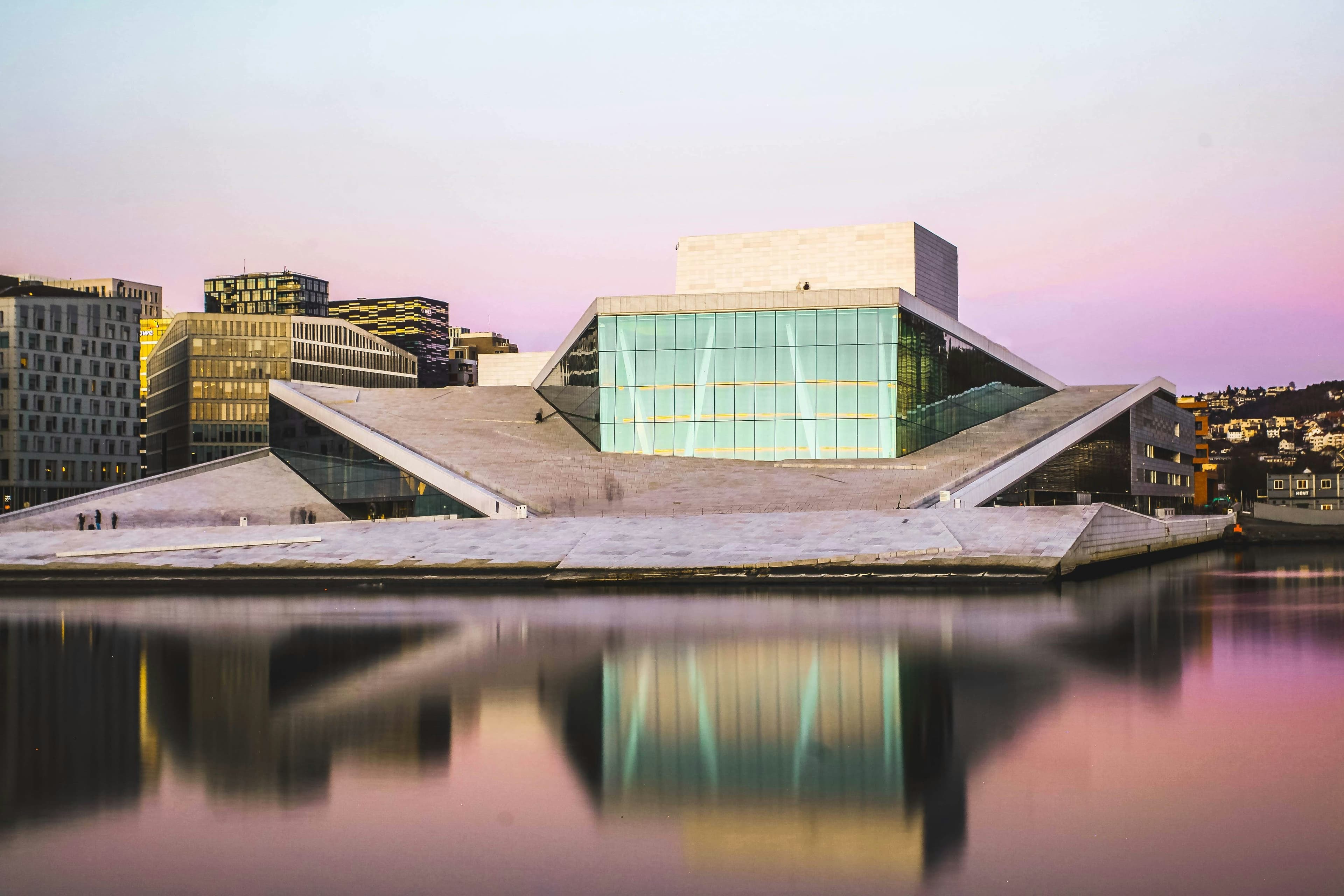
For design eyes that like glass, timber, and skyline silhouettes against water. The Opera House roof remains a draw for golden‑hour walks; MUNCH’s stacked volumes anchor the skyline. If you want immediate access to ferries, saunas, and museum clusters, this area works beautifully.
Getting Around
Transit is coordinated and contactless: metro (T‑Bane), trams, buses, and ferries run on one system. If you’ll hop islands and museums, consider a 24‑/72‑hour pass. For late sauna sessions or off‑peak trailheads, rideshare fills the gaps. Driving in the core is unnecessary; parking is expensive and streets can be narrow. Inventory cars only if you’re pushing to fjord villages or national parks on day trips — and even then, early departures matter. When you do need wheels, compare cheap car rentals in Oslo and choose compact vehicles with good winter tires in the cold months.
Practical Transit Notes
- From OSL: The Flytoget Airport Express Train or local trains reach the center in ~20–25 minutes. Tap in, sit by the window, and watch forests flicker past.
- Island Ferries: Lines to Hovedøya, Gressholmen, Lindøya, and Bleikøya are within the regular fare system for much of the year. Pack layers; weather changes quickly on the water.
- Bikes: E‑bikes help with hills. Lanes improve each year; helmets are common sense even if not mandatory.
- Accessibility: Level boarding on newer trams and ferries; museum entrances are generally well‑ramped with lifts inside.
- Winter: Sidewalk grit is standard; traction devices on shoes help during icy stretches.
- Tickets: Use the Ruter app for easy passes; inspectors do check. Validate before boarding when required.
- Timing: Plan your museum windows, then anchor ferry rides and sauna sessions around daylight for best views.
Essential Sights and Experiences
MUNCH (the Munch Museum)
Edvard Munch’s screams, skies, and forests gathered in a vertical landmark at the harbor’s edge. The building frames views like paintings — water, timber, clouds. Time your visit to catch a temporary exhibition and a late‑day glow from the upper floors. Book Munch Museum tickets during peak weeks to avoid slow lines.
Fram Museum (Polar Exploration)
The wooden polar ship Fram sits indoors like a cathedral to cold and courage. The best galleries are tactile and human — sled dogs, maps, cabins. If you’re visiting with kids or polar‑curious adults, expect to linger. Reserve Fram Museum tickets if you’re pairing with other Bygdøy museums on the same day.
Kon‑Tiki Museum
Thor Heyerdahl’s daring and the balsa raft that crossed the Pacific. Exhibits foreground ocean science and cross‑cultural curiosity; the material culture displays are quietly moving. Pair with the Fram Museum for a compact maritime morning; secure Kon‑Tiki Museum tickets around weekends.
National Museum
Norwegian art and design with space to breathe. Interiors feel like a palette cleanser between waterfront walks; galleries organize stories clearly without forcing a single narrative. Expect hours to melt away if you read labels.
Vigeland Sculpture Park
Granite and bronze forms set in green; gestures that look like weather and time. Dawn is contemplative; late afternoon is warm and social. The park teaches you to slow your stride in a city that already moves gently.
Saunas and Sea Baths
Public sauna culture flourishes along the harbor. Alternate heat with cold dips from floating platforms; the ritual makes grey days radiant. Bookable slots near the Opera House or at Aker Brygge are popular — bring a towel, hydrate, and respect time windows.
Island Hopping on the Inner Oslofjord
Hovedøya’s monastery ruins, Lindøya’s candy‑colored cottages, Gressholmen’s swimming coves — each island is a different tempo. Pack a picnic (markets are generous; more below), wear layers, and mind the last boats of the day.
Holmenkollen
Ski jump silhouette, forest air, and winter light. The museum gives context; the viewing platform gives scale. Even if you don’t ski, the slope views over the city are worth the tram ride.
Food and Markets
Oslo’s food is elementally Nordic: clean flavors, disciplined sourcing, and comfort when the weather turns. Coffee is an art form; bakeries care about fermentation as much as frosting. You will eat soup, sourdough, seafood, and berries happier than you expect.
Markets to Build Your Picnic or Supper
- Mathallen: A food hall where you can browse Norwegian cheeses, cured fish, small plates, and specialty roasters. Good for grazing on a rainy day.
- Vippa: Waterfront containers with global small kitchens and a big communal vibe — best when skies clear and the boardwalk gleams.
- Youngstorget & Local Bakeries: Farmers’ stalls on select days; otherwise, find a sourdough shop and let the scent decide for you.
- Seafood Counters: Look for fish cakes, smoked salmon, and shrimp; buy a lemon and make a bench a table.
- Coffee: East‑side roasters around Grünerløkka are reliably excellent; west‑side espresso bars shine near Frogner.
- Helpful planning: Hotels near markets ease late dinners; compare hotel deals in Oslo with cancellation filters.
What (and How) to Eat
- Soups and Stews: Creamy fish soup, reindeer stews in winter menus, and vegetable broths that taste like forest weather.
- Seafood: Shrimp sandwiches, cod with brown butter, grilled mackerel in season.
- Breads and Pastries: Cardamom buns, cinnamon knots, and dark seeded loaves that anchor lunches.
- Casual Rituals: Coffee walks, park picnics, and late sauna snacks taken slowly under a blanket.
- Drinks: Crisp lagers, low‑intervention wines, and aquavit in small toasts.
- Dietary Ease: Menus mark allergens clearly; plant‑forward options are routine.
Optional Day Trips
Bygdøy Deep Dive
Cluster the Fram, Kon‑Tiki, and the Norwegian Maritime Museum into a satisfying loop, then walk coastal paths toward Huk beach. Carry layers; winds can shift fast. Timed entries via Fram Museum tickets and Kon‑Tiki Museum tickets smooth weekend crowds.
Oslofjord Villages
Drøbak’s wooden houses and Christmas shop charm year‑round. If you’re set on independent schedules and blue‑hour returns, plan a compact car and book early through cheap car rentals in Oslo. Otherwise, public transport connections are pleasant and scenic.
Nordmarka Trails
Metro north, boots on, and you’re in a forest network that feels distant but belongs to the city. In winter, groomed cross‑country tracks; in summer, lake swims and bilberries. Start early; return with cheeks warm from air and exertion.
Fredriksten Fortress (Halden)
For history and views near the Swedish border, the fortress stacks ramparts and lawns with river panoramas. Pair with a slow lunch; build time buffers around train connections.
Safety, Etiquette, Money, Seasonality
Safety
- Oslo is broadly safe; standard city awareness applies. Keep phones snug on ferries and in busy tram stops.
- Winter traction: streets are sanded, but ice happens — walk deliberately and consider micro‑spikes if you’re trail‑bound.
- Know your compensation for delayed flights for eligible flight disruptions; document delays and keep receipts.
- Saunas: hydrate, respect quiet sections, and follow posted dunk intervals for safe cold plunging.
Etiquette
- Lines are calm; give space and let others exit before you board.
- Inside museums, voices are low; photography is often fine without flash — confirm signs.
- On trails, yield to uphill hikers and be gentle with forest undergrowth.
- Cashless is common, but small coins are handy for older lockers or rural kiosks.
Money & Connectivity
- Cards rule the day; mobile pay is ubiquitous. ATMs are simple if you need cash.
- Roaming: downtown 5G is fast; ferries and forests can dip to 4G/3G. Download offline maps for islands.
- Costs: lunches can be high; markets and picnics are the elegant workaround. Book central to reduce transport costs.
Seasonality
- Winter (Dec–Feb): Low light, cozy interiors, and sauna culture in its element. Museum days shine; pack traction and wool.
- Spring (Mar–May): Brighter days, blooming parks, and island ferries spinning up to regular cadence.
- Summer (Jun–Aug): Long light, island swims, and packed boardwalks. Book rooms early via hotel deals in Oslo; reserve saunas and museum slots for weekends.
- Autumn (Sep–Nov): Forest color, crisp air, and clear harbor reflections — a photographer’s season.
4–6 Day Blueprint
Day 1 — Harbor Orientation and MUSEUMS
Morning: coffee on the boardwalk, National Museum warm‑up. Midday: Opera House roof walk and harbor saunas. Afternoon: MUNCH upper floors timed via Munch Museum tickets. Evening: waterfront stroll and an early night to match the light.
Day 2 — Bygdøy Maritime Arc
Morning: bus to Bygdøy. Pair Fram and Kon‑Tiki with timed slots (Fram Museum tickets, Kon‑Tiki Museum tickets). Lunch: picnic by the water. Afternoon: coastal path to Huk; bus back for a bakery stop.
Day 3 — Grünerløkka & Akerselva
Morning: river walk with cafes and galleries. Midday: Mathallen grazing and coffee. Afternoon: park loop and small design shops; sauna or swim if sun appears.
Day 4 — Islands
Morning ferry to Hovedøya for monastery stones and pines; continue to Gressholmen for coves. Lunch is your picnic; carry a warm layer. Return by golden hour for a boardwalk supper.
Day 5 — Holmenkollen & Forest Edge
Tram up for ski jump views, museum, and a forest loop. In winter, rent cross‑country gear; in summer, aim for lake edges and blueberries.
Day 6 — Flex and Favorites
Reserve this day for weather‑dependent repeats: an extra museum, a longer sauna slot, or a fjord village jaunt with a compact rental from cheap car rentals in Oslo.
Booking and Timing for 2025+
- Flights: Lock adaptable dates with cheap flights to Oslo. If connections are tight, add buffers and know your compensation for delayed flights.
- Hotels: Summer and festival weeks compress inventory; compare central options via hotel deals in Oslo and watch cancellation windows.
- Tickets: Pre‑book Munch Museum tickets, Fram Museum tickets, and Kon‑Tiki Museum tickets for peak weekends and holidays.
- Cars: Rarely needed in the core; for fjord villages, compare cheap car rentals in Oslo and depart before rush hours.
- Pacing: Follow daylight — early starts, blue‑hour walks, and museum blocks during rain.
Bottom Line
Oslo rewards the traveler who moves with the weather and the water. Let the fjord decide your morning, let the sauna reset your evening, and let museums bridge the spaces between. In 2025, with smart booking and a flexible rhythm, you’ll stitch islands, neighborhoods, and forests into a trip that feels both effortless and elemental.