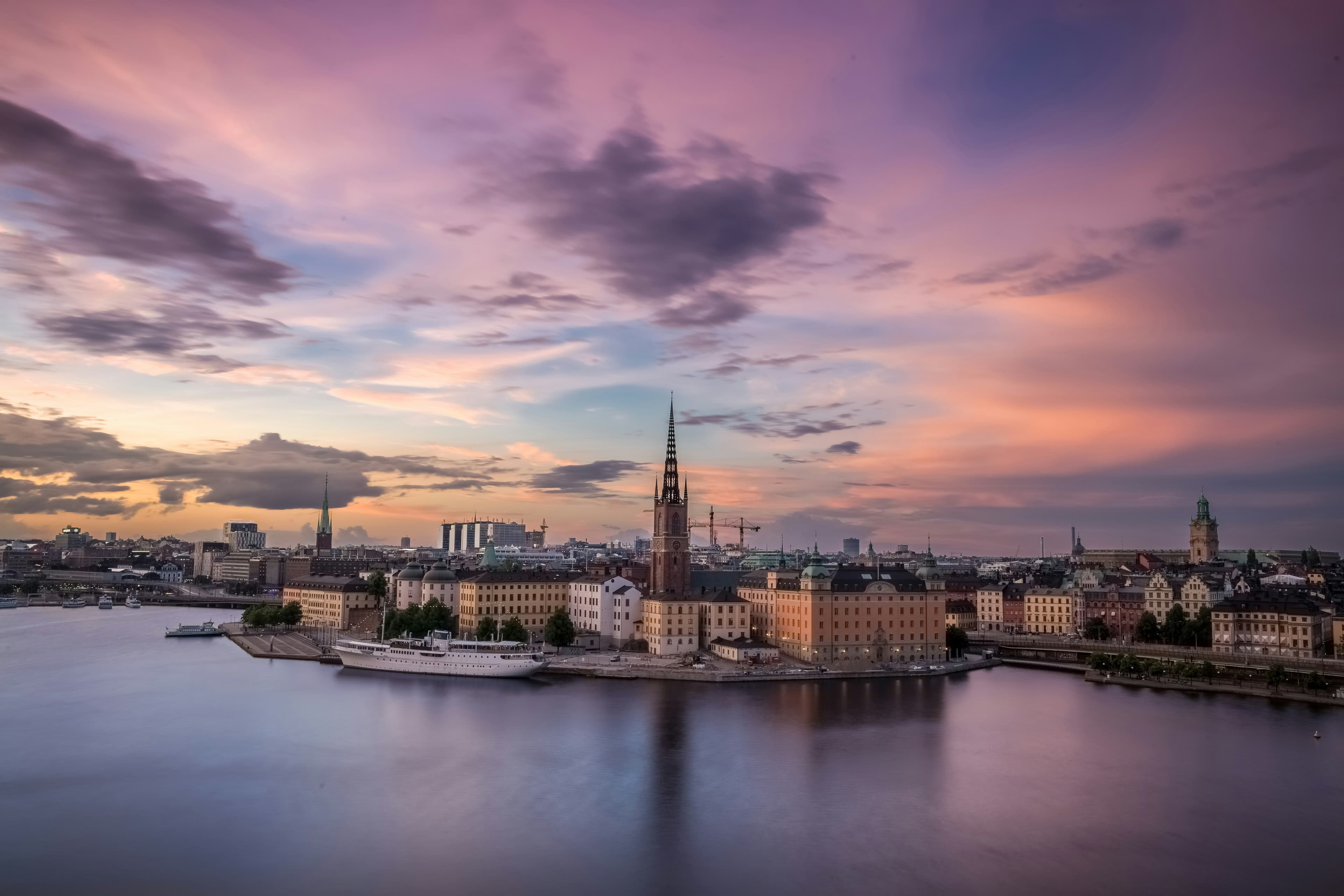
Stockholm is where a capital behaves like a coastal retreat—archipelagos at the doorstep, pine‑scented air on evening walks, and a culture that prizes calm competence. Ferries and subways knit 14 islands into a city that feels both contemporary and grounded. In 2025, contactless transit, improved airport links, and generous bike and pedestrian infrastructure make a short break simpler than ever. This long‑form guide gives you the whole plan: how to choose a base, craft 2–4 unhurried days, find great food without fuss, and thread classic sights with quiet pockets where locals actually linger.
Getting There
Start with cheap flights to Stockholm. Direct and one‑stop options link Stockholm to Europe, North America, and the Middle East. From Arlanda (ARN), the Arlanda Express reaches central station in ~20 minutes; frequent commuter trains and buses offer cheaper alternatives. If a travel day goes sideways, keep receipts and check eligibility for compensation for delayed flights.
Where to Stay
Best Areas
- Gamla Stan: Storybook lanes and warm light at blue hour. Central to everything, but rooms run small and streets can be lively.
- Norrmalm: Transport hub by Central Station; business hotels and department stores; practical for day trips.
- Östermalm: Grand boulevards, market halls, and elegant apartments; great for design lovers and park proximity.
- Södermalm: Creative, café‑dense, and scenic cliffs. Ideal for longer stays, indie shops, and sunset viewpoints.
- Djurgården: Green island of museums and gardens; restful at night and superb for families.
Booking Strategy for 2025+
Compare central and ferry‑friendly bases and reserve refundable hotels in Stockholm early for June–August and the December holiday markets. Weekend rates can dip outside peak festivals; shoulder‑season stays (May, September) strike the sweet spot of mild weather and manageable crowds.
Getting Around
- Transit Cards: SL cards and contactless payments work on subways, buses, trams, and many ferries. Tap in and out as signed.
- Metro (T‑bana): Fast crosstown moves; many stations double as art galleries.
- Ferries: Treat them as moving viewpoints linking Gamla Stan, Djurgården, and Södermalm.
- Bikes: Safe lanes and courteous drivers make casual cycling a pleasure in good weather.
- On Foot: Distances are friendlier than maps suggest; most islands link via pedestrian bridges.
- Cars: Not needed in the core. If you’re exploring the wider archipelago or castles beyond rail, compare cheap car rentals in Stockholm and confirm parking at your stay.
Essential Sights & Experiences
Gamla Stan (Old Town)
Wander narrow lanes that open to small, warm squares; think ochre facades, cobbles, and candlelit bistros. Start at Stortorget, loop to the Royal Palace, and step into smaller churches for organ music or quiet light. Arrive early or late to feel the calm; mid‑day becomes a river of humans in peak season.
Djurgården: Museums in a Park
Djurgården is where culture meets forest edge: a green island of museums and boat docks. The headliner is the 17th‑century warship raised from the bay—plan ahead with Vasa Museum tickets. Add a gentle hour at the Nordic Museum and a living‑history walk at Skansen (book popular windows with Skansen open‑air museum tickets). Families can layer in ABBA The Museum for playful nostalgia (reserve via ABBA The Museum tickets). Ferries make getting here part of the fun; return at sunset for gold on the water.
Östermalm & The Market Hall
Östermalms Saluhall is a cathedral for seafood and seasonal produce. Snack your way through small plates—shrimp skagen, gravlax on dark bread, and a warm fish soup when the breeze turns cool. Bring cashless cards; reservations help on rain days.
Södermalm Views
Climb to Mariaberget and Monteliusvägen for classic skyline shots: Gamla Stan’s spires, Riddarholmen’s facades, and ferries tracing white lines. Golden hour here recalibrates any rushed itinerary.
Design and Everyday Beauty
Stockholm doesn’t shout design; it embeds it. Step into light‑filled libraries, browse ceramics and textiles by local makers, and keep an eye on chairs and lamps in everyday spaces. The Nationalmuseum and small design boutiques in Söder and Östermalm make a satisfying loop.
Food & Markets
Swedish cooking is seasonal and quietly confident: butter and dill, rye and berries, fish that tastes like water and light, and pastries engineered to make afternoons better. Here’s how to eat well without over‑planning.
Fika Culture
Fika is a ritual pause—coffee plus something sweet. Pair a cardamom bun, cinnamon roll, or almond‑marzipan slice with a long coffee and a good seat. Södermalm’s cafés lean creative; Östermalm’s are classic; Gamla Stan does cozy cellars with candles when wind taps the windows.
Markets & Halls
- Östermalms Saluhall: Seafood counters, delicatessens, and lunch counters with seasonal menus.
- Hötorgshallen: Global flavors and a casual lunch floor near Sergels torg.
- Hornstull Market (seasonal weekends): Street food and vintage stalls by the water.
- Local Bakeries: Morning queues are short and friendly. Follow your nose.
- Reservations: Book popular spots Fri–Sat; walk‑ins work better Tue–Thu.
- Allergies: Menus label gluten/lactose; staff are accommodating.
- City picnics: Ferry to Djurgården or sit by Riddarfjärden with pastries and views.
- Winter warmth: Seek fish soups, meatballs with lingon, and baked root vegetables.
- Summer plenty: New potatoes, herring, strawberries, and smörgåsbord vibes.
2–4 Day Itinerary
Day 1: Old Town Orientation
- Arrive via ARN and drop bags. If flights hiccuped, note times and consider compensation for delayed flights.
- Wander Gamla Stan: Stortorget → cathedral → lanes that loop to quays.
- Blue‑hour photos from Skeppsholmen bridge; dinner near the water.
- Evening fika for jet‑lag kindness.
- Sleep in a central yet quiet base (Norrmalm inner blocks or Gamla Stan side streets).
Day 2: Djurgården Museums + Ferry Views
- Morning at the Vasa Museum with Vasa Museum tickets.
- Lunch at Östermalms Saluhall; browse stalls for seafood and rye breads.
- Afternoon at Skansen (secure Skansen open‑air museum tickets); kids love the farm animals and glass blowers.
- Optional: ABBA The Museum via ABBA The Museum tickets for a playful hour.
- Ferry back at sunset. Dinner in Södermalm.
Day 3: Söder Views + Design Loop
- Slow morning fika; then Monteliusvägen and Mariaberget views.
- Design loop through small boutiques and the Nationalmuseum.
- Evening riverside walk; spontaneous bites wherever smells are convincing.
Day 4 (Optional): Islands & Castles
- Drottningholm Palace (UNESCO): easy boat or bus trip.
- Vaxholm: little clapboard town that feels like a postcard. Ferries double as sightseeing.
- Uppsala: cathedral spires, botanical gardens, and student cafés.
- If you want flexibility and curves in your route, compare cheap car rentals in Stockholm. In summer, coastal drives shine.
Optional Day Trips
- Drottningholm: Palace, gardens, and Chinese Pavilion; go early to stroll quiet paths.
- Uppsala: Trains run frequently; combine cathedral and riverside lunch; easy and satisfying.
- Vaxholm: Colorful houses and harbor cafés; sunny days are best.
- Sandhamn or Grinda: Farther into the archipelago for beach paths and pine forests.
- Skokloster Castle: Off‑beat baroque detour for history fans.
Practicalities: Safety, Etiquette, Money, Seasonality
Safety
Stockholm rates highly for personal safety. Petty theft is uncommon but possible around major hubs—keep phones zipped and bags closed in crowds. Water is drinkable; tap tastes clean. Winter sidewalks can be icy; shoes with grip are worth the luggage space.
Etiquette
- Queues form neatly; give personal space and avoid blocking bike lanes.
- Indoors, voices drop. On transit, phones stay quiet.
- Card culture: contactless works almost everywhere; cash appears mostly at small markets.
- Nature rules: pack out what you pack in; respect signed paths in parks and reserves.
- Shoes off when visiting Swedish homes; ask if unsure.
Money
- Budget (per person/day): backpacker €70–€110; mid‑range €140–€240; comfort €260+.
- Transit passes discount weekly usage; ferries can be included—check your SL options.
- Restaurant service is often included; small rounding or a couple of coins suffices if you wish.
Seasonality
- May–June: Bloom, long evenings, café terraces; book popular stays early.
- July–August: Peak islands and festivals; museums are busy—secure timed entries with Vasa Museum tickets or Skansen open‑air museum tickets.
- September: Clear light and calmer streets; ferry rides feel cinematic.
- October–November: Cozy season; museums and fika shine; pack layers and waterproofs.
- December: Markets and candles; short days but warm interiors and excellent baking.
- January–March: Quiet, budget‑friendliest; icy paths and museum days; sauna and soup are your friends.
Tickets, Passes, and Timing
Many sights are walk‑up, but the busy trio—Vasa, Skansen, and ABBA The Museum—benefit from advance booking via Vasa Museum tickets, Skansen open‑air museum tickets, and ABBA The Museum tickets. For ferries, arrive 10 minutes early and treat the crossing as sightseeing. For flights, compare flexible windows for cheap flights to Stockholm. For lodgings, capture refundable hotels in Stockholm far in advance for midsummer and Christmas windows.
Responsible Travel
Sweden’s outdoors policy invites you in—and asks you to tread lightly. Stay on paths in fragile dunes and islands, keep noise low in residential zones, and choose local makers and markets when you shop. Stockholm repays calm attention: you notice the way light hits a stairwell, the clever ventilation of a café, the kindness in a small service ritual.
Booking & Timing for 2025+
- Lock in refundable hotels in Stockholm for summer and holiday periods; shoulder months reward procrastinators.
- Scan monthly calendars for cheap flights to Stockholm and aim to land before noon to win your first day.
- Reserve museum peaks with Vasa Museum tickets and Skansen open‑air museum tickets; weekends fill first.
- Consider cheap car rentals in Stockholm if you’re combining castles and islands beyond easy rail and ferry grids.
Bottom Line
Stockholm is a city that leaves your shoulders lower—clean air, easy water, a cadence that respects time. With ferries as scenic shortcuts, parks as living rooms, and a food culture built for pauses, you can do a lot in two days and savor even more in four. Use cheap flights to Stockholm, refundable hotels in Stockholm, Vasa Museum tickets, Skansen open‑air museum tickets, ABBA The Museum tickets, and cheap car rentals in Stockholm for smooth logistics; if the sky misbehaves, compensation for delayed flights may help. The real trick is to leave room for fika and light on the water—those are the moments you’ll replay later.