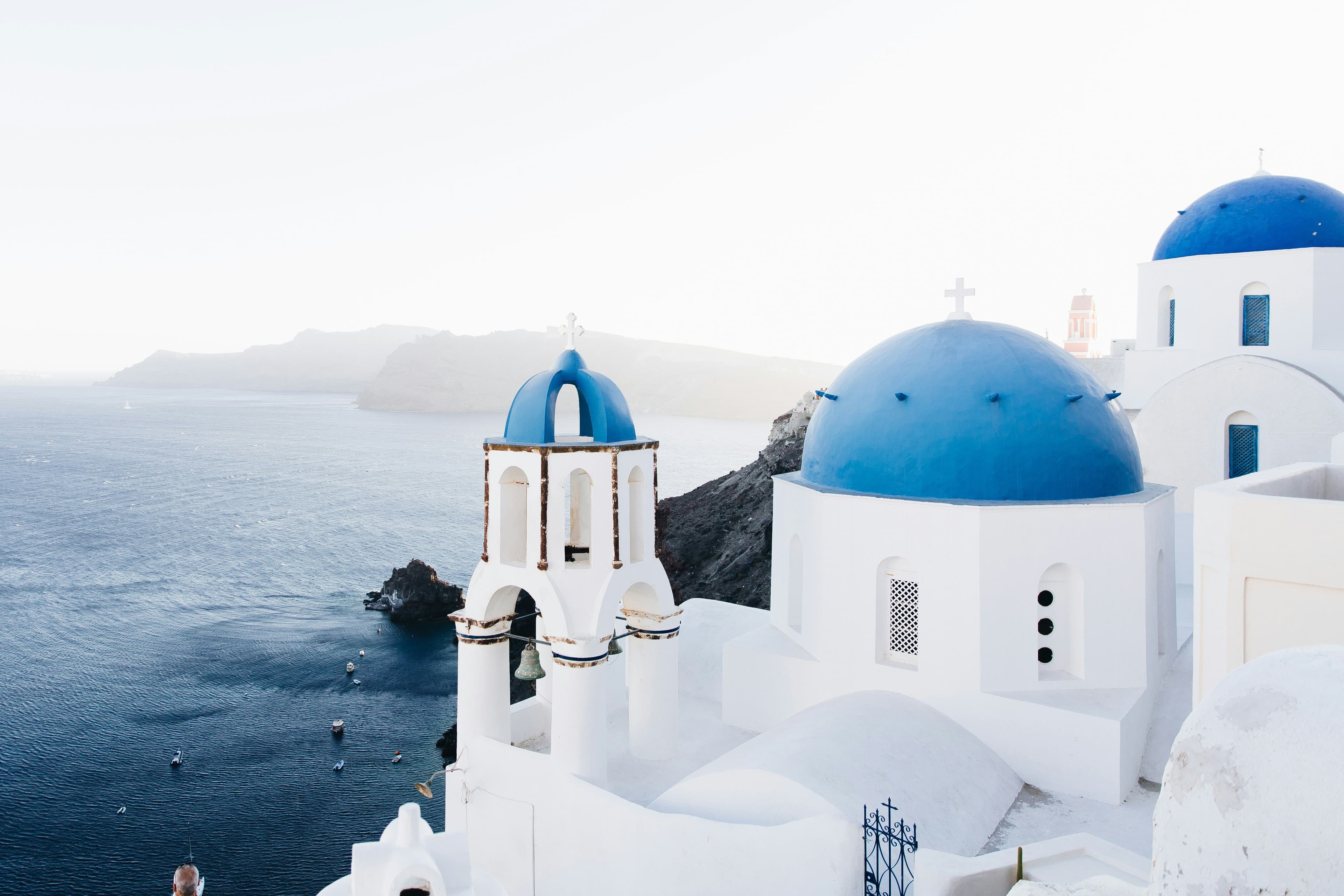
Santorini, the crown jewel of the Cyclades archipelago, stands as one of the Mediterranean's most iconic destinations. In 2025, this volcanic island continues to captivate travelers with its dramatic caldera views, pristine beaches with unique volcanic sand, and the timeless charm of its whitewashed villages perched precariously on towering cliffs. From the world-famous sunsets of Oia to the hidden gems scattered across the island's diverse landscapes, Santorini offers an unparalleled Greek island experience that combines natural wonder with sophisticated luxury.
This comprehensive guide will take you through every aspect of planning the perfect Santorini adventure, from choosing the ideal accommodation with caldera views to discovering the island's most authentic experiences beyond the typical tourist trail. Whether you're planning a romantic honeymoon, a family vacation, or a solo exploration of Greek culture and history, our insider tips and carefully curated recommendations will help you create memories that last a lifetime.
Where to Stay in Santorini: Caldera Views and Hidden Gems
Choosing the right accommodation in Santorini can make or break your experience, as the island's unique geography creates distinct areas with very different atmospheres and views. The caldera-facing villages of Oia, Fira, and Imerovigli offer the most spectacular views of the volcanic crater and are perfect for those seeking the quintessential Santorini experience. These areas feature luxury hotels and boutique accommodations that command premium prices but provide unforgettable vistas and proximity to the island's most photographed locations.
For travelers seeking a more authentic and budget-friendly experience, consider staying in the traditional villages of Pyrgos, Megalochori, or Emporio. These areas offer a glimpse into traditional Santorini life while providing easy access to the island's interior attractions and some of its best restaurants. The southern and eastern coasts, including Perissa, Kamari, and Monolithos, offer beautiful beaches and more affordable accommodation options, perfect for families and budget-conscious travelers.
When booking your accommodation, prioritize properties with private terraces or balconies facing the caldera, as these provide the perfect setting for enjoying Santorini's legendary sunsets in privacy. Many hotels offer complimentary breakfast served on your terrace, creating a magical start to each day. Consider the season of your visit when choosing your location, as the northern villages can be quite windy during the meltemi season (July-August), while the southern beaches offer more sheltered conditions.
Getting Around Santorini: Mastering the Island's Transportation Network
Santorini's transportation system, while not as comprehensive as mainland Greece, provides adequate coverage for most visitors' needs. The island's main bus network connects the major villages and beaches, with regular service between Fira (the capital) and popular destinations like Oia, Kamari, and Perissa. The central bus station in Fira serves as the main hub, and while the service is reliable, buses can become crowded during peak season, especially when cruise ships are in port.
For maximum flexibility and the ability to explore hidden corners of the island, renting a car or ATV is highly recommended. The island's relatively small size (approximately 76 square kilometers) makes it perfect for day trips, and having your own transportation allows you to visit remote beaches, traditional villages, and archaeological sites that are difficult to reach by public transport. Local car rental companies offer competitive rates, and driving on the island is generally straightforward, though some roads in the interior can be narrow and winding.
Walking remains one of the most enjoyable ways to explore Santorini's most picturesque areas, particularly the caldera path that connects Fira to Oia. This scenic route offers breathtaking views and passes through charming villages, though it's important to note that the full walk takes approximately 3-4 hours and should be attempted early in the morning or late in the afternoon to avoid the midday heat. For shorter excursions, the pedestrian streets of Oia and Fira are perfect for leisurely exploration and discovering hidden shops and cafes.
Essential Sights and Experiences: Santorini's Must-See Attractions
No visit to Santorini would be complete without experiencing its most iconic locations and activities. The village of Oia, with its famous blue-domed churches and narrow cobblestone streets, offers the most photographed views of the caldera and provides the perfect setting for experiencing the island's legendary sunsets. Arrive early in the morning to explore the village's charming shops and galleries before the crowds arrive, and stay until sunset to witness the sky transform into a canvas of brilliant colors.
The archaeological site of Akrotiri, often called the "Pompeii of the Aegean," offers a fascinating glimpse into the island's ancient past. This remarkably well-preserved Minoan settlement was buried under volcanic ash around 1600 BC, preserving buildings, frescoes, and everyday objects that provide insight into Bronze Age life. The site's covered walkways and informative displays make it accessible even during hot weather, and the nearby Red Beach offers a perfect opportunity to cool off after your visit.
The island's unique volcanic beaches provide some of the most distinctive swimming experiences in the Mediterranean. The Red Beach, with its dramatic red cliffs and unique sand composition, offers excellent snorkeling opportunities, while the Black Beach at Perissa features fine black sand and crystal-clear waters perfect for swimming and water sports. The White Beach, accessible only by boat, provides a more secluded experience with stunning white cliffs and excellent snorkeling conditions.
Seasonal Experiences: Best Times to Visit and What to Expect
Santorini's climate and visitor patterns create distinct seasons that offer very different experiences. Spring (April-May) brings mild temperatures, blooming wildflowers, and significantly fewer crowds, making it an ideal time for photography and peaceful exploration. The island's interior villages are particularly beautiful during this season, with traditional gardens in full bloom and comfortable temperatures for hiking and outdoor activities.
Summer (June-August) represents peak season, with warm temperatures, clear skies, and the full range of island activities available. This is the best time for beach activities, boat tours, and experiencing the island's vibrant nightlife. However, the increased crowds and higher prices can impact the overall experience, especially in popular areas like Oia and Fira. The meltemi winds, which typically blow from the north during July and August, can affect boat tours and create choppy conditions for swimming.
Autumn (September-October) offers perhaps the best balance of good weather, manageable crowds, and reasonable prices. The sea remains warm enough for swimming well into October, while the cooler temperatures make outdoor activities more comfortable. This season also brings the grape harvest, offering visitors the opportunity to experience traditional wine-making processes and sample the island's distinctive volcanic wines.
Food and Markets: Santorini's Culinary Heritage
Santorini's unique volcanic soil and Mediterranean climate create a distinctive culinary landscape that goes far beyond typical Greek island fare. The island's signature cherry tomatoes, grown in the volcanic soil, are renowned throughout Greece for their intense flavor and are featured in many local dishes. Traditional restaurants in villages like Megalochori and Pyrgos offer authentic Santorini cuisine, including dishes like fava (yellow split pea puree), tomatokeftedes (tomato fritters), and the island's famous white eggplant.
The island's wine industry, dating back thousands of years, produces some of Greece's most distinctive wines. The Assyrtiko grape, grown in Santorini's unique volcanic soil, produces crisp, mineral-rich white wines that pair perfectly with local seafood. Many wineries offer tours and tastings, providing insight into traditional winemaking methods and the opportunity to sample wines that are difficult to find outside Greece. The Santo Wines cooperative in Pyrgos offers one of the most comprehensive experiences, with guided tours and tastings accompanied by spectacular caldera views.
For the freshest local produce and artisanal products, visit the traditional markets in Fira and Oia, where local farmers and craftspeople sell everything from fresh herbs and honey to handmade ceramics and jewelry. The island's fishing villages, particularly Ammoudi Bay below Oia, offer the freshest seafood, often caught the same day and prepared using traditional methods. Many restaurants in these areas allow you to select your fish from the daily catch, ensuring the freshest possible dining experience.
Optional Day Trips: Expanding Your Santorini Experience
While Santorini itself offers endless exploration, several nearby destinations can enhance your understanding of the Cyclades and provide different perspectives on Greek island life. The neighboring island of Thirassia, accessible by boat from Ammoudi Bay, offers a glimpse into what Santorini might have looked like before the tourism boom. This quiet island features traditional villages, beautiful hiking trails, and authentic tavernas serving local specialties, all without the crowds that characterize Santorini's main villages.
The volcanic islands of Nea Kameni and Palea Kameni, located in the center of the caldera, offer unique geological experiences that complement your Santorini visit. Nea Kameni features hiking trails that lead to the island's volcanic crater, providing spectacular views of the caldera and the opportunity to see active volcanic features up close. The nearby hot springs of Palea Kameni offer the chance to swim in naturally heated waters rich in minerals, creating a unique spa experience in the middle of the Aegean Sea.
For those interested in traditional crafts and local culture, the nearby island of Anafi offers an even more authentic Greek island experience. This small, relatively undeveloped island features traditional villages, beautiful beaches, and a relaxed atmosphere that provides a perfect contrast to Santorini's sophistication. Regular ferry service connects the islands, making it easy to include a day trip or overnight stay as part of your Santorini adventure.
Safety, Etiquette, and Cultural Considerations
Santorini is an extremely safe destination with very low crime rates, making it ideal for solo travelers and families alike. However, understanding and respecting local customs will greatly enhance your experience and help you avoid unintentional cultural faux pas. When visiting churches and monasteries, remember to dress modestly, covering shoulders and knees, and remove hats when entering religious buildings.
The concept of "philoxenia" (Greek hospitality) is deeply ingrained in Santorini's culture, and you'll find that locals go out of their way to be helpful to visitors. Learning a few basic Greek phrases, especially greetings and expressions of gratitude, will be greatly appreciated and often lead to more meaningful interactions. Remember that Santorini is a place where tradition and modernity coexist, so be respectful of both the ancient customs and the contemporary lifestyle of its residents.
Photography is generally permitted in most public spaces, but always check for signs indicating restrictions, especially in churches and private properties. Some areas may prohibit photography entirely, while others may allow it only in certain sections. When photographing people, especially those in traditional dress or working in shops and restaurants, always ask for permission first, as this demonstrates respect for local customs and often leads to more authentic interactions.
Money Matters and Budgeting for Your Santorini Adventure
Santorini can be as expensive or as budget-friendly as you choose to make it, though it's generally considered one of the more expensive Greek islands. Luxury hotels and restaurants in prime caldera locations can cost several hundred euros per night, while budget accommodations in the island's interior or along the southern coast can be found for under 100 euros per night. The key to managing costs is planning ahead and being strategic about your accommodation and dining choices.
Transportation costs can vary significantly depending on your chosen method of exploration. Public buses offer the most economical option at approximately 2-3 euros per trip, while car rentals typically cost 40-80 euros per day depending on the season and vehicle type. ATV rentals provide a fun and relatively affordable alternative at 25-50 euros per day, though they're best suited for shorter distances and good weather conditions.
Dining costs can also vary widely, from casual tavernas serving traditional Greek dishes for 15-25 euros per person to high-end restaurants with caldera views charging 50-100 euros per person for multi-course meals. Consider mixing high-end experiences with more casual dining to balance your budget while still experiencing the full range of Santorini's culinary offerings. Many hotels offer half-board or full-board options that can provide significant savings for longer stays.
Best Times to Visit and Booking Recommendations for 2025
Santorini's popularity means that planning ahead is essential, especially during peak seasons and for accommodations with caldera views. The summer months (June-August) require reservations at least 6-12 months in advance for popular hotels and restaurants, while spring and autumn visits can be planned with 3-6 months notice. These shoulder seasons also offer better availability and more competitive pricing for premium accommodations.
For 2025 visits, consider booking your accommodations as early as possible, especially if you're planning to stay in Oia, Fira, or Imerovigli. Many popular restaurants and cultural experiences also require advance reservations, so plan your itinerary well in advance. Consider purchasing tickets for major attractions and boat tours online to avoid long queues, and research any special events or festivals that might be taking place during your visit.
When planning your visit, consider the island's unique geography and how it affects your experience. The caldera-facing villages offer the most spectacular views but can be quite crowded during peak season. The island's interior and southern coast provide more peaceful alternatives with easy access to beaches and traditional villages. Consider splitting your stay between different areas to experience the full range of what Santorini has to offer.
Booking Your Perfect Santorini Experience
When planning your Santorini adventure, consider the type of experience you want to create. For first-time visitors, guided tours can provide valuable context and help you navigate the island's complex cultural and geological landscape. Many tour companies offer specialized experiences, from wine-tasting tours that take you to the best local wineries to photography tours that guide you to the most picturesque locations at optimal times.
If you prefer independent exploration, invest time in researching the island's layout and transportation options before your arrival. Santorini's unique geography, with its caldera and scattered villages, makes navigation different from typical island destinations. Understanding the relationship between different areas will help you make the most of your time and avoid unnecessary travel between distant locations.
For the most authentic experience, try to stay in a traditional neighborhood rather than in the most tourist-heavy areas. This will give you a better sense of daily life in Santorini and provide access to local restaurants and shops that most tourists never discover. Many of these areas are still within easy reach of major attractions while offering a more peaceful and authentic atmosphere.
The Bottom Line: Why Santorini Deserves a Place on Your 2025 Travel List
Santorini represents the perfect synthesis of natural wonder, cultural heritage, and sophisticated luxury, offering visitors an unparalleled Greek island experience that simply cannot be found anywhere else in the world. Whether you're drawn to the dramatic volcanic landscapes, the world-famous sunsets, or the sophisticated charm of its whitewashed villages, Santorini provides experiences that will exceed your expectations and create memories to cherish for a lifetime.
The island's unique combination of geological history, cultural authenticity, and modern amenities creates an environment where visitors can easily immerse themselves in the best of Greek island life without sacrificing comfort or accessibility. From the moment you first glimpse the caldera from your hotel terrace to your final sunset stroll through the charming streets of Oia, Santorini offers a journey through one of the Mediterranean's most extraordinary destinations.
As you plan your 2025 travels, consider what makes Santorini truly special: its ability to provide both the quintessential Greek island experience and unique geological and cultural elements that set it apart from other destinations. This combination of familiarity and uniqueness makes Santorini not just a place to visit, but a destination to experience, understand, and ultimately fall in love with. Whether you're a seasoned Mediterranean traveler or embarking on your first Greek island adventure, Santorini promises an experience that will leave you planning your return before you've even left.