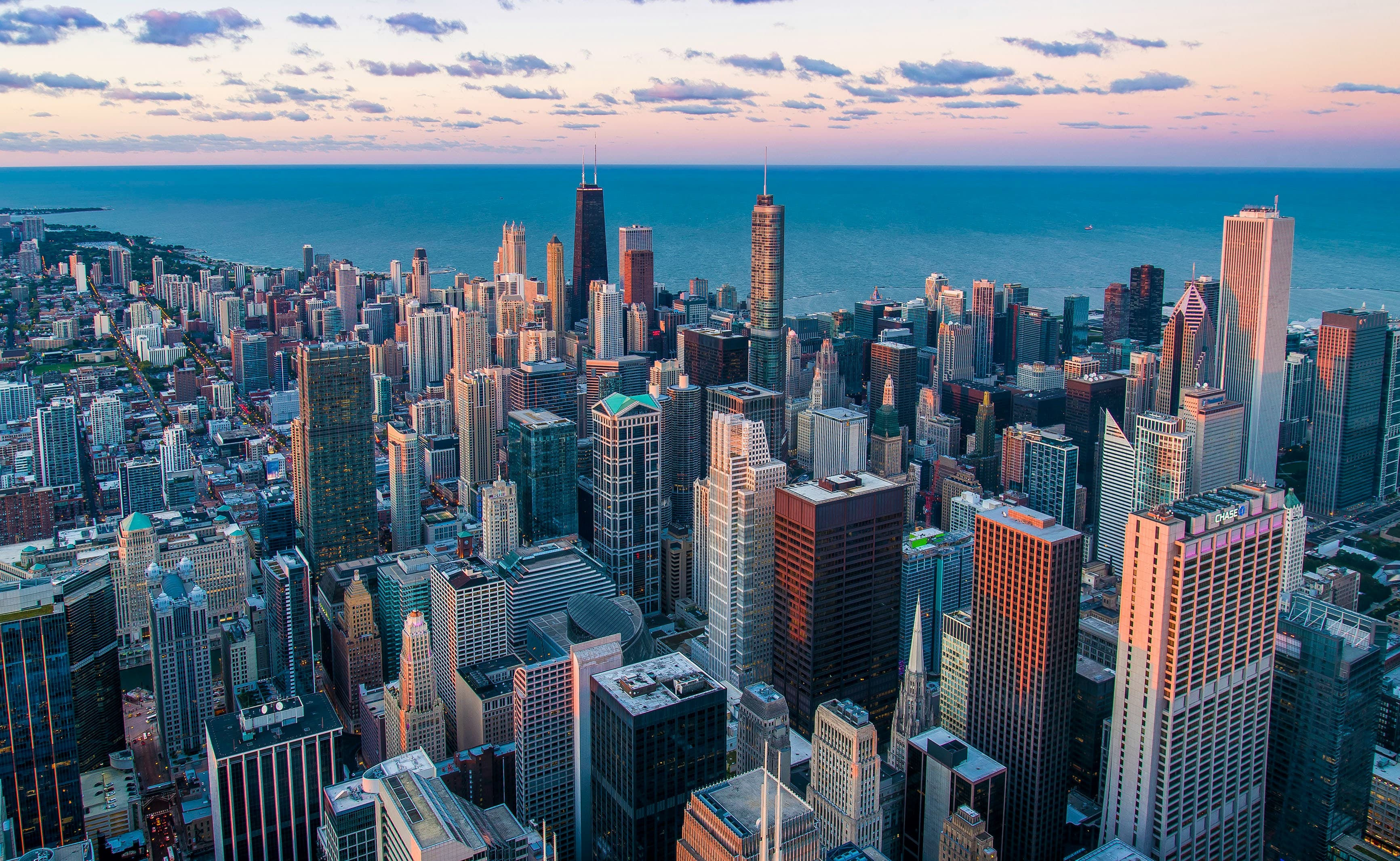
Chicago is the American city that treats its skyline like a museum and its lake like a front yard. In 2025, new exhibitions, reimagined riverwalk segments, and a maturing dining scene across the West Loop and Pilsen make Chicago a place you move through with appetite and attention. This guide traces the lakefront, climbs observation decks, maps neighborhoods, and lines up the eats that make a weekend feel like a week.
Quick planning links
- cheap flights to Chicago — especially competitive midweek fares and shoulder-season returns.
- refundable hotels in Chicago — filter by the Loop for convenience, River North for nightlife, or West Loop for restaurants.
- cheap car rentals in Chicago — useful for day trips to Indiana Dunes or Wisconsin lake towns; skip in the core.
- compensation for delayed flights — know your rights if your travel runs late.
- skip-the-line Skydeck Willis Tower tickets — reserve glass-ledge time slots for sunset city views.
- Art Institute of Chicago tickets — guarantee entry to one of North America’s finest collections.
Understanding the Layout
The lake is east, the grid is rational, and the river draws a bright line through the center. Visitors typically anchor around the Loop (business core and theater district), step over to River North for dining and galleries, roam West Loop/Fulton Market for restaurants in former warehouses, and head south to Hyde Park for the University of Chicago and the Museum of Science and Industry. The Lakefront Trail ties beaches and parks together for 18 miles of cycling and strolling.
Where to Stay
Best neighborhoods for first-time visitors
The Loop: Steps from Millennium Park, the Riverwalk, and major transit lines. Business hotels transform into weekend values; theaters and architecture tours start nearby.
River North: Lively after dark, with art galleries, cocktail bars, and quick bridge hops to the Loop and Magnificent Mile.
West Loop / Fulton Market: Restaurant heaven—former cold-storage and warehouses reborn as buzzing dining rooms and boutique hotels.
Hyde Park: Green streets and academic vibes, ideal if you want museums and a quieter base.
Hotel styles and booking tips
- Historic conversions: Beaux-Arts lobbies, terrazzo floors, and skyline views. Great for photography and a sense of place.
- Design boutiques: Minimalist rooms, rooftop bars, and spa-level showers—popular in West Loop and River North.
- Apartment-style stays: Good for families; check elevator access and self-check-in details.
- Use refundable hotels in Chicago to compare flexible rates around conferences and sports seasons.
Getting Around
Walk, ‘L’ trains, and buses
The Loop’s elevated trains put movement on display; day passes make hopping between neighborhoods simple. Buses fill gaps, and walking remains the most scenic way to cross bridges and collect skyline reflections. Download a transit app and note that some lines run 24 hours.
Bike the Lakefront Trail
Rent a bike or use the city’s bike-share to roll beaches, museums, and parks in a single day. Mornings and weekdays are calmer; keep right, pass left, and stop for skyline photos at North Avenue Beach.
When to rent a car
Skip the car in the core—parking is pricey and traffic slows. For Indiana Dunes National Park, Wisconsin towns, or a Frank Lloyd Wright itinerary in Oak Park and beyond, compare cheap car rentals in Chicago and book strategic pick-up times.
Essential Sights and Experiences
Millennium Park and the Riverwalk
Start at Millennium Park to see reflections play across Anish Kapoor’s mirrored sculpture and waves roll across Crown Fountain. Then drift to the Riverwalk for cafes, public art, and architecture close-ups as tour boats trace the skyline’s evolution along the river canyon.
Observation decks
skip-the-line Skydeck Willis Tower tickets give you timed access to glass ledges anchored more than 1,300 feet in the air. Clear days stretch to the horizon; stormy skies paint the lake in slate and silver. For another angle, 360 Chicago offers tilting windows and Lake Michigan panoramas.
The Art Institute of Chicago
Walk from city bustle into rooms that change your pulse: Renaissance galleries, American icons, and rotating contemporary shows. Art Institute of Chicago tickets help you plan around weather and crowd surges.
Museum Campus
On a spit of parkland by the lake, the Field Museum, Shedd Aquarium, and Adler Planetarium cluster into a day that feels both educational and holiday-lazy. Pack snacks, or picnic on the grass with the skyline as your backdrop.
Architecture boat tour
Classic for a reason: under steel bridges and past stacked eras of design—from Chicago School to glass minimalism—docents narrate materials, setbacks, and the city’s cycle of reinvention. Go golden hour for honeyed facades and mirrored ripples.
Food, Markets, and Neighborhood Bites
What to eat
- Deep-dish pizza: Hearty, saucy, and best shared. Order one pie for two or three and leave room for a second stop.
- Chicago-style hot dog: Yellow mustard, relish, onion, tomato, pickles, sport peppers, celery salt—no ketchup. It’s a rule and a rite.
- Italian beef: Drippy sandwiches that require napkins and conviction. Add giardiniera for crunch and heat.
- Steakhouses and tasting menus: Old-school rituals meet new-school kitchens in River North and West Loop.
- Neighborhood bakeries: Morning fuel near parks and train stops; collect pastries for the lakefront.
Markets and food halls
From French Market near the Ogilvie station to West Loop’s food halls, grazing is easy and weather-proof. Farmers’ markets pop up across neighborhoods; summer Saturdays smell like peaches and basil.
Music, Comedy, and After Dark
Jazz and blues
Clubs hum into the small hours in River North and beyond—intimate rooms where trumpet lines tangle with laughter. Weeknight sets feel local and loose; weekends sell out—book ahead.
Comedy
From storied improv stages to sharp stand-up rooms, the city crafts jokes at a remarkable clip. Go early for seats and late for a second show in a different neighborhood.
Sample Itineraries (2–4 Days)
Day 1: River and skyline
- Arrive, drop bags, and walk the Riverwalk.
- Architecture boat tour at golden hour.
- Deep-dish dinner; a short jazz set to close.
Day 2: Museums and observation decks
- Museum Campus morning; choose two and move slow.
- Late afternoon observation deck via skip-the-line Skydeck Willis Tower tickets.
- West Loop dinner crawl—two small plates, one dessert.
Day 3: Lakefront Trail and neighborhoods
- Bike the Lakefront Trail to beaches and back.
- Art Institute entry via Art Institute of Chicago tickets; loop Millennium Park after.
- Sunset over the river bridges; cocktails in River North.
Day 4 (optional): South Side or Oak Park
- Hyde Park for the Museum of Science and Industry and leafy streets.
- Or suburban trains to Oak Park for Frank Lloyd Wright homes and studio.
- Return for a steak or a neighborhood bistro farewell.
Optional Day Trips
Indiana Dunes National Park
Sand dunes fold into oak savannas and beaches curve along a bright horizon. Trails range from boardwalk strolls to calf-testing climbs. For flexibility, check cheap car rentals in Chicago and bring a picnic for lake views that reset city tempo.
Milwaukee
A rail-ride north delivers breweries, a lakefront art museum, and neighborhoods built for wandering. It’s an easy cultural counterpoint to a Chicago base.
Starved Rock State Park
Canyons, waterfalls, and seasonal color less than two hours away. Trails can be muddy—good shoes and a change of socks go a long way.
Seasonality: When to Go
Spring
Lilacs and lake breezes. Layers win—mornings can be brisk, afternoons bright. Museum lines are calmer, and restaurants release new menus.
Summer
Beaches buzz, patios bloom, and the Lakefront Trail becomes the city’s living room. Book observation decks and boat tours ahead; hotels near the lake sell out for events and festivals.
Autumn
Clear air sharpens skyline edges. Farmers’ markets go golden, and theater seasons kick off. The river reflects earlier sunsets—photographers, bring a tripod.
Winter
Snow, lights, and quiet galleries. The underground pedway softens cold commutes; observation decks on bluebird days feel above-the-clouds. Dress smart—insulated footwear, gloves, and a hat make everything easier.
Safety, Etiquette, and Money
Safety
Chicago feels comfortable in core visitor areas; standard urban awareness applies. On crowded trains and festival nights, keep phones zipped. If your itinerary frays, consider compensation for delayed flights to see whether your case qualifies.
Etiquette
- Queue kindly and move right on stairs and escalators.
- On trails and the Riverwalk, keep right and yield to wheels when appropriate.
- In music rooms, phones down—the best souvenir is a memory.
Money
Cards are broadly accepted; some small stands prefer contactless taps over cash. Tipping follows U.S. norms—about 18–20% for table service. Observation decks and tours price flexibly—booking a day or two ahead can save time and, occasionally, money.
Booking Windows and 2025+ Strategy
For summer weekends, book hotels 6–10 weeks out, earlier for lakeside rooms and holidays. Observation deck slots via skip-the-line Skydeck Willis Tower tickets and museum entries via Art Institute of Chicago tickets help smooth peak days. For long-haul routes, compare cheap flights to Chicago across midweek departures and shoulder seasons; keep your options open with refundable hotels in Chicago so weather and event calendars can guide pivots.
Getting In and Out
O’Hare International (ORD) and Midway (MDW) bracket the city with rail and shuttle links. The Blue Line from ORD pulls you directly into the Loop; rideshares work well off-hours. Amtrak connects regional cities into Union Station, a short walk to the river and West Loop meals.
Accessibility
Observation decks and museums publish detailed accessibility guides; most CTA stations include elevators, though not all. The Lakefront Trail is broadly smooth and step-free; bridges and curb cuts are abundant downtown.
Bottom Line
Chicago makes a vacation out of movement—bridge to bridge, gallery to gallery, beach to barstool. Arrive hungry for views and flavors, plan a few timed entries, and leave space for neighborhood detours. With the lake as compass and the river as thread, 2025 in Chicago stitches into a trip that reads like a greatest hits album with room for B-sides.