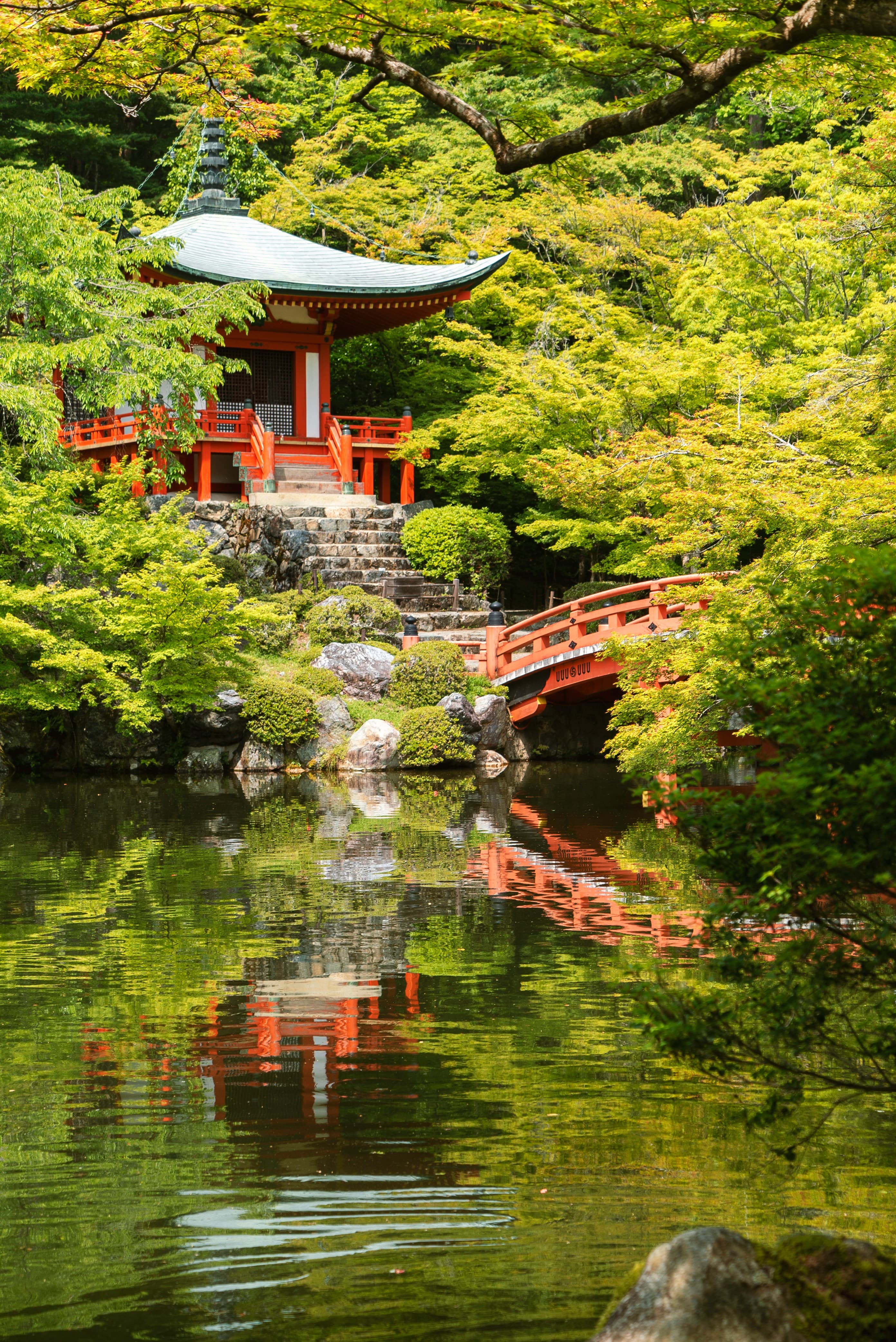
Kyoto rewards patience. It’s a city that blooms in moments between moments—morning light on cedar lattices, a bell’s vibration fading across a temple garden, steam rising from a lacquered bowl of matcha. In 2025, the former imperial capital remains Japan’s most graceful destination, and the best way to experience it is to slow down. This long-form guide focuses on immersive routes, seasonal timing, local etiquette, and a compact 2–4 day plan that balances headline sights with quiet alleys—and leaves space to breathe.
Planning your arrival is simpler than ever. If you’re still comparing fares, browse cheap flights to Kyoto in separate tabs while you read. And if your journey hits turbulence later, bookmark this resource for compensation for delayed flights—it may save you money and stress.
How Kyoto Feels in 2025
Kyoto’s cultural center of gravity has shifted subtly over the last decade. Traditional districts like Gion, Higashiyama, and Arashiyama still frame the postcard scenes, but young artisans, third‑wave roasters, and progressive kaiseki chefs have refreshed the city’s rhythm. More pedestrianized lanes, improved multilingual signage, and stricter etiquette enforcement around geiko/maiko photography mean that exploring is both easier and more respectful—provided you move with intention.
Kyoto’s beauty is seasonal: ephemeral cherry blossoms, verdant moss in summer rains, gold‑flecked ginkgo leaves, and winter’s hush around temple cloisters. Rather than chasing viral viewpoints, this guide invites you to savor smaller rituals—hand‑washing at a shrine, incense drifting in a narrow temple hall, a bowl of soba eaten standing at a wooden counter on a rainy afternoon.
Where to Stay
Stay choices shape your daily cadence. Kyoto’s neighborhoods each suggest a different tempo and access pattern. Prioritize proximity to transit and morning walks—you’ll be out before crowds.
Gion and Higashiyama
Close to the city’s eastern hills and a mosaic of temples, these districts offer classic Kyoto atmospheres: narrow stone lanes, teahouses, and wooden machiya façades. Expect higher prices and heavier foot traffic by day; mornings and late evenings are tranquil.
Downtown (Shijo–Kawaramachi–Karasuma)
Central and convenient: easy subway access, quick food options, and walkability to Nishiki Market. Boutique design hotels and business‑class towers sit side by side. Great for first-timers who want balance between tradition and nightlife.
Kyoto Station Area
Effortless for arrivals, departures, and day trips. Modern business hotels predominate. You’ll trade old‑town charm for connectivity—but sunrise trains to Nara or Himeji are painless from here.
Arashiyama
On Kyoto’s western edge, Arashiyama offers riverside calm and mountain air. Ideal for travelers who want to be near nature. Evenings are especially serene once day‑trippers leave.
Northern Kyoto (Kurama, Kibune)
Forest‑rimmed hideaways, ryokan stays, and outdoor baths. Romantic if you don’t mind longer commutes. Great for repeats or anyone seeking deep quiet.
Getting Around
Kyoto’s core is walkable, though distances between temple clusters can surprise you. Combine walking with the subway, Keihan/Hankyu private railways, and buses. Trains are fastest and easiest to decode; buses reach the slopes and in‑between places. Google Maps and Japan Transit Guide work well, but double‑check last runs for evening journeys back from the mountains.
- IC cards: Suica/PASMO (now reissued in phases) or ICOCA work across trains and buses. Keep a small balance and tap in/out.
- Bikes: Cycling is increasingly popular on flat routes; stick to marked lanes, yield to pedestrians, and park only in designated spots.
- Taxis: Ubiquitous, clean, and cashless‑friendly. Use them early morning to beat crowds at distant gates; they save time for groups.
- Walking tempo: Build buffer time for hills, stone steps, and the allure of side alleys. Kyoto rewards detours.
Essential Sights and Experiences
Kyoto brims with shrines and temples, but slow travel means choosing a few per day and letting them breathe. These highlights anchor a first visit without exhausting you.
Fushimi Inari Taisha
Few places distill Kyoto’s spirit like these vermilion torii gates climbing Mount Inari. Arrive at dawn or after 8:30 p.m. to walk in near‑silence. Hike a mid‑loop viewpoint rather than rushing to the summit; the ritual is the path itself.
Kiyomizu‑dera
Perched above Higashiyama, the temple’s veranda floats over a sea of maples. The approach lanes can crowd late morning; arrive early and continue down into Sannenzaka and Ninenzaka before shops open.
Arashiyama Bamboo Grove and Okochi‑Sansō
Visit the bamboo grove at first light, then step into Okochi‑Sansō’s sculpted gardens for tea. Allow time along the Katsura River path where kingfishers flash low over the water.
Nanzen‑ji and the Philosopher’s Path
Start at Nanzen‑ji’s massive gate, drift through sub‑temples and moss gardens, then follow the canal north. In cherry blossom season, the Philosopher’s Path is dreamlike at sunrise and meditative on rainy days.
Kinkaku‑ji and Ryoan‑ji
Pair the Golden Pavilion’s glittering reflection with Ryoan‑ji’s spare rock garden for a balance of spectacle and stillness. Early slots matter here.
Nishiki Market
Kyoto’s pantry is a covered arcade of tasting counters and specialty shops. Look for tsukemono pickles, yuba (tofu skin), sesame ice cream, and Kyoto‑style dashimaki tamago. Go early for calm or at lunch for buzz.
Tea Culture
Book a small‑group tea ceremony in a machiya, or visit a specialty café pouring single‑origin matcha. Slow down enough to notice how the bowl warms your palms and the foam’s scent lingers.
Food, Cafés, and Markets
Kyoto cuisine balances elegance and restraint. Go beyond the checklist to explore regional textures and humble counters.
- Kaiseki: Seasonal tasting menus highlighting subtle broths, mountain vegetables, and seafood. Reserve well ahead.
- Obanzai: Home‑style Kyoto dishes like simmered vegetables, tofu, and lightly seasoned small plates. Ideal for lighter evenings.
- Soba and Udon: Seek tiny stand‑up shops on rain days; slurp quietly and yield the counter when finished.
- Yakitori Alleys: Skewers and sake in narrow lanes—remember that smoke follows conversation.
- Third‑wave Coffee and Kissaten: Kyoto is a coffee city—contrast sleek pour‑over bars with old‑school kissaten serving thick toast.
A 2–4 Day Plan
Day 1: Eastern Slopes and Old Lanes
- Sunrise: Kiyomizu‑dera before opening crowds; drift into Sannenzaka and Ninenzaka.
- Late Morning: Kodai‑ji sub‑temples and a tea stop; walk north into Maruyama Park.
- Afternoon: Gion backstreets; small shrine visits; coffee near Shirakawa canal.
- Evening: Pontocho alley dinner; river breeze along the Kamogawa.
Day 2: Arashiyama and Riversides
- Sunrise: Bamboo grove; tea at Okochi‑Sansō.
- Late Morning: Tenryu‑ji gardens; stroll across Togetsu‑kyo bridge.
- Afternoon: Sagano side lanes; river walk toward Kameyama Park.
- Evening: Back downtown for obanzai; dessert at a kissaten.
Day 3: Torii, Zen Stones, and Canal Walks
- Pre‑dawn: Fushimi Inari loop to a mid‑mountain shrine.
- Late Morning: Nanzen‑ji precinct; hidden sub‑temples.
- Afternoon: Philosopher’s Path north; detour to Honen‑in.
- Evening: Kaiseki or yakitori; quiet Kamogawa riverbank stroll.
Day 4 (Optional): Northern Temples and Craft Studios
- Morning: Kinkaku‑ji followed by Ryoan‑ji.
- Midday: Nishiki Market grazing lunch.
- Afternoon: Textile or pottery studio visit; tea ceremony booking.
- Evening: Final shopping in Teramachi/Karasuma arcades.
Optional Day Trips
Nara
Just under an hour by train, Nara’s temple parks and calm avenues pair beautifully with Kyoto’s pace. Visit Todai‑ji’s giant Buddha, feed deer respectfully (official crackers only), and stroll stone‑lantern lanes in Kasuga Taisha’s forested precincts.
Uji
Matcha heartland. Taste flights at specialist tea houses, walk the river promenade, and visit Byodo‑in’s Phoenix Hall for an architectural jewel.
Himeji
Japan’s most dazzling feudal castle is a bullet‑train hop away. Pair with a quiet garden nearby and return to Kyoto by dusk.
Safety, Etiquette, Money, and Seasonality
Safety
Kyoto is exceptionally safe; petty theft is rare. Do keep an eye on bags in crowded markets and respect closing hours around temple grounds.
Etiquette
- Ask before photographing people, especially geiko/maiko. Some lanes prohibit photography—observe signs.
- Keep voices low in residential alleys and temple gardens; Kyoto quiet is part of the experience.
- In shrines, mind the flow: rinse hands, bow gently, step aside for others.
- No street eating where prohibited; dispose of trash properly or carry it with you.
Money
- Cards are widely accepted; small eateries may be cash‑preferred. Convenience stores have ATMs compatible with foreign cards.
- Transit IC cards simplify local trains and buses; keep a small cash float for temple entrance fees.
Seasonality
- Spring (Mar–Apr): Blossom crowds and advanced reservations. Early mornings are essential.
- Summer (Jun–Aug): Lush gardens and afternoon rains; seek shade in temple corridors and cool cafés.
- Autumn (Oct–Nov): Vivid maples; book kaiseki weeks ahead; expect extended evening openings at select temples.
- Winter (Dec–Feb): Quiet lanes and crisp air; occasional snow transforms Zen gardens.
Booking and Timing for 2025+
Reserve accommodations 2–3 months out for peak seasons and at least 2 weeks ahead for shoulder months. Book tea ceremonies and kaiseki dinners once your daily skeleton is set. For sunrise temple runs and distant shrines, keep taxi numbers handy and confirm first/last train times the evening before. If your flight plans change unexpectedly, remember your rights and consider filing for compensation for delayed flights where eligible.
The Bottom Line
Kyoto still teaches the art of unhurried travel. Walk early. Linger often. Choose three great things a day, not ten rushed ones. Let the city’s quiet geometries—tatami grids, garden stones, torii arcs—tune your pace. When you leave, you’ll remember not only what you saw, but how the city made you feel. And if you’re still mapping your route here, keep a tab open for cheap flights to Kyoto so your dates stay flexible while availability is good.