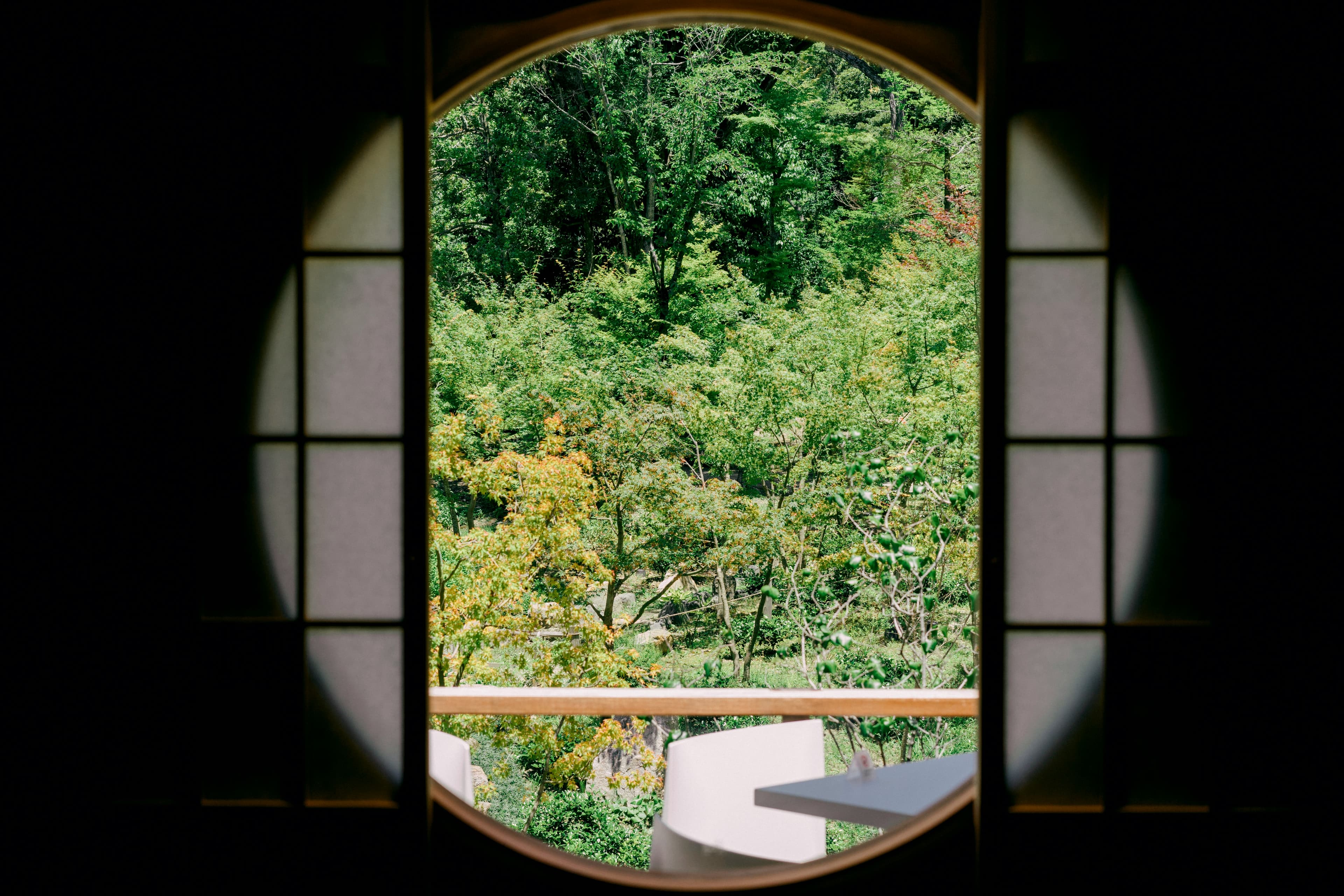
Kyoto, the former imperial capital of Japan for over a thousand years, stands as a living testament to the country's rich cultural heritage. In 2025, this enchanting city continues to captivate travelers with its perfectly preserved temples, traditional tea houses, and the timeless beauty of its seasonal transformations. From the ethereal cherry blossoms of spring to the fiery autumn maples, Kyoto offers an unparalleled journey through Japan's most refined traditions and spiritual practices.
This comprehensive guide will take you through the essential experiences that make Kyoto a must-visit destination, from its UNESCO World Heritage sites to hidden local gems that most tourists never discover. Whether you're a first-time visitor or returning to explore deeper layers of this ancient city, our insider tips and carefully curated recommendations will help you create an authentic Kyoto experience that goes beyond the typical tourist trail.
Where to Stay in Kyoto: Traditional Ryokans and Modern Comfort
Kyoto offers a diverse range of accommodation options that cater to every budget and preference. For the most authentic experience, consider staying in a traditional ryokan, where you can immerse yourself in Japanese hospitality and customs. The historic Gion district is perfect for those seeking the classic Kyoto atmosphere, with its preserved machiya houses and proximity to geisha culture.
If you prefer modern amenities while maintaining cultural authenticity, the hotels around Kyoto Station provide excellent access to public transportation and shopping. The Higashiyama area offers a perfect blend of traditional charm and convenience, with easy access to major temples and shrines. For budget-conscious travelers, guesthouses in the student-friendly Kawaramachi district provide affordable options without sacrificing location.
Regardless of where you choose to stay, prioritize proximity to a subway station or bus stop, as Kyoto's public transportation system is excellent and will be your primary means of exploring the city. Many accommodations also offer bicycle rentals, which can be an ideal way to explore Kyoto's flat terrain and discover hidden corners at your own pace.
Getting Around Kyoto: Mastering the City's Transportation Network
Kyoto's transportation system is remarkably efficient and visitor-friendly, making it easy to explore even the most remote temples and shrines. The city's bus network is particularly comprehensive, with special tourist buses that connect major attractions. The Kyoto City Bus One-Day Pass is an excellent investment for visitors planning to visit multiple sites in a single day.
The subway system, though limited to two lines, provides fast access to key areas like Kyoto Station, Karasuma-Oike, and the eastern temple district. For the most scenic and authentic experience, consider walking between nearby attractions, especially in the historic districts where the journey between sites reveals hidden architectural details and local life.
Cycling is perhaps the most enjoyable way to explore Kyoto, offering the perfect balance of convenience and discovery. The city's flat terrain and extensive network of bicycle paths make it accessible even for casual riders. Many hotels and guesthouses offer bicycle rentals, and dedicated cycling tours can provide unique insights into areas that are difficult to reach by public transportation.
Essential Sights and Experiences: Kyoto's Cultural Treasures
No visit to Kyoto would be complete without experiencing its most iconic temples and shrines. The Golden Pavilion (Kinkaku-ji) stands as one of Japan's most recognizable landmarks, its gold-leaf exterior reflecting brilliantly in the surrounding pond. Visit early in the morning to avoid crowds and capture the perfect photograph of this architectural masterpiece.
The Fushimi Inari Shrine, famous for its thousands of vermilion torii gates, offers one of Kyoto's most memorable experiences. The main path can be crowded during peak hours, but venture further up the mountain to find quieter sections where you can truly appreciate the spiritual atmosphere. Consider visiting at dawn or dusk for a more contemplative experience.
Kiyomizu-dera, perched dramatically on a hillside, provides breathtaking views of Kyoto and exemplifies the harmony between architecture and nature that defines Japanese aesthetics. The temple's wooden stage, built without nails, demonstrates the remarkable engineering skills of traditional Japanese craftsmen. The surrounding Higashiyama district is perfect for exploring traditional shops and sampling local sweets.
Seasonal Experiences: Cherry Blossoms, Autumn Colors, and Cultural Festivals
Kyoto's seasonal beauty transforms the city throughout the year, offering unique experiences for every visitor. Spring brings the magical cherry blossom season, when the city's parks and temple grounds burst into delicate pink blooms. The Philosopher's Path becomes a living tunnel of blossoms, while Maruyama Park hosts traditional hanami (flower viewing) parties that showcase Japanese social customs.
Autumn transforms Kyoto into a canvas of fiery reds and golden yellows, with the maple trees of Tofuku-ji and Arashiyama creating spectacular displays. The autumn colors are particularly stunning at temples like Eikando and Shoren-in, where the changing leaves complement the traditional architecture perfectly. This season also brings the Jidai Matsuri (Festival of the Ages), a grand procession that recreates historical periods through elaborate costumes and traditional performances.
Summer in Kyoto offers the opportunity to experience traditional cooling methods, from the kawadoko dining platforms suspended over flowing streams to the evening illuminations that transform temples into magical spaces. The Gion Matsuri, one of Japan's most famous festivals, takes place in July and features elaborate floats and traditional music that echo through the historic streets.
Food and Markets: Kyoto's Culinary Heritage
Kyoto's culinary scene reflects its status as Japan's cultural heart, offering traditional kaiseki dining experiences alongside casual local favorites. Nishiki Market, known as "Kyoto's Kitchen," is a must-visit destination where you can sample local specialties, from pickled vegetables to traditional sweets. The market's narrow alleys are lined with vendors selling everything from fresh seafood to artisanal crafts.
For an authentic tea ceremony experience, visit one of Kyoto's traditional tea houses in the Gion district. These intimate spaces offer not just tea but a complete cultural experience that includes learning about the philosophy and aesthetics behind this refined ritual. Many tea houses also serve traditional wagashi (Japanese sweets) that are as beautiful as they are delicious.
Kyoto's ramen scene, while perhaps less famous than other cities, offers unique local variations that reflect the city's refined palate. Look for shops specializing in shoyu (soy sauce) ramen, which tends to be lighter and more nuanced than the heavier tonkotsu varieties found elsewhere in Japan. The Pontocho district, with its traditional architecture and intimate dining spaces, is perfect for experiencing Kyoto's sophisticated dining culture.
Optional Day Trips: Expanding Your Kyoto Experience
While Kyoto itself offers endless exploration, several nearby destinations can enhance your understanding of Japanese culture and history. Nara, Japan's first permanent capital, is just a short train ride away and home to some of the country's oldest and most significant temples. The Great Buddha at Todai-ji and the free-roaming deer in Nara Park create a unique atmosphere that complements Kyoto's more refined aesthetic.
Arashiyama, technically part of Kyoto but often treated as a separate destination, offers a different perspective on traditional Japanese beauty. The famous bamboo grove creates an otherworldly atmosphere, while the nearby Tenryu-ji temple exemplifies the perfect integration of architecture and landscape design. Consider combining a visit to Arashiyama with a traditional boat ride down the Hozu River for a complete experience.
For those interested in traditional crafts, the nearby city of Uji offers insights into Japan's tea culture and ceramic traditions. The Byodo-in temple, featured on the 10-yen coin, showcases some of Japan's most beautiful architecture, while local workshops offer hands-on experiences with traditional crafts like tea ceremony and pottery making.
Safety, Etiquette, and Cultural Considerations
Kyoto is an extremely safe city with very low crime rates, making it ideal for solo travelers and families alike. However, understanding and respecting local customs will greatly enhance your experience and help you avoid unintentional cultural faux pas. When visiting temples and shrines, remember to dress modestly and remove your shoes when entering buildings where required.
The concept of "omotenashi" (Japanese hospitality) is deeply ingrained in Kyoto's culture, and you'll find that locals go out of their way to be helpful to visitors. Learning a few basic Japanese phrases, especially greetings and expressions of gratitude, will be greatly appreciated and often lead to more meaningful interactions. Remember that Kyoto is a city where tradition and modernity coexist, so be respectful of both the ancient customs and the contemporary lifestyle of its residents.
Photography is generally permitted in most public spaces, but always check for signs indicating restrictions, especially in temples and shrines. Some areas may prohibit photography entirely, while others may allow it only in certain sections. When photographing people, especially those in traditional dress like geiko (Kyoto dialect for geisha), always ask for permission first.
Money Matters and Budgeting for Your Kyoto Adventure
Kyoto can be as expensive or as budget-friendly as you choose to make it. While luxury ryokans and high-end kaiseki restaurants can cost several hundred dollars per person, there are plenty of affordable alternatives that still provide authentic experiences. Budget travelers can find comfortable guesthouses for under $50 per night, and local restaurants offer delicious meals for $10-20.
The Japan Rail Pass can be an excellent investment if you're planning to visit multiple cities, as it covers the Shinkansen journey from Tokyo to Kyoto and local transportation in many areas. For transportation within Kyoto, the bus and subway passes mentioned earlier provide excellent value for visitors planning to visit multiple attractions daily.
Many of Kyoto's most beautiful experiences are actually free or very inexpensive. Temple and shrine entrance fees typically range from $3-10, and many of the city's most picturesque areas, like the Philosopher's Path and the traditional districts, can be explored without any cost. The seasonal beauty of cherry blossoms and autumn colors is completely free to enjoy, making these natural spectacles accessible to travelers on any budget.
Best Times to Visit and Booking Recommendations for 2025
Kyoto's popularity means that planning ahead is essential, especially during peak seasons. The cherry blossom season (late March to early April) and autumn color season (mid-November to early December) are the most popular times to visit, requiring reservations at least 6-12 months in advance for popular accommodations. These seasons also see higher prices and larger crowds, so consider visiting during shoulder seasons for a more relaxed experience.
Spring (April-May) and autumn (October-November) offer pleasant weather and beautiful scenery without the extreme crowds of peak seasons. Summer can be hot and humid, but it's also when you'll find the best deals on accommodations and fewer crowds at major attractions. Winter in Kyoto is relatively mild and offers the unique beauty of snow-covered temples and gardens, along with the lowest prices and smallest crowds.
For 2025 visits, book your accommodations as early as possible, especially if you're planning to stay in a traditional ryokan or visit during peak seasons. Many popular restaurants and cultural experiences also require advance reservations, so plan your itinerary well in advance. Consider purchasing tickets for major attractions online to avoid long queues, and research any special events or festivals that might be taking place during your visit.
Booking Your Perfect Kyoto Experience
When planning your Kyoto adventure, consider the type of experience you want to create. For first-time visitors, guided tours can provide valuable context and help you navigate the city's complex cultural landscape. Many tour companies offer specialized experiences, from traditional tea ceremony workshops to photography tours that take you to the best spots for capturing Kyoto's beauty.
If you prefer independent exploration, invest time in researching the city's layout and transportation options before your arrival. Kyoto's grid-like structure makes it relatively easy to navigate, but understanding the relationship between different districts will help you make the most of your time. Consider purchasing a good guidebook or downloading offline maps to help with navigation.
For the most authentic experience, try to stay in a traditional neighborhood rather than near the main tourist areas. This will give you a better sense of daily life in Kyoto and provide access to local restaurants and shops that most tourists never discover. Many of these areas are still within easy reach of major attractions while offering a more peaceful and authentic atmosphere.
The Bottom Line: Why Kyoto Deserves a Place on Your 2025 Travel List
Kyoto represents the perfect synthesis of Japan's ancient traditions and contemporary culture, offering visitors an unparalleled opportunity to experience the country's most refined aspects. Whether you're drawn to the spiritual atmosphere of its temples, the seasonal beauty of its natural landscapes, or the sophisticated elegance of its traditional arts, Kyoto provides experiences that simply cannot be found anywhere else in the world.
The city's commitment to preserving its cultural heritage while embracing modern conveniences creates an environment where visitors can easily immerse themselves in traditional Japanese culture without sacrificing comfort or accessibility. From the moment you step into one of its ancient temples to your final stroll through the illuminated streets of Gion, Kyoto offers a journey through time that will leave you with memories to cherish for a lifetime.
As you plan your 2025 travels, consider what makes Kyoto truly special: its ability to transport visitors to a different era while providing all the comforts and conveniences of modern travel. This unique combination of authenticity and accessibility makes Kyoto not just a destination to visit, but a place to experience, understand, and ultimately fall in love with. Whether you're a seasoned traveler or embarking on your first international adventure, Kyoto promises an experience that will exceed your expectations and leave you planning your return before you've even left.