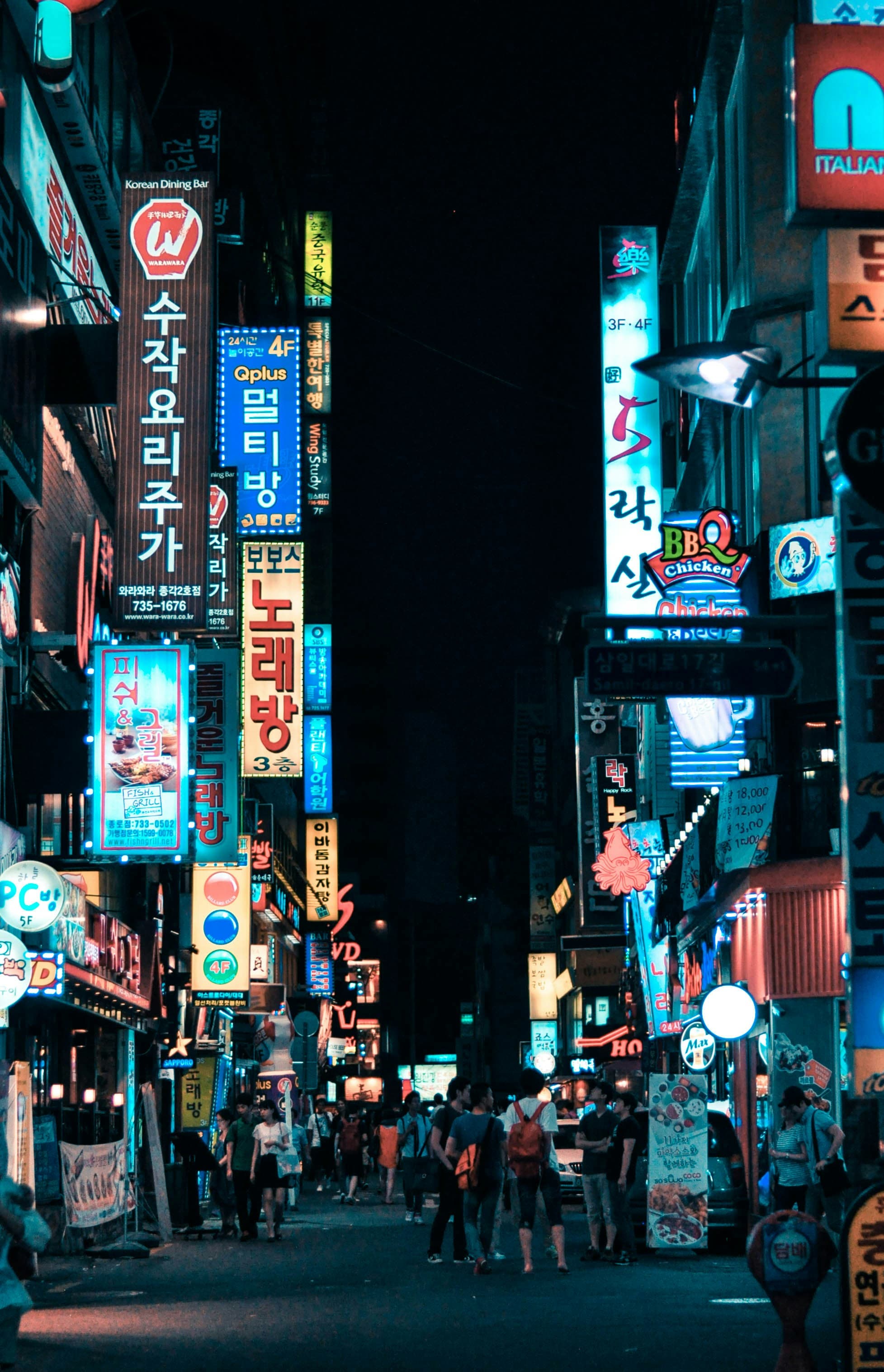
Seoul is a city that refuses to fit in a single frame. It is an urban amphitheater of river, mountains and lights where Joseon-era palaces sit a short walk from subterranean food courts, minimalist specialty cafés and indie fashion studios. In 2025 the capital feels both finely tuned and endlessly experimental: new art spaces and riverfront promenades, ever-more polished transit, a restaurant scene that folds heritage recipes into contemporary technique, and seasonal calendars that reward visits throughout the year. This guide brings clarity to that scale. It is designed for an immersive 2–4 day stay, with practical structure but plenty of room for detours: where to stay by neighborhood mood, how to get around with zero stress, essential sights and experiences, food markets worth crossing town for, a day-by-day plan, optional day trips, and thoughtful notes on etiquette, money, safety and seasonality. You will also find booking intel geared to 2025 and beyond, from timing your palace tickets to snagging peak-season reservations. The goal is simple: help you see more with less friction—and find a few quiet surprises in a city that buzzes.
Where to stay: choosing a base that matches your rhythm
Jongno and Bukchon: palaces, hanok lanes and quiet nights
First-timers often gravitate to Jongno for good reason: it places you within walking distance of Gyeongbokgung, Changdeokgung and the storied alleyways of Bukchon Hanok Village. Boutique hotels hide behind wooden gates and hanok guesthouses pair creaking floors with warm ondol heating. Nights are tranquil; mornings drift in with temple bells and the clack of delivery carts on stone. Choose this area if your priorities are early palace entries, museum days and slow walks through traditional quarters.
Myeong-dong and City Hall: retail energy and central transit
Myeong-dong remains a retail engine—bright cosmetics boutiques, department stores, snack stalls—and sits a few subway stops from almost everything. Rooms tend toward modern and compact, with ultra-efficient service. If you like to shop lightly each evening or you are juggling limited time, a base here keeps your transfers short and your options open.
Hongdae and Yeonnam-dong: creative cafés and indie nights
To the west, around Hongik University, you will find street performers, small galleries and a density of cafés that invite lingering. Yeonnam-dong’s Gyeongui Line Forest Park is a linear stroll threaded with dessert bars, ramen shops and ateliers. Accommodation ranges from design-forward guesthouses to playful hotels with vinyl libraries. Expect music, murals and a little nightlife hum.
Gangnam and COEX: polished towers and business-class comfort
South of the river, Gangnam offers luxury towers, wellness spas and restaurants that lean contemporary. Subway lines knit it to the north in minutes. Stay here if you want larger rooms, concierge services and easy access to COEX, Bongeunsa Temple and the café villages of Sinsa-dong and Apgujeong.
Getting around: subway fluency, cashless payments and easy rides
Seoul’s subway is clean, fast and bilingual on signage. Pick up a T-money or Cashbee card at convenience stores and top up as needed; nearly all buses, subways and even some taxis accept them. Naver Map and Kakao Map provide accurate routing; both handle English searches well. Taxis are plentiful, and ride-hailing apps cover late-night returns after the last train. Trains to Incheon Airport run from Seoul Station on the AREX line; the all-stops and the express services are both reliable. If your flight plans change or delays strike, be aware of airline rights and possible compensation for delayed flights under Korean and international rules.
For first-time visitors, one pro tip: the transfer times within mega stations can be long. Follow the carriage numbers painted on the platform that match your exit, and you will shorten surface walking by blocks. Elevators and escalators are abundant, but during rush hours it is better to travel off-peak or aim for the front and rear of trains, where crowds are thinner.
Essential sights and experiences
Gyeongbokgung and the palace axis
Gyeongbokgung’s geometry—courtyards, colonnades, mountain backdrop—sets the vocabulary for the other palaces. Arrive for the first entry to feel the space before tours gather, then move to the National Folk Museum on site. Pair the visit with a circuit that includes Changdeokgung’s Secret Garden (book the timed entry) and the smaller Deoksugung, whose stone walls make a serene loop at golden hour.
Bukchon and Ikseon-dong: traditional villages in two registers
Bukchon feels contemplative: sloped lanes, tiled ridgelines, hush and view corridors. Ikseon-dong is more playful: hanok alleys warmed by tea houses, modern bistros and vintage shops. Visit both to understand how Seoul folds old timbers into contemporary life.
N Seoul Tower and city panoramas
For a classic skyline, take the cable car or hike up Namsan. The tower’s observation deck offers a clean sweep of the Han River and the palaces to the north. If you prefer more texture, hike up Inwangsan or Ansan Jarak-gil for rolling, less crowded viewpoints.
Museums and design
The National Museum of Korea anchors culture with breadth; the Leeum Museum of Art delivers a precise dialogue between traditional and contemporary works. Dongdaemun Design Plaza (DDP) hosts exhibitions and night markets under fluid Zaha Hadid curves. Smaller galleries in Hannam and Seongsu change exhibitions frequently and reward a wander.
River life
Seoul’s civic living room is the Han River. Rent a bike along Yeouido, picnic with convenience-store fried chicken, or time your walk for sunset when bridges light and joggers drift by. On summer weekends, floating stages host concerts; in cooler months, the banks are quieter and clean-lined.
Food and markets
Seoul’s food maps are layered: palace-area noodle shops, steamy markets where metal bowls clink, minimalist cafés that treat beans like Burgundy, and smart-modern restaurants rethinking fermentation. If you only have a few meals, bias toward places that do one thing very well: knife-cut kalguksu, bossam with freshly made kimchi, charcoal-grilled bulgogi or late-night gomtang that tastes like it was coaxed for days.
- Gwangjang Market: Mung-bean bindaetteok pancakes fried to crackle; knife-cut noodles; blood sausage; a parade of pickle jars. Go hungry and join the stool-and-counter choreography.
- Noryangjin Fish Market: Pick your seafood and have it prepared upstairs—raw, grilled or in a spicy stew.
- Namdaemun Market: Streets of kitchenware, workwear, dried seafood and quick snacks; good for breakfast rambles.
- Traditional tea houses: Between Bukchon and Insadong, taste omija (five-flavor berry) infusions and rice cakes in hushed rooms.
- Modern cafés: Yeonnam-dong, Seongsu and Sinsa-dong are dense with specialty coffee and inventive desserts.
For your flights, monitor prices early and often—Seoul is well served across Asia, Europe and North America, and shoulder seasons can be exceptional for fares. When you are ready to book, compare routes and set alerts using cheap flights to Seoul to keep your options flexible.
A 2–4 day plan that balances icons and neighborhoods
Day 1: palaces and village textures
- Gyeongbokgung at opening time; linger in courtyards before groups arrive.
- National Folk Museum or a focused 60 minutes at a small gallery nearby.
- Bukchon lanes: slow walk, tea stop, rooftop views.
- Ikseon-dong for dinner: choose a hanok bistro or classic barbecue spot.
Day 2: design, markets and river sunset
- DDP architecture loop and a design exhibition.
- Gwangjang Market lunch: bindaetteok and kalguksu, then café time in Seongsu.
- Walk or cycle along the Han River at Yeouido; picnic at golden hour.
- Evening in Hongdae: street music and dessert bars.
Day 3: hills, museums and neon
- Morning hike up Inwangsan or Namsan for city views.
- Leeum Museum of Art or the National Museum of Korea.
- Dinner in Gangnam: modern Korean or a classic stew shop.
- Late walk through Myeong-dong or Euljiro neon lanes.
Day 4 (optional): deep dives
- Changdeokgung Secret Garden tour if you skipped it earlier (book ahead).
- Seochon neighborhood for galleries and tiny lunch counters.
- COEX library and temple contrast: Starfield Library and Bongeunsa.
Optional day trips
- Suwon: Hwaseong Fortress’s walls and archery grounds; street snacks in the old market.
- Incheon: Chinatown heritage, open-port architecture and coastal boardwalks.
- Nami Island + Garden of Morning Calm: photogenic arboretums and riverside pathways, best in shoulder seasons.
- DMZ viewpoints: Book with a reputable operator; schedules can change at short notice.
Safety, etiquette, money and seasonality
Safety
Seoul is broadly safe, with lit streets and visible policing. Still, protect phones and bags in market crowds and on late trains. In bars, keep your drink within sight. If you need help, station staff are consistently kind and professional.
Etiquette
- In temples and traditional spaces, move quietly; photography may be restricted in specific halls.
- On trains, priority seats are respected. Offer them when in doubt.
- At restaurants, stack bowls neatly; refilling water and banchan is often self-serve.
- Cashless payments are the norm, but a small cash float speeds markets and taxis.
- Learn a few phrases: hello (annyeonghaseyo), thank you (gamsahamnida); even a little goes far.
- For flight disruptions, understand your rights and explore compensation for delayed flights if you are eligible.
Money
Cards dominate, including contactless. ATMs are widespread in convenience stores. Tips are not expected, though rounding up small amounts is appreciated in cafés. Street-food stalls typically take cash or QR payments.
Seasonality in 2025
- Spring (March–May): cherries and azaleas, crisp mornings, lively palace gardens. Book hotels and timed entries early.
- Summer (June–August): warm and humid, with monsoon bursts. River life is at its fullest; plan indoor museum blocks midday.
- Autumn (September–November): marquee season: gingko and maple color, clean skies, and perfect hiking.
- Winter (December–February): sharp air, bright light, comfort stews and bathhouses. Clear views from hills and towers.
Booking and timing for 2025+
To keep your days smooth, reserve the pieces that actually sell out. For palaces, standard entry is easy, but the Secret Garden tour at Changdeokgung has timed slots; grab those first. If you are set on a headliner tasting menu or a temple-stay, commit early. For hotels, rates are elastic and often better midweek. Flights into both Incheon and Gimpo can be competitively priced in shoulder months—set fare alerts and compare routes via cheap flights to Seoul to save hundreds on transits. Build buffers at the edges of your itinerary in case of delays, and review compensation for delayed flights should your long-haul be disrupted.
The bottom line
Seoul rewards the curious. Put two days against palaces, lanes and markets, one day against hills and river, and a final half-day to a neighborhood that feels like yours. Eat simply and well. Leave room for an extra café you find by accident. The rhythm of the city will meet you halfway—and likely send you home planning a longer return.