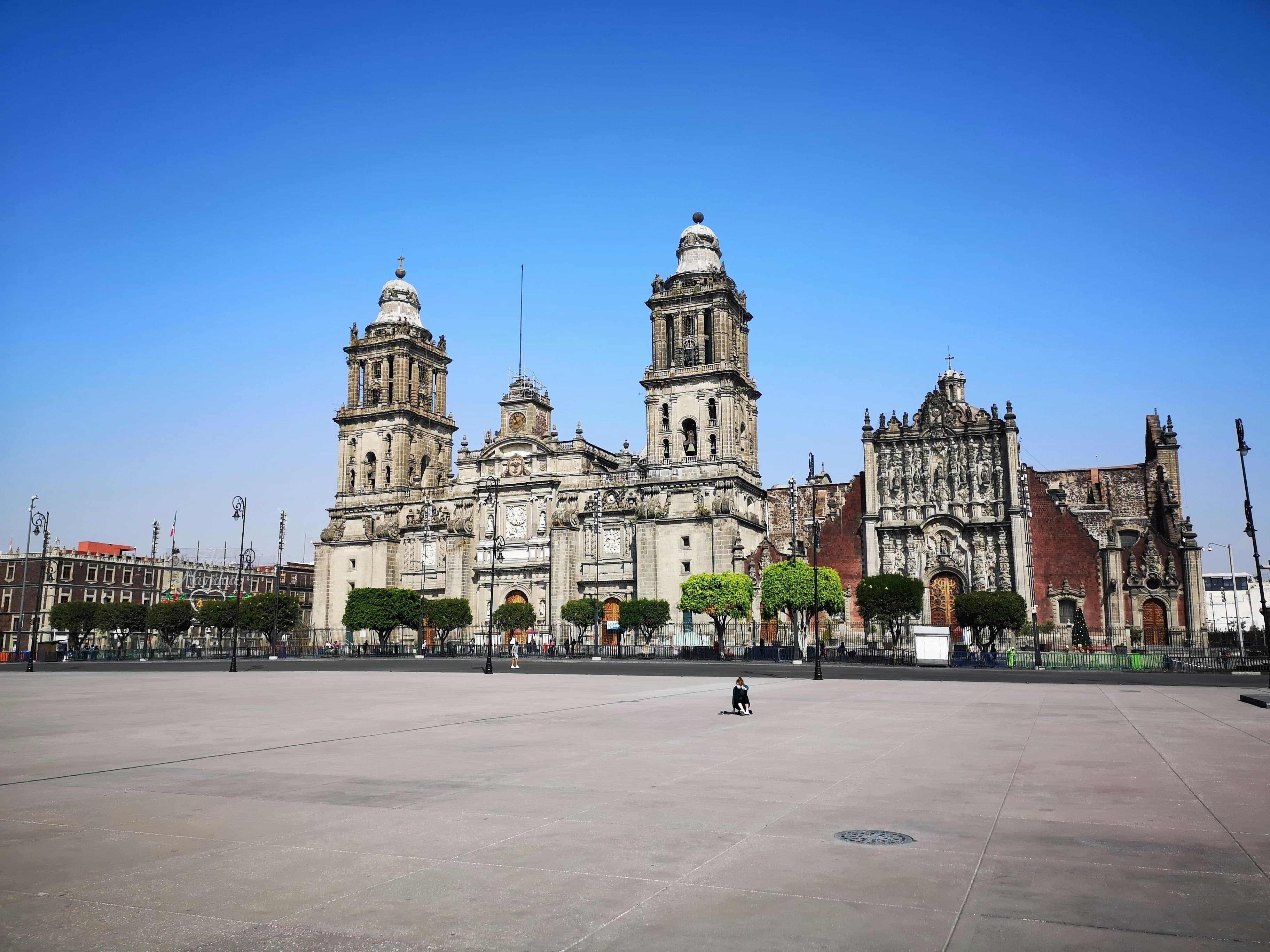
Mexico City is an altitude‑kissed capital sitting at the collision of ancient waterways, modern avenues, and a museum scene that rivals anywhere on earth. In 2025, it reads more polished and more proudly local: pedestrian corridors stretch further, bike lanes stitch neighborhoods together, and the culinary bench deepens from late‑night tacos al pastor to tasting menus that pull from chinampas. This guide is built as a practical, long‑form plan: where to stay, how to move, what to see and eat, which day trips are worth a slot, and all the small logistics that make your days feel smooth.
Start with options and flexibility. Use cheap flights to Mexico City across a 30‑day grid and nearby airports to catch drops; leave buffer on connections and know your rights with compensation for delayed flights. Book centrally for walkability or lean into leafy pockets for sleep‑well evenings. The sections below layer essentials with real‑world timing so you can adjust for weather, crowd rhythms, and your own appetite for murals, markets, and museums.
Where to Stay: Pick a Base by Mood and Movement
Mexico City rewards staying central to your interests. Each neighborhood sets a different tempo, from café‑quiet mornings to gallery‑rich afternoons and taco‑lit midnights. Compare hotel deals in Mexico City with free‑cancellation filters and map options to metro/Metrobús lines for friction‑light days.
Roma Norte and Condesa
Tree‑tunneled streets, Art Deco bones, pocket parks, and a café culture that stretches from first light croissants to late‑night wine bars. Walkable to galleries and restaurants; bikes feel at home here. Great for first‑timers who want to ease into the city’s rhythm without sacrificing access to the historic core.
Polanco
Polished and cosmopolitan with high‑end shopping, fine‑dining, and easy access to Chapultepec Park’s museums. A good match if you prefer luxe hotels and quiet nights. You’ll pay more, but mornings come calm and leafy around Parque Lincoln.
Centro Histórico
Baroque‑and‑Aztec layers, grand plazas, and ornate interiors. Ideal if you want to wake into palaces, cathedrals, murals, and markets. Nights can feel edgier off the main axes; pick a well‑reviewed property near the Zócalo or Alameda and plan rideshare after dark.
Coyoacán
Village energy in a big city frame: cobblestones, plazas, and blue‑walled houses. You’ll trade centrality for charm, and you’ll be well‑placed for the Frida Kahlo Museum and slow lunches. Evenings quiet down early.
Juárez and Cuauhtémoc
Between Roma and Reforma: creative studios, excellent coffee, and a growing roster of bistros. Good value, great access, and walkability to Roma without Roma prices.
Getting Around: Metro, Metrobús, On Foot, and Occasionally by Car
Days stack best when you mix modes. For most itineraries you won’t need a car; for day trips or multi‑site days (e.g., Teotihuacan + northern markets), consider guided transport or time‑boxed driving. If you need wheels, compare cheap car rentals in Mexico City and book automatics early.
Basics and Smart Habits
- Metro & Metrobús: Fast, frequent, and budget‑friendly. Avoid crush hours (roughly 7–9am and 5–7:30pm). Keep phones zipped on platforms and board in the middle of the train for calmer space.
- Rideshare: Uber/Didi are reliable; set pickup on lit corners; confirm plates before boarding. It’s often the best option after dark or when you’re carrying purchases.
- Walking: Roma/Condesa/Centro/Polanco are strollable by day. At night, stick to busy, well‑lit streets or choose rideshare. Always cross at signals; Reforma corridors are longer than they look.
- Cycling: EcoBici is improved and lanes are expanding. Stick to marked paths and calmer streets; Sundays on Reforma are a joy when it closes to cars.
- Airport: MEX sits close to the city—rideshare and official taxis are the smoothest options. Allow extra time on return days for security and traffic.
- Day trips: Teotihuacan is simplest with a direct bus or small group tour. If driving, daylight hours only and guarded parking; let cheap car rentals in Mexico City handle the paperwork.
Essential Sights and Experiences
This list is a balance: murals that anchor national identity, museums that contextualize millennia, parks that reset your senses, and food rituals that turn into memories.
Templo Mayor and the Zócalo
Stand where Tenochtitlan’s ceremonial heart once rose. The on‑site museum frames artifacts with care and puts the Spanish colonial grid into sharper relief. Nearby, the Metropolitan Cathedral swallows echo and gold; the National Palace hides Diego Rivera’s epic murals—time them early.
Palacio de Bellas Artes and Alameda Central
Art Nouveau outside, Art Deco inside, and a gallery circuit that offers Rivera, Siqueiros, Orozco in concentrated form. Step out into Alameda Central for shade, fountains, and the city’s afternoon stroll.
National Museum of Anthropology
A full day lives here if you give it. Prioritize the Piedra del Sol, Mexica halls, and the Mayan galleries, then roam with intention: the museum is vast. Pair with a Chapultepec walk and Chapultepec Castle tickets if you have energy for hilltop views and history.
Chapultepec Park (Sections I–III)
More than a park: lakes, trails, museums, and a castle with balcony‑worthy vistas. Weekends bring families, performers, and snack carts; weekdays are calm. You can spend a morning here without noticing the hours slip.
Frida Kahlo Museum (Casa Azul), Coyoacán
Time‑slot tickets sell out fast—reserve early. The house reads intimate and personal: canvases, clothing, and the blue that names it. Book Frida Kahlo Museum tickets and pair with the plazas for a full half‑day. Nearby markets handle lunch happily.
Diego Rivera and the Mural Circuit
Palacio Nacional, Secretaría de Educación Pública, and the Diego Rivera Mural Museum form an arc that explains the country’s 20th‑century visual language. If you only pick one: Palacio Nacional for the scale and sweep.
Roma/Condesa Everyday
Parks, bakeries, galleries, record shops, and street taquerías. Morning coffee turns into market browsing; late afternoons become wine and small plates. It’s the city’s day‑off heartbeat.
Markets and Food: Eat the City in Layers
Mexico City cooks with corn, patience, and fire. Breakfast can be pan dulce and fruit; lunch, a market bowl; dinner, an hours‑long tasting menu or a cluster of tacos devoured standing. Keep plans loose enough to say yes when a line looks promising.
Markets to Know
- La Merced: A city within a city: produce mountains, spice corridors, cookware, and life in every aisle. Go with purpose and keep valuables tight; weekday mornings are calmer.
- Mercado de San Juan: Chefs’ favorite for specialty meats, seafood, and cheese; tasting counters reward the curious. Ideal for grazing lunches and watch‑the‑world afternoons.
- Mercado Roma: A polished food hall—useful for groups and mixed cravings; good craft beer and rooftop moments.
- Coyoacán Market: Tostadas, quesadillas, and moles; pair with a plaza walk and Casa Azul tickets.
- Jamaica and Xochimilco: Flowers by the armful in Jamaica; canals and trajineras in Xochimilco—book tickets or tours ahead on busy weekends.
What to Eat
- Tacos al pastor: Late‑night, trompo‑spun, pineapple‑topped. Share plates and chase with a agua fresca.
- Barbacoa (weekends): Morning ritual; slow‑cooked, consommé on the side.
- Chilaquiles and huevos: Breakfast that lingers; order red/green and add pulled chicken if hungry.
- Moles: Puebla influences live here; dark, complex, and perfect for long lunches.
- Street snacks: Elotes, esquites, tlacoyos, and churros near dusk.
Optional Day Trips
Time your longer arcs around weather and energy. If you only pick one, make it Teotihuacan. If you have two, add Puebla or Tepoztlán. With cheap car rentals in Mexico City, you can string two in a day, but single‑focus days feel better.
Teotihuacan Pyramids
City of the Gods, aligned with the sky. Climb restrictions change; even on ground‑level paths the scale stuns. Go early, hat up, and bring water—the sun is direct. Pre‑book Teotihuacan Pyramids tickets or use an early bus from the North Terminal.
Puebla and Cholula
Talavera tiles, domes upon domes, and a food profile that includes some of the country’s great moles. In Cholula, the church crowned pyramid sits above a town that moves at a softer beat. Pair with a late return and a city‑center dinner.
Tepoztlán
Jagged green walls rise around a bohemian town. Hike to Tepozteco for mountain‑perch views; reward yourself with nieves in the plaza. Market lunches satisfy without effort.
Taxco
Silver‑mining heritage woven into steep lanes; white facades glow at sunset. It’s a longer day, but photogenic and different enough to warrant it if you like hill towns.
Safety, Etiquette, Money, and Seasonality
Mexico City feels great when you combine city sense with simple routines. Most visits are incident‑free; your habits do the heavy lifting.
Safety
- Street sense: Phones away near intersections and on transit. Stick to lively, lit avenues after dark or ride door‑to‑door.
- Transit: Use middle train cars and avoid peak crush. Keep a close carry for valuables.
- ATMs: Prefer bank/mall machines by day; pocket cash discreetly.
- Rideshare: Verify plates, sit behind the driver, share trip with a friend.
- Altitude & air: Hydrate, take first days gently, and note that rainy afternoons often clear the air nicely.
- Backups: If flights misbehave, review compensation for delayed flights and document delays in real time.
- Car: Daylight driving only on unfamiliar roads; no bags left visible.
- Tickets: Reserve timed entries (Frida, castle, popular tours) in advance; use Frida Kahlo Museum tickets and Chapultepec Castle tickets to reduce waiting.
- Hotels: Use properties with safes and strong reviews; compare flexible rates at hotel deals in Mexico City.
Etiquette
- Basic Spanish helps: Buenos días, por favor, gracias go a long way.
- Photography: Ask before portraits; avoid blocking doorways in markets.
- Markets: Cash is king for small bites; pay and step aside to let lines move.
- Tipping: 10–12% in restaurants; round up at counters; small coins for buskers are welcome.
Money and Connectivity
- Cards: Widely accepted in restaurants/hotels; markets are mixed.
- Cash: Keep small bills/coins for markets, street eats, and tips.
- eSIM/SIM: Airport kiosks and city shops; coverage is strong in core districts.
- Power: Type A/B sockets; 110V. Bring a reliable adapter and a small power bank for museum‑heavy days.
Seasonality
- Dry & warm (Mar–May): Clear mornings, hot afternoons; hydrate and start early for outdoor walks.
- Rains (Jun–Sep): Afternoon storms that wash the air; mornings are ideal for museums or markets under cover if showers persist.
- Cool & crisp (Oct–Feb): Mild days, cooler nights; festivals cluster around late Oct/Nov and winter holidays.
2–4 Day Blueprint
Day 1 — Centro Layers
Morning: Zócalo, Templo Mayor, and cathedral. Late morning: Palacio Nacional murals. Lunch near Alameda; afternoon: Bellas Artes galleries and a slow walk through the park. Early evening: Roma for coffee, bookstores, and an exploratory dinner.
Day 2 — Chapultepec and Polanco
Morning: Anthropology Museum (anchor 2–3 hours). Midday: Chapultepec stroll and Chapultepec Castle tickets. Afternoon: Polanco galleries or lunch; late: Reforma sunset walk or bikes if the avenue is closed to cars.
Day 3 — Neighborhood Slow Day
Roma/Condesa markets and bakeries. Galleries and design shops in the afternoon. Evening taquería crawl and a bar with good vinyl. If you want more history, add the Diego Rivera Mural Museum or SEP building.
Day 4 — Coyoacán and Frida, or Teotihuacan
Option A: Coyoacán plazas, market lunch, and Casa Azul (pre‑book Frida Kahlo Museum tickets). Option B: Teotihuacan early bus or tour with Teotihuacan Pyramids tickets, back by late afternoon for churros and a golden hour walk.
Extended Variations
Xochimilco and Southern Arc
Start at UNAM (sculptural campus and mosaics), loop to San Ángel (Saturday market), then Xochimilco canals for a late afternoon float. Bring snacks, agree on prices before boarding, and time your return for an early dinner in the city.
North Markets and Murals
La Lagunilla for vintage, San Felipe de Jesús for a different city lens, and a mural stop in Tlatelolco to tie ancient, colonial, and modern layers together.
Booking and Timing for 2025+
- Flights: Flexible calendars, nearby airports, and early alerts via cheap flights to Mexico City. Build buffer time; know your rights via compensation for delayed flights.
- Hotels: Reserve 3–8 weeks ahead for spring weekends and holidays; 1–3 weeks for shoulder seasons. Use hotel deals in Mexico City with free‑cancellation filters.
- Tickets: Reserve popular entries: Frida Kahlo Museum tickets, Chapultepec Castle tickets, and Teotihuacan Pyramids tickets. Museum free days can be crowded—arrive early.
- Cars: If stacking day trips, secure early via cheap car rentals in Mexico City (automatic inventory is limited). Drive by day; park in attended lots.
- Restaurants: For tasting menus, book weeks out; for markets and tacos, keep it spontaneous.
- Weather logic: Put outdoor views early in the day and keep a rain‑friendly museum in your back pocket for afternoons.
Bottom Line
Mexico City is not a checklist; it is a cadence. Mornings begin with coffee steam and stone underfoot; middays stretch across galleries and markets; evenings belong to tacos, plazas, and the slow punctuation of neon. Give yourself 2 days for the essentials and 4 to breathe between pyramids, murals, and park lakes. Book smart for 2025, keep your days open to small detours, and let the city’s mix of memory and momentum set your pace.