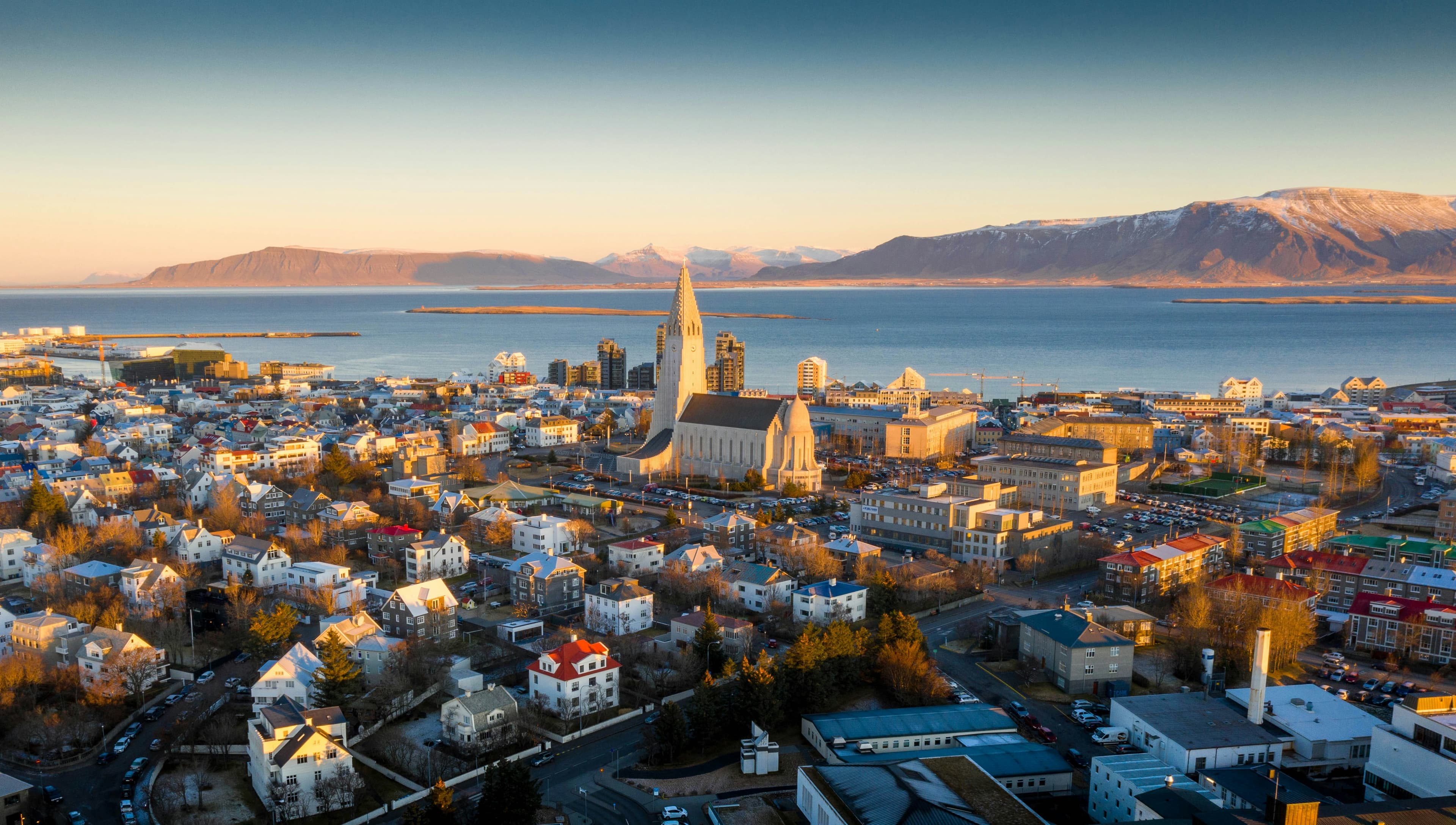
Reykjavik is a city of small pleasures set against a grand landscape. It’s where steam curls from community pools on frosty mornings, painted rooftops peek over a working harbor, and gulls ride North Atlantic winds that smell faintly of salt and seaweed. In 2025, easier flight schedules, contactless payments, and a maturing food scene make Iceland’s capital more welcoming than ever for travelers who value nature and culture in one itinerary.
Reykjavik rewards attention to rhythm. Spend early hours in warm water, walk lanes of corrugated-metal houses with murals blooming across gables, linger over cinnamon buns and filter coffee, then point yourself toward lava fields, waterfalls, and black‑sand vistas before returning to a city that glows with cozy windows and pub chatter. This guide is a practical companion to do just that—without rushing, without missing the essentials.
Getting There
Begin with cheap flights to Reykjavik. Keflavík International Airport (KEF) is the main gateway, about 45 minutes from the city. If weather or connections derail your plans, save your receipts and consider compensation for delayed flights. From KEF, the Flybus and other shuttle services run to central Reykjavik and major hotels; self‑drivers can pick up vehicles at the airport, while budget travelers can connect via public buses with a transfer in Hafnarfjörður.
Reykjavik’s location makes it ideal for transatlantic stopovers. If your long‑haul tickets allow a multi‑day layover, you can fit a compact version of this guide between continents—just be mindful of daylight hours in winter and book thermal sessions in advance.
Where to Stay
Best Areas
- Downtown & Old Harbor: Walk to Harpa Concert Hall, Laugavegur shops, and street‑art clusters. Ideal for first‑timers who want cafés, museums, and tour docks at their door.
- Hlíðar & 101 Fringe: Slightly inland, quieter at night, with bakeries and small parks. Good value and an easy stroll to the core.
- Vesturbær: Residential calm near the university and Vesturbæjarlaug pool; cafés and seaside paths within minutes.
- Grandi (Harbor District): Revitalized warehouses with food halls, galleries, and craft breweries; great for design lovers and sunset harbor walks.
- Laugardalur: Green zone with the city’s largest public pool complex; best if you value daily swims and parking ease.
Booking Strategy for 2025+
Secure refundable hotels in Reykjavik early for summer (June–August) and shoulder seasons (May, September), when daylight is long and day trips plentiful. Winter is for northern lights and warm‑pool rituals; hotel prices can be friendlier, but book rooms with good insulation and confirm heating and blackout curtains. Reykjavik stays run smaller than continental standards—double‑check bed sizes, luggage space, and whether breakfast is included.
Hotel vs. Apartment
Hotels win for 24/7 staffing, luggage storage, tour pickups, and consistent insulation. Apartments give kitchen control, which can trim food costs; they suit families and long stays but vary in warmth and soundproofing. A split stay works well: two nights in the harbor area for easy tours, then two nights in Laugardalur for pool access and parking.
Micro‑Location Choices
On Laugavegur, lively blocks are fun but can be noisy on weekends; pick side streets for quieter sleep. In Grandi, check distance to bus stops if you’re not driving. In Vesturbær, confirm walking minutes to the nearest pool—daily soaks are half the joy here.
Getting Around
- Walking: The core is compact and walkable in most weather. Icy days require traction and patience—choose boots with grip.
- Buses: Strætó covers the city with reliable routes; tickets via the Klapp app or contactless cards. Stops have live boards in central areas.
- Cars: For the Golden Circle and beyond, a rental is freedom. Look for cheap car rentals in Reykjavik with winter tires from October to April; always check road.is and vedur.is before leaving.
- Taxis & Rides: Licensed taxis are safe but pricey; rideshares are limited. Most hotels can call a cab on request.
- Tours: For winter or solo travelers, pickup tours remove weather stress. Many operators depart from the old harbor and downtown stops.
Accessibility Notes
Newer museums and Harpa are accessible; some older houses and side‑street cafés have steps. Curb cuts and crossings are improving. Pools often have accessible entries and staff who can assist—ask at reception. Winter sidewalks may be slick; city crews grit busy routes, but a cautious pace is wise.
Essential Sights & Experiences
Warm‑Water Culture
Public Pools (Sundlaugar): Reykjavik lives in its pools—Vesturbæjarlaug, Laugardalslaug, and neighborhood gems with hot pots at different temperatures. Arrive early, shower thoroughly (no swimsuits in showers), and choose a pot that suits your mood. Conversations drift between languages; locals are welcoming but value quiet respect.
Sky Lagoon: An oceanside lagoon with turf‑house aesthetics and a refreshing cold‑plunge in its 7‑step ritual; consider booking the Sky Lagoon thermal passes at sunset for glowing horizons.
Thermal Etiquette: Rinse before entering, tie long hair, speak softly, and leave phones in lockers. Pools are social spaces and sanctuaries; treat them like a library that happens to be warm water.
Harbor & Culture
Harpa Concert Hall: A basalt‑inspired honeycomb of glass and light; wander the atriums even if you’re not attending a performance. Sunset reflections are mesmerizing.
Old Harbor: Whale‑watching boats, seafood counters, and views across the bay to Esja. Wind is part of the experience; dress accordingly.
Street Art & Lanes: Corrugated houses in sherbet colors hide murals down side alleys; browse design shops and bookstores that double as cafés.
Museums & Exhibitions
Perlan – Wonders of Iceland: Interactive glaciers, ice caves, and northern lights exhibits high on Öskjuhlíð hill; book the Perlan – Wonders of Iceland tickets for timed entry when busy.
National Museum of Iceland: A clear narrative from settlement to the present—great context for sagas, turf houses, and independence.
Reykjavik Art Museum (Hafnarhús/Kjarvalsstaðir/Ásmundarsafn): Three venues exploring contemporary works and a beloved painter of Icelandic light.
FlyOver Iceland: A soaring, cinematic ride over fjords and volcanic plains; best paired with harbor time—reserve the FlyOver Iceland experience to match your schedule.
Views & Landmarks
Hallgrímskirkja: A soaring church inspired by columnar basalt; ride the elevator for city and bay views. Nearby, the Einar Jónsson Sculpture Garden is a quiet detour.
Sun Voyager (Sólfar): A gleaming dreamboat sculpture facing the Arctic light—best at dusk or sunrise when the sky blushes.
Grótta Lighthouse: An easy coastal walk with tide‑dependent access; on clear winter nights, a soft aurora can ripple over the bay.
Small Moments that Matter
Stroll wind‑bent paths where gulls hover nearly still. Warm your fingers around a paper cup of coffee and watch cloud shadows cross Esja. In a hot pot, breathe slow as snow hisses on the pool’s edge—this is Reykjavik’s signature luxury.
Food & Markets
Food Halls (Grandi Mathöll, Hlemmur Mathöll): Lively counters with fish soup, skyr desserts, lamb burgers, vegan bowls, and Icelandic twists on ramen and tacos. Great for groups with different tastes.
Seafood & Classics: Try plokkfiskur (creamy fish stew), Arctic char, and lamb. Bakeries deliver towering snúður rolls, rye bread, and cardamom buns. Coffee culture is strong—cafés roast in‑house and pour with care.
Markets: Kolaportið weekend flea market mixes food stalls and vintage; farmers’ pop‑ups bring local cheeses, berries, and greenhouse greens into town.
How to Eat Well without Overbooking
Reserve just one special dinner every two nights. For everything else, follow your feet and appetite—counter seats at bistros or seafood shacks can be more fun than dining rooms. Keep a Plan B list near your last sight of the day so queues don’t derail you.
3–5 Day Itinerary
Day 1: Orientation & Warm Water
- Morning: Airport arrival and transfer; drop bags. Walk the harbor and Laugavegur; snack on cinnamon buns.
- Afternoon: Perlan with Perlan – Wonders of Iceland tickets for an overview of geology and northern lights.
- Evening: Public pool soak (Vesturbæjarlaug) or book Sky Lagoon thermal passes for an oceanside sunset ritual.
- Night: If skies are clear in winter, watch aurora forecasts and head to Grótta with a thermos.
Day 2: Museums, Street Art, and a Harbor Night
- Morning: National Museum; coffee at a book‑café.
- Afternoon: Street‑art wander and design shops; Hallgrímskirkja tower views.
- Evening: Seafood at the harbor; optional FlyOver Iceland with reserved FlyOver Iceland experience slot.
- Late: Cozy bar with live music; sleep at a side‑street hotel for quiet.
Day 3: Golden Circle
- Morning: Early pickup or self‑drive via cheap car rentals in Reykjavik. Þingvellir National Park’s rift valley; gentle walks among lava and moss.
- Midday: Geysir area; Strokkur erupts every few minutes—patient observation beats rushing.
- Afternoon: Gullfoss waterfall; in winter, the edges frost into lace. End with a soak at a countryside pool or return to the city.
- Evening: Casual dinner; early night or soft aurora watch if the KP index cooperates.
Day 4: Reykjanes or Snæfellsnes
- Option A – Reykjanes: Lava fields, coastal cliffs at Reykjanestá, and steaming vents at Seltún. Add a thermal stop at a local pool on the way back.
- Option B – Snæfellsnes: A longer drive to black‑sand beaches, basalt stacks, and Kirkjufell’s famous profile; winter light can be spectacular.
Day 5: Free Day & Favorites
- Morning: Slow café breakfast; buy books, wool, or ceramics by Icelandic makers.
- Afternoon: Choose a second museum, seaside walk, or another long soak; if seas are calm, consider a whale‑watching boat from the harbor.
- Evening: Final meal and a stroll to Sun Voyager; pack for an easy airport morning.
Itinerary Fine‑Tuning
If weather turns, swap driving days for museums and pools. Reykjavik shines in bad weather; wind at your back and warm water at the end is a perfect equation. In summer, stretch evenings—golden light lasts for hours. In winter, plan by daylight windows and embrace the glow of interiors.
Optional Day Trips
- South Coast Sampler: Waterfalls at Seljalandsfoss and Skógafoss, black sands at Reynisfjara; long but iconic. Check wind warnings.
- Borgarfjörður: Hraunfossar lava‑field waterfalls and historic Reykholt; perfect with a countryside pool.
- Hvalfjörður Loop: A quiet fjord road with fjord‑edge walks and naval history; a contemplative alternative to headline loops.
Always check road and weather conditions. If in doubt, choose guided tours. Safety and flexibility will keep your trip joyful.
Practicalities: Safety, Etiquette, Money, Seasonality
Safety
Reykjavik is one of Europe’s safest capitals. Petty crime is rare but not absent—keep phones and wallets zipped in busy food halls. Weather is the bigger variable: respect wind warnings, wear layers, and avoid cliff edges in gusts. On winter roads, drive slowly and never attempt closed routes.
Etiquette
- Pool etiquette matters: thorough nude shower before entering, quiet voices, and no glass near water.
- Queue calmly for buses and counters; give space in small shops.
- Nature is fragile—stay on paths, don’t trample moss, and leave driftwood and stones in place.
- Ask before photographing people, especially in pools and small venues.
Money & Payments
The Icelandic króna (ISK) is the currency; cards and contactless are accepted almost everywhere. Digital receipts are common; carry a small amount of cash only if you prefer it. Ordering in English is fine; locals appreciate a friendly takk (thanks).
Budgeting
- Backpacker: €70–€110/day with hostels, food halls, and public pools.
- Mid‑range: €140–€260/day with bistros, museums, and a paid lagoon session.
- Comfort: €300+/day with boutique hotels, guided day trips, and tasting menus.
Sample Costs
Pools: €8–€15; Sky Lagoon: varies by package; Perlan: €20–€35; coffee and pastry: €6–€10; fish soup: €12–€18; bus single: ~€3–€4; rental car: seasonal—compare cheap car rentals in Reykjavik for winter tires and insurance bundles.
Seasonality
- May–September: Long light, festivals, road‑trip ease; book refundable hotels in Reykjavik early for peak weeks.
- October–April: Short days, northern lights potential, and soul‑warming pools; rent cars with winter tires and watch forecasts.
- December: Holiday lights and markets; magical but brief daylight—plan museum windows carefully.
Weather Playbook
Layer smart: base layer, insulating mid‑layer, wind/rain shell. Pack a hat, gloves, and a swimsuit—you’ll use both. In wind, reduce exposed coastal walks; in rain, embrace museums and long pool sessions. If flights hiccup, explore options for compensation for delayed flights and keep essentials in carry‑on.
Tickets, Passes, and Timing
Use timed entries for busier sights: the Perlan – Wonders of Iceland tickets clarifies your day, and the FlyOver Iceland experience pairs well with harbor meals. Book the Sky Lagoon thermal passes around sunset in shoulder seasons for a luminous horizon. For driving days, leave before tour buses and take breaks at small pools or viewpoints off the main turnouts.
Transit passes are less crucial if you walk centrally; single tickets via app are fine. For a heavy museum day, group venues by neighborhood to minimize backtracking in wind or drizzle.
Responsible and Respectful Travel
Choose local roasters, bakers, and artisans; Reykjavik’s creative scene depends on travelers who spend thoughtfully. In nature, follow the leave‑no‑trace basics and stay behind ropes. In pools and small bars, keep voices at a neighborly level—coziness is a shared project in this climate.
Booking & Timing for 2025+
- Reserve refundable hotels in Reykjavik once dates are set; shoulder seasons are sweet but popular.
- Compare cheap flights to Reykjavik midweek for better fares; early arrivals maximize your first day.
- For loops beyond the city, confirm car type and tires via cheap car rentals in Reykjavik; add a flexible cancellation window in winter.
- Hold key experiences with timed entries—Perlan, lagoon sessions—then keep the rest loose for weather.
Flexibility is the Icelandic superpower. Plan anchors each day—a pool, a view, a museum—and let weather set the transitions. Reykjavik will reward your patience with light, warmth, and space.
Bottom Line
Reykjavik blends everyday warmth with elemental drama. In 2025, with smarter flight schedules, polished museums, and refined lagoon experiences, the city is ready for travelers who prefer meaning over miles. Use cheap flights to Reykjavik, Perlan – Wonders of Iceland tickets, FlyOver Iceland experience, cheap car rentals in Reykjavik, refundable hotels in Reykjavik, and compensation for delayed flights to keep logistics smooth. Soak early, walk often, watch the sky, and leave room for the simple luxury of hot water in cold air—Reykjavik is a mood you carry long after you fly home.