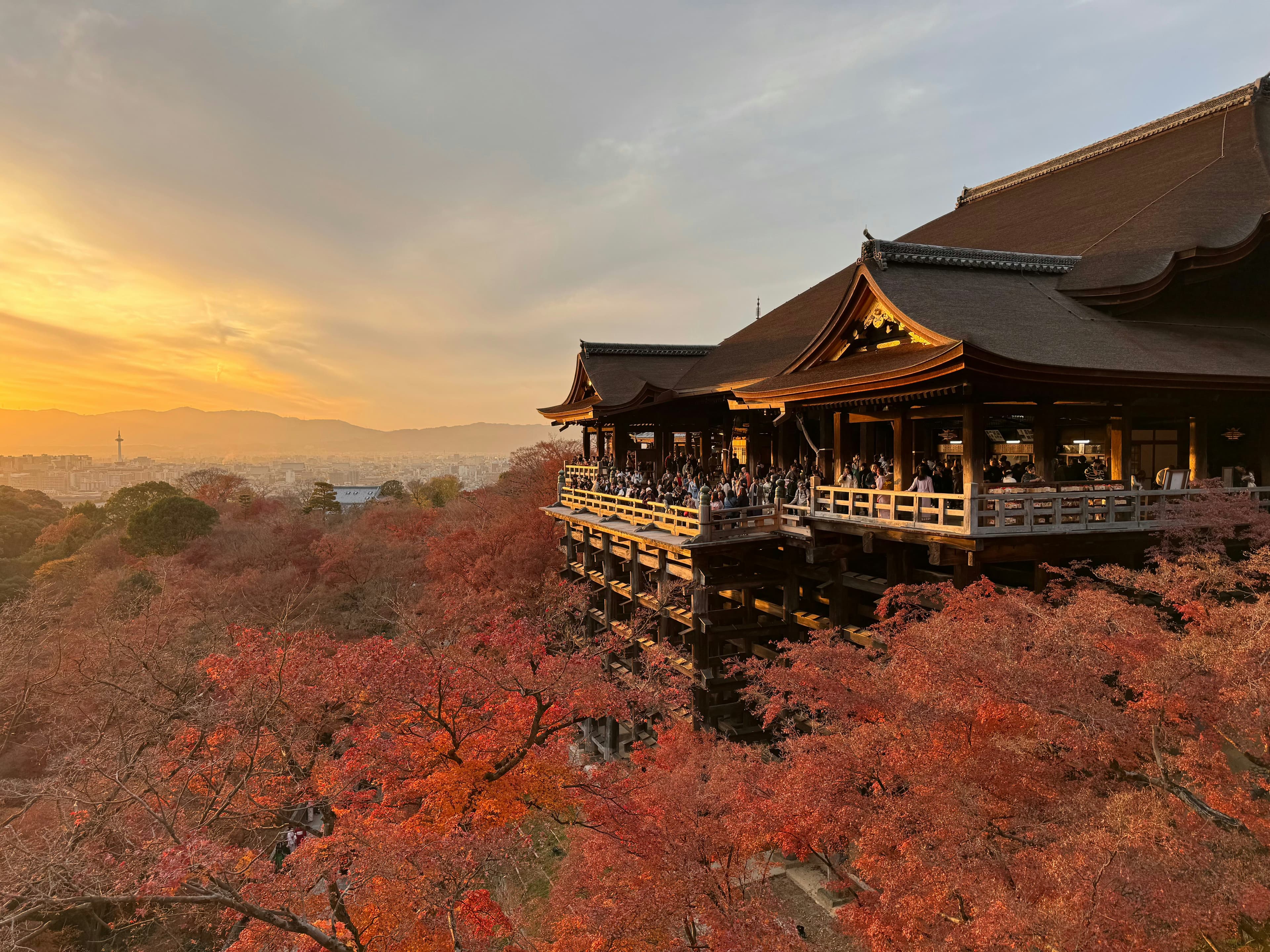
Kyoto, the former imperial capital of Japan, stands as a living museum where ancient traditions seamlessly blend with modern life. This UNESCO World Heritage city, home to over 1,600 Buddhist temples, 400 Shinto shrines, and countless traditional gardens, offers visitors an unparalleled glimpse into Japan's rich cultural heritage. As you wander through its historic streets, you'll discover why Kyoto remains the spiritual and cultural soul of Japan, drawing millions of visitors each year who seek to experience the authentic essence of Japanese culture.
Where to Stay in Kyoto
Kyoto offers accommodation options ranging from traditional ryokan inns to modern luxury hotels, each providing unique experiences that enhance your cultural immersion. For the most authentic experience, consider staying in a traditional ryokan in the historic Gion district, where you can sleep on tatami mats and enjoy traditional kaiseki meals. The Pontocho area, known for its atmospheric alleyways and traditional teahouses, offers excellent mid-range options with easy access to major attractions.
If you prefer modern comforts, the Kawaramachi and Karasuma areas provide contemporary hotels with excellent transportation links. For budget-conscious travelers, the area around Kyoto Station offers affordable accommodations while maintaining accessibility to the city's highlights. Regardless of your choice, staying within the city center ensures you can easily explore Kyoto's treasures on foot or by public transportation.
Getting Around Kyoto
Kyoto's efficient public transportation system makes exploring the city remarkably accessible. The comprehensive bus network connects all major attractions, with the Kyoto City Bus offering convenient day passes for unlimited travel. The subway system, though limited to two lines, provides fast connections between key areas. For the most flexible experience, consider renting a bicycle, which allows you to explore at your own pace and discover hidden corners of the city that might otherwise remain unseen.
Walking remains the best way to experience Kyoto's atmospheric neighborhoods, particularly in areas like Higashiyama and Arashiyama. Many of the city's most beautiful temples and shrines are best reached on foot, allowing you to appreciate the journey as much as the destination. For longer distances or when visiting outlying attractions like the bamboo forest or monkey park, the bus system proves invaluable.
Essential Sights and Cultural Experiences
Kyoto's cultural treasures span centuries of Japanese history, each site offering unique insights into different aspects of Japanese spirituality and aesthetics. The iconic Fushimi Inari Shrine, with its thousands of vermilion torii gates winding up the mountainside, provides one of Japan's most recognizable and photographed experiences. Visit early morning or late evening to avoid crowds and experience the shrine's mystical atmosphere at its most profound.
The Golden Pavilion (Kinkaku-ji) stands as a testament to the extravagant tastes of the Ashikaga shoguns, its gold leaf-covered exterior reflecting brilliantly in the surrounding pond. The Silver Pavilion (Ginkaku-ji), though never actually covered in silver, offers a more contemplative experience with its beautiful moss garden and sand art. Both sites exemplify the refined aesthetic principles that have influenced Japanese culture for centuries.
For a truly immersive cultural experience, participate in a traditional tea ceremony at one of Kyoto's many teahouses. These ceremonies, which can last up to four hours, provide insight into the spiritual and philosophical dimensions of Japanese culture. Many temples also offer meditation sessions, calligraphy classes, and other cultural activities that allow visitors to engage more deeply with Japanese traditions.
Seasonal Highlights and Natural Beauty
Kyoto's beauty transforms dramatically with each season, offering visitors different experiences throughout the year. Spring brings the world-famous cherry blossom season, when the city's parks and temple grounds burst into delicate pink blooms. The Philosopher's Path, lined with hundreds of cherry trees, becomes a magical tunnel of blossoms, while Maruyama Park offers spectacular hanami (flower viewing) experiences with traditional food stalls and evening illuminations.
Summer in Kyoto brings lush greenery and the famous Gion Matsuri festival, one of Japan's most important traditional celebrations. The heat and humidity can be challenging, but early morning visits to temples and evening strolls through illuminated gardens provide comfortable alternatives. Autumn transforms the city into a canvas of brilliant reds, oranges, and yellows, with the maple trees at Tofuku-ji Temple and the moss garden at Saiho-ji creating particularly spectacular displays.
Winter offers a quieter, more contemplative experience, with snow-covered temple roofs and gardens creating scenes of ethereal beauty. The illuminated temples and shrines during winter evenings provide magical experiences that few visitors get to witness. Each season brings its own unique charm, making Kyoto a destination worth visiting multiple times throughout the year.
Traditional Markets and Culinary Delights
Kyoto's culinary scene reflects its status as Japan's cultural capital, offering traditional flavors that have been perfected over centuries. Nishiki Market, known as "Kyoto's Kitchen," provides an excellent introduction to local ingredients and traditional foods. Here you'll find everything from fresh seafood and seasonal vegetables to traditional sweets and pickled delicacies. The market's narrow alleys and traditional architecture create an authentic atmosphere that transports visitors back in time.
For a more formal dining experience, Kyoto's kaiseki restaurants offer multi-course meals that showcase seasonal ingredients and traditional cooking techniques. These elaborate feasts, which can include up to 12 courses, represent the pinnacle of Japanese haute cuisine. Many restaurants require advance reservations, particularly during peak seasons, so plan accordingly to secure your dining experience.
Traditional sweets shops throughout the city offer wagashi (Japanese confections) that are as beautiful as they are delicious. These seasonal treats, often shaped like flowers or other natural elements, reflect the Japanese aesthetic principle of finding beauty in impermanence. Tea houses throughout the city provide the perfect setting to enjoy these delicacies while experiencing traditional Japanese hospitality.
Day Trips and Extended Explorations
While Kyoto itself offers endless discoveries, the surrounding region provides additional opportunities to experience Japanese culture and natural beauty. Nara, Japan's first permanent capital, lies just 45 minutes away by train and offers its own impressive collection of temples and shrines, including the famous Great Buddha at Todai-ji Temple. The friendly deer that roam freely through Nara Park add a unique charm to this historic city.
Arashiyama, located on the western edge of Kyoto, provides a perfect escape from the city center with its bamboo grove, monkey park, and scenic river views. The area's temples and gardens offer different perspectives on Japanese aesthetics, while the traditional shops and restaurants provide authentic local experiences. Consider spending a full day exploring this area to fully appreciate its natural beauty and cultural significance.
For those interested in traditional crafts, the nearby city of Uji offers opportunities to learn about tea production and traditional paper making. The Byodo-in Temple, featured on the 10-yen coin, provides a stunning example of Heian period architecture, while the surrounding tea fields offer insight into the production of Japan's most famous export.
Practical Information and Cultural Etiquette
Understanding and respecting Japanese cultural norms will significantly enhance your experience in Kyoto. When visiting temples and shrines, remember to dress modestly and behave respectfully. Photography is usually permitted in outdoor areas but may be restricted inside buildings. Many sites require visitors to remove their shoes, so wear easily removable footwear and clean socks.
The Japanese concept of "wa" (harmony) emphasizes the importance of not disturbing others. Keep your voice down in quiet areas, particularly in temples and gardens, and avoid eating or drinking while walking. When using public transportation, stand in line and wait for others to exit before boarding. These small gestures of respect will be appreciated by locals and enhance your cultural experience.
Language barriers need not be a concern, as most tourist areas provide English signage and many locals speak some English. However, learning a few basic Japanese phrases will be appreciated and can lead to more meaningful interactions. The Japanese people are generally very helpful and will go out of their way to assist visitors, even when communication is limited.
Budget Considerations and Money-Saving Tips
Kyoto can be experienced on various budgets, with careful planning allowing visitors to enjoy the city's cultural riches without breaking the bank. Many temples and shrines offer free admission to their grounds, with small fees only for entering specific buildings or gardens. The Kyoto City Bus day pass provides excellent value for visitors planning to visit multiple attractions in a single day.
Accommodation costs vary significantly by season, with cherry blossom and autumn foliage periods commanding premium prices. Consider visiting during shoulder seasons to enjoy lower rates while still experiencing Kyoto's beauty. Many budget accommodations offer traditional experiences at reasonable prices, particularly in guesthouses and small ryokan outside the city center.
Food costs can be managed by combining expensive kaiseki meals with more affordable options like convenience store bento boxes, which offer surprisingly high quality and variety. Local supermarkets provide excellent value for snacks and drinks, while traditional markets offer opportunities to sample local specialties without restaurant markups.
Best Times to Visit and Seasonal Considerations
Kyoto's peak seasons coincide with its most spectacular natural displays, but each period offers unique advantages and challenges. The cherry blossom season (late March to early May) brings the city's most iconic beauty but also its largest crowds and highest prices. Advance booking is essential during this period, with accommodations and popular restaurants requiring reservations months in advance.
Autumn foliage season (mid-November to early December) offers equally spectacular beauty with slightly more manageable crowds. The weather during this period is generally pleasant, making it ideal for extensive walking and outdoor exploration. Summer brings the famous Gion Matsuri but also high temperatures and humidity, requiring careful planning and early morning or evening activities.
Winter offers the most peaceful experience, with fewer crowds and lower prices, though some attractions may have reduced hours or seasonal closures. The illuminated temples and shrines during winter evenings provide unique experiences that few visitors witness. Spring and autumn shoulder seasons provide good balance between beauty, weather, and manageable crowds.
Booking and Planning for 2025 and Beyond
As international travel continues to recover and Kyoto's popularity grows, advance planning becomes increasingly important. Major attractions, particularly during peak seasons, may require advance reservations or timed entry tickets. The city's most popular temples and shrines have implemented visitor management systems to preserve their cultural integrity while accommodating growing numbers of visitors.
Accommodation booking should begin at least six months in advance for peak seasons, with some exclusive ryokan requiring reservations up to a year ahead. Popular restaurants, particularly those offering traditional kaiseki experiences, often require advance booking through your hotel or a local concierge service. Transportation passes and guided tours can often be booked in advance, potentially saving money and ensuring availability.
Consider purchasing a Japan Rail Pass if you plan to visit multiple cities, as it provides excellent value for extensive travel throughout the country. Local transportation passes in Kyoto can be purchased upon arrival and provide significant savings for visitors planning to use public transportation extensively.
Bottom Line: Why Kyoto Deserves Your Time
Kyoto represents the very essence of Japanese culture, offering visitors an unparalleled opportunity to experience the traditions, aesthetics, and spirituality that have shaped Japan for over a thousand years. Whether you're drawn to its magnificent temples and shrines, its exquisite gardens and seasonal beauty, or its rich culinary traditions, Kyoto provides experiences that simply cannot be found anywhere else in the world.
The city's unique ability to preserve its cultural heritage while embracing modern life creates an atmosphere that is both timeless and contemporary. Every visit reveals new layers of beauty and meaning, making Kyoto a destination that rewards repeated exploration. For travelers seeking authentic cultural experiences, spiritual enrichment, or simply the beauty of traditional Japanese aesthetics, Kyoto stands as an essential destination that will leave lasting impressions and create memories to cherish for a lifetime.
As you plan your 2025 journey to Japan, remember that Kyoto is not just a city to visit—it's a cultural experience to be lived, felt, and remembered. Take the time to slow down, observe the details, and allow yourself to be transported by the city's unique magic. In doing so, you'll discover why Kyoto continues to captivate visitors from around the world and remains the cultural heart of Japan.