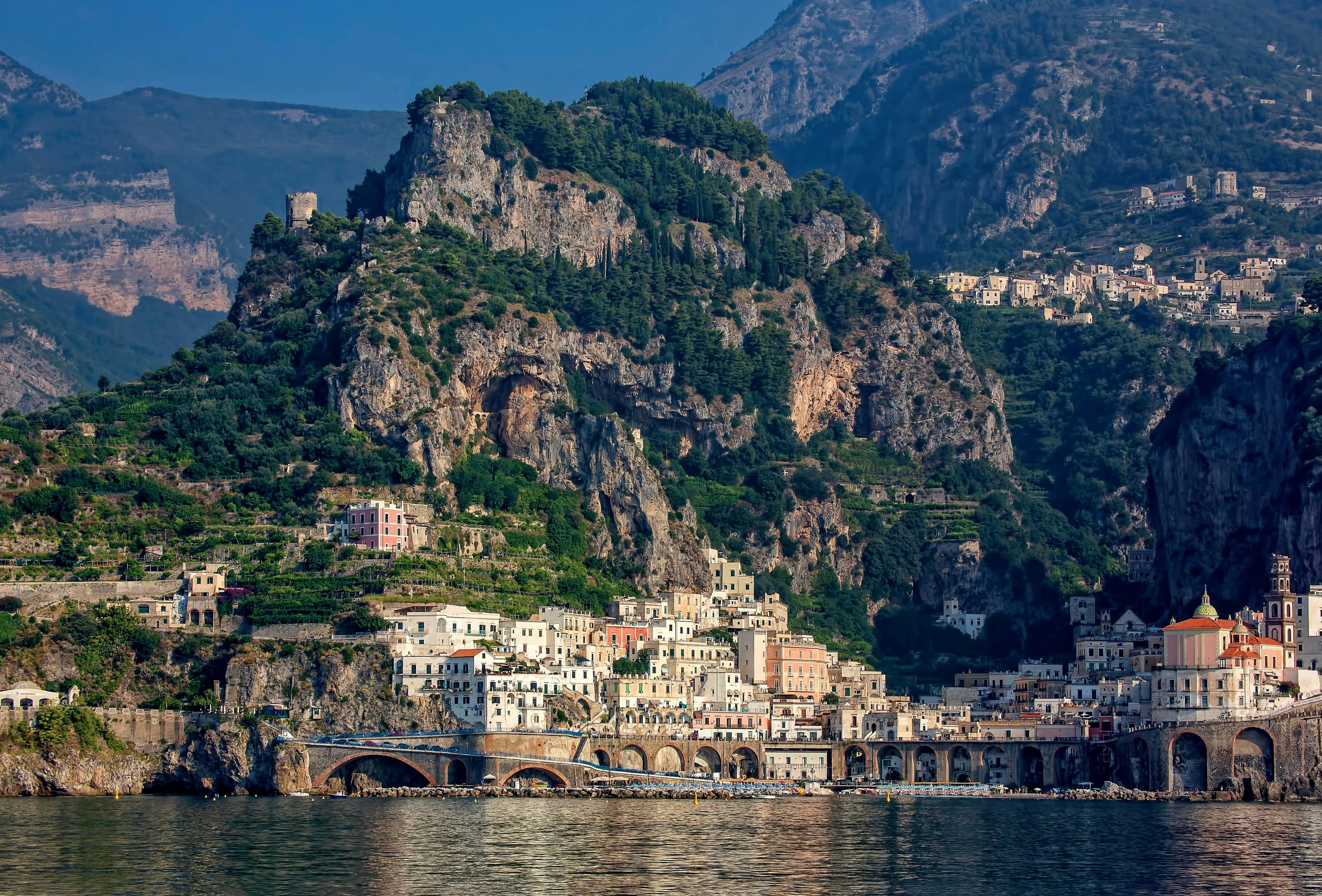
The Amalfi Coast, a UNESCO World Heritage site stretching 50 kilometers along the Sorrentine Peninsula, represents the epitome of Italian coastal beauty. This dramatic coastline, with its sheer cliffs plunging into the Tyrrhenian Sea, has captivated travelers for centuries. In 2025, the Amalfi Coast continues to offer an unparalleled blend of natural splendor, historical richness, and cultural authenticity that makes it one of the world's most coveted road trip destinations.
From the pastel-hued houses cascading down the cliffs of Positano to the elegant gardens of Ravello and the maritime heritage of Amalfi, each town along this spectacular route tells its own story. The winding coastal road, known as the SS163, offers breathtaking vistas at every turn, making this journey as much about the drive as the destinations themselves.
Planning Your Amalfi Coast Adventure
Timing is everything when planning your Amalfi Coast road trip. The best months to visit are April through June and September through October, when the weather is pleasant, crowds are manageable, and prices are more reasonable than the peak summer months. July and August bring the highest temperatures and largest crowds, while winter months can see some attractions closed and limited ferry services.
For the optimal experience, plan to spend at least 5-7 days exploring the coast. This allows you to visit each major town thoroughly, take day trips to nearby islands like Capri or Ischia, and truly soak in the relaxed pace of life that defines this region. Remember that the Amalfi Coast operates on "Italian time" – meals are leisurely affairs, shops close for afternoon siestas, and the best experiences often come from unexpected discoveries rather than rigid itineraries.
Getting There: Transportation Options
Most visitors begin their Amalfi Coast journey from Naples, which has the nearest major airport and train station. From Naples Capodichino Airport, you can take a direct bus to Sorrento, or arrange a private transfer for a more comfortable arrival. The train from Naples to Sorrento takes about an hour and offers scenic views of the Bay of Naples and Mount Vesuvius.
Once in Sorrento, you have several options for exploring the coast. Renting a car gives you the ultimate freedom to explore at your own pace, but be prepared for narrow, winding roads and limited parking. Many visitors opt for a combination approach: using public transportation between major towns and renting a car for day trips to more remote areas. The SITA bus service runs regularly between all major coastal towns, while ferries provide a scenic alternative with stunning sea views.
Essential Transportation Tips
If you choose to drive, remember that the coastal road is narrow and winding, with many hairpin turns and limited visibility. Local drivers are accustomed to these conditions and may drive more assertively than you're comfortable with. Consider taking a few practice drives on less challenging roads before tackling the full coastal route. Parking can be challenging and expensive in the main towns, so plan to use public parking areas and walk into the historic centers.
Where to Stay: Accommodation Options
Accommodation along the Amalfi Coast ranges from luxury hotels with infinity pools overlooking the sea to charming family-run bed and breakfasts tucked into historic buildings. Each town offers its own unique lodging experience, and your choice of base can significantly impact your overall experience.
Positano, with its dramatic cliffside setting and upscale atmosphere, is perfect for those seeking luxury and romance. The town's hotels are built into the cliffs, offering spectacular sea views and easy access to the famous Spiaggia Grande beach. Many properties feature private terraces, infinity pools, and world-class dining options that showcase the region's culinary excellence.
Ravello, perched high above the coast, offers a more tranquil and sophisticated atmosphere. This town has long been a favorite of artists, writers, and musicians seeking inspiration in its peaceful gardens and panoramic views. Accommodation here tends to be more upscale and peaceful, perfect for those looking to escape the crowds and enjoy the region's cultural offerings.
Amalfi, the historic maritime republic, provides a good balance of accessibility and authenticity. The town's central location makes it an excellent base for exploring the entire coast, while its rich history and architectural heritage offer plenty of cultural interest. Accommodation options range from historic hotels in converted palaces to modern properties with all the amenities today's travelers expect.
Alternative Accommodation Options
For a truly authentic experience, consider staying in one of the smaller villages along the coast, such as Praiano, Conca dei Marini, or Furore. These communities offer a glimpse into traditional coastal life while providing easy access to the main attractions. Many local families rent out rooms or apartments, offering visitors the chance to experience genuine Italian hospitality and daily life.
Agriturismi (farm stays) in the hills above the coast provide another excellent option, especially for families or those seeking a more rural experience. These properties often offer cooking classes, wine tastings, and guided tours of their olive groves and vineyards, providing insight into the region's agricultural traditions.
Essential Sights and Experiences
The Amalfi Coast is home to some of Italy's most iconic landmarks and experiences. Each town along the route offers unique attractions that showcase different aspects of the region's rich heritage and natural beauty.
In Positano, the colorful houses cascading down the cliffs create one of the most photographed scenes in Italy. The Church of Santa Maria Assunta, with its distinctive majolica-tiled dome, houses a 13th-century Byzantine icon of the Virgin Mary that's carried through the town in an annual procession. The Spiaggia Grande beach, while often crowded, offers the quintessential Amalfi Coast experience with its crystal-clear waters and dramatic backdrop.
Ravello's Villa Rufolo and Villa Cimbrone are among the most beautiful gardens in Italy, offering peaceful retreats with spectacular sea views. The annual Ravello Festival, held in the summer months, brings world-class music and cultural events to this hilltop paradise. The town's elevated position provides some of the best panoramic views of the entire coast, making it an ideal spot for photography and contemplation.
Amalfi's Duomo, with its striking Arab-Norman architecture and golden facade, stands as a testament to the town's former maritime power. The nearby Paper Museum tells the story of Amalfi's historic paper-making industry, which was once the most important in Europe. The town's central piazza, with its fountain and surrounding cafes, provides the perfect spot to people-watch and soak in the local atmosphere.
Hidden Gems and Local Secrets
Beyond the main attractions, the Amalfi Coast hides numerous treasures waiting to be discovered. The Path of the Gods, a hiking trail that runs high above the coast between Agerola and Nocelle, offers some of the most spectacular views of the entire region. This ancient mule track, used for centuries by farmers and traders, provides a perspective on the coast that few visitors experience.
The Grotta dello Smeraldo (Emerald Grotto), accessible by boat from Amalfi, offers a magical underground experience with its emerald-green waters and impressive stalactites. The grotto's name comes from the unique light that filters through the water, creating an otherworldly atmosphere that's perfect for photography and exploration.
Local markets, particularly in Amalfi and Positano, offer the chance to experience the region's vibrant food culture and purchase authentic souvenirs. These markets showcase local products like limoncello, handmade ceramics, and fresh seafood, providing insight into the region's artisanal traditions and culinary heritage.
Food and Markets: Culinary Delights
The Amalfi Coast's culinary scene reflects its rich maritime history and agricultural traditions. The region's cuisine is characterized by fresh, locally-sourced ingredients, simple preparation methods that highlight natural flavors, and a deep respect for traditional recipes passed down through generations.
Seafood plays a starring role in coastal cuisine, with dishes like spaghetti alle vongole (spaghetti with clams), scialatielli ai frutti di mare (homemade pasta with mixed seafood), and various preparations of local fish species. The region's proximity to the sea ensures that seafood is always fresh and locally caught, supporting sustainable fishing practices and providing visitors with the authentic taste of the Mediterranean.
Local markets, particularly in Amalfi and Positano, offer visitors the chance to experience the region's vibrant food culture firsthand. These markets showcase seasonal produce, fresh seafood, artisanal cheeses, and local specialties like preserved lemons and sun-dried tomatoes. Visiting these markets provides insight into the region's agricultural traditions and offers the opportunity to purchase authentic ingredients for home cooking or as unique souvenirs.
Signature Dishes and Local Specialties
Limoncello, the region's famous lemon liqueur, is a must-try during any visit to the Amalfi Coast. Made from the distinctive Sfusato Amalfitano lemons that grow in the terraced gardens above the coast, this sweet, refreshing drink is traditionally served as a digestif after meals. Many local restaurants and bars make their own versions, and visitors can often sample different varieties to find their favorite.
Pasta dishes showcase the region's artisanal traditions, with local specialties like scialatielli (thick, handmade pasta) and gnocchi alla sorrentina (potato dumplings with tomato sauce and mozzarella) offering authentic tastes of coastal cuisine. These dishes are typically prepared with simple, high-quality ingredients that let the natural flavors shine through.
Desserts reflect the region's sweet tooth and agricultural heritage, with treats like sfogliatella (flaky pastry filled with sweet ricotta), pastiera (traditional Easter cake), and various gelato flavors showcasing local ingredients. Many of these desserts have been prepared the same way for generations, preserving the region's culinary heritage and providing visitors with authentic tastes of traditional Italian sweets.
Optional Day Trips and Extended Adventures
While the Amalfi Coast itself offers endless exploration opportunities, the surrounding region provides numerous options for day trips and extended adventures that can enrich your overall experience. These excursions offer different perspectives on the area's natural beauty, cultural heritage, and historical significance.
Capri, the legendary island just off the coast, makes for an excellent day trip from any of the coastal towns. The island's dramatic landscapes, from the famous Blue Grotto to the panoramic views from Anacapri, provide a different perspective on the region's natural beauty. Capri's sophisticated atmosphere and luxury shopping offer a contrast to the more relaxed pace of the mainland coast.
Ischia, the largest of the Phlegraean Islands, offers a more authentic and less touristy alternative to Capri. The island's thermal springs, historic castles, and beautiful beaches provide opportunities for relaxation and exploration that complement the cultural experiences of the mainland coast. Ischia's slower pace and local atmosphere offer visitors a glimpse into traditional island life.
The Sorrentine Peninsula, with its lemon groves, olive orchards, and traditional villages, provides opportunities for agricultural tourism and cultural immersion. Many local farms offer tours, cooking classes, and tastings that provide insight into the region's agricultural traditions and the production of local specialties like limoncello and olive oil.
Adventure and Outdoor Activities
For those seeking more active experiences, the region offers numerous opportunities for hiking, kayaking, and other outdoor activities. The Path of the Gods, while challenging, provides some of the most spectacular views of the coast and can be completed as a day hike with proper planning and preparation.
Sea kayaking offers a unique perspective on the coastal landscape, allowing visitors to explore hidden coves and sea caves that are inaccessible by land. Many local operators offer guided tours that combine physical activity with cultural and natural interpretation, providing a comprehensive understanding of the region's marine environment.
Rock climbing on the limestone cliffs above the coast provides opportunities for adventure and spectacular views, though this activity requires proper equipment and experience. Local climbing guides can provide safe introductions to the area's climbing opportunities while ensuring visitors understand the region's unique geological features.
Safety, Etiquette, and Practical Considerations
While the Amalfi Coast is generally safe for visitors, understanding local customs and practical considerations can significantly enhance your experience and help you avoid common pitfalls. The region's popularity with tourists means that visitors should be aware of both the benefits and challenges of traveling in a heavily-visited destination.
Driving safety is paramount, as the coastal roads are narrow, winding, and often congested with both local and tourist traffic. The roads were built for much smaller vehicles and lighter traffic than they currently experience, making defensive driving essential. Many visitors find that using public transportation or hiring local drivers provides a more relaxing and safer experience than attempting to navigate the roads themselves.
Respect for local customs and traditions is important, particularly in smaller villages and religious sites. Dress modestly when visiting churches and religious monuments, and be mindful of local dining customs, such as the traditional Italian meal structure and the importance of the afternoon siesta period.
Money and Practical Tips
While the Amalfi Coast is known for luxury tourism, budget-conscious travelers can still enjoy the region's beauty and culture with proper planning. Accommodation costs vary significantly by season, with shoulder seasons offering better value than peak summer months. Many local restaurants offer fixed-price menus that provide good value while showcasing local specialties.
Public transportation is generally reliable and affordable, making it possible to explore the coast without the expense of car rental or private transfers. The SITA bus service connects all major towns, while ferries provide scenic alternatives for coastal travel. Purchasing transportation passes can provide significant savings for visitors planning extensive exploration.
Local markets and smaller shops often offer better prices than tourist-oriented establishments, and many local products make excellent souvenirs that support the regional economy. Visitors should be prepared to bargain in markets, though this is less common in fixed-price retail establishments.
Booking and Timing for 2025 and Beyond
Planning ahead is essential for a successful Amalfi Coast experience, particularly during peak seasons when demand for accommodation and activities often exceeds availability. The region's popularity means that the best properties and experiences book up months in advance, making early planning crucial for securing optimal arrangements.
For 2025 visits, booking accommodation 6-12 months in advance is recommended, particularly for peak summer months and popular properties. Many hotels and vacation rentals offer early booking discounts and flexible cancellation policies that can provide peace of mind while securing the best rates. Consider booking during shoulder seasons (April-May and September-October) for better availability and more reasonable prices.
Restaurant reservations are also important, particularly for popular establishments and peak dining times. Many restaurants accept reservations several weeks in advance, and securing these early can ensure that you experience the region's best culinary offerings. Local hotel concierges can often assist with restaurant reservations and other local arrangements.
Seasonal Considerations and Special Events
Understanding the region's seasonal patterns can help visitors choose the optimal time for their visit and plan activities accordingly. Spring brings mild weather, blooming gardens, and fewer crowds, making it ideal for outdoor activities and cultural exploration. The region's famous lemon groves are particularly beautiful during this season, and many local festivals celebrate the arrival of spring.
Summer offers the warmest weather and longest days, perfect for beach activities and outdoor dining, but also brings the largest crowds and highest prices. Many local events and festivals take place during summer months, providing opportunities to experience the region's cultural vibrancy and community spirit.
Autumn provides another excellent visiting period, with pleasant weather, harvest festivals, and the opportunity to experience the region's agricultural traditions. The changing colors of the landscape and the harvest of local products like grapes and olives provide unique seasonal experiences that complement the region's year-round attractions.
Bottom Line: Why the Amalfi Coast Deserves Your 2025 Travel Plans
The Amalfi Coast represents one of the world's most extraordinary travel destinations, offering a perfect blend of natural beauty, cultural richness, and authentic Italian hospitality. This UNESCO World Heritage site provides visitors with experiences that go far beyond typical tourist destinations, offering deep connections to local traditions, history, and way of life.
What makes the Amalfi Coast truly special is its ability to provide both luxury and authenticity, allowing visitors to experience the best of Italian culture while maintaining the region's unique character and traditions. From the dramatic landscapes and historic architecture to the world-class cuisine and warm local hospitality, every aspect of the coast contributes to an unforgettable travel experience.
For 2025 and beyond, the Amalfi Coast continues to evolve while preserving its essential character. New sustainable tourism initiatives, improved transportation options, and enhanced visitor services are making the region more accessible while maintaining its authentic charm. These developments ensure that visitors can enjoy the coast's beauty and culture while supporting local communities and preserving the region's unique heritage.
Whether you're seeking a romantic getaway, a cultural exploration, or simply the opportunity to experience one of the world's most beautiful landscapes, the Amalfi Coast offers an unparalleled travel experience that will create memories lasting a lifetime. The combination of natural splendor, cultural richness, and authentic Italian hospitality makes this destination truly unique and deserving of a place on every traveler's bucket list.