Iceland, the dramatic island nation where fire meets ice in spectacular fashion, continues to captivate adventurous travelers in 2025 with its otherworldly landscapes, powerful geothermal forces, and the mesmerizing dance of the Northern Lights across Arctic skies. This Nordic wonderland, located just below the Arctic Circle, offers visitors an unparalleled opportunity to experience some of Earth's most dramatic natural phenomena, from erupting geysers and bubbling mud pots to massive glaciers and black sand beaches that stretch to the horizon.
From the moment you step off the plane at Keflavik International Airport, you'll understand why Iceland has become one of the world's most sought-after adventure destinations. The island's unique position at the meeting point of the North American and Eurasian tectonic plates has created a landscape unlike any other on Earth, where volcanic activity and glacial forces have sculpted a terrain that ranges from stark lava fields to lush green valleys fed by countless waterfalls. This comprehensive guide will take you through every aspect of planning and experiencing the perfect Icelandic adventure, from chasing the Northern Lights to exploring hidden geothermal pools and hiking across ancient glaciers.
Where to Stay in Iceland: Accommodation for Every Adventure Style
Choosing the right accommodation for your Icelandic adventure requires careful consideration of your travel style, budget, and desired experiences. Reykjavik, the world's northernmost capital city, serves as the primary gateway and offers the widest range of accommodation options, from budget-friendly hostels perfect for backpackers to luxury hotels that provide comfort after challenging outdoor adventures. The city's compact center makes it easy to explore on foot, with excellent access to restaurants, cultural attractions, and tour departure points.
For those seeking a more immersive natural experience, consider staying in smaller towns and villages throughout the country. Towns like Akureyri in the north, Vik in the south, and Egilsstadir in the east offer authentic Icelandic culture and excellent access to nearby natural attractions. These locations provide a deeper understanding of local life while offering more reasonable prices than accommodations in the capital region.
If you're planning to explore Iceland's more remote areas, booking accommodations well in advance is essential, as options can be limited in rural regions. Many visitors choose to rent camper vans or motorhomes, which provide the flexibility to explore at their own pace while ensuring you always have a place to sleep. This approach is particularly popular during the summer months when the weather is more predictable and the roads are easier to navigate.
Getting Around Iceland: Mastering Transportation in the Land of Fire and Ice
Understanding Iceland's transportation options is crucial for planning a successful visit, as the island's challenging terrain and weather conditions create specific travel requirements. Renting a car provides the most flexibility and allows you to explore remote areas that are inaccessible by public transportation. Four-wheel-drive vehicles are highly recommended, especially if you're planning to visit during winter months or explore the highlands and interior regions.
Iceland's Ring Road (Route 1) circles the entire island and provides access to most major attractions, though many of the most spectacular sites require venturing onto secondary roads. The road network is generally well-maintained, but weather conditions can change rapidly, especially during winter months. Always check road conditions before setting out, and be prepared to adjust your plans based on weather forecasts and road closures.
For those who prefer not to drive, organized tours provide excellent alternatives that eliminate the stress of navigating unfamiliar roads in challenging conditions. Tour companies offer everything from day trips from Reykjavik to multi-day adventures that cover the entire island. While tours are more expensive than independent travel, they often provide access to areas and experiences that would be difficult or impossible to arrange independently.
Essential Sights and Experiences: Iceland's Natural Wonders
No visit to Iceland would be complete without experiencing its most iconic natural attractions, which showcase the island's unique geology and the powerful forces that continue to shape its landscape. The Golden Circle, a popular route that includes Thingvellir National Park, Geysir geothermal area, and Gullfoss waterfall, provides an excellent introduction to Iceland's diverse natural features. Thingvellir, where the North American and Eurasian plates are slowly pulling apart, offers visitors the rare opportunity to walk between two continents.
The South Coast, with its dramatic waterfalls, black sand beaches, and glacier tongues, offers some of Iceland's most photogenic landscapes. Skogafoss and Seljalandsfoss waterfalls provide spectacular photo opportunities, while the black sand beach at Reynisfjara offers a stark contrast to the surrounding green hills. The nearby Solheimajokull glacier provides opportunities for guided glacier hikes that offer insights into these ancient ice formations.
For those seeking more adventurous experiences, the highlands and interior regions offer some of Iceland's most spectacular and least-visited landscapes. Landmannalaugar, with its colorful rhyolite mountains and natural hot springs, provides excellent hiking opportunities during the summer months. The Askja caldera, accessible only by high-clearance vehicles, offers a glimpse into Iceland's volcanic heart with its massive crater lake and geothermal activity.
Northern Lights and Aurora Borealis: Chasing the Celestial Dance
Experiencing the Northern Lights is often the highlight of any Icelandic winter visit, though understanding how to maximize your chances of seeing this natural phenomenon requires careful planning and patience. The aurora borealis is most visible during the winter months (September to March) when nights are longest and skies are darkest. However, solar activity, weather conditions, and light pollution all play crucial roles in determining visibility.
To maximize your chances of seeing the Northern Lights, plan to spend several nights in Iceland and be prepared to stay up late or wake up early to catch displays that often occur in the middle of the night. The best viewing locations are away from city lights, with areas like Thingvellir National Park, the Snaefellsnes Peninsula, and the northern regions around Akureyri offering excellent conditions. Many hotels and tour companies offer aurora wake-up services that will alert you when the lights become visible.
Photographing the Northern Lights requires specific equipment and techniques, including a camera with manual settings, a sturdy tripod, and knowledge of long exposure photography. Many tour companies offer specialized photography tours that provide both transportation to optimal viewing locations and instruction on capturing the perfect aurora image. Remember that the lights can appear and disappear rapidly, so patience and persistence are essential.
Geothermal Experiences: Hot Springs and Natural Pools
Iceland's geothermal activity provides numerous opportunities to experience the island's natural warmth, from world-famous attractions like the Blue Lagoon to hidden hot springs that few tourists ever discover. The Blue Lagoon, located near Keflavik Airport, offers a luxurious geothermal spa experience with its milky blue waters rich in minerals and silica. While expensive and often crowded, it provides an excellent introduction to Iceland's geothermal wonders.
For a more authentic and affordable experience, seek out natural hot springs and local swimming pools throughout the country. The Secret Lagoon near Fludir offers a more intimate alternative to the Blue Lagoon, while the Myvatn Nature Baths in northern Iceland provide similar experiences with fewer crowds. Local swimming pools, found in most towns, offer excellent value and provide insights into how Icelanders incorporate geothermal energy into their daily lives.
Natural hot springs, often located in remote areas, provide the most authentic geothermal experiences. Locations like Landmannalaugar, Reykjadalur, and various spots along the Ring Road offer opportunities to soak in naturally heated waters while surrounded by spectacular scenery. Always check local conditions and respect any safety warnings, as geothermal areas can be dangerous for unprepared visitors.
Glacier Adventures: Walking on Ancient Ice
Iceland's glaciers, which cover approximately 11% of the island's surface, provide unique opportunities to explore these ancient ice formations through guided tours and adventures. Glacier hiking is one of the most popular activities, offering visitors the chance to walk on ice that may be thousands of years old while learning about glaciology and climate change. Tours range from easy walks suitable for families to challenging expeditions that require technical climbing skills.
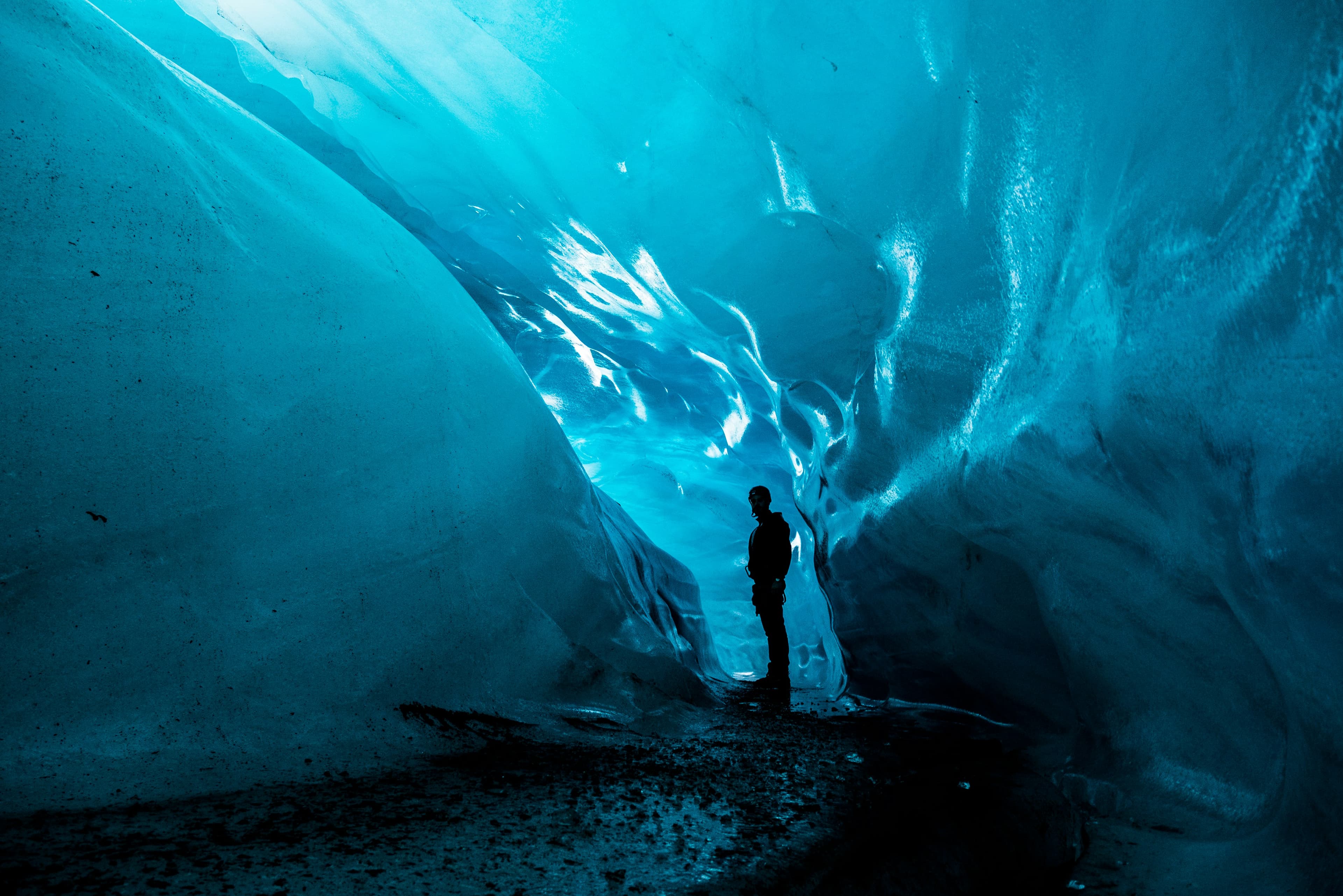
Ice cave exploration, available during winter months, provides access to the stunning blue ice formations that form within glaciers. These tours require specialized equipment and experienced guides, as ice caves can be dangerous and unstable. The Crystal Cave in Vatnajokull National Park is one of the most famous ice caves, though its accessibility varies from year to year based on weather conditions and ice stability.
For those seeking more adventurous glacier experiences, ice climbing and glacier camping offer opportunities to develop technical skills while exploring remote glacial areas. These activities require previous experience or comprehensive instruction from qualified guides, as glaciers present numerous hazards including crevasses, ice falls, and rapidly changing conditions.
Seasonal Considerations: When to Visit Iceland
Understanding Iceland's seasonal patterns is crucial for planning the perfect visit, as the island's character and accessibility change dramatically throughout the year. Summer (June to August) offers the most reliable weather and the fullest range of activities, with long days that provide excellent conditions for hiking, camping, and exploring the highlands. However, this period also brings the largest crowds and the highest prices, making advance booking essential.
Winter (December to February) offers the best opportunities for seeing the Northern Lights and experiencing Iceland's dramatic winter landscapes, but also brings challenging weather conditions and limited access to many areas. The shoulder seasons of spring (March to May) and autumn (September to November) often provide the best balance of good weather, manageable crowds, and reasonable prices, though weather can be unpredictable during these periods.
Each season offers unique experiences and challenges, so choosing the right time to visit depends on your specific interests and comfort level with challenging conditions. Summer visitors can explore the entire island and enjoy outdoor activities in relative comfort, while winter visitors can experience the Northern Lights and dramatic winter landscapes that few people ever see.
Practical Planning: Making the Most of Your Icelandic Adventure
Successful Icelandic travel requires careful planning, especially during the winter months when weather conditions can create significant challenges. Booking accommodations and rental vehicles well in advance is essential, particularly for visits during peak periods like the summer months and Northern Lights season. Many of the island's most desirable accommodations and vehicles are booked months in advance, so early planning is crucial.
Weather planning is equally important, as Iceland's location in the North Atlantic creates rapidly changing conditions that can affect even the best-laid plans. Always check weather forecasts before setting out, and be prepared to adjust your itinerary based on current conditions. The Icelandic Meteorological Office provides excellent forecasts and road condition information that should be consulted regularly during your visit.
For those planning to explore remote areas or engage in outdoor activities, proper equipment and preparation are essential. Even during summer months, weather can change rapidly, and temperatures can drop significantly, especially at higher elevations. Always carry appropriate clothing layers, including waterproof gear, and be prepared for challenging conditions regardless of the season.
Budget Considerations: Experiencing Iceland at Any Price Point
Iceland's reputation as an expensive destination can be intimidating for budget-conscious travelers, but the island offers experiences for every budget level with careful planning. Accommodation costs vary dramatically by location and season, with Reykjavik hotels commanding premium prices while rural guesthouses and campsites offer significant savings. Consider staying in less touristy areas and using alternative accommodation options like farm stays and camping to reduce costs.
Food costs can also vary widely, from expensive restaurants in tourist areas to affordable local options that serve excellent traditional food. Seek out local restaurants and cafes rather than those in the most touristy areas, as they typically offer better value and more authentic experiences. Many accommodations offer kitchen facilities, allowing you to prepare some meals and reduce dining costs significantly.
Transportation costs can be managed by using public transportation for longer journeys and walking or using local transportation for shorter trips. If you do rent a vehicle, sharing the cost with other travelers can make this option more affordable. Many activities like hiking, visiting public pools, and exploring natural attractions are completely free, providing excellent value for budget-conscious travelers.
Safety and Health: Ensuring a Smooth Icelandic Experience
Iceland is generally a very safe destination with excellent healthcare facilities, but the island's unique geography and climate present specific considerations that visitors should be aware of. Weather-related hazards, including sudden storms, high winds, and rapidly changing conditions, are the most significant safety concerns. Always check weather forecasts before outdoor activities and be prepared to adjust your plans based on current conditions.
Geothermal areas present specific hazards that require careful attention and respect for safety warnings. Hot springs, geysers, and other geothermal features can be extremely dangerous, with water temperatures that can cause severe burns and unstable ground that can collapse unexpectedly. Always stay on designated paths and respect all safety barriers and warning signs.
For those engaging in outdoor activities, proper preparation and equipment are essential. Even during summer months, weather can change rapidly, and rescue services may be hours away in remote areas. Always carry appropriate clothing, emergency supplies, and communication devices, and consider hiring guides for activities that require technical skills or local knowledge.
The Bottom Line: Why Iceland Deserves Your 2025 Travel Plans
Iceland represents one of the world's most unique and rewarding travel destinations, offering visitors an experience that combines natural wonder, cultural richness, and adventure opportunities that simply cannot be found anywhere else. The island's extraordinary geology, combined with its dramatic seasonal changes and the warmth of its people, creates a destination that offers something meaningful for every type of traveler, from adventure seekers to cultural enthusiasts.
The journey through Iceland, whether by car, tour bus, or foot, provides opportunities for personal growth and deeper understanding of both the natural world and human resilience. The island's ability to inspire wonder and reflection, combined with the physical and mental challenges of exploring its dramatic landscapes, creates an experience that stays with visitors long after they return home.
As you plan your 2025 travels, consider what makes Iceland truly special: its ability to provide both an adventure of a lifetime and a profound connection with the natural world that surrounds us all. This is not just a place to visit, but a destination to experience, understand, and carry with you as a reminder of Earth's incredible diversity and power. Whether you're a seasoned adventurer or embarking on your first international trip, Iceland promises an experience that will exceed your expectations and leave you with memories and insights to cherish for a lifetime.