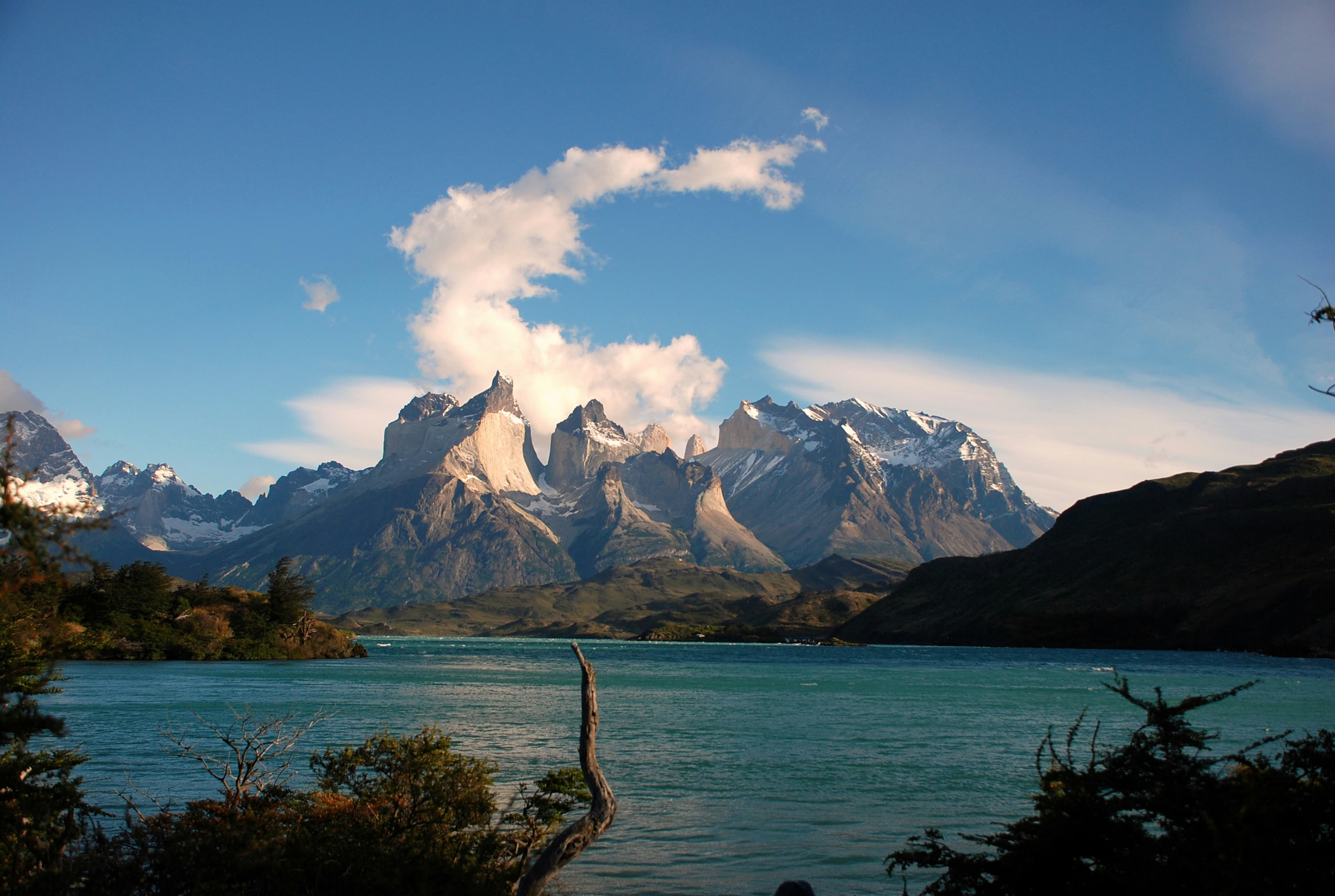
Patagonia, the vast wilderness spanning southern Argentina and Chile, represents one of the world's most spectacular and challenging adventure destinations. This comprehensive guide will take you through the region's crown jewels: the iconic Torres del Paine National Park in Chile and the majestic Fitz Roy massif in Argentina, offering everything you need to plan an unforgettable hiking expedition through some of the planet's most dramatic landscapes.
Why Choose Patagonia for Your 2025 Adventure?
2025 presents an exceptional opportunity to explore Patagonia, as the region continues to gain recognition as one of the world's premier hiking and adventure destinations. With improved infrastructure, enhanced safety measures, and a growing focus on sustainable tourism, Patagonia offers the perfect blend of wilderness challenge and natural wonder. Whether you're drawn to the iconic granite spires of Torres del Paine, the pristine glaciers of Los Glaciares National Park, or the remote wilderness of Tierra del Fuego, this region promises experiences that will test your limits and reward your spirit.
Best Time to Experience Patagonia
Patagonia's weather is notoriously unpredictable, with conditions that can change dramatically within hours. Understanding the seasonal patterns is crucial for planning a successful expedition:
- Summer (December-February): Peak hiking season with longer daylight hours (up to 18 hours), milder temperatures (5-15°C), and generally more stable weather conditions
- Autumn (March-May): Beautiful fall colors, fewer crowds, and excellent conditions for photography, though temperatures begin to drop significantly
- Winter (June-August): Extreme conditions with heavy snow, limited access to many areas, and temperatures dropping to -10°C or lower
- Spring (September-November): Emerging wildlife, melting snow revealing new trails, and rapidly changing conditions as the region awakens from winter
Essential Planning: Getting to Patagonia
Flights to Patagonia
Reaching Patagonia requires careful planning and often involves multiple flights. For Torres del Paine, fly into Punta Arenas (PUQ) in Chile, while for Fitz Roy and Los Glaciares National Park, El Calafate (FTE) in Argentina serves as the primary gateway. For the best deals on cheap flights to Punta Arenas, consider booking 6-12 months in advance, especially during peak summer months when demand is highest and prices can be significantly elevated.
Arriving in the Wilderness
Both Punta Arenas and El Calafate are relatively small cities that serve as essential supply points before venturing into the wilderness. Take advantage of these urban centers to purchase last-minute gear, obtain permits, and gather current information about trail conditions and weather forecasts. The journey from these cities to the trailheads often involves long bus rides or organized transfers, so plan your timing carefully.
Where to Stay: Accommodation Options in the Wilderness
Luxury Wilderness Lodges
For those seeking comfort in the wilderness, Patagonia offers several exceptional properties that combine luxury with spectacular natural settings. The Explora Patagonia Hotel in Torres del Paine provides world-class accommodation with guided excursions, while the Eolo Lodge near El Calafate offers exclusive access to remote areas of Los Glaciares National Park. These properties typically range from $400-800 per night and should be booked 12-18 months in advance.
Refugios and Mountain Huts
Traditional mountain refugios (refuges) provide essential shelter along many Patagonian trails, particularly in Torres del Paine. These basic but comfortable accommodations offer dormitory-style sleeping arrangements, hot meals, and the opportunity to connect with fellow adventurers. Reservations are essential during peak season, and costs typically range from $30-80 per night depending on the facility and services provided.
Camping and Backcountry Options
For the ultimate wilderness experience, camping throughout Patagonia offers unparalleled freedom and immersion in the natural environment. Designated campgrounds are available in most national parks, though advance reservations are often required. Backcountry camping is permitted in many areas with proper permits, though this option requires significant experience and preparation for extreme weather conditions.
Getting Around: Transportation Strategies for Patagonian Exploration
Organized Tours and Guided Expeditions
Given Patagonia's remote nature and challenging conditions, organized tours often provide the safest and most comprehensive way to experience the region. Companies like Swoop Patagonia and Patagonia Adventure offer multi-day expeditions that handle logistics, provide expert guides, and ensure safety in this unpredictable environment. These tours typically range from $1,500-4,000 for 7-14 day expeditions.
Independent Travel and Self-Guided Adventures
Experienced hikers can undertake independent expeditions, though this requires significant preparation and understanding of local conditions. Public transportation between major destinations is limited, so many independent travelers opt to rent vehicles or hitchhike between trailheads. This approach offers maximum flexibility but requires careful planning and backup options for when plans inevitably change due to weather or other factors.
Local Transportation and Trail Access
Access to many Patagonian trailheads requires specialized transportation, particularly for remote areas. In Torres del Paine, regular shuttle services operate between major trailheads and the park entrance, while in Los Glaciares, boat services provide access to many areas that are otherwise inaccessible by land. Plan your transportation carefully, as services may be limited or canceled due to weather conditions.
Essential Sights and Experiences
Torres del Paine: Chile's Crown Jewel
Torres del Paine National Park represents the pinnacle of Patagonian hiking, with its iconic granite towers, pristine glaciers, and world-class trekking routes. The famous W Trek, typically completed in 4-5 days, offers access to the park's most spectacular viewpoints, including the iconic Torres del Paine viewpoint, the French Valley, and Grey Glacier. Book your Torres del Paine National Park tickets well in advance, as daily visitor limits are strictly enforced.
The more challenging O Circuit, a 7-10 day trek that circumnavigates the entire massif, provides access to remote areas of the park that few visitors experience. This route requires significant experience and preparation, as it involves crossing high passes and navigating remote wilderness areas with limited support facilities.
Fitz Roy and Los Glaciares National Park
Argentina's Los Glaciares National Park offers equally spectacular hiking opportunities, with the iconic Fitz Roy massif serving as the region's most recognizable landmark. The Laguna de los Tres hike provides one of the most rewarding day hikes in Patagonia, offering spectacular views of Fitz Roy and surrounding peaks. This challenging 8-10 hour round trip involves significant elevation gain and should only be attempted in good weather conditions.
The Perito Moreno Glacier, one of the world's most accessible glaciers, offers unique opportunities to witness the dynamic nature of these massive ice formations. Boardwalks and viewing platforms provide safe access to observe calving events, while boat tours offer closer perspectives of this natural wonder.
Remote Wilderness Areas and Hidden Gems
Beyond the famous destinations, Patagonia offers countless opportunities for exploration in less-visited areas. Tierra del Fuego National Park, at the southernmost tip of South America, provides unique sub-Antarctic landscapes and the opportunity to hike to the literal end of the world. The remote Dientes de Navarino circuit on Navarino Island offers challenging hiking in one of the world's southernmost wilderness areas.
Wildlife and Natural Phenomena
Patagonia's diverse ecosystems support an incredible array of wildlife, from guanacos and rheas on the steppe to condors soaring above the mountains. The region's marine environments provide opportunities to observe whales, dolphins, and sea lions, while the numerous lakes and rivers support diverse bird populations. Timing your visit to coincide with seasonal wildlife events can significantly enhance your experience.
Food and Markets: Sustenance in the Wilderness
Local Cuisine and Traditional Dishes
Patagonian cuisine reflects the region's ranching heritage and maritime connections. Don't miss asado (barbecue), particularly the famous Patagonian lamb, which is slow-cooked over open fires using traditional techniques. Fresh seafood, particularly king crab and sea bass, showcases the region's rich marine resources, while traditional empanadas provide portable sustenance perfect for hiking adventures.
Markets and Local Produce
Visit local markets in Punta Arenas and El Calafate to experience the vibrant atmosphere of Patagonian food culture. Here you'll find fresh produce, artisanal cheeses, traditional baked goods, and locally caught seafood. The Mercado Municipal in Punta Arenas offers excellent opportunities to sample local specialties and purchase supplies for your wilderness adventures.
Wilderness Dining and Trail Nutrition
Proper nutrition is crucial for successful Patagonian expeditions, particularly for multi-day treks. Many refugios offer hot meals, though these should not be relied upon exclusively. Carry sufficient high-energy foods, including nuts, dried fruits, energy bars, and dehydrated meals. Local grocery stores in gateway cities offer good selections of trail food, though prices can be significantly higher than in urban areas.
Optional Day Trips and Extended Adventures
Glacier Tours and Ice Trekking
Beyond hiking, Patagonia offers unique opportunities to experience glaciers up close. Ice trekking on the Perito Moreno Glacier provides the opportunity to walk on ancient ice while learning about glaciology and climate change. These tours typically last 3-4 hours and require no previous experience, though participants should be reasonably fit and comfortable walking on uneven surfaces.
Kayaking and Water Adventures
Patagonia's numerous lakes and fjords provide excellent opportunities for water-based adventures. Kayaking in the fjords of Torres del Paine offers unique perspectives of the mountains and glaciers, while boat tours provide access to areas that are inaccessible by land. These activities typically require booking through local operators and may be weather-dependent.
Cultural Experiences and Local Communities
Take time to experience the rich cultural heritage of Patagonia's local communities, particularly the indigenous peoples who have inhabited this region for thousands of years. Visit local museums, attend cultural events, and support community-based tourism initiatives that provide authentic insights into traditional ways of life while contributing to local economic development.
Safety, Etiquette, and Practical Information
Weather and Safety Considerations
Patagonia's weather is notoriously unpredictable and can change rapidly from sunny skies to violent storms within hours. Always check multiple weather forecasts before embarking on any outdoor activity, and be prepared for conditions that are significantly worse than predicted. Carry appropriate clothing for all weather conditions, including waterproof gear, warm layers, and emergency shelter options.
Respect for Wilderness and Local Communities
Patagonia's pristine wilderness requires careful stewardship to maintain its natural beauty for future generations. Follow Leave No Trace principles, respect wildlife viewing distances, and support local conservation efforts. When visiting local communities, respect cultural traditions and customs, and always ask permission before photographing local people or their property.
Money and Costs in Patagonia
Patagonia uses Chilean Pesos (CLP) and Argentine Pesos (ARS), and while generally more affordable than many international destinations, costs can vary significantly between locations. Tourist areas like Torres del Paine and El Calafate tend to be more expensive, while smaller towns often offer better value. Credit cards are widely accepted in urban areas, but carry sufficient cash for remote locations where card facilities may be limited.
Seasonality and Best Times for Activities
Peak Season Considerations
Summer (December-February) brings the highest prices and largest crowds, particularly in popular destinations like Torres del Paine and Fitz Roy. If you prefer quieter experiences, consider visiting during shoulder seasons (November-December or March-April) when weather remains reasonable but tourist numbers decrease significantly.
Activity-Specific Timing
Different activities have optimal seasons in Patagonia. Hiking is best from November to April, while glacier tours are available year-round weather permitting. Wildlife viewing peaks during summer months when animals are most active, while photography opportunities are often best during shoulder seasons when lighting conditions are optimal and crowds are smaller.
Booking and Timing for 2025
Advance Planning Requirements
For 2025 travel, begin planning 12-18 months in advance, especially if visiting during peak summer months or planning to undertake multi-day treks. Accommodation in popular areas can be extremely limited, and permits for activities like the W Trek and O Circuit often sell out months in advance.
Flexible Travel Dates
If possible, maintain flexibility in your travel dates to take advantage of better availability and potentially lower costs. Patagonia's year-round appeal means you can enjoy excellent experiences outside of peak season, often with significant cost savings and fewer crowds, though weather conditions may be more challenging.
Reservation Strategies
Book flights and major accommodations first, then arrange permits and guided experiences. Many local operators offer package deals that can provide better value than booking components separately. Consider working with local travel agencies who can provide insider knowledge and access to experiences not available to independent travelers.
The Bottom Line: Why Patagonia Deserves Your 2025 Adventure Plans
Patagonia represents one of the world's most authentic and challenging adventure destinations, where pristine wilderness meets world-class hiking opportunities and natural wonders that few other places can match. This comprehensive guide provides the framework for an unforgettable journey through one of the planet's most spectacular and demanding landscapes.
Whether you're drawn to the iconic peaks of Torres del Paine, the pristine glaciers of Los Glaciares, or the opportunity to experience genuine wilderness adventure in one of the world's last truly wild places, Patagonia delivers experiences that will test your limits and reward your spirit. The region's commitment to preserving its natural beauty and cultural heritage ensures that your visit contributes positively to their continuation while providing you with memories that will last a lifetime.
Start planning your Patagonian adventure today, and discover why this remarkable region has become one of the world's most sought-after destinations for serious adventurers seeking authentic wilderness experiences in 2025 and beyond.