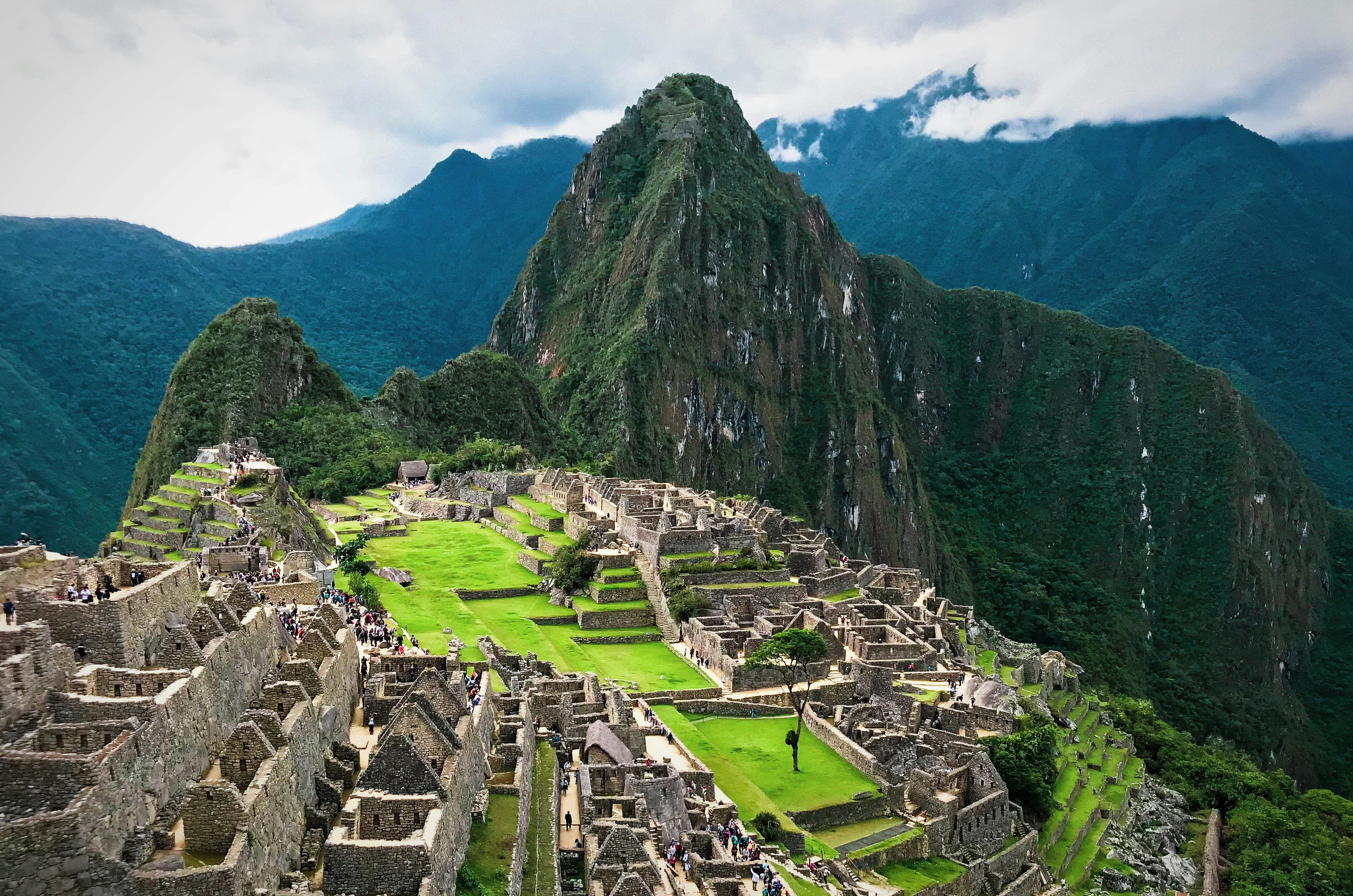
Machu Picchu, the crown jewel of the Inca Empire and one of the New Seven Wonders of the World, stands as one of humanity's most extraordinary achievements. In 2025, this ancient citadel perched high in the Andes Mountains continues to captivate adventurers, history buffs, and spiritual seekers from around the globe. From the challenging Inca Trail trek that winds through cloud forests and mountain passes to the mystical ruins themselves, Machu Picchu offers an unparalleled journey through time, culture, and natural wonder that transcends the typical tourist experience.
This comprehensive guide will take you through every aspect of planning the perfect Machu Picchu adventure, from choosing the right trekking route to understanding the cultural significance of this sacred site. Whether you're an experienced hiker seeking the challenge of the classic Inca Trail or a cultural enthusiast wanting to immerse yourself in Andean heritage, our insider tips and carefully curated recommendations will help you create an experience that goes far beyond the standard guided tour.
Where to Stay: Cusco, Sacred Valley, and Aguas Calientes
Planning your Machu Picchu adventure requires careful consideration of where to base yourself, as the site's remote location and altitude considerations create unique logistical challenges. Cusco, the former Inca capital and current gateway to Machu Picchu, serves as the ideal starting point for most visitors. This UNESCO World Heritage city offers a perfect blend of Inca and Spanish colonial architecture, with comfortable accommodations ranging from budget hostels to luxury hotels. Spending at least two days in Cusco before your Machu Picchu visit is essential for acclimatizing to the altitude (3,400 meters above sea level) and exploring the city's rich cultural heritage.
The Sacred Valley, stretching between Cusco and Machu Picchu, provides an excellent alternative base for those seeking a more relaxed atmosphere and easier acclimatization. Towns like Ollantaytambo, Pisac, and Urubamba offer comfortable accommodations with stunning mountain views and easy access to important Inca sites. Ollantaytambo, in particular, serves as the starting point for the classic Inca Trail and features well-preserved Inca architecture that provides excellent context for understanding Machu Picchu's construction techniques.
Aguas Calientes, the small town at the base of Machu Picchu, offers the most convenient access to the ruins but comes with higher prices and limited accommodation options. While staying here eliminates the need for early morning transportation from Cusco or the Sacred Valley, the town's tourist-focused atmosphere and higher costs make it less appealing for extended stays. Consider spending just one night here if you want to experience the ruins at sunrise, but plan the majority of your accommodation in Cusco or the Sacred Valley.
Getting Around: Transportation Options and Trekking Routes
Reaching Machu Picchu involves a combination of transportation methods that vary depending on your chosen approach and physical fitness level. The most iconic route, the classic Inca Trail, requires a four-day trek through the Andes, covering approximately 43 kilometers of challenging terrain. This route requires advance booking through licensed tour operators, as the Peruvian government strictly limits the number of daily permits to preserve the trail's integrity. The trek includes three mountain passes, with the highest reaching 4,215 meters above sea level, making proper acclimatization and physical preparation essential.
For those seeking a less demanding experience, the Sacred Valley offers several alternative trekking routes that provide similar cultural and natural experiences without the extreme physical challenges. The Salkantay Trek, often called the "alternative Inca Trail," offers stunning mountain scenery and fewer crowds while being slightly less physically demanding than the classic route. The Lares Trek provides a more cultural experience, passing through traditional Andean villages and offering insights into contemporary Quechua life that the classic trail doesn't provide.
For visitors who prefer not to trek, comfortable train service connects Cusco and the Sacred Valley to Aguas Calientes, with the journey from Ollantaytambo taking approximately 1.5 hours. The train ride itself offers spectacular views of the Urubamba River and surrounding mountains, making it an experience worth considering even for experienced hikers. From Aguas Calientes, regular buses transport visitors up the winding mountain road to the Machu Picchu entrance, though the most adventurous can opt to hike the steep trail that follows the bus route.
Essential Sights and Experiences: Beyond the Main Ruins
While the main Machu Picchu citadel rightfully receives the most attention, the surrounding area offers numerous additional experiences that can significantly enhance your understanding and appreciation of this remarkable site. The Huayna Picchu mountain, rising dramatically behind the main ruins, offers one of the most spectacular views of the entire complex and the surrounding landscape. This challenging climb requires a separate permit and involves steep, narrow stone steps that can be intimidating for those with a fear of heights, but the panoramic vistas from the summit make the effort worthwhile.
The Machu Picchu Mountain, located on the opposite side of the citadel from Huayna Picchu, provides an alternative viewpoint that's often less crowded and offers equally impressive perspectives. This longer but less steep climb takes approximately 2-3 hours round trip and provides excellent opportunities for photography and contemplation away from the main tourist areas. Both mountains require advance reservations, so plan your permits carefully to ensure you can experience these unique perspectives.
The Temple of the Moon, located in a cave system below Huayna Picchu, offers one of the most mysterious and least-visited areas of the Machu Picchu complex. This sacred site, believed to have been used for important religious ceremonies, features impressive stonework and provides insight into the spiritual significance of the entire complex. The journey to reach this temple involves navigating narrow passages and steep steps, making it suitable only for those comfortable with confined spaces and challenging terrain.
Seasonal Considerations: Best Times to Visit and Weather Patterns
Machu Picchu's location in the tropical Andes creates distinct seasons that significantly impact the visitor experience and should influence your planning decisions. The dry season (May-October) offers the most favorable conditions for trekking and exploration, with clear skies, comfortable temperatures, and minimal rainfall. This period also coincides with the peak tourist season, meaning larger crowds and higher prices, but the reliable weather makes it the optimal time for those planning to complete the Inca Trail or other trekking routes.
The wet season (November-April) brings daily afternoon rains, muddy trails, and occasional trail closures due to safety concerns. However, this period also offers several advantages that make it worth considering for certain travelers. The reduced crowds create a more intimate experience at the ruins, and the lush vegetation and flowing waterfalls create a dramatically different landscape that many photographers prefer. The lower prices during this period can also make it an attractive option for budget-conscious travelers, though the Inca Trail is closed during February for maintenance.
Shoulder seasons (April-May and October-November) offer the best balance of good weather and manageable crowds, making them ideal for visitors who want to avoid the extremes of both peak and off-peak periods. These months typically feature pleasant temperatures, relatively clear skies, and fewer visitors, creating optimal conditions for photography and contemplation. However, weather patterns can be unpredictable during these transition periods, so come prepared for various conditions and maintain flexibility in your itinerary.
Food and Cultural Experiences: Andean Cuisine and Local Traditions
Peru's culinary renaissance has made the country one of South America's most exciting food destinations, and the Cusco region offers excellent opportunities to experience both traditional Andean cuisine and contemporary Peruvian gastronomy. Traditional dishes like cuy (guinea pig), alpaca meat, and various potato preparations showcase the region's agricultural heritage and provide insight into how the Incas sustained their empire in this challenging environment. Many restaurants in Cusco and the Sacred Valley offer tasting menus that allow visitors to sample multiple traditional dishes while learning about their cultural significance.
The Sacred Valley's agricultural bounty provides the foundation for many of Peru's most distinctive ingredients, from the thousands of potato varieties to the unique grains like quinoa and kiwicha that have sustained Andean communities for millennia. Visiting local markets in towns like Pisac and Chinchero offers opportunities to see these ingredients in their natural state and learn about traditional farming methods that have changed little since Inca times. Many markets also feature local artisans selling traditional textiles, ceramics, and jewelry, providing excellent opportunities to support local communities while acquiring meaningful souvenirs.
For those interested in understanding the spiritual and cultural aspects of Andean life, participating in traditional ceremonies can provide profound insights into the worldview that shaped Machu Picchu's construction and purpose. Many local guides and spiritual practitioners offer ceremonies that honor Pachamama (Mother Earth) and the mountain spirits (Apus), providing context for understanding why the Incas chose this particular location for their most sacred city. These experiences should be approached with respect and an open mind, as they represent living traditions that continue to hold deep meaning for contemporary Andean communities.
Optional Day Trips: Expanding Your Peruvian Adventure
While Machu Picchu rightfully serves as the centerpiece of any Peruvian adventure, the surrounding region offers numerous additional destinations that can significantly enhance your understanding of Inca civilization and Andean culture. The Sacred Valley itself contains several important Inca sites that provide excellent context for understanding Machu Picchu's architectural and cultural significance. Ollantaytambo's fortress and temple complex showcase the Incas' sophisticated engineering skills and strategic thinking, while Pisac's agricultural terraces and ceremonial center demonstrate their mastery of mountain agriculture and religious architecture.
The Rainbow Mountain (Vinicunca), located several hours from Cusco, offers a completely different perspective on the Andean landscape and has become increasingly popular in recent years. This colorful geological formation, created by mineral deposits in the rock, provides excellent hiking opportunities and spectacular photography opportunities. The journey to reach this remote location involves high-altitude trekking, so proper acclimatization is essential, but the unique landscape makes it a worthwhile addition to any Peru itinerary.
For those interested in contemporary Andean culture, visiting traditional weaving communities in the Sacred Valley provides insight into how ancient traditions continue to thrive in the modern world. Communities like Chinchero and Patabamba offer demonstrations of traditional textile production, from shearing alpaca wool to creating intricate patterns using natural dyes. These visits not only support local economies but also provide opportunities to learn about the cultural significance of different patterns and colors in Andean textile traditions.
Safety, Etiquette, and Cultural Considerations
Visiting Machu Picchu involves navigating both physical challenges and cultural sensitivities that require careful consideration and preparation. The high altitude of the region presents the most significant health risk, with altitude sickness affecting many visitors who don't properly acclimatize. Symptoms can range from mild headaches and fatigue to severe complications that require immediate medical attention. The key to preventing altitude sickness is gradual acclimatization, spending at least two full days in Cusco before attempting any strenuous activities, staying well-hydrated, and avoiding alcohol and heavy meals during the first few days at altitude.
Cultural sensitivity is equally important when visiting this sacred site and the surrounding communities. Machu Picchu remains a place of deep spiritual significance for many Andean people, and visitors should approach the site with respect and reverence. This means following all posted guidelines, not touching or climbing on the ruins, and maintaining appropriate behavior during your visit. Photography is generally permitted, but always ask permission before photographing local people, especially those in traditional dress or participating in ceremonies.
Environmental responsibility is crucial in this fragile ecosystem, where increased tourism has created significant challenges for preservation efforts. Follow the principle of "leave no trace" by carrying out all waste, staying on designated trails, and not removing any artifacts or natural materials. Support local conservation efforts by choosing tour operators who demonstrate environmental responsibility and by making donations to organizations working to preserve the site and its surroundings for future generations.
Money Matters and Budgeting for Your Machu Picchu Adventure
Planning a Machu Picchu adventure requires careful financial planning, as costs can vary significantly depending on your chosen approach and comfort level. The classic Inca Trail represents the most expensive option, with costs ranging from $600 to $1,500 per person depending on the level of service and group size. These costs typically include permits, guides, porters, camping equipment, and meals, but it's essential to verify exactly what's included before booking. Budget operators may cut corners on safety and comfort, so research thoroughly and choose companies with proven track records.
For those who prefer not to trek, costs can be significantly lower, with train tickets from Cusco to Aguas Calientes costing approximately $50-150 each way depending on the service level. Accommodation costs vary widely, from budget hostels in Cusco starting at $15-30 per night to luxury hotels costing several hundred dollars. Food costs are generally reasonable, with excellent meals available at local restaurants for $10-25 per person, though tourist-focused establishments in popular areas may charge significantly more.
Hidden costs that many visitors overlook include transportation to and from airports, tips for guides and porters, and the cost of appropriate gear and clothing. High-quality hiking boots, rain gear, and warm clothing are essential investments that can significantly impact your comfort and safety during your visit. Consider renting equipment if you don't plan to use it regularly, as this can reduce initial costs while ensuring you have appropriate gear for the conditions you'll encounter.
Best Times to Visit and Booking Recommendations for 2025
Machu Picchu's popularity and the limited availability of permits for the Inca Trail make advance planning essential, especially for visits during peak season. Permits for the classic Inca Trail typically sell out 6-12 months in advance during the dry season, so begin your planning process early if you hope to complete this iconic trek. The Peruvian government strictly limits daily permits to 500 people (including guides and porters), creating intense competition for available slots during popular months.
For 2025 visits, consider booking your Inca Trail permits as early as possible, particularly if you're planning to visit during June, July, or August. These months represent the peak of the dry season and offer the most favorable weather conditions, but they also feature the highest demand and largest crowds. Consider visiting during shoulder seasons (April-May or September-October) for a better balance of good weather and manageable crowds, though be prepared for more variable conditions.
When planning your visit, consider the timing of major Peruvian holidays and festivals, as these can significantly impact availability and costs. Inti Raymi (the Festival of the Sun) in late June brings increased crowds to Cusco, while the rainy season months of January and February see reduced tourism but also the closure of the Inca Trail for maintenance. Plan your itinerary around these factors to maximize your experience while minimizing logistical challenges.
Booking Your Perfect Machu Picchu Experience
When planning your Machu Picchu adventure, consider the type of experience you want to create and choose your approach accordingly. For first-time visitors, guided tours can provide valuable context and help you navigate the complex logistics of visiting this remote site. Many tour companies offer comprehensive packages that include transportation, accommodation, permits, and knowledgeable guides who can provide insights into the site's history and cultural significance that you might miss on your own.
If you prefer independent exploration, invest time in researching the various transportation options and permit requirements before your arrival. The logistics of visiting Machu Picchu independently can be complex, involving multiple transportation connections and careful timing to maximize your time at the site. Consider purchasing tickets for major attractions and transportation in advance to avoid long queues and ensure availability, particularly during peak season.
For the most authentic experience, try to spend time in the region beyond just visiting the main site. The Sacred Valley offers numerous opportunities to experience contemporary Andean culture and understand how ancient traditions continue to influence modern life. Consider staying in traditional communities, participating in local festivals, and learning about traditional crafts and agricultural practices that have sustained these communities for generations.
The Bottom Line: Why Machu Picchu Deserves a Place on Your 2025 Travel List
Machu Picchu represents one of humanity's most extraordinary achievements, a testament to the ingenuity, spirituality, and cultural sophistication of the Inca Empire. Whether you choose to reach this sacred site through the challenging Inca Trail or the more accessible train route, the experience of standing among these ancient ruins, surrounded by the breathtaking beauty of the Andes, creates memories that last a lifetime and provides insights into human potential that transcend cultural and temporal boundaries.
The site's combination of architectural brilliance, spiritual significance, and natural beauty creates an experience that goes far beyond typical tourist destinations, offering visitors the opportunity to connect with both human history and the natural world in profound ways. From the moment you first glimpse the citadel through the Sun Gate to your final exploration of its mysterious temples and terraces, Machu Picchu provides a journey through time that will leave you with a deeper understanding of human achievement and a renewed appreciation for the cultures that shaped our world.
As you plan your 2025 travels, consider what makes Machu Picchu truly special: its ability to inspire wonder and reflection while providing opportunities for physical challenge and cultural immersion. This combination of adventure, history, and spirituality makes Machu Picchu not just a place to visit, but a destination to experience, understand, and ultimately be transformed by. Whether you're an experienced adventurer seeking your next challenge or a cultural enthusiast wanting to connect with one of humanity's greatest achievements, Machu Picchu promises an experience that will exceed your expectations and leave you planning your return before you've even left.