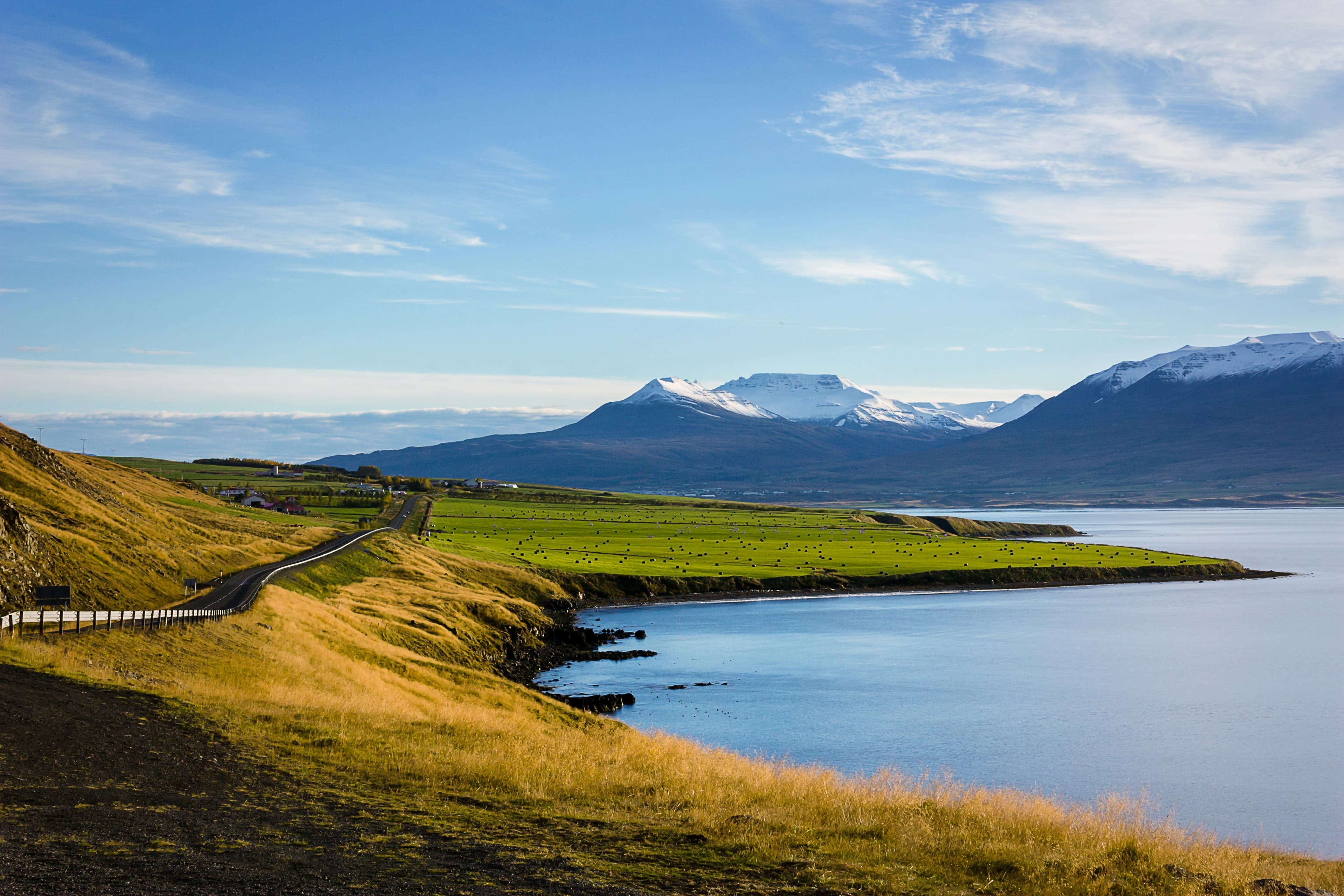
Iceland, the land of fire and ice, offers one of the most spectacular road trip experiences on Earth. With its dramatic landscapes, geothermal wonders, and the magical northern lights, this Nordic island nation provides an adventure unlike any other. As you plan your 2025 journey through Iceland's otherworldly terrain, prepare to witness nature's raw power and beauty in its most spectacular form.
Why Visit Iceland in 2025?
Iceland continues to evolve while preserving its pristine natural environment. The country has implemented new sustainable tourism initiatives, making it more accessible than ever for responsible travelers. New eco-friendly accommodations are opening throughout the country, while traditional guesthouses maintain their authentic Icelandic hospitality. The government's focus on sustainable tourism ensures that visitors can experience Iceland's natural wonders without compromising their preservation for future generations.
2025 brings special significance as Iceland celebrates several environmental milestones and continues to lead the world in renewable energy and sustainable practices. New infrastructure improvements, including enhanced road conditions and expanded charging networks for electric vehicles, make exploring the country more convenient than ever. The country's commitment to carbon neutrality and environmental protection makes it an ideal destination for eco-conscious travelers.
Best Time to Visit Iceland
Iceland's climate varies dramatically throughout the year, with each season offering unique experiences. Summer (June to August) brings the mildest weather, with temperatures ranging from 10-15°C (50-59°F) and nearly 24 hours of daylight. This is the peak tourist season, offering the best conditions for hiking, camping, and exploring the highlands. The famous Ring Road is fully accessible, and all major attractions are open to visitors.
Winter (December to March) transforms Iceland into a winter wonderland, with temperatures ranging from -5 to 5°C (23-41°F). This season offers the best chance to witness the northern lights, with long nights providing optimal viewing conditions. Winter also brings the opportunity to experience ice caves, frozen waterfalls, and snow-covered landscapes that are truly magical. However, some roads may be closed due to weather conditions, and daylight is limited to just a few hours.
Spring (April to May) and autumn (September to October) offer shoulder season benefits, with fewer crowds and moderate temperatures. These seasons provide a good balance between accessibility and unique experiences, with spring bringing the first signs of new life and autumn offering spectacular fall colors. The weather can be unpredictable during these seasons, but they often provide the most authentic Icelandic experience.
Getting to Iceland
Iceland is easily accessible from major international airports, with Keflavik International Airport (KEF) serving as the main gateway. Located about 50 kilometers southwest of Reykjavik, the airport is well-connected to major cities in Europe and North America. Several airlines offer direct flights from London, Paris, Amsterdam, and various US cities, making Iceland more accessible than ever before.
For travelers from North America, Icelandair and other carriers offer convenient connections through Iceland to various European destinations, often with the option to extend your layover for several days at no additional cost. This "stopover" program allows visitors to experience Iceland without the need for a separate trip, making it an attractive option for those traveling to or from Europe.
Once you arrive at Keflavik Airport, several transportation options are available to reach Reykjavik. The Flybus service provides regular transfers to the city center, while private transfers and rental cars offer more flexibility. Many visitors choose to pick up their rental car directly at the airport, allowing them to begin their Icelandic adventure immediately upon arrival.
Where to Stay in Iceland
Iceland offers accommodation options for every budget and preference, from luxury hotels to rustic guesthouses and camping facilities. The country's accommodation scene has evolved significantly in recent years, with new boutique hotels and eco-lodges opening throughout the country.
Reykjavik, the capital city, offers the widest range of accommodation options, from international hotel chains to charming boutique hotels and traditional guesthouses. The city center provides easy access to restaurants, shops, and cultural attractions, making it an ideal base for day trips to nearby attractions like the Golden Circle and Blue Lagoon. Many hotels in Reykjavik offer northern lights wake-up calls during the winter months.
For those planning to explore the Ring Road, consider staying in smaller towns and villages along the route. These accommodations often provide more authentic Icelandic experiences and closer access to natural attractions. Guesthouses and farm stays offer the opportunity to experience traditional Icelandic hospitality and learn about local culture and traditions.
For the ultimate Icelandic experience, consider staying in one of the country's many unique accommodations, such as glass igloos for northern lights viewing, converted farm buildings, or eco-friendly lodges built into the landscape. These accommodations often provide the most memorable experiences and closest connection to Iceland's natural wonders.
Getting Around Iceland
Renting a car is the most practical and rewarding way to explore Iceland, providing the freedom to discover hidden gems and experience the country at your own pace. The Ring Road (Route 1) circles the entire island and provides access to most major attractions, while numerous side roads lead to more remote destinations and natural wonders.
When choosing a rental car, consider the type of terrain you plan to explore. A standard car is sufficient for the Ring Road and most major attractions, but a 4x4 vehicle is recommended for exploring the highlands or visiting attractions during winter months. Many rental companies offer GPS devices and detailed maps, though modern smartphones with offline maps can also serve this purpose effectively.
Driving in Iceland requires careful attention to road conditions and weather forecasts. The country's weather can change rapidly, and road conditions can vary significantly between regions. During winter months, some roads may be closed or require special permits, particularly in the highlands. Always check road conditions before setting out, and be prepared to adjust your plans based on weather and road conditions.
For those who prefer not to drive, organized tours are available to most major attractions, though they offer less flexibility and may not reach some of the more remote locations. Public transportation is limited outside of Reykjavik, making independent exploration challenging without a vehicle.
Essential Sights and Experiences
Golden Circle
The Golden Circle is Iceland's most popular tourist route, encompassing three of the country's most spectacular natural attractions within easy driving distance of Reykjavik. This route can be completed in a single day, making it perfect for visitors with limited time or those who prefer to explore at a leisurely pace.
Thingvellir National Park, a UNESCO World Heritage site, is the first stop on the Golden Circle route. This historic site is where Iceland's first parliament was established in 930 AD, making it one of the world's oldest democratic institutions. The park is also geologically significant, as it sits on the boundary between the North American and Eurasian tectonic plates. Visitors can walk between the continents and witness the dramatic landscape created by this geological activity.
Gullfoss, the "Golden Falls," is one of Iceland's most impressive waterfalls, with water cascading down two tiers into a narrow canyon. The waterfall is particularly spectacular during spring when snowmelt increases the water flow, though it's impressive year-round. Several viewing platforms provide different perspectives of the falls, and the surrounding area offers excellent hiking opportunities.
Geysir geothermal area is home to the famous Strokkur geyser, which erupts every 6-10 minutes, shooting hot water up to 30 meters into the air. The area also features numerous other geothermal features, including bubbling mud pools and smaller geysers. The constant activity and the distinctive smell of sulfur create an otherworldly atmosphere that's quintessentially Icelandic.
Blue Lagoon
The Blue Lagoon is Iceland's most famous geothermal spa and one of the country's most visited attractions. Located in a lava field on the Reykjanes Peninsula, the lagoon's milky blue water is rich in minerals like silica and sulfur, which are said to have therapeutic properties. The water temperature averages 37-39°C (99-102°F), making it comfortable for swimming year-round.
While the Blue Lagoon can be crowded, particularly during peak tourist season, the experience is still worthwhile for first-time visitors. The facility offers various packages, from basic admission to premium experiences that include spa treatments and dining options. For those seeking a more authentic experience, consider visiting one of Iceland's many natural hot springs, which offer similar experiences without the crowds and commercial atmosphere.
The surrounding landscape adds to the Blue Lagoon's appeal, with the black lava fields creating a stark contrast to the blue water. The facility is designed to blend into the landscape, with buildings constructed using local materials and architectural styles that reflect Icelandic design principles.
South Coast Waterfalls
Iceland's south coast is home to some of the country's most spectacular waterfalls, each offering unique characteristics and viewing opportunities. Seljalandsfoss is famous for the walking path that leads behind the waterfall, providing a unique perspective and excellent photo opportunities. The waterfall drops 60 meters from ancient sea cliffs, creating a dramatic scene that's particularly beautiful during sunset.
Skogafoss, located nearby, is one of Iceland's largest waterfalls, with a width of 25 meters and a drop of 60 meters. A staircase leads to a viewing platform above the falls, providing spectacular views of the surrounding landscape and the opportunity to see rainbows in the mist on sunny days. The waterfall is easily accessible and offers excellent photo opportunities from various angles.
Jokulsarlon Glacier Lagoon
Jokulsarlon Glacier Lagoon is one of Iceland's most spectacular natural attractions, where massive icebergs break off from the Vatnajokull glacier and float in the lagoon before making their way to the ocean. The lagoon has grown significantly in recent decades due to climate change, creating an ever-changing landscape that's different with each visit.
Boat tours of the lagoon provide the opportunity to get up close to the icebergs and learn about the geological processes that created this unique landscape. The tours are available year-round, though winter tours offer the opportunity to see the lagoon in a completely different light, with snow-covered icebergs creating a magical winter scene.
The nearby Diamond Beach, where icebergs wash ashore and glisten in the sunlight, provides additional photo opportunities and a different perspective on the glacier's journey to the sea. The contrast between the black volcanic sand and the white ice creates striking images that are quintessentially Icelandic.
Food and Markets
Traditional Icelandic Cuisine
Icelandic cuisine reflects the country's harsh climate and limited agricultural resources, with an emphasis on preserved foods, seafood, and lamb. Traditional dishes often feature ingredients that could be preserved through the long winter months, including dried fish, smoked lamb, and various pickled vegetables. While some traditional dishes may seem unusual to foreign visitors, they offer insight into Iceland's cultural heritage and survival strategies.
Lamb is a staple of Icelandic cuisine, with the country's sheep roaming freely in the highlands during summer months, feeding on wild herbs and grasses. This diet gives the meat a distinctive flavor that's different from conventionally raised lamb. Traditional lamb dishes include hangikjot (smoked lamb), which is often served during the Christmas season, and various stews and soups that make use of the entire animal.
Seafood plays a prominent role in Icelandic cuisine, with the country's clean waters providing some of the world's best fish and shellfish. Cod, haddock, and salmon are commonly served, often prepared simply to highlight the quality of the ingredients. Lobster and langoustine are also popular, particularly in coastal areas where they're caught fresh daily.
Modern Icelandic Dining
Reykjavik has developed into a sophisticated dining destination, with numerous restaurants offering both traditional Icelandic cuisine and international fare. The city's food scene reflects Iceland's growing international influence while maintaining connections to local traditions and ingredients. Many restaurants emphasize locally sourced ingredients, with menus that change seasonally to reflect what's available.
For those seeking traditional Icelandic flavors with a modern twist, several restaurants offer contemporary interpretations of classic dishes. These establishments often use traditional cooking methods and ingredients but present them in innovative ways that appeal to modern palates. The emphasis on local ingredients ensures that visitors experience the authentic flavors of Iceland while enjoying contemporary dining experiences.
Iceland's craft beer scene has grown significantly in recent years, with numerous microbreweries producing a wide variety of beers. Many restaurants and bars offer extensive beer menus featuring local brews, providing visitors with the opportunity to sample the country's brewing traditions and innovations.
Food Markets and Local Products
Reykjavik's food markets offer visitors the opportunity to sample local products and learn about Icelandic food culture. The city's main market, located near the harbor, features vendors selling fresh seafood, local meats, and traditional products. Many vendors offer samples of their products, making it a great place to try new foods and discover local specialties.
For those interested in traditional Icelandic products, several shops specialize in local foods and beverages. These establishments offer everything from traditional dried fish and smoked meats to modern products like craft chocolate and artisanal cheeses. Many of these products make excellent souvenirs and gifts, allowing visitors to share their Icelandic experience with friends and family back home.
Optional Day Trips
Westman Islands
The Westman Islands, located off Iceland's south coast, offer visitors the opportunity to experience a different side of Icelandic life and culture. The islands are accessible by ferry from the mainland, with the journey taking about 30 minutes. The main island, Heimaey, is home to a small but vibrant community that has adapted to life in this remote location.
The islands are particularly famous for their puffin colonies, with thousands of these charismatic birds nesting on the cliffs during summer months. Boat tours around the islands provide excellent opportunities to see the puffins and other seabirds, as well as the dramatic coastal landscapes that make the islands so photogenic.
The islands also offer excellent hiking opportunities, with trails that lead to viewpoints overlooking the ocean and the mainland. The volcanic landscape provides a stark contrast to the mainland's more varied terrain, offering visitors a different perspective on Iceland's geological diversity.
Snæfellsnes Peninsula
The Snæfellsnes Peninsula, often called "Iceland in miniature," offers visitors the opportunity to experience many of the country's natural wonders in a relatively small area. The peninsula is dominated by the Snæfellsjokull glacier, which sits atop a volcano and is visible from much of the surrounding area. The glacier is famous for its appearance in Jules Verne's "Journey to the Center of the Earth," adding literary significance to its natural beauty.
The peninsula's coastline features dramatic cliffs, black sand beaches, and numerous small fishing villages that provide insight into traditional Icelandic life. The area is less visited than the south coast, offering visitors the opportunity to experience Iceland's natural beauty in relative solitude. Several hiking trails provide access to the peninsula's interior, with routes suitable for various fitness levels.
The peninsula is also home to several interesting geological features, including lava fields, caves, and rock formations that showcase Iceland's volcanic heritage. The area's diverse landscapes make it an excellent destination for photography, with opportunities to capture everything from dramatic coastal scenes to peaceful mountain vistas.
Highlands
Iceland's highlands offer visitors the opportunity to experience some of the country's most remote and spectacular landscapes. The highlands are accessible only during summer months, when the mountain roads are open and passable. This limited access ensures that visitors who make the effort to reach the highlands are rewarded with experiences that few tourists ever have.
Landmannalaugar, located in the southern highlands, is famous for its colorful rhyolite mountains and natural hot springs. The area offers excellent hiking opportunities, with trails that lead through some of Iceland's most dramatic landscapes. The hot springs provide the perfect opportunity to relax after a day of hiking, with the surrounding mountains creating a spectacular backdrop.
The highlands are also home to several impressive waterfalls and canyons that are less visited than their counterparts along the Ring Road. These remote locations offer visitors the opportunity to experience Iceland's natural beauty without the crowds, creating memories that are truly special and unique.
Safety, Etiquette, and Money
Safety Considerations
Iceland is generally a very safe country, with low crime rates and excellent emergency services. However, the country's natural environment presents unique challenges that visitors should be aware of and prepared for. The weather can change rapidly, and conditions that seem safe can become dangerous with little warning.
When exploring natural attractions, always stay on marked trails and respect safety barriers. Many of Iceland's natural features, including geysers, hot springs, and waterfalls, can be dangerous if approached too closely. The country's geothermal areas are particularly hazardous, with boiling water and unstable ground that can cause serious injuries.
Driving in Iceland requires careful attention to road conditions and weather forecasts. The country's weather can change rapidly, and road conditions can vary significantly between regions. During winter months, some roads may be closed or require special permits, particularly in the highlands. Always check road conditions before setting out, and be prepared to adjust your plans based on weather and road conditions.
Cultural Etiquette
Icelanders are generally friendly and welcoming to visitors, but they appreciate when tourists respect their culture and traditions. The country has a strong emphasis on environmental protection, and visitors should be mindful of their impact on the natural environment. This includes staying on marked trails, not disturbing wildlife, and properly disposing of waste.
When visiting swimming pools and hot springs, it's important to shower thoroughly before entering the water. This is not just a courtesy but a requirement that helps maintain the cleanliness of these facilities. Most swimming facilities provide detailed instructions in multiple languages, and staff are happy to explain the proper procedures.
Icelanders value their privacy and personal space, particularly in smaller communities. When visiting rural areas, be respectful of private property and avoid trespassing on land that isn't clearly marked for public access. Many farmers and landowners are happy to allow visitors to explore their land, but it's always polite to ask permission first.
Money and Tipping
Iceland uses the Icelandic Krona (ISK) as its currency, though credit cards are widely accepted throughout the country. In fact, many establishments prefer card payments, and some may not accept cash at all. This makes it easy for visitors to pay for goods and services without needing to carry large amounts of local currency.
ATMs are readily available in Reykjavik and larger towns, though they may be less common in rural areas. Most ATMs accept international cards, though it's always wise to inform your bank of your travel plans to avoid any issues with card usage. The exchange rate can fluctuate significantly, so it's worth checking current rates before your trip.
Tipping is not expected in Iceland, as service charges are typically included in the price of goods and services. However, it's always appreciated when visitors show their appreciation for good service. If you do choose to tip, small amounts are sufficient, and the gesture will be appreciated by service staff.
Booking and Timing for 2025
Iceland is becoming increasingly popular as a tourist destination, particularly during peak seasons like summer and the northern lights season. To ensure the best experience, it's advisable to book accommodation well in advance, particularly if you plan to stay in popular areas or during major events. Many hotels and guesthouses have limited rooms and are often fully booked months ahead.
For flights, booking 3-6 months in advance typically offers the best rates, particularly during peak travel seasons. Consider flying during shoulder seasons to take advantage of lower prices and fewer crowds. Many airlines offer seasonal routes to Iceland, so check for new connections that may be available in 2025.
When planning your itinerary, allow at least 7-10 days to experience Iceland properly. This will give you time to explore the Ring Road, visit major attractions, and take day trips to nearby destinations. For a more relaxed experience, consider spending two weeks in the country, allowing time for deeper exploration of different regions and multiple day trips.
Bottom Line
Iceland offers one of the most unique and rewarding travel experiences on Earth, combining dramatic natural landscapes with rich cultural heritage and modern amenities. The country's commitment to environmental protection and sustainable tourism ensures that visitors can experience its natural wonders while contributing to their preservation for future generations.
Whether you're driving the Ring Road, soaking in geothermal hot springs, or witnessing the northern lights dance across the sky, Iceland provides experiences that will stay with you long after you return home. The country's ever-changing landscapes and weather conditions mean that every visit offers something new, making it a destination worth returning to again and again.
Plan your visit for 2025 to take advantage of improved infrastructure and new attractions while experiencing the timeless magic that has made Iceland one of the world's most beloved destinations. With proper planning and an open mind, your Icelandic adventure will be nothing short of extraordinary.