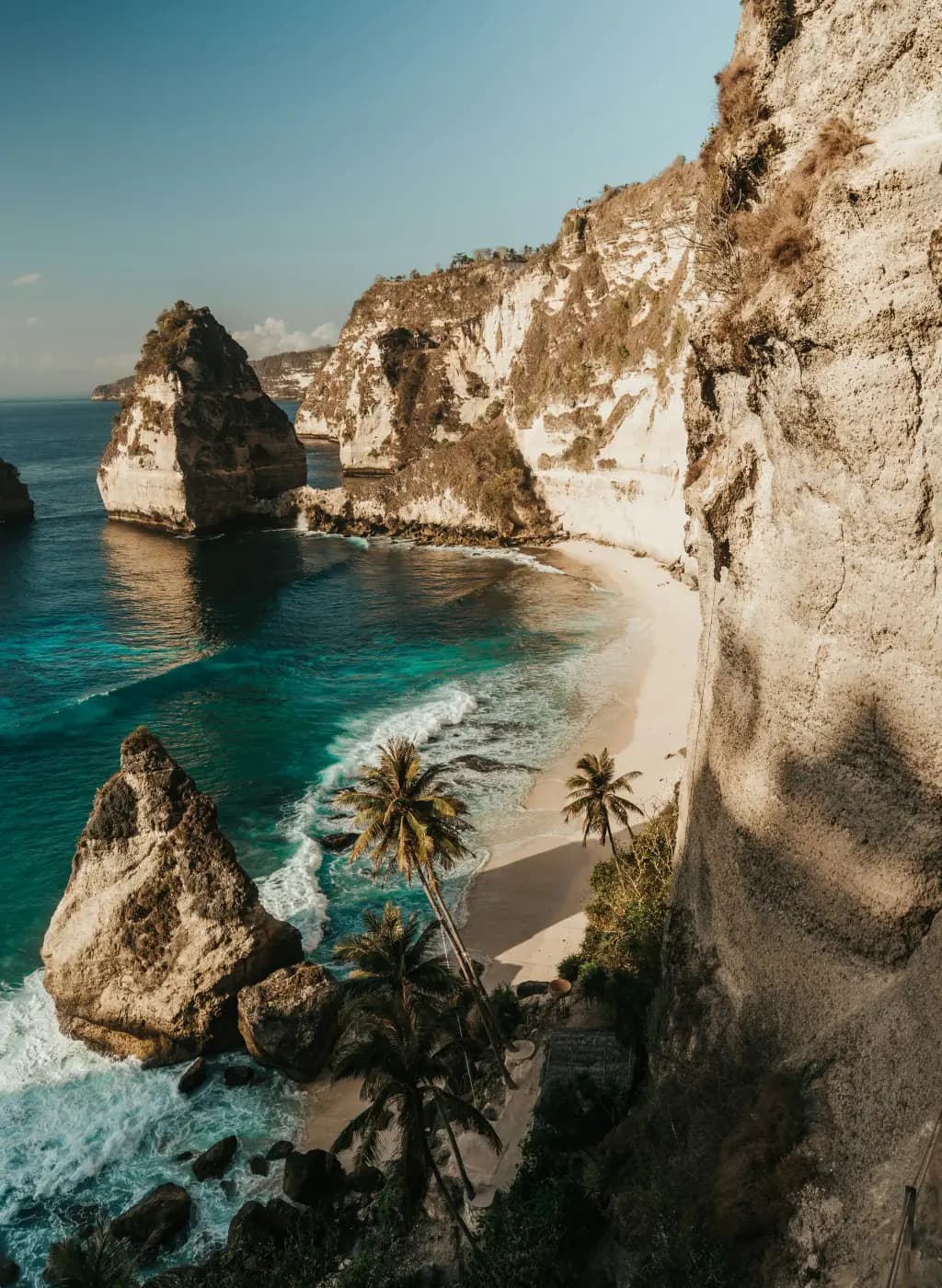
Embark on the adventure of a lifetime with our comprehensive guide to trekking through Patagonia in 2025. This vast wilderness spanning Chile and Argentina offers some of the most breathtaking landscapes on Earth, from towering granite peaks to pristine glaciers and turquoise lakes. Whether you're a seasoned hiker or a first-time adventurer, this guide will prepare you for an unforgettable journey through one of the world's most spectacular regions.
Why Choose Patagonia for Your 2025 Trekking Adventure?
Patagonia represents the ultimate frontier for outdoor enthusiasts, offering unparalleled natural beauty and challenging terrain that will test your limits while rewarding you with experiences that few people ever get to enjoy. The region's unique combination of dramatic landscapes, diverse ecosystems, and relatively untouched wilderness makes it a bucket-list destination for serious trekkers.
In 2025, Patagonia continues to draw adventurers from around the world, but with proper planning and preparation, you can still find solitude and authentic wilderness experiences. The region's infrastructure has improved significantly in recent years, making it more accessible while maintaining its wild character.
Essential Pre-Trip Planning and Preparation
When to Visit Patagonia
Timing is crucial for a successful Patagonia trekking adventure. The region experiences extreme seasonal variations, with weather conditions that can change dramatically within hours.
- Peak Season (December to February): Summer in the Southern Hemisphere brings the most stable weather, longer daylight hours, and the best conditions for trekking. However, this also means larger crowds and higher prices.
- Shoulder Season (October-November and March-April): These months offer fewer crowds, more reasonable prices, and still-decent weather conditions. Spring brings blooming wildflowers, while autumn offers spectacular fall colors.
- Off-Season (May to September): Winter brings extreme cold, snow, and limited access to many areas. Only experienced winter mountaineers should consider this season.
Required Permits and Documentation
Patagonia spans two countries, so you'll need to understand the entry requirements for both Chile and Argentina:
- Chile: Most nationalities can enter visa-free for up to 90 days. You'll need a valid passport with at least six months validity beyond your planned departure date.
- Argentina: Similar visa-free entry for most nationalities, with a 90-day stay limit. Ensure your passport has sufficient validity.
- National Park Permits: Many trekking areas require permits, which can often be obtained online in advance or at park entrances. Popular areas like Torres del Paine require advance booking.
Physical Fitness Requirements
Patagonia trekking demands a high level of physical fitness. The terrain is challenging, with steep ascents, long distances, and often difficult weather conditions. Before your trip:
- Build cardiovascular endurance through regular hiking, running, or cycling
- Strengthen your legs, core, and upper body
- Practice carrying a loaded backpack (20-30 pounds) for extended periods
- Train on varied terrain, including steep hills and uneven surfaces
- Consider altitude training if you plan to trek in higher elevation areas
Getting to Patagonia: Transportation and Access
International Flights and Entry Points
Patagonia is accessible through several major airports, with the most convenient entry points depending on your planned trekking route:
- Santiago, Chile (SCL): Major international hub with connections to Punta Arenas and Puerto Montt
- Buenos Aires, Argentina (EZE): Gateway to Argentine Patagonia with flights to Ushuaia and Bariloche
- Punta Arenas, Chile (PUQ): Direct access to Torres del Paine and southern Patagonia
- Ushuaia, Argentina (USH): Southernmost city in the world, perfect for Tierra del Fuego adventures
Book your cheap flights to Santiago or cheap flights to Buenos Aires well in advance, as flights to these destinations can be expensive and limited, especially during peak season.
Internal Transportation Options
Once in Patagonia, you'll need to navigate between different trekking areas and trailheads:
- Domestic Flights: LAN, LATAM, and Aerolíneas Argentinas offer regular flights between major Patagonian cities
- Long-Distance Buses: Companies like Turismo Zaahj and Buses Pacheco provide comfortable overnight services
- Rental Cars: Offers flexibility but requires international driving permits and can be expensive
- Organized Tours: Many companies offer transportation packages that include transfers between trekking areas
Getting to Trailheads
Reaching the actual trailheads often requires additional transportation:
- Shuttle Services: Many national parks offer regular shuttle services from nearby towns
- Private Transfers: Hotels and tour companies can arrange private transportation
- Hitchhiking: Common and generally safe in Patagonia, especially in national park areas
- Walking: Some trailheads are accessible on foot from nearby accommodations
Where to Stay: Accommodation Options for Every Budget
Luxury Accommodations and Eco-Lodges
For travelers seeking comfort and luxury in the wilderness, Patagonia offers several high-end options:
- Explora Patagonia: Located in Torres del Paine, this luxury lodge offers guided treks, gourmet dining, and spa services
- Lago Grey Hotel: Overlooking Grey Glacier, this hotel provides stunning views and comfortable accommodations
- Estancia Cristina: Historic sheep ranch in Los Glaciares National Park with luxury accommodations and guided activities
Book your luxury accommodations in Patagonia well in advance, as these properties often sell out months ahead during peak season.
Mid-Range Hotels and Hostels
Balancing comfort and affordability, these options provide good value for money:
- Hotel Las Torres: Comfortable accommodations near Torres del Paine with excellent restaurant and bar
- Hostel El Puma: Clean, friendly hostel in Puerto Natales with helpful staff and good facilities
- Hotel Austral: Mid-range option in Ushuaia with good location and comfortable rooms
Budget Accommodations and Camping
For budget-conscious travelers and those seeking authentic wilderness experiences:
- Refugios: Mountain huts operated by CONAF (Chile) and national parks (Argentina)
- Campgrounds: Designated camping areas in most national parks with basic facilities
- Wild Camping: Permitted in many areas but requires proper permits and Leave No Trace practices
- Community Hostels: Local-run accommodations offering basic but clean facilities
Unique Accommodation Experiences
Patagonia offers some truly unique places to stay:
- Dome Tents: Glamping options that provide comfort while maintaining connection to nature
- Historic Estancias: Converted sheep ranches offering authentic Patagonian experiences
- Floating Hotels: Unique accommodations on lakes and fjords
- Tree Houses: Elevated accommodations offering unique perspectives on the landscape
Essential Trekking Routes and Itineraries
The W Trek - Torres del Paine, Chile
One of Patagonia's most famous treks, the W Trek offers stunning views of the iconic granite towers and surrounding landscapes:
- Duration: 4-5 days
- Difficulty: Moderate to challenging
- Highlights: Torres del Paine towers, Grey Glacier, French Valley
- Best Time: November to March
- Required Permits: Advance booking required during peak season
The W Trek gets its name from the shape of the route, which visits three main valleys. Each day offers different perspectives of the park's dramatic landscapes, from the iconic towers to massive glaciers and pristine lakes.
The O Circuit - Complete Torres del Paine Experience
For those seeking a more comprehensive experience, the O Circuit encircles the entire park:
- Duration: 7-10 days
- Difficulty: Challenging
- Highlights: Complete park experience, John Gardner Pass, remote wilderness
- Best Time: December to February
- Required Permits: Limited availability, book 6-12 months in advance
This challenging trek includes the famous W Trek sections plus additional days in the park's remote backcountry. The John Gardner Pass offers some of the most spectacular views in the entire park.
Fitz Roy Trek - Los Glaciares National Park, Argentina
Argentina's premier trekking destination offers equally stunning landscapes:
- Duration: 3-5 days
- Difficulty: Moderate to challenging
- Highlights: Mount Fitz Roy, Laguna de los Tres, Cerro Torre
- Best Time: October to April
- Required Permits: Generally available on arrival
The Fitz Roy Trek takes you through some of the most beautiful alpine scenery in Patagonia, with opportunities to see the iconic peaks up close and experience the region's unique light conditions.
Dientes de Navarino - Tierra del Fuego, Chile
For experienced trekkers seeking a truly remote adventure:
- Duration: 4-6 days
- Difficulty: Very challenging
- Highlights: Southernmost trek in the world, remote wilderness, unique flora
- Best Time: December to March
- Required Permits: Available locally
This challenging trek on the southernmost inhabited island in the world offers a true wilderness experience with minimal infrastructure and stunning views of the Beagle Channel.
Getting Around: Navigation and Transportation on the Trails
Trail Marking and Navigation
Patagonia's trails are generally well-marked, but navigation skills are essential:
- Trail Markers: Most trails use painted rocks, cairns, or wooden posts to mark the route
- Maps and GPS: Carry detailed topographic maps and a GPS device as backup
- Trail Conditions: Check current conditions with park rangers before setting out
- Weather Changes: Be prepared for rapid weather changes that can affect visibility and trail conditions
Transportation Between Trekking Areas
Moving between different trekking areas requires careful planning:
- Public Transportation: Limited but available between major trekking hubs
- Private Shuttles: Many tour companies offer transfer services
- Rental Cars: Provides flexibility but requires international permits
- Organized Tours: Multi-day packages that include transportation between areas
Crossing the Border
Since Patagonia spans two countries, you may need to cross borders:
- Border Crossings: Several land border crossings are available for tourists
- Required Documents: Valid passport and any necessary visas
- Customs Regulations: Be aware of restrictions on food, equipment, and other items
- Transportation Options: Buses, private transfers, or rental cars can cross borders
Essential Sights and Experiences Along the Trails
Iconic Landmarks and Viewpoints
Patagonia's trails offer countless opportunities to experience some of the world's most spectacular landscapes:
- Torres del Paine: The iconic granite towers that give the park its name
- Grey Glacier: Massive glacier with opportunities for ice trekking and kayaking
- French Valley: Stunning valley surrounded by dramatic peaks and hanging glaciers
- Mount Fitz Roy: Argentina's most famous peak, visible from multiple viewpoints
- Perito Moreno Glacier: One of the few advancing glaciers in the world
Book your Perito Moreno Glacier tour and other guided experiences in advance to ensure availability during your visit.
Wildlife Encounters
Patagonia's diverse ecosystems support a wide variety of wildlife:
- Guanacos: Wild relatives of llamas, commonly seen throughout the region
- Andean Condors: Massive birds of prey with impressive wingspans
- Pumas: Elusive big cats that occasionally appear in remote areas
- Rheas: Large flightless birds similar to ostriches
- Marine Life: Whales, dolphins, and sea lions along the coast
Cultural Experiences and Local Communities
Beyond the natural beauty, Patagonia offers rich cultural experiences:
- Gaucho Culture: Traditional Patagonian cowboy culture and estancia life
- Indigenous Heritage: Learn about the region's original inhabitants and their traditions
- Local Cuisine: Traditional Patagonian dishes including lamb, seafood, and regional specialties
- Artisan Crafts: Handmade goods from local artisans and communities
Food and Markets: Sustaining Your Adventure
What to Pack for Multi-Day Treks
Proper nutrition is crucial for maintaining energy during challenging treks:
- High-Energy Foods: Nuts, dried fruits, energy bars, and chocolate
- Dehydrated Meals: Lightweight, nutritious options for dinner
- Breakfast Items: Oatmeal, granola, and instant coffee or tea
- Snacks: Trail mix, jerky, and other portable protein sources
- Hydration: Water purification tablets or filters, electrolyte supplements
Local Food Markets and Supplies
Stock up on supplies in major towns before heading to the trails:
- Puerto Natales: Well-stocked supermarkets and outdoor gear shops
- El Calafate: Good selection of food and equipment
- Ushuaia: Comprehensive shopping options for all trekking needs
- Bariloche: Excellent food markets and artisanal products
Dining Options Along the Trails
Many trekking areas offer dining options, from simple refugios to gourmet experiences:
- Refugio Restaurants: Basic but hearty meals in mountain huts
- Hotel Dining: Gourmet options in luxury accommodations
- Local Restaurants: Traditional Patagonian cuisine in nearby towns
- Self-Catering: Cooking your own meals at campgrounds or refugios
Traditional Patagonian Cuisine
Don't miss the opportunity to try local specialties:
- Asado: Traditional Patagonian barbecue featuring lamb and beef
- Centolla: King crab, a regional specialty
- Cordero Patagónico: Patagonian lamb, often slow-cooked over open fires
- Local Wines: Patagonia produces excellent wines, especially in the northern regions
- Artisanal Beer: Craft breweries offering unique local flavors
Optional Day Trips and Extended Exploration
Ice Trekking and Glacier Experiences
Many trekking areas offer additional adventure activities:
- Perito Moreno Glacier: Walk on the glacier surface with experienced guides
- Grey Glacier: Ice trekking and kayaking opportunities
- Viedma Glacier: Less crowded alternative with excellent ice trekking
- Glacier National Park: Multiple glaciers accessible from various trailheads
Book your ice trekking experiences in advance, as these activities are popular and often sell out during peak season.
Water-Based Adventures
Patagonia's lakes, rivers, and fjords offer excellent water activities:
- Kayaking: Paddle through pristine lakes and fjords
- Boat Tours: Explore glaciers and fjords from the water
- Fishing: World-class fly fishing in remote rivers and streams
- Swimming: Refreshing dips in alpine lakes (for the brave)
Cultural and Historical Sites
Take time to explore the region's rich cultural heritage:
- Estancias: Historic sheep ranches offering tours and cultural experiences
- Museums: Learn about Patagonia's natural and cultural history
- Local Markets: Artisan crafts and regional products
- Historical Sites: Remnants of early exploration and settlement
Safety, Etiquette, and Essential Tips
Weather Safety and Preparation
Patagonia's weather is notoriously unpredictable and can be extreme:
- Layered Clothing: Pack for all weather conditions, including rain, wind, and cold
- Wind Protection: Patagonia is famous for its strong winds, which can reach hurricane force
- Weather Monitoring: Check forecasts regularly and be prepared to adjust plans
- Emergency Shelter: Always carry emergency shelter and know where refugios are located
Trail Etiquette and Leave No Trace
Help preserve Patagonia's pristine wilderness for future generations:
- Stay on Trails: Avoid creating new paths or shortcuts
- Pack Out Trash: Carry all waste with you, including biodegradable items
- Respect Wildlife: Observe animals from a distance and avoid feeding them
- Camp Responsibly: Use designated campsites and follow fire regulations
- Respect Other Trekkers: Yield to uphill hikers and maintain quiet in camping areas
Emergency Preparedness
Be prepared for emergencies in remote wilderness areas:
- First Aid Kit: Comprehensive kit with supplies for common injuries
- Emergency Communication: Satellite phone or personal locator beacon
- Navigation Backup: Multiple navigation methods and backup power sources
- Weather Protection: Emergency shelter and warm clothing
- Local Emergency Numbers: Know how to contact emergency services in each area
Money, Budgeting, and Financial Planning
Cost Breakdown for Different Travel Styles
Patagonia trekking costs vary significantly based on your travel style:
- Budget Travel: $50-100 per day for camping, self-catering, and public transportation
- Mid-Range Travel: $100-200 per day for refugios, some guided activities, and mixed transportation
- Luxury Travel: $200-500+ per day for high-end accommodations, guided treks, and private transportation
Money-Saving Tips
Stretch your budget while maintaining a quality experience:
- Travel in Shoulder Season: Lower prices and fewer crowds
- Book in Advance: Secure better rates for accommodations and transportation
- Self-Catering: Cook your own meals when possible
- Group Tours: Share costs with other travelers
- Local Transportation: Use public buses and shared shuttles
Currency and Payment Methods
Understand the financial aspects of traveling in two countries:
- Chilean Peso (CLP): Used in Chilean Patagonia
- Argentine Peso (ARS): Used in Argentine Patagonia
- Credit Cards: Widely accepted in major towns and tourist areas
- Cash: Essential for remote areas and small purchases
- ATMs: Available in major towns but may have withdrawal limits
Seasonality and Best Times for Different Activities
Monthly Weather Patterns and Conditions
Understanding seasonal patterns helps optimize your trekking experience:
- October: Spring brings melting snow, blooming wildflowers, and moderate temperatures
- November: Increasingly stable weather with fewer crowds than peak season
- December-February: Peak summer with the most stable weather and longest days
- March: Autumn colors and decreasing crowds while maintaining good weather
- April: Cooler temperatures and potential early snow in higher elevations
Seasonal Considerations for Different Treks
Some treks are better suited to specific seasons:
- Torres del Paine: Best from November to March, with January-February being peak season
- Fitz Roy Trek: Optimal from October to April, with spring and autumn offering fewer crowds
- Dientes de Navarino: Only accessible from December to March due to weather conditions
- Northern Patagonia: More accessible year-round with milder weather patterns
Special Events and Festivals
Time your visit to coincide with local events:
- Patagonian Festival (February): Cultural celebrations in major towns
- Wildlife Migration (October-November): Best time for bird watching and wildlife photography
- Fall Colors (March-April): Spectacular autumn foliage in forested areas
- Local Markets: Seasonal markets offering regional products and crafts
Booking and Timing for 2025 and Beyond
Advance Planning Timeline
Successful Patagonia trekking requires careful advance planning:
- 12-18 months ahead: Research routes, obtain necessary permits, and book peak-season accommodations
- 6-12 months ahead: Book flights, arrange transportation, and secure trekking permits
- 3-6 months ahead: Finalize itineraries, book guided activities, and arrange equipment
- 1-3 months ahead: Final preparations, weather monitoring, and last-minute adjustments
Permit Booking Strategies
Popular areas require strategic permit planning:
- Torres del Paine: Book O Circuit permits 6-12 months in advance, W Trek permits 3-6 months ahead
- Los Glaciares National Park: Permits generally available on arrival but book accommodations in advance
- Private Reserves: Some areas require advance booking through tour operators
- Peak Season Strategy: Consider booking through tour companies to secure permits and accommodations
Flexible Booking Options
Maintain flexibility in your plans:
- Refundable Bookings: Choose options that allow changes or cancellations
- Travel Insurance: Comprehensive coverage for trip cancellations and medical emergencies
- Alternative Routes: Have backup plans for weather-related changes
- Extended Stays: Build extra days into your itinerary for weather delays
Bottom Line: Your Patagonia Adventure Awaits
Patagonia represents the ultimate trekking destination for 2025, offering unparalleled natural beauty, challenging terrain, and authentic wilderness experiences that few other places on Earth can match. With proper planning and preparation, this region will provide memories and experiences that last a lifetime.
The key to a successful Patagonia adventure lies in thorough preparation, realistic expectations, and flexibility to adapt to the region's unpredictable weather and conditions. Whether you choose the iconic W Trek, the challenging O Circuit, or explore the remote corners of this vast wilderness, you'll be rewarded with some of the most spectacular landscapes and authentic outdoor experiences available anywhere in the world.
Start planning your Patagonia trekking adventure today by exploring our affiliate links for cheap flights to Patagonia, accommodation options, and guided experiences. Your ultimate wilderness adventure awaits in the heart of Patagonia!