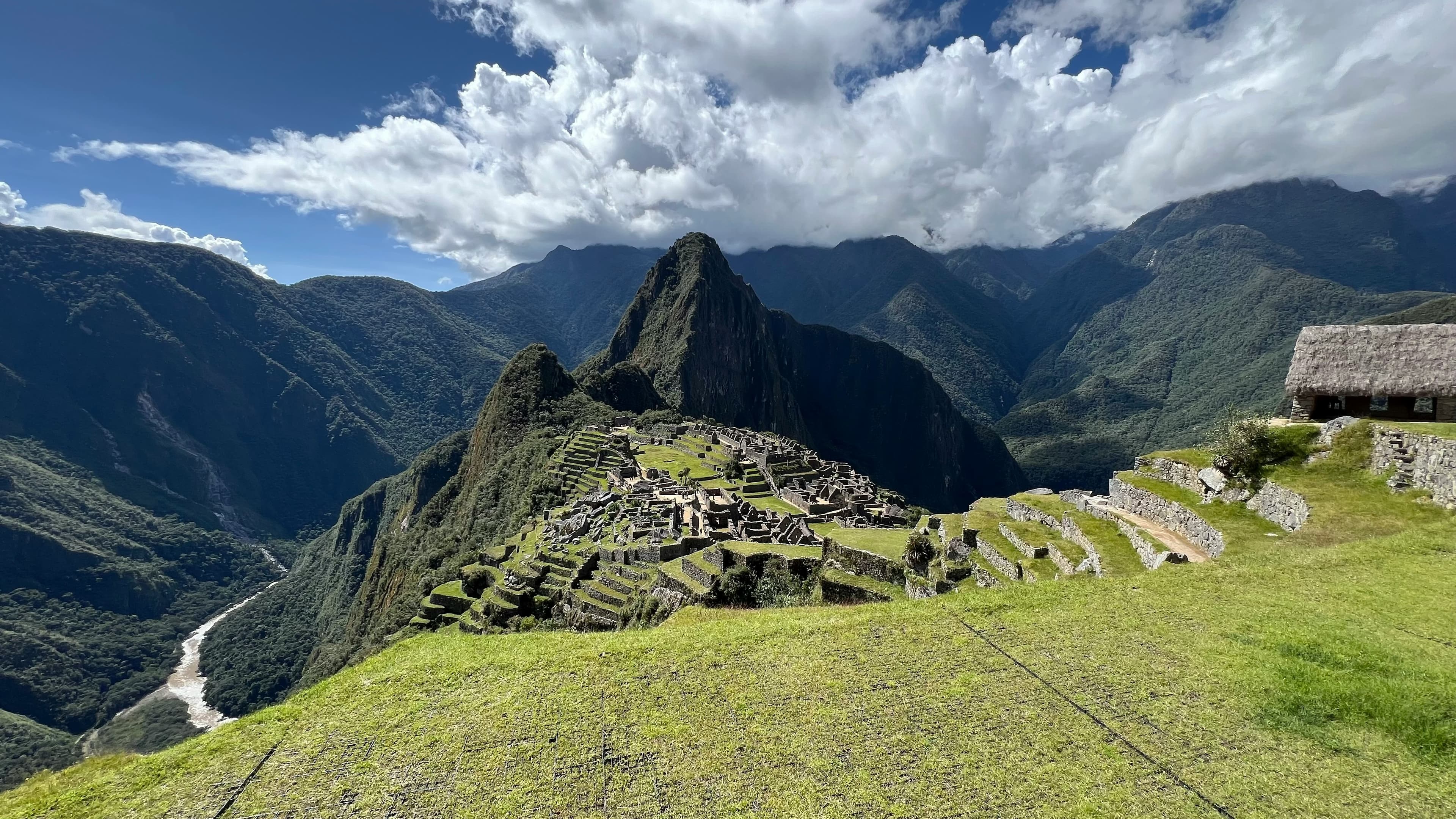
Machu Picchu, the crown jewel of Inca civilization and one of the New Seven Wonders of the World, continues to captivate adventurers and history enthusiasts in 2025 with its mysterious ruins, breathtaking mountain vistas, and the legendary Inca Trail that leads to this ancient citadel. Perched high in the Andes Mountains of Peru, this UNESCO World Heritage site represents one of humanity's most remarkable architectural and engineering achievements, offering visitors an unparalleled journey through time and culture that transcends the typical tourist experience.
From the moment you first glimpse the iconic stone structures emerging from the misty mountain peaks, you'll understand why Machu Picchu has inspired explorers, archaeologists, and spiritual seekers for over a century. This comprehensive guide will take you through every aspect of planning and experiencing the perfect Machu Picchu adventure, from choosing the right trekking route to understanding the cultural significance of this extraordinary site. Whether you're a seasoned hiker seeking the challenge of the Inca Trail or a cultural enthusiast wanting to explore the mysteries of ancient Peru, our insider tips and carefully curated recommendations will help you create an authentic and meaningful experience.
Where to Stay: Accommodation Options for Every Traveler
Choosing the right accommodation for your Machu Picchu adventure requires careful consideration of your travel style, budget, and desired experience. The charming town of Aguas Calientes, located at the base of the mountain and accessible only by train or foot, serves as the primary gateway to Machu Picchu and offers a wide range of accommodation options. From budget-friendly hostels perfect for backpackers to luxury hotels that provide comfort after challenging treks, Aguas Calientes caters to every type of traveler.
For those seeking a more immersive experience, consider staying in the Sacred Valley before or after your Machu Picchu visit. Towns like Ollantaytambo, Pisac, and Urubamba offer authentic Peruvian culture, stunning mountain views, and excellent access to other important Inca sites. These locations provide a deeper understanding of the region's history and culture while offering more reasonable prices than accommodations closer to the main attraction.
If you're planning to hike the Inca Trail, your accommodation needs will be different, as most treks include camping arrangements. However, booking a comfortable hotel in Cusco before and after your trek is highly recommended, as you'll want proper rest and recovery time. Cusco's historic center offers numerous accommodation options, from charming colonial guesthouses to modern hotels, all within walking distance of the city's remarkable architecture and cultural sites.
Getting Around: Transportation and Access to Machu Picchu
Understanding the transportation options to Machu Picchu is crucial for planning a successful visit, as the site's remote location and protected status create specific access requirements. The most common and convenient way to reach Aguas Calientes is by train from Cusco or the Sacred Valley. PeruRail and Inca Rail operate regular services that offer different levels of comfort and luxury, from basic economy class to luxury cars with panoramic windows and gourmet dining options.
For adventurous travelers seeking a more challenging approach, the classic Inca Trail provides the most authentic and rewarding way to reach Machu Picchu. This four-day trek follows ancient pathways through stunning mountain scenery, cloud forests, and Inca ruins, culminating in the dramatic arrival at the Sun Gate overlooking the citadel. While physically demanding, the Inca Trail offers an unparalleled sense of achievement and connection to the ancient civilization that built this remarkable site.
Alternative trekking routes, such as the Salkantay Trail or the Lares Trek, offer different perspectives on the region's natural beauty and cultural heritage. These routes are often less crowded than the traditional Inca Trail and provide opportunities to experience more remote areas of the Andes. Regardless of your chosen route, proper acclimatization to the high altitude is essential, as Cusco sits at over 11,000 feet above sea level.
Essential Sights and Experiences: Beyond the Iconic Views
While the main citadel of Machu Picchu is undoubtedly the star attraction, the site offers numerous areas and experiences that many visitors miss. The Temple of the Sun, with its perfectly carved stone walls and astronomical alignments, demonstrates the Incas' sophisticated understanding of celestial movements and their ability to work with massive stone blocks. Visit this area early in the morning to avoid crowds and experience the spiritual atmosphere that still permeates these ancient walls.
The agricultural terraces that cascade down the mountainside represent one of the Incas' most impressive engineering achievements, demonstrating their mastery of water management and soil conservation. These terraces not only provided food for the citadel's inhabitants but also helped prevent soil erosion and created microclimates for different crops. Walking among these terraces offers insights into the practical genius that supported the spiritual and ceremonial aspects of Machu Picchu.
For the most spectacular views and a deeper understanding of the site's strategic location, consider hiking to Huayna Picchu, the iconic peak that rises behind the main ruins. This challenging but rewarding climb provides panoramic views of the entire citadel and surrounding mountains, offering perspectives that help visitors understand why the Incas chose this location for their most sacred city. Advance reservations are required for this hike, so plan accordingly.
Cultural and Historical Context: Understanding the Inca Legacy
To fully appreciate Machu Picchu, understanding the broader context of Inca civilization and their remarkable achievements is essential. The Incas, who ruled the largest empire in pre-Columbian America, created a sophisticated society that excelled in architecture, engineering, agriculture, and astronomy. Their ability to build massive stone structures without mortar, using only precise cutting and fitting techniques, remains one of the world's great engineering mysteries.
The site's layout and orientation reflect the Incas' deep spiritual connection to nature and their sophisticated understanding of astronomy. Buildings and windows align with solstices and equinoxes, while the overall design incorporates sacred geometry and natural features like mountains and rivers. This integration of human construction with natural landscape demonstrates a worldview that saw humanity as part of, rather than separate from, the natural world.
Learning about the site's discovery and the ongoing archaeological research adds another layer of appreciation to your visit. Hiram Bingham's 1911 expedition, sponsored by Yale University, brought Machu Picchu to world attention, though local people had known about the site for generations. Ongoing research continues to reveal new insights about the site's purpose, construction techniques, and the daily lives of its inhabitants.
Food and Local Cuisine: Experiencing Peruvian Flavors
Peruvian cuisine, recognized as one of the world's most diverse and flavorful, provides an essential complement to your Machu Picchu experience. The Sacred Valley and Cusco offer numerous opportunities to sample traditional dishes that reflect the region's rich agricultural heritage and cultural diversity. Local specialties like cuy (guinea pig), alpaca meat, and various potato dishes showcase ingredients that have been central to Andean cuisine for centuries.
For a truly authentic experience, seek out local markets and family-run restaurants rather than tourist-focused establishments. The San Pedro Market in Cusco offers a vibrant introduction to local ingredients and traditional cooking methods, while restaurants in the Sacred Valley often serve dishes made with ingredients grown in their own gardens. Don't miss the opportunity to try chicha, a traditional corn beer that has been brewed in the Andes for thousands of years.
If you're hiking the Inca Trail, your meals will be prepared by your trekking crew, who are experts at creating delicious and nutritious food in challenging mountain conditions. These meals often include local ingredients and traditional recipes, providing a unique opportunity to experience authentic Andean cuisine while surrounded by the spectacular scenery that inspired the Incas.
Optional Day Trips: Expanding Your Peruvian Adventure
While Machu Picchu is undoubtedly the highlight of any visit to this region, numerous other sites and experiences can enhance your understanding of Inca civilization and the natural beauty of the Andes. The Sacred Valley, with its numerous Inca ruins, traditional villages, and stunning landscapes, offers excellent opportunities for day trips from Cusco. Ollantaytambo, with its massive stone fortress and well-preserved Inca town plan, provides insights into Inca military architecture and urban planning.
Pisac, known for its impressive agricultural terraces and Sunday market, offers a more intimate experience of traditional Andean culture. The market, where local people from surrounding villages gather to trade goods and socialize, provides authentic insights into contemporary Andean life while offering opportunities to purchase traditional crafts and textiles.
For those interested in the region's natural wonders, the Rainbow Mountain (Vinicunca) offers a completely different perspective on the Andes' geological diversity. This colorful mountain, located at over 17,000 feet above sea level, provides challenging hiking opportunities and spectacular photographic opportunities. The journey to reach this remote location offers insights into the region's diverse ecosystems and traditional ways of life.
Safety, Health, and Practical Considerations
Ensuring a safe and healthy Machu Picchu experience requires careful attention to several factors, particularly altitude sickness and physical preparation. Cusco's high altitude can affect even the most physically fit travelers, so proper acclimatization is essential. Plan to spend at least two full days in Cusco before attempting any strenuous activities, and consider using natural remedies like coca tea to help with altitude symptoms.
Physical preparation is crucial, especially if you're planning to hike the Inca Trail or other mountain routes. The trails involve significant elevation changes, often at high altitudes, and require good cardiovascular fitness and strong legs. Regular hiking practice in the months before your trip will make your experience much more enjoyable and reduce the risk of injury.
Weather in the Andes can be unpredictable, with conditions changing rapidly throughout the day. Proper clothing layers, including waterproof gear, are essential regardless of the season. The rainy season (November to March) brings daily afternoon showers, while the dry season (April to October) offers clearer skies but colder temperatures, especially at night.
Money Matters and Budgeting for Your Adventure
Understanding the costs associated with a Machu Picchu visit is essential for proper planning, as expenses can vary significantly depending on your chosen approach and comfort level. Entry tickets to Machu Picchu itself are relatively affordable, but transportation, accommodation, and guided services can add significantly to your total cost. The Inca Trail, while expensive, includes most costs in a single package, making it easier to budget.
For budget-conscious travelers, staying in the Sacred Valley rather than Aguas Calientes can provide significant savings while offering equally rewarding experiences. Local transportation, including collectivos (shared vans) and local buses, offers substantial savings over tourist-focused services. Eating at local markets and family restaurants rather than tourist establishments can reduce food costs by 50% or more.
Consider the value of guided experiences versus independent exploration. While guided tours add to your total cost, they often provide deeper insights into the site's history and significance, making your experience more meaningful. Many guides are local experts with deep knowledge of Inca culture and can share stories and insights that aren't available in guidebooks.
Best Times to Visit and Booking Recommendations for 2025
Timing your Machu Picchu visit requires careful consideration of weather patterns, crowd levels, and your personal preferences for different types of experiences. The dry season (April to October) offers the most reliable weather and the best conditions for hiking, but also brings the largest crowds and the highest prices. The shoulder months of April-May and September-October often provide the best balance of good weather and manageable crowds.
Advance booking is essential, especially for the Inca Trail, which has strict limits on daily visitors and often sells out months in advance. Permits for the classic Inca Trail are released annually and can sell out within hours, so planning at least six months ahead is recommended. Alternative trekking routes also require advance planning, though they're generally easier to book.
For 2025 visits, consider booking even earlier than usual, as post-pandemic travel demand continues to be high. Accommodations in Aguas Calientes and the Sacred Valley can also fill up quickly during peak periods, so early planning is essential for securing your preferred options.
Cultural Etiquette and Responsible Tourism
Visiting Machu Picchu responsibly requires understanding and respecting the cultural significance of this sacred site and the contemporary communities that call this region home. The site remains spiritually important to many local people, so respectful behavior is essential. This includes speaking quietly, not touching or climbing on the ancient structures, and being mindful of the spiritual atmosphere that still permeates the site.
Supporting local communities through responsible tourism practices helps ensure that your visit benefits the people who call this region home. Choose locally owned accommodations and restaurants when possible, purchase crafts and textiles directly from artisans, and consider hiring local guides who can provide authentic insights into their culture and heritage.
Environmental responsibility is equally important, as the fragile mountain ecosystem faces increasing pressure from tourism. Follow Leave No Trace principles, stay on designated trails, and avoid disturbing wildlife or removing natural objects. The Inca Trail and other trekking routes have specific environmental guidelines that all visitors should follow.
The Bottom Line: Why Machu Picchu Deserves Your 2025 Travel Plans
Machu Picchu represents one of humanity's most remarkable achievements, offering visitors an experience that transcends typical tourism to provide genuine connection with an ancient civilization's wisdom and creativity. The combination of stunning natural beauty, remarkable engineering achievements, and deep cultural significance creates a destination that offers something meaningful for every type of traveler, from adventure seekers to cultural enthusiasts.
The journey to Machu Picchu, whether through the challenging Inca Trail or more accessible routes, provides opportunities for personal growth and deeper understanding of both the natural world and human potential. The site's ability to inspire wonder and reflection, combined with the physical and mental challenges of reaching it, creates an experience that stays with visitors long after they return home.
As you plan your 2025 travels, consider what makes Machu Picchu truly special: its ability to provide both an adventure of a lifetime and a profound cultural experience that connects you with humanity's shared heritage. This is not just a place to visit, but a destination to experience, understand, and carry with you as a reminder of what human beings are capable of achieving. Whether you're a seasoned adventurer or embarking on your first international trip, Machu Picchu promises an experience that will exceed your expectations and leave you with memories and insights to cherish for a lifetime.